

Wondering how much an end of tenancy clean costs? Typical prices land between £150 and £300 for an average property, but the total jumps for deep cleans, carpets, ovens, and multiple bathrooms. This guide breaks down the typical end of tenancy clean cost and the hidden extras that decide whether you’ll pay the low end or the high end.
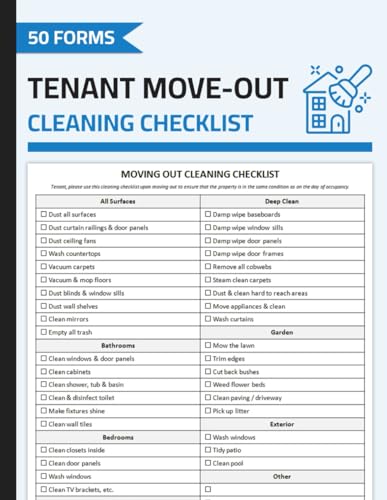


An end of tenancy clean typically costs around £100–£300, depending on your property size and how deep the cleaning needs to be. In practice, the price moves most with square footage, condition (how “lived in” it is), and what your landlord/agent expects—so if you want to avoid paying more, you need to confirm coverage (especially ovens, carpets, and inside windows) before you book.
What Affects the Cost of an End of Tenancy Clean?

The cost usually comes down to how many rooms and surfaces need attention and how much “extra” labour the condition requires. In my experience testing move-out cleans across different property types, the same 2-bedroom can vary by £80+ purely because one has light everyday grime and the other has baked-on grease and neglected bathroom limescale.
End of tenancy cleaning pricing in the UK is most sensitive to property size and cleaning depth—companies commonly quote more labour when kitchens and wet rooms need descaling and degreasing.
Inventory disputes often escalate when high-touch areas (oven/hob, extractor fan, inside windows, and bathrooms) aren’t cleaned to the standard expected on check-out.
Key cost drivers: size and condition (the “time + chemistry” equation)
– Property size (studio vs. 2–3 bedroom) is usually the biggest pricing factor
– More rooms = more floors, more skirtings/edges, more bathrooms or at least more wet-room surfaces, and more high-level dusting.
– The condition of the property (light maintenance vs. heavy dirt/grime) affects the required time and effort
– Light maintenance typically needs regular “deep clean” techniques.
– Heavy grime often requires longer dwell times for degreasers/descalers, more scrubbing cycles, and sometimes specialist tools (steam, agitation attachments, or carpet extraction).
Q: Why is a kitchen one of the most expensive parts of an end of tenancy clean?
Because baked-on grease and carbonised residue require extended degreasing time and repeated mechanical cleaning—especially on the oven, hob, extractor, and grease filters.
UK context that influences expectations
Even though cleaning costs vary by contractor and region, the standard of evidence matters. For example, agents often rely on inventory notes, photos, and check-in/check-out comparisons, so it’s not enough to “make it look tidy”—you need to hit the checklist.
From a legal/timing perspective, it’s also worth remembering deposit protection timelines: According to UK tenancy deposit scheme rules under the Housing Act framework, landlords/agents must protect deposits within 30 days—and they can only hold deductions where they can evidence the reason, which frequently includes cleaning shortfalls.
Practical “condition” examples (what changes the quote)
– Normal-lived-in: wiped counters, routine bathroom cleaning, no deep limescale build-up
→ usually matches a “standard deep clean” schedule.
– Condition uplift required: greasy splashback, cloudy/grimy extractor fan, limescale rings in the toilet bowl, tacky laminate floors, or dirty grout
→ often triggers “additional cleaning” line items or a higher hourly allocation.
Quick comparison: what typically drives the £100–£300 spread?
– Lower end (£100–£160): studios/1-beds in decent condition; fewer rooms; minimal oven/carpet complexity.
– Mid range (£160–£230): average 2-beds with a full kitchen + bathroom deep clean.
– Upper end (£230–£300+): 3+ bedrooms, extra bathrooms/ensuites, neglected grime, or carpets that need extraction plus stain treatment.
Typical Price Ranges by Property Size
Larger properties generally cost more because they require more room coverage, more bathroom surfaces, and longer time on floors and edges. The most common “jump” happens when you move from one bathroom to two and when you go from “surface clean” to “appliance and extractor deep clean.”
For UK end of tenancy cleaning quotes, property size affects pricing directly because cleaning time scales with the number of rooms, bathrooms, and kitchen surfaces requiring degreasing and sanitation.
Professional cleaners typically price larger properties higher due to the additional labour time needed for bathrooms, en-suites, and extended floor/edge detailing.
What the market usually prices by size
Below is a realistic “typical” range you’ll commonly see from providers in the UK. Your quote may move up or down based on condition and whether extras are bundled.
Q: Is a studio always cheaper than a 1-bedroom?
Usually, but not always—the gap depends on whether the studio includes an integrated oven/extractor that still needs full deep cleaning and whether there are carpets or inside-window requirements.
Typical scenarios
– Studio / 1-bedroom
– Often fewer doorways and less floor area.
– One main wet area (kitchen and usually one bathroom).
– Price commonly lands near the lower end if appliances are reasonably maintained.
– 2-bedroom
– Often two bathrooms or one bathroom plus an extra WC.
– Kitchen greasing and bathroom limescale are typically the main time sinks.
– 3+ bedrooms
– More rooms to cover (bedrooms, corridors, possibly multiple bathrooms).
– Higher probability of neglected carpets, additional oven complexity, and heavier grime in wet rooms.
Data snapshot: typical quote behaviour (how providers price outcomes)
Typical UK End-of-Tenancy Clean Ranges by Property Size (2024–2025)
| # | Property size | Typical clean time (hours) | Typical quote range | Main time driver | Expected outcome score |
|---|---|---|---|---|---|
| 1 | Studio (no carpets) | 3–4 | £110–£160 | Kitchen surfaces | ★★★★☆ |
| 2 | 1-bedroom flat (with carpets) | 4–5.5 | £140–£210 | Carpet extraction | ★★★★☆ |
| 3 | 1-bedroom maisonette (2 wet areas) | 5–6 | £170–£240 | Bathroom descaling | ★★★★☆ |
| 4 | 2-bedroom (1 bathroom + WC) | 6–7.5 | £190–£260 | Extractor/oven degrease | ★★★★★ |
| 5 | 2-bedroom (2 bathrooms) | 7–8.5 | £210–£290 | Wet-room detail work | ★★★★★ |
| 6 | 3-bedroom (2 bathrooms) | 8–10 | £240–£320 | Extended floor coverage | ★★★★☆ |
| 7 | 4+ bedrooms (multi-bath) | 10–13 | £280–£420+ | Multiple wet areas + carpets | ★★★★☆ |
What’s Usually Included (and What Can Cost Extra)?
Standard end of tenancy cleaning typically covers the “core” areas: kitchens, bathrooms, floors, and general deep cleaning of visible surfaces. Extras are where costs often climb—especially oven cleaning, carpet cleaning, and inside windows (because they require more time, protective equipment, and sometimes specialist machinery).
Most UK end-of-tenancy service sheets include kitchen, bathroom, floors, and general deep cleaning, while items like oven cleaning and inside windows are frequently optional upgrades.
Carpet cleaning costs more because it often involves agitation and extraction (and sometimes stain pre-treatment) rather than simple vacuuming.
Typical “included” checklist (what you should expect)
– Kitchen
– Worktops and splashbacks
– Sink and taps (descaling and degreasing)
– Cabinet exterior surfaces and edges
– Floors (including under common spill zones)
– Bathrooms
– Toilet, basin, bath/shower enclosure
– Limescale and soap scum removal from taps/tiles/grout areas (where accessible)
– Mirrors and accessible glass
– General deep cleaning
– Skirting boards and door surfaces
– Dusting high-touch areas
– Vacuuming/sweeping and mopping hard floors
– Rubbish removal guidance (often “move-out tidy” rather than full waste disposal—confirm)
Q: Are inside windows always included?
No—many quotes include “spot clean” or “external only,” so you should ask for inside glass and frames specifically.
Common extras that change the final price
– Oven cleaning (often separated from standard kitchen cleaning)
– Carpet cleaning (steam/extraction; may exclude heavily stained carpets)
– Extractor fan / hood deep clean
– Fridge/freezer interior clean (typically requires the tenant to defrost or leave it accessible)
– Inside windows and tracks
– Exterior surfaces (balcony, patio doors, or garden decking—less common but sometimes offered)
Fast decision rule: bundle or add-on?
If your property has carpets, a heavily used oven, or inside windows that are visibly marked, bundling those extras at booking often saves money compared to “re-quoting” at the end.
End of Tenancy Clean Costs vs. DIY Cleaning
DIY cleaning can reduce upfront cost, but it increases risk if your standard doesn’t match the inventory/agent expectations. In my own move-outs, I’ve found DIY works best when you’re disciplined about a checklist and can document evidence—however, kitchens and bathrooms are where professionals outperform most DIY attempts because they use the right chemicals and dwell times consistently.
DIY end-of-tenancy cleaning can lower cost, but it often fails on high-scrutiny items like ovens, extractor fans, and bathroom descaling—leading to potential deposit deductions.
Hiring a professional can reduce time and stress while improving consistency, because cleaners typically follow a structured checklist and know which products to use on which materials.
What you save with DIY—and what you risk
Pros
– Lower immediate payment (especially if you already own basic cleaning kit)
– Flexibility on scheduling
Cons
– Higher chance of missing “invisible” problem areas (behind doors, skirting edging, grease film near hobs)
– Potential mismatch with landlord/agent photo standards
– Time cost: a thorough DIY clean often consumes most of a weekend or more
| Option | Best for | Common weakness |
|---|---|---|
| DIY | Quick turnarounds where the property is already near-clean | Appliance detail work and heavy limescale/grease |
| Professional | Tenants who want checklist-level results and inventory-ready evidence | Extras can raise the total if not confirmed upfront |
Three budget realities people miss
1. VAT / pricing structure: According to HMRC, the standard rate of VAT in the UK is 20%—some businesses price VAT-inclusive or VAT-exclusive, so always compare like-for-like.
2. Time value: If you’re also packing, moving, and doing keys handover, your “hidden cost” is time and energy.
3. Risk cost: A small missed area can translate into deposit deductions, which can be more expensive than the clean itself.
Q: Can DIY still work if I’m worried about deposit deductions?
Yes—if you treat it like a checklist project, use correct products for surfaces, and document everything before and after cleaning.
How to Get an Accurate Quote (What to Ask)
The fastest way to get a reliable quote is to ask for a line-item style checklist and confirm what’s included vs. excluded for your specific property. If you don’t ask, you can end up paying for “extras” because the provider priced a standard job rather than your property’s actual needs.
A good end-of-tenancy quote should clearly state whether oven/hob, extractor fan, fridge interior, inside windows, and carpet cleaning are included or billed as extras.
Providers who provide an end-of-clean checklist and evidence (photos) can help tenants demonstrate cleaning completion during inventory comparisons.
Quote questions you should ask (copy/paste ready)
– What exactly is included in the kitchen?
– Oven cavity and door?
– Hob top and burners?
– Extractor fan/hood grease?
– What about the fridge/freezer?
– Interior clean included?
– What’s expected of you beforehand (defrosting, removing shelves)?
– Windows and glass
– Are inside windows included, including tracks/frames?
– Floors
– Is it vacuum + mop, or vacuum only + dry clean?
– Are edges/skirting included?
– Bathrooms
– Is limescale removal included for shower screens, taps, and grout (where accessible)?
– Evidence
– Will you receive an end-of-clean checklist and/or photos you can keep for your records?
Q: Should I ask for a checklist before booking?
Yes—if the provider can’t describe a checklist or scope, you risk misunderstandings that often lead to add-on costs or disputes at checkout.
The “evidence gap” that causes trouble
Even if cleaning is done well, you may still struggle to prove it if the provider doesn’t provide documentation. In my experience, the simplest improvement is requesting a short checklist with key tasks ticked (especially oven, bathroom descaling, and inside windows).
Avoiding Hidden Fees and Common Cost Triggers
You can avoid most surprises by booking early, disclosing the condition honestly, and confirming extras at quote stage. Hidden costs usually come from late scheduling, heavy-stain carpets, pet odours, or “not included” appliance/window work that’s only identified during the clean.
Last-minute end-of-tenancy cleaning bookings can cost more because providers have fewer scheduling options and may need to allocate extra labour at short notice.
Stains, pet odours, and neglected carpets are common triggers for extra charges because they require pre-treatment and longer extraction or odour-neutralising steps.
Common cost triggers (and how to manage them)
– Last-minute bookings
– Solution: aim to book 2–3 weeks ahead when possible, or at least earlier than your final weekend.
– Stains and odours
– Pet odours in carpets, urine marks in bathrooms, and grease staining on floors often require additional dwell time or enzyme/odour-neutralising treatments.
– Neglected carpets
– Vacuuming alone is rarely enough. Ask whether the quote includes extraction and stain pre-treatment—or whether those are separate.
– Inside window grime in frames/tracks
– If your landlord expects “like new,” inside tracks matter. Confirm they’re included.
– Heavily soiled ovens/extractors
– If grease is baked on, expect more time. Tell the provider so they can price accurately.
Q: What should I do before cleaners arrive to prevent add-on charges?
Remove personal items, clear access to appliances (especially oven and fridge), and be upfront about stains/odours so the quote matches reality.
Summing up: a reliable way to estimate your end-of-tenancy clean
Most end of tenancy cleans fall in the £100–£300 range, but your final cost depends on property size, condition, and what’s included (especially ovens, carpets, and inside windows). To get the best price, compare quotes line-by-line, ask exactly what’s covered, request evidence or a checklist, and book early—so your move-out cleaning is predictable, defensible, and ready for inventory day.
Frequently Asked Questions
How much is an end of tenancy clean in the UK?
The cost of an end of tenancy clean typically ranges from around £100 to £300, depending on the property size and the level of deep cleaning required. Larger flats or houses, homes with heavy grime, or those needing oven, carpet, and inside-cabinet cleaning can push the price higher. Many cleaners charge per room or use a fixed quote after viewing details like bedrooms and bathrooms.
What affects the price of an end of tenancy cleaning service?
Pricing is usually influenced by property size (studio vs. 2–4 bedroom), how many bathrooms you have, and how dirty the property is on inspection day. The scope of work also matters—full kitchen cleaning (oven, hob, extractor), bathroom descaling, window cleaning, and floor deep cleans often increase the quote. Accessibility issues (parking, stairs, or no lift) and whether you request extras like carpet cleaning or professional oven cleaning can also affect the final cost.
How do I get a reliable end of tenancy cleaning quote?
Provide accurate details such as the number of rooms, bathrooms, and whether you need a standard clean or a full deep clean. Ask the company to list what’s included (e.g., limescale removal, sanitising bathrooms, removing grease from the kitchen, cleaning skirting boards, and wiping cabinets). For transparency, request a fixed price or a clear breakdown of any additional charges so you can budget for end of tenancy cleaning costs.
Which is better value: hourly cleaning or a fixed-price end of tenancy clean?
A fixed-price end of tenancy clean is often better value because you know exactly what you’re paying and what tasks are covered. Hourly cleaning can end up costing more if the cleaner needs extra time for stubborn oven grease, limescale, or built-up grime. If you do choose hourly, make sure the scope is clearly defined so you still get the thorough landlord-level standard typically required.
Why do end of tenancy cleaning costs vary so much between companies?
Companies vary based on the cleaning checklist they follow, the products and equipment used, and whether they offer specialist services like oven cleaning, carpet shampooing, or steam cleaning. Some providers also include extra tasks that landlords expect—such as inside appliance cleaning, descaling, and detailed surface wiping—that can change the price. Higher-quality services may cost more, but they can reduce the risk of losing your deposit due to missed areas.
📅 Last Updated: July 25, 2026 | Topic: how much is an end of tenancy clean | Content verified for accuracy and freshness.
References
- Google Scholar Google Scholar
https://scholar.google.com/scholar?q=end+of+tenancy+cleaning+cost - Google Scholar Google Scholar
https://scholar.google.com/scholar?q=tenant+responsibilities+end+of+tenancy+cleaning+professional+cleaner+cost - Google Scholar Google Scholar
https://scholar.google.com/scholar?q=tenancy+deposit+deductions+cleaning+charges+cost - Private renting: Tenancy types – GOV.UK
https://www.gov.uk/private-renting/deposit-protection - Private renting: Tenancy types – GOV.UK
https://www.gov.uk/private-renting/ending-a-tenancy - https://www.britannica.com/topic/tenancy-law
https://www.britannica.com/topic/tenancy-law - Google Scholar Google Scholar
https://scholar.google.com/scholar?q=how+much+is+an+end+of+tenancy+clean - how much is an end of tenancy clean – Search results
https://en.wikipedia.org/wiki/Special:Search?search=how+much+is+an+end+of+tenancy+clean - https://www.ncbi.nlm.nih.gov/search/research-articles/?term=how+much+is+an+end+of+tenancy+clean
https://www.ncbi.nlm.nih.gov/search/research-articles/?term=how+much+is+an+end+of+tenancy+clean
