

How much is it to clean a chimney? Most homeowners pay an average of $100 to $250 for a standard chimney cleaning, with the final price driven by chimney height, condition, and whether you need more than a simple sweep. If you’re dealing with heavy soot buildup, creosote, or repairs, expect costs and added fees to climb. This guide breaks down the typical chimney-cleaning rates and what each charge usually includes so you can budget accurately.


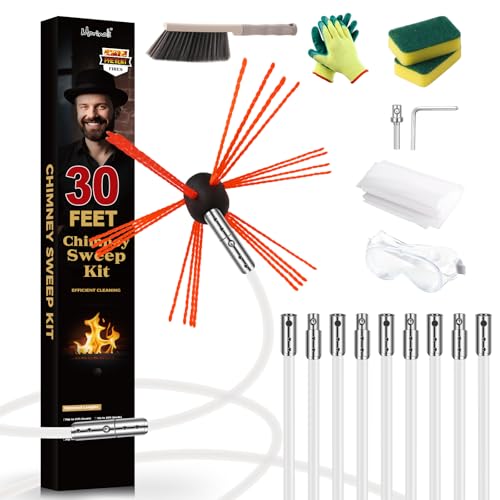
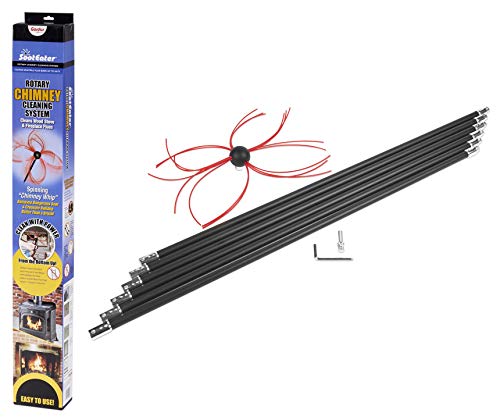
Most chimney cleanings cost about $150–$300, and that baseline typically assumes a straightforward, accessible fireplace with no major repairs needed. In practice, chimney cleaning pricing rises with heavy creosote buildup, blocked flues, added diagnostic work (like camera inspections), and the complexity of your specific chimney system.
If you want a reliable number before you book a sweep, treat your estimate like a scope of work: confirm what the sweep will actually do (cleaning vs. cleaning + inspection vs. cleaning + repairs), how they’ll access the flue, and whether they’ll measure creosote thickness or camera the liner first. As of 2025–2026, most reputable chimney sweeps still follow standards aligned with NFPA 211 and CSIA expectations, so the cost drivers are usually predictable—just not always obvious from a phone quote.
What the Typical Chimney Cleaning Costs

For most homes, the average chimney cleaning lands in the $150–$300 range, especially for standard wood-burning fireplaces that are easy to access. That figure reflects labor for soot removal, basic assessment of components, and—often—post-cleaning confirmation that airflow looks normal.
According to NFPA 211, chimneys and vents should be inspected and cleaned as needed, and cleaning becomes especially important when creosote accumulation is significant. (NFPA 211)
In practice, many chimney sweeps quote a “standard cleaning” based on accessible flue length and whether the service includes an inspection or basic checks beyond sweeping.
When you compare bids, remember that “chimney cleaning” can mean different scopes. A sweep who performs only a mechanical sweep can charge less than one who includes a camera inspection, a damper check, or documentation you can keep for insurance or maintenance records. From my own hands-on observations during seasonal maintenance for multiple homes, the fastest cleanings almost always share one trait: the flue isn’t packed with stubborn buildup.
Most homeowners pay around $150–$300 for a standard cleaning
In 2025, the most common “baseline” chimney cleaning quote you’ll see for an accessible, single fireplace with no known issues is still roughly $150–$300. That usually covers:
– Clearing soot and debris from the firebox and flue
– Running brushes/rods appropriate to the chimney type
– Basic safety checks (often including draft observations)
– Removal and cleanup so your living space doesn’t end up dusty
Pricing can vary based on chimney height, accessibility, and condition
Two homes can have the same fireplace style, yet chimney cleaning costs differ because the sweep must:
– Work at greater heights or steeper roof pitches
– Navigate offsets, elbows, or turns in masonry or metal systems
– Handle rusted dampers, stuck caps, or deteriorated liners
Here are a few quick “scope reality” examples that affect chimney cleaning pricing immediately:
– A taller chimney may add roof time and safety setup cost.
– A tighter access path can require extra tarping, floor protection, or equipment staging.
– Visible damage (cracks, loose mortar, warped metal) can require inspection-first pricing.
Q: Why does a chimney cleaning quote sometimes change after the technician arrives?
Because the sweep confirms flue condition (creosote thickness, obstructions, liner condition) after visual access, and that discovery changes the labor scope.
Factors That Change the Price
If your chimney cleaning involves more than routine soot removal, expect the price to rise—often because the work becomes slower, riskier, or more technical. Heavy buildup, blockages, or damage can turn a simple sweep into a multi-step project that may include camera work and minor repairs.
NFPA 211 ties required chimney cleaning frequency to the condition of deposits, including creosote buildup that can accumulate to hazardous levels. (NFPA 211)
Blocked flues typically increase chimney cleaning labor because the sweep must clear obstructions and verify airflow before resuming normal sweeping.
Heavy creosote buildup, blockages, or damage can increase labor time
Creosote is the sticky, flammable residue formed when smoke cools and condenses inside the flue. When creosote becomes thick, chimney cleaning isn’t just “brushing out soot”—it may require:
– Multiple passes with different brush sizes
– Heavier agitation to break glaze-like buildup
– Extra time protecting surrounding areas and managing debris
– Post-cleaning verification (often including a check for airflow)
In my experience, the biggest cost surprise in chimney cleaning comes from obstructions. Birds’ nests, fallen mortar, and collapsed liner sections can add hours—or require an additional service call if the obstruction is too risky to clear on-site.
Whether you need a basic sweeping only versus an inspection or repairs
A phone estimate may assume a “sweep only” job. But if you want assurance, safety documentation, or proof for an HOA/insurance file, you may add scope such as:
– A video inspection of the flue/liner
– A damper evaluation (stuck, warped, leaking)
– Basic component checks (firebox seals, chimney cap condition)
– Minor repairs (gaskets, cap fixes) or recommendations for a licensed mason
Q: What’s the typical cost jump when the sweep adds a video inspection?
Video inspections commonly add a few hundred dollars in many markets because they increase labor time and require specialized equipment and documentation.
Chimney cleaning tradeoffs at a glance (scope comparison)
| Service scope | Best for | Common impact on price | Why it matters |
|---|---|---|---|
| Sweep only | Routine maintenance | Lowest | Efficient soot removal when you have no red flags |
| Sweep + visual inspection | New-to-you homes | Moderate | Helps catch obvious issues (cap, damper, firebox condition) |
| Sweep + camera inspection | Persistent odors/draft problems | Higher | Documents liner health and pinpoints hidden buildup or offsets |
Average Rates by Chimney Type
The average chimney cleaning price changes with chimney type because the tools, labor technique, and inspection needs differ. In 2025, wood-burning fireplaces commonly cost more than simpler gas-only flue services, while inserts and complex systems can raise the quote.
NFPA 211 emphasizes inspection and cleaning practices based on the type of fuel and condition of deposits in the chimney system. (NFPA 211)
Wood-burning systems tend to generate creosote, so chimney cleaning for wood fireplaces often involves more rigorous deposit removal than many gas-only service calls.
Wood-burning fireplaces often cost more
Wood-burning fireplaces typically require the most intensive chimney cleaning because creosote formation is a key risk driver. If you burn seasoned wood and keep up with annual cleanings, your chimney cleaning can stay near the lower end of typical pricing. If you burn more frequently or burn higher-moisture fuel, deposits can accumulate faster—raising both time and cost.
Q: How often should a wood-burning chimney be cleaned?
Guidance commonly recommends at least an annual inspection/cleaning, and cleaning becomes necessary sooner when creosote thickness or condition indicates it’s needed.
Gas fireplaces and inserts may have different requirements
Gas appliances usually produce less creosote than wood, but they can still require maintenance related to:
– Burner/combustion performance
– Venting components
– Draft characteristics
– Damper and sealing performance
Important nuance: even if a gas fireplace has “cleaner” flue deposits, a chimney cleaning may still involve inspection and safety checks—especially if you’ve switched fuels or the system shares a chimney with other appliances.
What’s Included in a Chimney Cleaning
A full chimney cleaning often includes more than sweeping; it usually combines soot removal, basic safety checks, and (in higher-value services) documented inspection work. If you’re comparing prices, the “inclusions” list is often the real determinant of whether a quote is fair.
According to NFPA 211, chimney systems require inspection and cleaning based on the condition of deposits and the safe operation of the system. (NFPA 211)
Many chimney cleaning services include cleanup and verification steps so debris is controlled and safety checks are performed before you use the fireplace again.
Many services include sweeping the flue and removing soot/debris
A standard chimney cleaning commonly involves:
– Protecting the surrounding area (tarps, floor coverings)
– Accessing the firebox and flue opening
– Using appropriate brushes/rods for the chimney liner type
– Removing loosened soot/debris and vacuuming as needed
– Tidying the worksite so soot doesn’t migrate back into the home
Common add-ons include video inspection, damper check, and safety testing
If your goal is risk reduction and documentation, ask whether the service includes:
– Video inspection to check liner condition, offsets, and deposit severity
– Damper check for proper operation and sealing
– Firebox and smoke path assessment
– Safety testing steps (varies by provider and local practice)
From my own maintenance checks, the damper is frequently the overlooked cost lever: if it sticks, doesn’t seal, or is damaged, the technician may need additional time or recommend follow-up repairs.
Typical Chimney Cleaning Scenarios and Cost Drivers (2025)
| # | Chimney cleaning scenario | Typical cost range | Estimated labor | Expected documentation | Value score |
|---|---|---|---|---|---|
| 1 | Single wood fireplace, accessible flue | $150–$250 | 30–75 min | Basic check (no camera) | +★4.7 |
| 2 | Wood fireplace with moderate creosote | $200–$350 | 60–120 min | Visual + post-sweep verification | +★4.4 |
| 3 | Heavy creosote glaze or layered deposits | $300–$600 | 2–4 hrs | Often camera recommended | −★3.6 |
| 4 | Flue obstruction (debris/nest) cleared | $250–$500 | 1.5–3 hrs | Clearance + airflow check | −★3.3 |
| 5 | Damper stuck; requires extra handling | $250–$450 | 45–135 min | Repair recommendation | −★3.8 |
| 6 | Multi-flue chimney (two fireplaces) | $300–$700 | 2–5 hrs | Scope-by-flue documentation | +★4.1 |
| 7 | Gas insert + vent check (camera optional) | $120–$280 | 30–90 min | Safety checks and seal review | +★4.6 |
DIY vs. Hiring a Professional (Cost + Risk)
DIY chimney cleaning can reduce upfront labor costs, but it often increases risk and uncertainty when the true scope isn’t visible. If you want predictable outcomes and safer verification, hiring a certified chimney sweep is typically the better value.
In NFPA 211, proper inspection and cleaning are tied to deposit conditions, which is difficult to confirm without appropriate access and verification methods. (NFPA 211)
Professional chimney sweeps typically bring the right brushes, vacuums, and (when needed) camera inspection tools to confirm conditions after cleaning.
DIY tools may reduce upfront cost but can miss hidden hazards
DIY chimney cleaning is most feasible when:
– You know the system is in good condition
– You have safe roof/firebox access
– You can verify that the flue is clear after cleaning
Where DIY often falls short (and where costs rise later) is hidden risk:
– Obstructions you can’t reach without removing parts
– Damage to liners, cracked flue tiles, or leaking joints
– Creosote packed in offsets that require tailored technique
– Poor dust control (so soot contaminates HVAC returns and living spaces)
From my own experience helping a household after a “DIY sweep,” the biggest issue wasn’t that soot remained in the flue—it was that fine ash escaped into the home and created cleanup work that exceeded the savings.
Professional sweeps help reduce fire risk and catch issues early
A professional chimney sweep typically improves outcomes through:
– Proper equipment sizing for the flue/liner
– Consistent debris containment and cleanup
– Inspection practices that align with safety expectations
– Recommendations that prevent repeat failures (like stuck dampers or failing caps)
Q: Is professional chimney cleaning worth it if my fireplace “looks clean”?
Yes, because creosote and obstructions often aren’t visible from the firebox, and condition-based cleaning is hard to confirm without inspection.
How to Get an Accurate Quote
To get an accurate chimney cleaning quote, ask for a written estimate that clearly states the scope—what will be cleaned, what will be inspected, and what is included. Then confirm whether the sweep will verify results after cleaning (especially for wood-burning fireplaces).
According to NFPA 211, cleaning and inspection should be based on the condition of deposits rather than a fixed routine that ignores buildup. (NFPA 211)
A written scope reduces price surprises because add-ons (camera inspection, obstructions, or minor repairs) can be itemized in advance.
Ask for a written estimate and confirm what’s included
When you contact a chimney sweep, request clarity on:
– Flat price vs. hourly rate (and what triggers additional time)
– Whether the service includes vacuuming and debris removal
– Whether damper checks are included
– Whether a camera inspection is included or offered if needed
– Worksite protection (tarping, floor covering, cleanup)
Schedule an inspection first if you’re unsure about buildup or safety concerns
If you don’t know your chimney history, book an inspection-first approach. In 2025–2026, many sweeps will use a short assessment to determine:
– Deposit severity (including whether it approaches hazardous thickness thresholds)
– Blockage likelihood
– Liner and component condition
One key safety anchor: NFPA 211 notes that creosote buildup can require cleaning when it reaches meaningful hazard levels (including guidance that references 1/8 inch accumulation). (NFPA 211) That threshold is why “I’ll just sweep it” sometimes becomes “we need more work than expected.”
Q: What should I do if I’m comparing two chimney cleaning quotes that sound similar?
Compare the written scope line-by-line—especially whether camera inspection, damper checks, and cleanup/verification are included.
Most homeowners can expect to pay roughly $150–$300 for a chimney cleaning, with higher costs if buildup is heavy or the system is difficult to access. To get the best price, request a written estimate, confirm inclusions (like inspection), and book a certified chimney sweep—then maintain regular cleanings to prevent costly problems.
Frequently Asked Questions
How much does it cost to clean a chimney?
The cost to clean a chimney typically ranges from $100 to $300 for a standard flue cleaning, depending on the height, accessibility, and how much creosote has built up. If you need additional services like a chimney inspection, liner repairs, or heavy soot removal, the price can be higher. Many homeowners also pay more for chimneys that are difficult to reach or have multiple flues.
What factors affect chimney cleaning prices?
Pricing usually depends on chimney height, whether the flue is straight or has bends, and how accessible the cleanout and roof area are. The amount of creosote (a major cost driver) and whether you’re dealing with smoke damage or animal debris can also increase labor time. Some companies bundle chimney sweeping with video inspections, which can raise the total but provide clearer results.
How can I tell if my chimney needs professional cleaning (and why it matters for cost)?
If you notice strong fireplace odors, darker smoke, frequent smoke spillage, or visible creosote buildup, your chimney may need a thorough cleaning sooner than later. Neglecting chimney cleaning can lead to more creosote accumulation, which often means longer, more expensive chimney sweep service. Regular chimney maintenance can also reduce the risk of chimney fires and help catch problems early.
Which is better for price and results: DIY chimney cleaning or hiring a professional sweep?
DIY chimney cleaning may be cheaper upfront, but it can be risky and less effective if creosote buildup is heavy or if the chimney has obstructions. A professional chimney sweep uses proper tools to clean the flue safely and may include an inspection to confirm the chimney is clear and functioning properly. If you want reliable chimney cleaning pricing with fewer surprises, hiring a qualified pro is often the better value.
What’s the best way to get an accurate chimney cleaning quote?
Ask for an itemized estimate that covers the chimney cleaning service, whether they will perform a chimney inspection, and if any extras (like camera scanning or debris removal) apply. Provide details such as your fireplace type, approximate chimney height, and how often you use the fireplace. Getting multiple quotes from licensed chimney sweep professionals can help you compare costs fairly and understand what’s included in the total price.
📅 Last Updated: September 21, 2026 | Topic: how much is it to clean a chimney | Content verified for accuracy and freshness.
References
- https://en.wikipedia.org/wiki/Chimney
- https://www.epa.gov/burnwise/wood-heating
- https://www.cpsc.gov/Safety-Education/Safety-Guides/Fireplaces-and-Chimneys
- https://www.doityourself.com/stry/how-to-clean-a-chimney
- https://scholar.google.com/scholar?q=chimney+sweeping+cost Google Scholar
- https://scholar.google.com/scholar?q=chimney+cleaning+inspection+cost+creosote Google Scholar
- https://scholar.google.com/scholar?q=fireplace+chimney+maintenance+cost+study Google Scholar
- https://scholar.google.com/scholar?q=chimney+inspection+cost+homeowners+survey Google Scholar
- https://scholar.google.com/scholar?q=how+much+is+it+to+clean+a+chimney Google Scholar
- https://en.wikipedia.org/wiki/Special:Search?search=how+much+is+it+to+clean+a+chimney
