How Much Vinegar to Clean Ac Drain Line
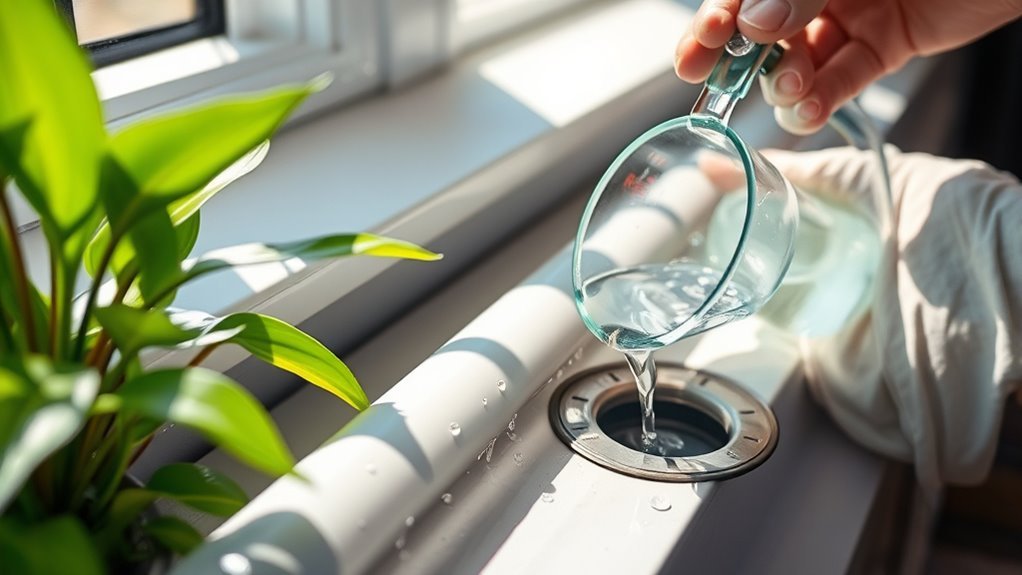
To clean your AC drain line, you’ll need about a cup of white vinegar mixed with an equal part of water. Pour this solution into the drain line using a funnel, and let it sit for at least 30 minutes to effectively break down clogs and buildup. Afterward, flush the line with cold water to clear any remaining debris. Proper maintenance guarantees peak performance, and there’s more to learn on keeping your AC in top shape.
##
Maintaining your air conditioning (AC) system is crucial for ensuring optimal performance and preventing potential water damage. In this article, we will provide you with effective and practical tips on how to clean your AC drain line using vinegar, a simple yet powerful solution. You’ll learn how its acidity can dissolve build-up and blockages, ensuring smooth drainage while neutralizing odors and preventing mold growth. By the end of this article, you’ll have all the information you need to incorporate this straightforward cleaning method into your routine, enhancing your system’s efficiency and prolonging its lifespan. Get ready to discover how to keep your air conditioning system running at its best and avoid costly repairs!
Preparation For Cleaning
Before you plunge into the cleaning process, it’s crucial to gather the right tools and materials to guarantee a smooth experience. Establish a cleaning schedule that suits your routine; consistency is key to maintaining your AC’s efficiency. You’ll want to have a bottle of white vinegar on hand, as its benefits include breaking down clogs and neutralizing odors. Additionally, a funnel will help you direct the vinegar into the drain line without spills. A wet/dry vacuum can be advantageous for removing any debris. Finally, a flashlight can illuminate dark areas and verify you don’t miss any obstructions. With these preparations in place, you’ll be set for effective cleaning and ideal AC performance. Using natural cleaners like vinegar is part of adopting sustainable cleaning practices that are safer for your home and the environment.
Tools and Chemical Required
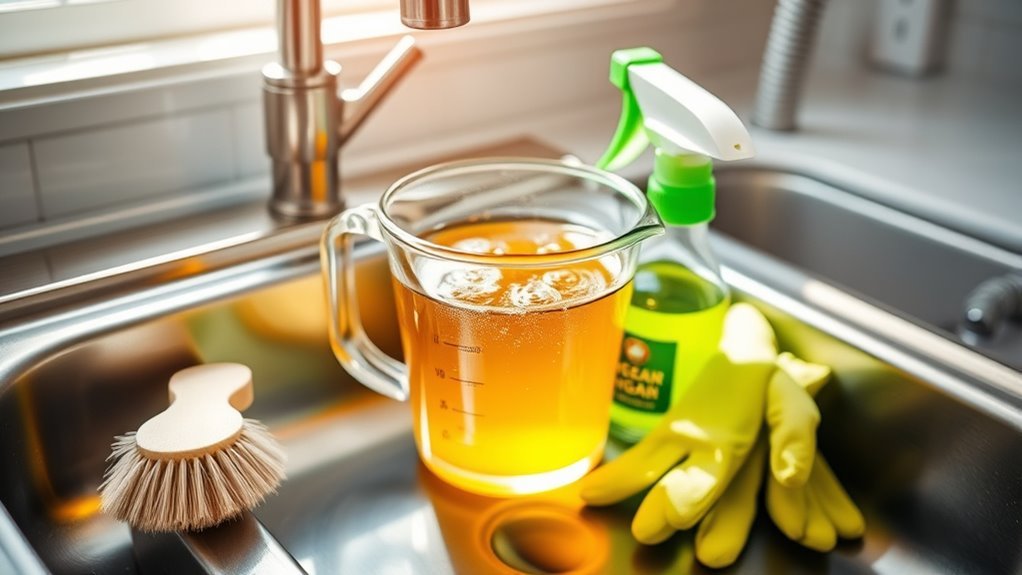
To effectively clean your AC drain line, you’ll need specific tools and chemicals that guarantee thorough maintenance. Here’s a list to get you started:
| Tool/Chemical | Purpose |
|---|---|
| White Vinegar | A common cleaning solution for mold and buildup. |
| Baking Soda | Helps neutralize odors when combined with vinegar. |
| Funnel | Facilitates easy pouring of liquids into the drain line. |
| Wet/Dry Vacuum | Useful for removing debris and excess liquid. |
Using various vinegar types, such as apple cider vinegar or distilled vinegar, can enhance your cleaning solutions. Regular use of baking soda and vinegar can help in preventing stubborn blockages and maintaining a fresh drain line.
How to Clean:
How to Clean Your AC Drain Line
Cleaning your AC drain line is essential for maintaining the efficiency of your air conditioning system. Follow this detailed step-by-step guide to ensure a thorough cleaning process.
Step 1: Gather Necessary Tools and Materials
- Tools Required:
- Screwdriver (if needed for access panel)
- Wet/dry vacuum (optional)
- Materials Required:
- White vinegar
- Water
- Bucket
- Funnel (optional)
Step 2: Locate the Drain Line Access Point
- Identify the Access Point:
- Look for a T-shaped vent or a PVC pipe connected to your air conditioning unit.
- This is typically located near your indoor AC unit or air handler.
Step 3: Prepare the Vinegar Solution
- Mix the Solution:
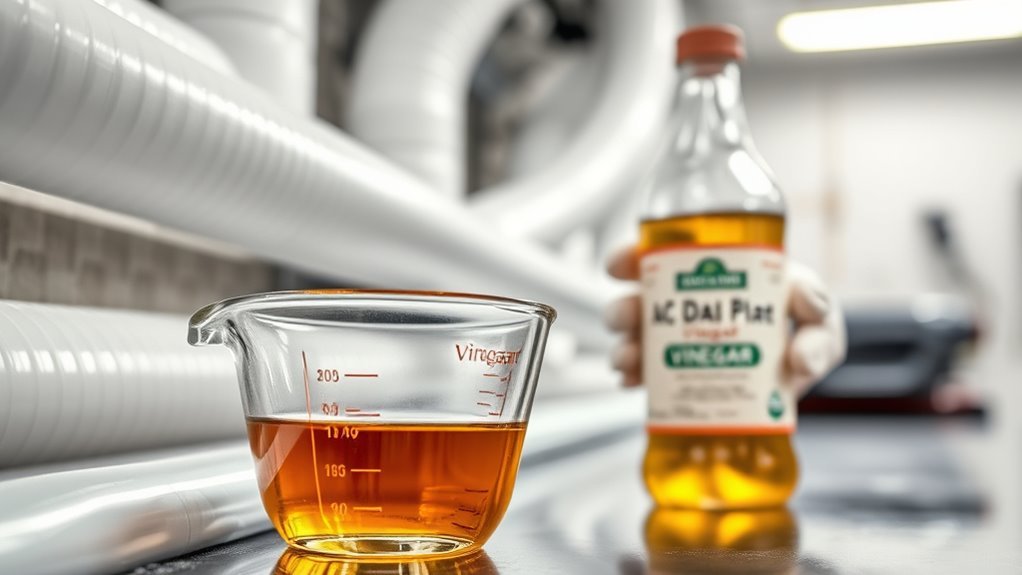
- Combine equal parts of water and white vinegar in a bowl or bucket.
- Use one cup of each for effective cleaning.
Step 4: Pour the Vinegar Solution into the Drain Line
- Pouring the Solution:
- Use a funnel for easier pouring if the access point is narrow.
- Carefully pour one cup of the vinegar solution into the drain line.
Step 5: Allow the Solution to Sit
- Waiting Period:
- Let the vinegar solution sit in the drain line for about 30 minutes.
- This waiting period allows the vinegar to break down clogs and prevent algae buildup.
Step 6: Flush the Drain Line with Cold Water
- Rinsing the Line:
- After 30 minutes, flush the drain line with cold water.
- You can do this by pouring cold water directly into the access point or using a wet/dry vacuum to suck out any remaining debris.
Step 7: Check for Proper Drainage
- Testing the Drain Line:
- Observe if the water drains freely from the line.
- If there are still clogs, you may need to repeat the vinegar solution process or consider additional cleaning methods.
Step 8: Regular Maintenance
- Schedule Regular Cleaning:
- To maintain your AC’s efficiency, repeat this cleaning process every few months.
- Regular maintenance will help prevent clogs and prolong the lifespan of your air conditioning system.
Safety Consideration

While cleaning your AC drain line can be straightforward, it’s crucial to prioritize safety throughout the process. Start by wearing appropriate protective gear, such as gloves and goggles, to shield yourself from potential irritants. Vinegar is generally safe, but when mixed with other substances, it can cause harmful chemical reactions. Make certain the area is well-ventilated to avoid inhaling any fumes. Additionally, be cautious when handling tools and equipment, as improper use can lead to accidents. Always disconnect power to your AC unit before beginning any maintenance work. By taking these precautions, you can enjoy the freedom of effectively cleaning your AC drain line without compromising your safety. Stay aware, and respect the materials you’re working with.
Tips to keep clean for long time
Once you’ve confirmed your safety and cleaned your AC drain line, maintaining its cleanliness over time becomes important. Implementing a routine of preventive maintenance is key. Regular inspections can help you identify potential issues before they escalate. Check your drain line monthly for any clogs or debris accumulation. Using a mixture of vinegar and water every few months can further prevent buildup. Verify that the area around your unit is free from leaves and dirt, as these can obstruct airflow and encourage mold growth. Additionally, consider installing a drain pan with a float switch; this can alert you to any water accumulation. By prioritizing these practices, you’ll keep your AC drain line functioning efficiently and extend its lifespan. Additionally, using eco-friendly sprays can help maintain cleanliness while reducing water usage.
Frequently Asked Questions
Can I Use White Vinegar Instead of Apple Cider Vinegar?
Yes, you can use white vinegar instead of apple cider vinegar. For instance, a homeowner found that using white vinegar effectively cleared their clogged drain line, showcasing white vinegar’s benefits like antibacterial properties and its ability to dissolve mineral buildup. In an apple cider comparison, while both types of vinegar are acidic, white vinegar is typically more potent for cleaning tasks. So, you’ve got a solid alternative in white vinegar for your cleaning needs.
How Often Should I Clean My AC Drain Line?
You should clean your AC drain line at least once every six months as part of regular maintenance. This cleaning frequency helps prevent clogs and promotes efficient operation. You can also check it quarterly, especially during peak usage seasons. Regular maintenance tips include flushing the line with vinegar and water to remove any buildup. Keeping the drain line clear guarantees your system runs smoothly and prolongs its lifespan, giving you peace of mind.
What Are Signs of a Clogged AC Drain Line?
If you notice water pooling near your AC unit or hear gurgling sounds, those could be clogged symptoms indicating drainage issues. You might also see increased humidity levels in your home or experience reduced cooling efficiency. Additionally, if your system starts to drip water from the unit itself, it’s a clear sign that the drain line may be obstructed. Addressing these issues promptly can help maintain your AC’s performance and longevity.
Is Vinegar Safe for All Types of AC Units?
Yes, vinegar’s generally safe for most AC unit types, including central and window units. Its effectiveness in breaking down algae and mold makes it a popular choice for maintenance. However, avoid using vinegar in units with delicate components, especially those with aluminum coils, as it can cause corrosion over time. Always test a small area first, and follow your manufacturer’s guidelines to guarantee you’re not compromising your AC unit’s performance.
Can I Mix Vinegar With Other Cleaning Agents?
You shouldn’t mix vinegar with other cleaning agents, as vinegar reactions can create harmful fumes or reduce effectiveness. For instance, combining vinegar with bleach produces toxic chlorine gas. If you want to enhance cleaning, stick to using vinegar alone or with water. Always prioritize safety and effectiveness in your cleaning routine. If you’re uncertain about a combination, it’s best to consult product labels or experts to avoid any dangerous interactions.