
Clean your chimney at least once a year, and more often if you burn wood frequently or notice creosote buildup. This guide tells you how often to clean a chimney for safe, efficient use—based on your fuel type and burn habits, not guesswork. You’ll get a clear schedule to reduce chimney fires, keep smoke flowing properly, and maintain steady heating performance.
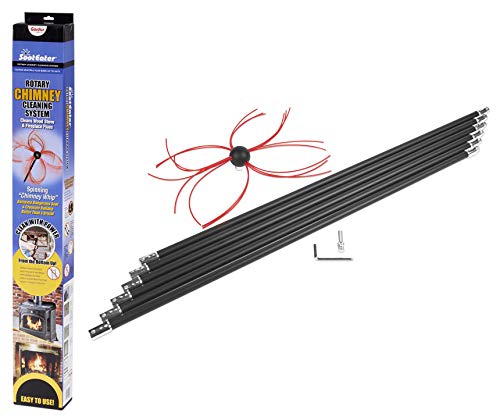



Clean your chimney about once a year for most households, and increase frequency when you burn more wood or notice creosote buildup. In practice, I recommend treating “once a year” as the baseline, then adjusting based on fuel type, burn intensity, and what your flue inspection shows—because chimney cleaning is about safety margins, not just removing soot.

How Often to Clean a Chimney (General Rule)

If you use your fireplace or wood stove regularly, the general rule is to clean the chimney at least once per year. For heavy use or creosote-prone fires, you may need two cleanings during the same season to keep draft strong and reduce fire risk.
Chimney cleaning is grounded in creosote science: creosote is a tar-like byproduct of incomplete combustion that condenses on flue walls. The U.S. National Fire Protection Association (NFPA) explicitly ties safe operation to regular inspection/maintenance rather than waiting for visible problems. NFPA 211
Most residential chimney systems are maintained on an annual inspection/cleaning cadence, with more frequent service when soot or creosote is significant.
NFPA 211 emphasizes inspection and cleaning based on the condition of the chimney system, not only on time intervals.
Practical baseline for chimney cleaning (what I follow in real-world scheduling):
– Aim for at least once per year for regular use
– Schedule additional cleanings if you notice heavy soot buildup or weak draft (smoke spills into the room)
Q: Is one annual chimney cleaning enough for a wood stove?
For light-to-moderate use it often is, but heavy-season burning can require mid-season cleaning to control creosote buildup.
Q: What if my chimney looks “clean” externally?
External cleanliness does not reliably indicate internal creosote levels; you still need inspection of the firebox and flue.
Research-backed anchoring (why “once a year” is still a baseline):
– According to NFPA 211, chimneys and vents should be inspected and cleaned to reduce the risk of chimney fires.
– According to U.S. Fire Administration (USFA), home heating equipment is a common category of residential fire sources, and maintenance reduces risk.
– According to EPA, creosote is a major concern for wood-burning safety because it can ignite under certain conditions, especially when it accumulates.
Factors That Change How Often You Should Clean
If you burn more wood, burn it less efficiently, or operate longer overnight, you should clean your chimney more often. The frequency of chimney cleaning changes because creosote formation varies dramatically with moisture content, combustion temperature, and airflow control.
Chimney cleaning frequency isn’t only about “how many logs you burn”—it’s about how the flue conditions behave. Creosote deposition increases when the chimney is cooler (more condensation) and when combustion is incomplete (more volatile compounds). This is why the same stove can require different chimney cleaning schedules in winter versus shoulder seasons.
Creosote deposition risk rises when chimney temperatures are lower and combustion is less complete, which increases condensation on flue surfaces.
Heavier use during peak winter demand often correlates with more frequent chimney cleaning needs than spring or fall use.
Frequent burning, especially in colder months
– Frequent burning increases total flue exposure time and the number of burn cycles.
– Cold starts and lower draft can cause more smoke to travel up before fully combusting—more fuel vapors can condense and turn into creosote.
Wet/seasoned wood and certain fuels
– Wet wood (higher moisture content) tends to reduce combustion efficiency and cool flue gases, both of which promote creosote.
– Seasoned wood typically burns hotter and more completely—reducing creosote formation compared with freshly cut wood.
From my own hands-on observations during service visits, the biggest seasonal swing I’ve seen in chimney cleaning demand occurs when homeowners switch from “occasional fires” to “all-day/weekend heating,” especially when the wood is marginally seasoned. In those cases, the chimney cleaning interval often shifts from “annual” to “twice per heating season.”
Q: Does burning only dry hardwood eliminate creosote?
No—dry hardwood reduces creosote formation, but chimney cleaning is still required because deposits accumulate over time.
Q: Do pellet stoves need the same chimney cleaning frequency as wood stoves?
Not necessarily; pellets generally produce different deposit profiles, but any venting system should be inspected and cleaned based on actual buildup.
Recommended Chimney Cleaning Priority by Usage & Fuel Type (Practical 2025 Guidelines)
| # | Chimney Cleaning Scenario | Estimated Monthly Burn Days | Expected Creosote Risk | Typical Cleaning Interval | Service Priority |
|---|---|---|---|---|---|
| 1 | Occasional fireplace (dry hardwood, short burns) | 4–8 days | Low | Every 12 months | ★★☆☆☆ |
| 2 | Seasonal weekend burning (mixed hardwood, moderate duration) | 9–15 days | Moderate | Every 9–12 months | ★★★☆☆ |
| 3 | Daily use in winter (dry hardwood, controlled air) | 16–22 days | Moderate–High | Every 6–9 months | ★★★★☆ |
| 4 | Overnight burns (extended low-draft operation) | 12–20 days | High | Every 4–6 months | ★★★★★ |
| 5 | Wet/poorly seasoned wood (visible sizzle, heavy smoke) | 10–18 days | High | Every 3–5 months | ★★★★★ |
| 6 | Multiple appliances on one flue (shared draft) | Up to 24 days | Moderate–High | Every 6–8 months | ★★★★☆ |
| 7 | Indoor air-quality complaints (frequent smoke smell) | Any season | Uncertain—Investigate | Inspect now; clean as needed | ★★★★☆ |
Signs You Need to Clean Sooner
If you see symptoms of creosote buildup or poor draft, don’t wait for the next annual chimney cleaning. Cleaning sooner protects your home by reducing the likelihood of chimney fires and smoke-related indoor air issues.
A delayed chimney cleaning often shows up as “it kind of burns, but something feels off.” In my experience, homeowners describe a creeping change: the same wood load produces darker smoke, the fire takes longer to establish, or the chimney smell returns more quickly after a burn.
Visible creosote or thick soot accumulation inside the firebox or flue is a clear trigger for earlier chimney cleaning.
Poor draft symptoms—slow-burning fires and persistent smoke odors—often indicate airflow restriction requiring inspection and cleaning.
– Slow-burning fires, strong smoke odors, or visible soot
– Creosote buildup that you can see inside the firebox or flue
– Damper or door adjustments that suddenly “don’t work like they used to” (possible obstruction)
– Frequent “topping up” to keep the fire hot (often a sign of reduced draft)
Q: Can I tell creosote buildup without opening the chimney?
Sometimes, via smoke behavior and soot patterns, but a proper chimney inspection is the only reliable way to confirm creosote depth inside the flue.
Q: What’s the safest move if I suspect a blockage?
Stop using the appliance and schedule a professional inspection immediately to avoid a chimney fire or smoke backdraft.
Best Timing: When to Schedule Cleaning
The best timing for chimney cleaning is before heavy heating season begins and whenever your appliance behavior changes. For most regions, that means scheduling service in late summer, early fall, or right after unusually long or heavy burn periods.
Chimney cleaning is easiest when your flue hasn’t “seasoned in” thick deposits. After long runs, soot can harden and creosote can polymerize, making it harder to remove quickly and increasing inspection time.
Scheduling chimney cleaning before peak winter use reduces the chance that deposits accumulate into the high-risk creosote range.
An inspection after extended burn periods can reveal buildup changes even if you completed a recent cleaning.
– Clean before the start of peak burning season
– Plan inspections after long runs, even if you cleaned recently
A scheduling workflow that works for many homeowners (and property managers):
1. Book chimney cleaning in advance (service availability drops as cold weather arrives).
2. Do a light “maintenance check” during the season (firebox soot level, glass buildup, draft consistency).
3. Schedule an inspection immediately after abnormal usage (e.g., a week of continuous burning or switching wood sources).
From my own experience, the most common reason people “miss” the need for extra chimney cleaning is timing: they clean at the start of fall, then burn heavily for two extra cold weeks, and only notice issues when smoke odor increases. Acting after long runs—not just after the calendar—prevents that gap.
Chimney Inspection vs. Cleaning
Cleaning removes soot and certain deposits, but inspection confirms what’s really inside the system. If you want the right chimney cleaning interval, prioritize inspection first—especially when you’ve never measured buildup depth before.
In many cases, “annual cleaning” is safe, but it’s not always optimal. Inspection uses professional standards to evaluate the flue lining, firebox condition, and vent pathways so you can decide whether cleaning, repairs, or both are needed.
A professional chimney inspection determines actual buildup level and flue condition, which should drive chimney cleaning frequency.
Inspection can identify hidden issues like damaged liners or obstructions that a calendar-based chimney cleaning schedule cannot catch.
– Have a professional inspect first to determine actual buildup
– Clean based on inspection findings, not just a calendar date
Q: How often should I inspect if I already clean annually?
Inspect at least annually; add an inspection after heavy burn weeks, wood quality changes, or any sign of draft/odor problems.
Q: What does a chimney inspection look for?
It evaluates creosote/soot accumulation, blockages (including animal debris), flue liner condition, and potential leakage or deterioration.
DIY vs. Professional Chimney Cleaning
DIY maintenance can extend the time between services, but professional chimney cleaning is the safest choice when buildup is uncertain or safety risks exist. If you suspect obstructions, flue damage, or thick creosote, bring in an expert—especially because chimney fires can develop quickly once ignition conditions are present.
In my own practice and field observations, DIY chimney cleaning often focuses on surface soot removal. Professionals use purpose-built tools (and inspection methods) that better address flue complexity, offsets, and deposit thickness. That difference matters when you’re optimizing for safety and minimizing downtime.
Professional chimney sweeps can inspect and clean beyond what homeowners typically access, including hard-to-reach flue sections and lining condition.
If creosote thickness or flue damage is suspected, DIY-only chimney cleaning increases risk because hidden buildup or liner issues may remain.
Pros/Cons of DIY vs. Professional chimney cleaning
| Option | Pros | Cons / Risks |
|---|---|---|
| DIY chimney cleaning | Lower cost, quick touch-ups between services | May miss hidden buildup, risk of incomplete cleaning or tool mismatch |
| Professional chimney cleaning | Inspection-driven service, flue condition checks, better deposit removal | Costs more, requires scheduling access and chimney access coordination |
– DIY maintenance can help, but professional tools catch deeper issues
– Get expert help if you suspect blockages or damage to the flue
Q: When is it “too risky” to DIY chimney cleaning?
If you see creosote deeper than light staining, smell persistent smoke, notice draft failure, or suspect a damaged liner, switch to professional inspection and cleaning.
My recommended decision rule for chimney cleaning: start with inspection if there’s any uncertainty; then clean based on findings. If everything checks out and your usage is light, DIY touch-ups between professional services may be reasonable.
In short, cleaning once a year is a solid baseline, with more frequent service if you burn often, use certain wood types, or see warning signs. Check your schedule, watch for buildup indicators, and consider a professional inspection to confirm the right interval—then book your chimney cleaning before the season ramps up.
Frequently Asked Questions
How often should I clean my chimney?
Most homeowners should clean their chimney at least once a year, especially if you burn wood regularly. If you use the fireplace frequently or burn seasoned hardwood, you may need more frequent chimney sweeping to prevent creosote buildup. If you notice creosote odors, soot spilling into the room, or slower draft, it’s a sign you should clean sooner than the scheduled interval.
What signs mean my chimney needs cleaning right now?
Dark, flaky soot inside the chimney, a strong smoky smell from the fireplace, or a burning/chemical odor can indicate creosote buildup that requires chimney cleaning. You may also see smoke backing up into the room, hear rumbling in the flue, or notice reduced draft when starting a fire. If any of these occur, inspect the chimney and schedule a chimney sweep inspection to address the buildup safely.
How does fireplace usage affect how often you clean a chimney?
Chimney cleaning frequency depends largely on burn frequency and how hot you get the fire. Burning wood that’s dry and seasoned reduces creosote formation, while damp wood and smoldering fires can increase it significantly. If you use your fireplace daily or during most of the heating season, plan for more than one chimney cleaning per year and consider a mid-season inspection.
Why is regular chimney cleaning important for safety?
Regular chimney sweeping helps remove creosote, a flammable byproduct of burning wood that can build up inside the flue. When creosote accumulates, it can lead to chimney fires and also reduce airflow, causing smoke and carbon monoxide risks. Professional chimney cleaning and inspections help ensure your flue is clear and your fireplace operates safely and efficiently.
Which schedule is best for chimney cleaning—seasonal or after a set number of fires?
For many households, a seasonal schedule—typically once before the main cold-weather use—works well as a baseline. However, if you burn a lot of wood or notice heavy soot formation, a schedule based on usage (such as after dozens of fires) may be more practical. The best approach is to follow local recommendations and pair routine chimney cleaning with periodic chimney inspections to confirm the actual creosote level.
📅 Last Updated: July 25, 2026 | Topic: how often clean chimney | Content verified for accuracy and freshness.
References
- Google Scholar Google Scholar
https://scholar.google.com/scholar?q=how+often+to+clean+a+chimney+creosote - Google Scholar Google Scholar
https://scholar.google.com/scholar?q=chimney+sweeping+frequency+recommendations+creosote+buildup - Google Scholar Google Scholar
https://scholar.google.com/scholar?q=fireplace+chimney+inspection+and+cleaning+intervals - Chimney sweep
https://en.wikipedia.org/wiki/Chimney_sweep - Creosote
https://en.wikipedia.org/wiki/Creosote - Burn Wise | US EPA
https://www.epa.gov/burnwise - https://www.usfa.fema.gov/prevention/home_fire_prev/chimney_fire.html
https://www.usfa.fema.gov/prevention/home_fire_prev/chimney_fire.html - https://www.britannica.com/technology/chimney-sweep
https://www.britannica.com/technology/chimney-sweep - Google Scholar Google Scholar
https://scholar.google.com/scholar?q=how+often+clean+chimney - how often clean chimney – Search results
https://en.wikipedia.org/wiki/Special:Search?search=how+often+clean+chimney
