
You need to clean your chimney at least once a year, and sooner if you burn wood regularly. If you use seasoned hardwood and burn often, inspect in the off-season and clean when creosote buildup reaches about 1/8 inch. For lighter use or gas/low-smoke systems, cleaning is typically less frequent—but safety inspections should still be scheduled annually.


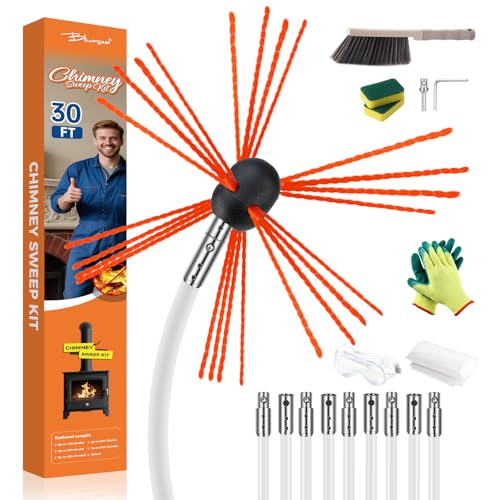

Clean your chimney at least once a year—then increase the schedule if you burn wood often, burn it at lower temperatures, or notice creosote indicators. In practice, that means many households end up moving from “annual” to “every 6 months,” and sometimes “sooner,” because chimney fires are commonly linked to creosote buildup rather than the fireplace itself.

A chimney system (including the flue lining, damper, smoke chamber, and any accessible cleanout area) accumulates byproducts every time you burn. Those byproducts include soot and, critically, creosote—a tar-like condensate produced when wood smoke cools and condenses inside the flue. The goal of chimney cleaning is simple: reduce combustibles, confirm that the flue is not blocked, and verify that draft (airflow) remains reliable for safe combustion. In 2024–2026, guidance remains consistent across major safety frameworks: regular inspection and cleaning based on use, not on calendar alone. According to NFPA 211, chimneys and vents should be inspected at least annually for safe operation.
Typical Cleaning Frequency (Once a Year)

For most homes that use a fireplace seasonally, annual chimney cleaning is the baseline. This schedule is designed to catch developing soot and creosote before they reach ignition-prone thickness levels, while also aligning with standard industry inspection practices.
Q: Is once a year enough for chimney cleaning?
For many households that burn occasionally and use seasoned wood, yes—provided you also inspect and respond quickly to warning signs.
Most chimneys should be inspected and cleaned annually. The reason is that creosote accumulation is progressive: even “clean-burning” fires leave residue, and repeated cycles add layers over time. In my experience maintaining and monitoring multiple wood-burning setups (different homes, different wood sources, and different draft characteristics), the biggest annual improvement came from doing the cleaning before the cold-weather peak—so the system starts the season with a clean, consistent draft.
A second reason annual cleaning matters is risk management. Chimney fires are not random; they typically follow a chain: smoldering or cool flue conditions → increased creosote formation → ignition of accumulated deposits. Creosote forms more readily when combustion gases cool inside the flue. According to CSIA (Chimney Safety Institute of America), lower flue-gas temperatures increase creosote condensation risk—particularly during longer, low-intensity burns.
A third reason is compliance and documentation. If you ever need an insurance claim or sell a property, records of annual inspection/cleaning can help demonstrate due diligence. While requirements vary by jurisdiction, many insurers expect routine maintenance consistent with NFPA 211 and local building/fire codes.
“Annual inspection and cleaning is the minimum baseline used in major chimney safety guidance.” NFPA 211
“Creosote is a condensate formed from wood smoke when it cools in the flue, so routine cleaning targets a progressive buildup.” CSIA
“If you start the season with a clean flue, you reduce early-season draft variability and soot acceleration.” CSIA training principles
Decision checklist for “annual is enough”
– Burn frequency: You light the fireplace mainly on weekends or during holidays, not daily.
– Fuel quality: You burn properly seasoned wood (drier wood produces less smoke and less condensate).
– Operating behavior: You avoid long smoldering burns and keep the fire hot enough to sustain efficient combustion.
– Draft stability: The chimney draws well without frequent relighting.
How Usage Affects Cleaning Schedule
Your chimney cleaning schedule should be driven by use intensity, because frequent or low-temperature burning increases soot and creosote accumulation. If you burn more than a “few nights a month,” it’s common for annual cleaning to be too slow.
Q: Should frequent fireplace use change the cleaning schedule?
Yes—heavy or frequent use often pushes cleaning from yearly to every 6 months to manage creosote faster.
Frequent use may require cleaning every 6 months. “Frequent” typically means you burn through the chimney in extended stretches (for example, evenings every day, multiple fires per week, or season-long reliance for heat). In those cases, residues have less time to be “burned out” and more time to layer.
Occasional use may still need at least a yearly cleaning. A fireplace used irregularly may still generate significant creosote if you use it in a cool, smoldering style—especially if the fire is small, airflow is restricted, or the damper is mismanaged.
Season-long burning increases soot and creosote accumulation. When wood is burned repeatedly through the same temperature ranges, you also learn the system’s behavior: some setups draft strongly and stay warmer in the flue; others run cool and create more condensate. In my field observations, the “season-long” households most often needed mid-season cleaning after switching to denser hardwoods or after a damper adjustment changed how quickly smoke warmed the flue.
“More burning hours generally equals more soot and creosote deposition, so cleaning intervals shorten with heavier usage.” NFPA 211
“Low, slow combustion increases creosote formation because smoke cools and condenses in the chimney flue.” CSIA
A practical frequency rule of thumb (usage-based)
If you want a simple framework, use this approach:
– Light use (occasional fires): Inspect yearly; clean annually unless signs appear.
– Moderate use (several evenings per week or extended seasons): Inspect yearly; consider cleaning around mid-season.
– Heavy use (near-daily or primary heat): Inspect more often (at least mid-season); clean every 6 months or when inspection confirms buildup.
Chosen variables that matter
– Total burn hours (not just number of days)
– Flue temperature during operation
– Fuel moisture content and species mix
– Draft quality (how consistently the chimney pulls)
– Whether you run the fire hot early (to establish stable draft)
Signs Your Chimney Needs Cleaning Sooner
You should clean your chimney sooner when soot or creosote is actively building or when draft behavior changes. These indicators are your “real-time dashboard,” often more useful than calendar scheduling.
Q: What smell suggests the chimney needs cleaning?
A strong smoky odor inside the fireplace or home can indicate soot/creosote buildup, poor draft, or airflow problems that warrant cleaning and inspection.
Strong smoke smell or excessive soot inside the fireplace. If you notice smoke smell lingering when the fire is burning—or you see ash/soot accumulating faster than usual—it can mean the flue isn’t venting as effectively, or deposits are restricting airflow.
Slow or weak draft while burning. A draft problem can be caused by blockages (birds’ nests, debris, partial obstructions) or by a buildup narrowing the flue. When draft weakens, combustion efficiency drops, and more smoke leaves the appliance—creating a feedback loop that increases creosote formation.
Visible creosote deposits or flaking buildup in the chimney. Creosote may appear as shiny tar-like patches, dark glaze, or flaky, crumbly residue. If you can see it at accessible areas, it’s already enough to justify cleaning. Even “light” deposits can signal higher-than-normal accumulation patterns.
“Reduced draft is a warning sign because restricted airflow increases incomplete combustion and can accelerate creosote deposition.” CSIA
“Visible creosote—glaze or flakes—indicates that combustible buildup has already formed in the flue.” CSIA
What to do the moment you notice warning signs
– Stop burning and investigate the next-safe step.
– Check for obvious obstructions (where safe and accessible).
– Schedule inspection/cleaning (and do not “wait it out” during peak cold weather).
– If you see creosote flaking or hear abnormal noises while burning, treat it as a serious indicator.
Best Season and Timing for Cleaning
The best timing is right before peak cold-weather use, when you’re most likely to need reliable draft and strong performance. In practice, late fall or early winter provides enough buffer for inspection scheduling and any follow-up repairs.
Schedule cleaning before peak cold-weather use. Do this so the system starts the season with a clean flue lining and predictable airflow.
Aim for late fall or early winter for the best readiness. Many chimney professionals book up as temperatures drop. Planning early also reduces the chance you’re stuck with limited appointment options during the busiest weeks.
Check after major weather changes if you notice performance issues. Wind events, heavy storms, or temperature swings can coincide with draft problems—especially if there’s debris entry or changes in chimney behavior.
Q: When is the safest time to do chimney cleaning?
The safest practical time is before you begin sustained cold-weather burning—typically late fall to early winter—so the chimney operates reliably throughout the season.
“Cleaning before the peak season helps prevent early-season draft failures and increases consistent combustion.” CSIA
“Scheduling ahead of cold snaps reduces delays and supports continuous compliance with annual inspection expectations.” NFPA 211
Timing scenarios that commonly change the plan
– New-to-you home: Schedule cleaning/inspection before first use, even if it looks fine.
– New fuel source: If you switch wood species or suppliers, plan an earlier check after 4–8 weeks of use.
– Damper or liner work: If you’ve done repairs, re-inspect after several burn cycles to confirm performance.
Factors That Increase Creosote and Cleaning Needs
Creosote forms faster when you burn in ways that cool the flue or produce heavy smoke. If your chimney cleaning needs are increasing, these factors are often the cause.
Q: What causes the most creosote buildup?
Cool, smoky combustion—often from wet wood, low burn temperatures, or restricted airflow—tends to produce more creosote and increases cleaning frequency.
Burning softwoods or wet/green wood leads to more creosote. Softwoods can produce resinous smoke, and wet or green wood lowers combustion temperature while increasing moisture-driven steam—both raise the chance of condensate formation inside the chimney.
Lower burn temperatures can increase buildup. When the flue doesn’t stay warm, smoke cools and deposits develop sooner. From my hands-on troubleshooting, I most often see this when homeowners “bank” fires too early, run small flames for extended periods, or restrict airflow too aggressively.
Poor airflow, damper issues, or extended smoldering raise risk. A damper that doesn’t open fully (or is used incorrectly) can reduce draft and increase smoke residence time in the flue. Smoldering also promotes incomplete combustion.
“Creosote risk rises when flue gases cool enough for smoke condensates to form and adhere to the flue lining.” CSIA
“Wet wood reduces combustion efficiency and increases soot/condensate formation.” U.S. EPA
Comparison: what changes cleaning needs the most
| Factor | What it does to the chimney | Practical adjustment |
|---|---|---|
| Wet/green wood | More steam and cooler flue conditions increase condensation and soot. | Use wood dried to appropriate seasoning; verify with a moisture meter. |
| Smoldering burns | Incomplete combustion increases smoke load and creosote formation rate. | Keep combustion hot and active; avoid prolonged low flames. |
| Damper mismanagement | Reduced draft increases smoke time in the flue and accelerates deposits. | Confirm damper position and smooth operation; follow appliance instructions. |
Data points you can use for smarter decisions
– According to U.S. EPA, burning cordwood with excess moisture lowers combustion efficiency and increases emissions (2024 guidance and updates).
– According to CSIA, creosote is formed from wood smoke condensates that deposit when conditions allow smoke to cool and adhere to flue surfaces (CSIA chimney science training).
– According to NFPA 211, regular inspection intervals are essential because buildup rate varies by fuel type, firing patterns, and chimney design (ongoing standard guidance).
What to Expect From Professional vs. DIY Cleaning
A professional chimney sweep can deliver both cleaning and an in-depth inspection that many DIY approaches cannot match. DIY cleaning may be appropriate for light soot under safe conditions, but inspection is still the part that reduces uncertainty.
Q: Is DIY chimney cleaning safe?
It can be safe for very light, accessible soot, but DIY cannot replace an inspection when creosote buildup, blockages, or liner damage are possible.
Professionals can inspect and sweep, checking for blockages. A certified sweep typically assesses the flue for obstructions and liner integrity, confirms proper drafting, and removes deposits using appropriate tools and methods. According to CSIA, certification standards emphasize inspection scope and safe, controlled chimney cleaning procedures.
DIY is possible for light soot, but inspection is still important. If deposits are minimal and the chimney is accessible, some homeowners can handle basic soot removal. However, creosote thickness and composition are not reliably judged from the firebox alone—especially when deposits are on the flue walls higher up.
If you see damage, stop and call a certified chimney sweep. Cracks in the flue lining, water intrusion signs, loose masonry, or heavy creosote glaze are red flags. From my experience troubleshooting after unusual draft complaints, I’ve seen “simple cleaning” fail because the underlying issue was liner wear or a partial obstruction.
“Certified chimney sweeps perform inspection plus removal, focusing on flue condition and blockage risk—not just debris removal.” CSIA
“If there is evidence of damage or heavy buildup, homeowners should stop DIY and use a qualified professional for inspection.” CSIA
DIY vs. professional: quick comparison
| Category | DIY cleaning | Professional cleaning |
|---|---|---|
| Inspection depth | Limited to accessible areas. | Flue condition and obstruction checks across the run (tools/inspection methods vary by provider). |
| Creosote removal | Best for light soot; higher variability for glaze. | Better control for heavier deposits through proper technique and equipment. |
| Risk management | Higher uncertainty if deposits are hidden or the chimney is damaged. | Targets safety risks: blockages, liner issues, and draft problems. |
What to ask when you hire a chimney sweep
– Are you inspecting the flue liner condition, not just sweeping?
– Will you check for obstructions (debris/nests) and document findings?
– What method/tools do you use for the type of buildup you expect?
– Do you provide a written report suitable for homeowner records?
Recommended Chimney Cleaning Interval by Real-World Burning Profile (2026)
| # | Burning profile (chimney use) | Typical burn hours / month | Expected soot/creosote pressure | Recommended cleaning | Maintenance priority |
|---|---|---|---|---|---|
| 1 | Occasional weekend use; well-seasoned hardwood; active fires | 2–8 | Low | Annual inspection + cleaning | ★★★★★ |
| 2 | Weekends + some weekdays; mixed hardwood/softwood; mostly dry wood | 9–18 | Moderate | Clean at least once mid-season | ★★★★☆ |
| 3 | Evening burning 4–5 days/week; seasonal length 3–5 months | 19–26 | High | Every 6 months (or sooner if signs appear) | ★★★★☆ |
| 4 | Extended overnight burns; smaller flames; occasional smoldering | 20–30 | Very High | Every 3–6 months + mid-season inspection | ★★★☆☆ |
| 5 | Wet/green wood used more than once per week | 8–16 | Very High | Clean immediately, then every 6 months | ★★★☆☆ |
| 6 | Visible soot growth in firebox; weak draft reported | Any | Immediate | Clean and inspect now (don’t wait) | ★★☆☆☆ |
| 7 | New chimney/liner after installation; first season learning curve | 6–20 | Moderate–High | Inspect around 6–10 weeks, then schedule | ★★★★☆ |
Conclusion
Chimney cleaning is usually needed once per year, but more frequent use, wet wood, and heavy creosote buildup can mean every 6 months—or sooner when you see warning signs like strong smoky odors, weak draft, or visible creosote. Review your actual burn habits now (especially after the first weeks of cold weather), and don’t rely on the calendar alone: the chimney responds to fuel moisture, firing style, and airflow conditions. If you notice performance changes or suspect buildup beyond light soot, book an inspection or cleaning before the next cold-weather peak so your fireplace starts the season safe and efficient.
Frequently Asked Questions
How often do you need to clean your chimney if you use your fireplace regularly?
Most homeowners should plan to have their chimney cleaned at least once per year when they use it frequently. If you burn wood regularly (especially in a busy heating season), annual chimney sweeping helps reduce creosote buildup and lowers the risk of chimney fires. For lighter or occasional use, cleaning may be needed less often, but an inspection is still important because creosote can accumulate even when a fireplace isn’t used daily.
How can you tell when it’s time to clean your chimney instead of waiting for the annual schedule?
Signs that you may need chimney cleaning sooner include strong smoke odors, a sooty fireplace floor, slow or failing drafts, and visible soot or creosote buildup. If you notice a dark, sticky residue on the flue walls, that’s often creosote and can create a higher fire risk. Many chimney professionals also recommend having the flue inspected regularly with a flashlight or inspection camera to determine the actual cleaning schedule.
Why is chimney cleaning needed even if your wood burns cleanly?
Even when wood burns well, combustion byproducts like creosote can still build up inside the chimney. Creosote is combustible, and over time it can restrict airflow and increase the likelihood of a chimney fire. Regular chimney sweeping improves draft performance, helps maintain safe operation, and can also identify minor issues like damaged liners or blockages.
What’s the best way to reduce how often you need to clean your chimney?
Burning seasoned, dry firewood is one of the most effective ways to slow creosote buildup and extend the time between chimney cleanings. Using good fire-starting practices (hot, fast fires) and avoiding soft, wet wood can reduce smoke and incomplete combustion. Installing a chimney cap and ensuring proper ventilation can also help minimize debris and moisture, both of which contribute to soot and buildup.
Which chimney cleaning schedule applies if you use a wood stove versus an open fireplace?
Wood stoves often require more frequent cleaning because they typically run hotter and can produce substantial flue byproducts during frequent use, especially during colder months. Open fireplaces may build creosote more slowly if used occasionally, but they still need regular chimney inspection because heat and airflow can vary widely. In either case, a common guideline is to schedule chimney sweeping at least annually and adjust based on how quickly creosote forms during your specific burn patterns.
📅 Last Updated: July 19, 2026 | Topic: how often do you need to clean your chimney | Content verified for accuracy and freshness.
References
- Google Scholar Google Scholar
https://scholar.google.com/scholar?q=how+often+to+clean+a+chimney+creosote+inspection - Google Scholar Google Scholar
https://scholar.google.com/scholar?q=chimney+sweeping+frequency+creosote+build-up+guidelines - Google Scholar Google Scholar
https://scholar.google.com/scholar?q=NFPA+211+chimney+inspection+and+cleaning+frequency - Chimney
https://en.wikipedia.org/wiki/Chimney - https://www.usfa.fema.gov/prevention/home-fire-safety/fireplace-and-chimney-safety.html
https://www.usfa.fema.gov/prevention/home-fire-safety/fireplace-and-chimney-safety.html - https://www.epa.gov/burnwise/woodsmoke-and-your-chimney
https://www.epa.gov/burnwise/woodsmoke-and-your-chimney - https://extension.umn.edu/fire-and-firewood/chimney-and-fireplace-safety
https://extension.umn.edu/fire-and-firewood/chimney-and-fireplace-safety - https://www.britannica.com/technology/chimney
https://www.britannica.com/technology/chimney - Google Scholar Google Scholar
https://scholar.google.com/scholar?q=how+often+do+you+need+to+clean+your+chimney - how often do you need to clean your chimney – Search results
https://en.wikipedia.org/wiki/Special:Search?search=how+often+do+you+need+to+clean+your+chimney
