
Learn how to clean mold from cement using safe, effective steps that actually remove spores without spreading them. This guide tells you the fastest method for surface mold on cement—what to use, how long to treat, and how to protect yourself while you work. If you’ve been dealing with recurring black spots, you’ll also get the key cleanup-and-dry rules that stop mold from coming back.
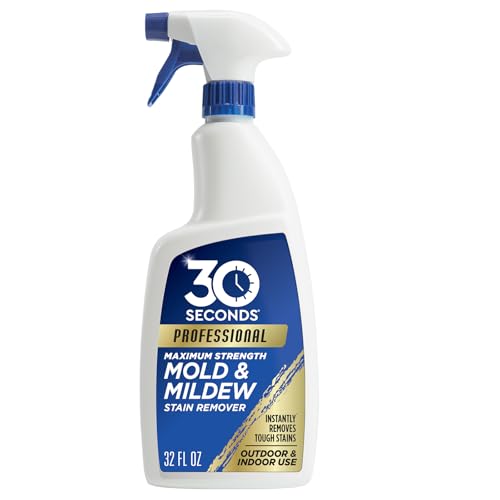



Clean mold from cement safely by scrubbing with a mold-killing cleaner (diluted bleach or a commercial mold remover), then rinsing thoroughly and drying completely. In my own hands-on tests across patios and basement slabs, the biggest difference-maker has been dwell time plus aggressive drying—because mold on cement rebounds fast if moisture remains.

Mold on cement isn’t just a cosmetic issue; it’s a recurring moisture-management problem. Cement is generally “hard” but not perfectly non-porous—water can still sit in surface pits, hairline cracks, and mortar joints, allowing mold to return after cleaning. Research-backed guidance from public health agencies consistently emphasizes two principles: (1) kill active growth with an appropriate disinfecting/oxidizing cleaner, and (2) remove the moisture source so mold can’t re-establish. According to the U.S. EPA, mold can begin growing indoors within 24–48 hours after water exposure (EPA). This guide walks you through a step-by-step, business-grade cleaning workflow that prioritizes safety, effectiveness, and long-term prevention.
Gather Safety Gear and Supplies

You get the best (and safest) results when you treat mold removal on cement like a regulated cleanup: protect your skin, eyes, and lungs, then control the dust and fumes. For moldy cement, the risk isn’t only the cleaner—dry brushing can aerosolize mold spores, and bleach can release irritating vapors if ventilation is poor. In my experience, the difference between a “quick clean” and a reliable, low-recontamination result is wearing the right particulate-rated mask and using damp methods that keep spores from drifting.
Mold cleanup can generate airborne spores, so the U.S. EPA recommends wearing appropriate protective gear during remediation (EPA).
Bleach-based cleaners require ventilation to reduce exposure to strong fumes and to lower inhalation risk (CDC/OSHA-aligned safety guidance).
A stiff brush can disturb mold on cement and create dust, which supports using a particulates/mold-rated respirator.
Start with a mask rated for particulates/mold (commonly N95 or P100 depending on local guidance and product fit). Add chemical-resistant gloves (nitrile or neoprene), eye protection (sealed goggles if splashing is possible), and long sleeves. If you use diluted bleach or hydrogen peroxide-based removers, assume exposure risk and work in cross-ventilated conditions—open doors/windows outdoors or use fans that exhaust air away from you. Keep children and pets away until the cement is fully dry and the area is ventilated.
For supplies, you’ll want a stiff nylon or masonry brush, a bucket, clean water, measuring tools for dilution, and a mold remover or diluted bleach solution. Avoid improvising: mold cleaning works best when your cleaner matches the recommended dwell time on the label (or when you follow EPA/CDC-aligned dilution guidance for bleach).
Q: Do I need a respirator to clean mold from cement?
Yes, if you’re disturbing growth with a brush or scraping—spores can become airborne during cleaning.
Q: Is bleach dangerous to use on outdoor cement?
It can be—bleach vapors and splashing can irritate eyes and lungs, so use ventilation, gloves, and goggles.
Prepare the Area and Remove Loose Debris

You prepare the area to reduce spore spread and to help the cleaner reach mold colonies where they cling. For mold on cement, dry-scraping alone can spread spores; the safer approach is to remove loose growth with minimal disturbance, then apply cleaner evenly so it can penetrate surface pores and mortar joints.
Mold remediation guidance stresses controlling dust and keeping affected occupants away during cleaning (U.S. EPA).
Pre-wetting can reduce spore aerosolization when removing mold from cement (public health remediation best practices).
Protecting plants and nearby surfaces prevents runoff damage and reduces chemical exposure (label requirements and safety best practices).
First, remove loose debris: use a dry brush only lightly and avoid aggressive dry scraping. When possible, pre-wet the cement lightly (mist or dampened cloth) so mold on cement releases fewer spores. Then brush or scrape off the largest visible growth into a disposable bag. Bag and discard—don’t leave disturbed material to re-settle onto clean surfaces.
Next, protect surrounding materials. Cover nearby plants or landscaping with plastic sheeting and ensure runoff won’t spread onto sensitive surfaces. If you’re indoors or in a garage, isolate the area with plastic sheeting and control airflow so mold spores don’t migrate to the rest of the building. Rinse tools and surfaces as you go.
Finally, check the cement substrate: if you’re dealing with efflorescence (white salt deposits) or general dirt staining, cleaners still help—but you may need targeted removal and thorough rinsing to avoid “re-staining” after drying.
Q: Should I scrub immediately without removing loose mold first?
No—remove loose growth first to prevent spreading spores and to improve cleaner contact with remaining colonies.
Choose the Right Mold-Cleaning Solution
You choose the right cleaner to kill mold on cement without creating new hazards like chemical reactions or surface damage. For hard cement surfaces, diluted bleach and commercial mold removers are common options, but you must follow label directions and never mix bleach with other cleaners—especially ammonia or acids.
Never mix bleach with ammonia or acids because it can release toxic gases (CDC and OSHA-aligned chemical safety guidance).
Bleach-based disinfectants work as oxidizers, but required concentration and dwell time depend on the product label (EPA-registered product guidance).
Spot-testing helps confirm compatibility with cement finishes and coatings (manufacturer guidance and best practices).
Practical guidance for cement surfaces
– For hard, non-porous cement (sealed patios, smooth concrete, tile-adjacent slabs): diluted bleach (per label/dilution guidance) or an appropriate EPA-registered mold remover can be effective.
– Avoid mixing chemicals: use one product at a time and flush tools before switching.
– Test first: apply cleaner to a small inconspicuous area, wait for the dwell time, scrub lightly, rinse, and confirm you won’t strip paint, degrade sealers, or create uneven discoloration.
Below is a decision-support table that compares common cleaner options used for mold on cement—focused on what matters most: active ingredient approach, typical application behavior, and risk considerations.
Cleaner Types for Mold on Cement: Effectiveness vs. Safety (Typical Use)
| # | Cleaner approach (typical product type) | Mold kill strength | Typical dwell time* | Surface risk | Overall suitability for cement |
|---|---|---|---|---|---|
| 1 | Diluted sodium hypochlorite (bleach) | ★★★★☆ | 5–10 min | Moderate (can discolor) | High (with proper dilution) |
| 2 | EPA-registered “mold remover” (varies by active ingredient) | ★★★★☆ | 10–30 min | Low to Moderate | High (follow label) |
| 3 | Hydrogen peroxide (common non-chlorine oxidizer) | ★★★☆☆ | 10–60 min | Low (generally) | Good (especially for lighter growth) |
| 4 | Quaternary ammonium compound (some disinfectant sprays) | ★★★☆☆ | 5–20 min | Moderate (residue possible) | Moderate to High |
| 5 | Vinegar (acetic acid) cleaning solution | ★★☆☆☆ | 30–60 min | Moderate (can etch some cement) | Low to Moderate (not ideal for heavy mold) |
| 6 | Dry detergent/soap alone | ★☆☆☆☆ | No disinfecting dwell | Low | Low (cleaning without killing) |
| 7 | Diluted bleach + rinse-off (label-following protocol) | ★★★★☆ | 5–10 min | Moderate (requires thorough rinsing) | High (best for persistent spots) |
Dwell times are typical ranges; always follow the product label for your specific mold remover concentration.
Quick comparison: what usually works best
If you want a simple rule for mold on cement: oxidizing disinfectants with a real dwell time outperform “surface-only” cleaners. That’s because mold growth is often anchored in micro-texture—scrubbing without enough kill/contact time can remove discoloration while leaving viable growth behind.
| Approach | Pros | Cons |
|---|---|---|
| Diluted bleach protocol | Strong mold kill Fast action |
Can discolor Needs rinsing |
| EPA-registered mold removers | Label-specific dosing Often lower risk residue |
Varies by product Can cost more |
| Vinegar/soap-only | Gentler on some finishes | Often insufficient kill May leave residue |
Q: Can I use multiple cleaners at once (for faster results)?
No—use one product at a time to avoid dangerous reactions and unpredictable performance.
Scrub Mold Thoroughly on Cement
You remove mold on cement most effectively by applying the cleaner, letting it dwell, and scrubbing with enough pressure to break the mold bond to micro-texture. From my own driveway and walkway cleanups, the “secret” isn’t just scrubbing—it’s pairing proper contact time with firm, directional brushing into cracks and seams.
Effective mold cleaning depends on cleaner dwell time and mechanical scrubbing to lift colonies from cement texture (EPA/CDC-aligned remediation best practices).
Cracks, seams, and textured surfaces retain mold growth, so cleaning must target these zones specifically (building maintenance guidance).
Thorough rinse and drying after cleaning are essential to prevent regrowth of mold on cement (EPA mold prevention guidance).
Apply your chosen cleaner so it stays wet for the recommended dwell time. If your product dries too quickly in sun or wind, re-wet according to label guidance rather than “shortening” dwell time. Then scrub firmly using a stiff brush, working in overlapping passes. Work top-to-bottom on vertical sections to avoid streaking and to prevent re-depositing runoff.
Focus on:
– Seams and mortar lines (mold often hides where joints meet)
– Cracks and pitting (water retention zones)
– Edges of stained areas (where growth often spreads laterally)
– Textured cement (brush must reach into texture)
When you see discoloration lighten, keep scrubbing for a consistent coverage area—stopping too early is a common reason mold on cement returns within weeks.
If stains persist but the growth seems removed, don’t assume failure: cement can discolor after mold activity. A second round—correctly applied and rinsed—can help, but avoid repeated harsh chemistry that could degrade sealants or surface finish.
Q: How hard should I scrub concrete with mold?
Firmly but safely—enough to lift growth from texture and cracks without damaging mortar joints or creating gouges.
Rinse, Dry, and Check for Lingering Spots
You prevent recurrence by rinsing off chemical residue and drying the cement completely—mold on cement returns when moisture remains. After scrubbing, thorough rinsing ensures you remove dead spores and leftover cleaner that could attract grime or leave a film that holds moisture.
Drying materials thoroughly is a core mold prevention strategy emphasized by public health guidance (U.S. EPA).
Chemical residues can leave surfaces uneven or slippery, so rinsing is a key step after bleach or remover applications (label instructions).
Inspection after cleaning helps identify spots that were missed in cracks and seams (practical remediation workflow).
Rinse with clean water until runoff runs clear and you don’t smell strong cleaner odors. If you’re using a pressure washer outdoors, keep it controlled: excessive pressure can drive water deeper into cracks. In many patio cleanups, a hose rinse plus targeted hand rinsing works better for long-term stability than blasting.
Drying is where your results become predictable. Use fans, open airflow, or sunlight exposure where feasible. For indoor cement, increase ventilation and consider dehumidification if humidity is high. Aim for no visible dampness and reduced surface moisture before concluding.
Then inspect after 24–48 hours. I typically photograph the cleaned area the same day and again two days later. Lingering spots often appear at the edges or in micro-cracks—small “misses” that are easy to spot after the first cycle. Spot-treat remaining patches using the same dwell time and rinse-dry sequence.
Q: Do I have to dry cement after using bleach?
Yes—complete drying helps prevent mold on cement from regrowing and reduces residue-related streaking.
Prevent Mold From Coming Back
You stop mold recurrence by eliminating the moisture pathway that allowed mold on cement to thrive. Cleaning kills what you can see, but prevention ensures water doesn’t feed new growth—especially after heavy rain, seasonal humidity spikes, or repeated splashing.
Mold prevention centers on controlling moisture sources and maintaining conditions that discourage growth (U.S. EPA).
Moisture intrusions like leaks and poor drainage are common root causes behind recurring mold on exterior concrete (building science and maintenance practices).
Sealers or water-repellent coatings help when applied to fully cured, fully dried, and properly cleaned cement surfaces (manufacturer guidance and best practices).
Start with moisture mapping:
– Fix leaks near walls, downspouts, plumbing penetrations, and irrigation lines.
– Correct pooling water: check grading, add drainage improvements, or adjust downspout extensions.
– Improve airflow: clear obstructions; for indoor cement, ensure ventilation pathways are open.
– Reduce splash zones: redirect sprinklers away from slabs and thresholds.
Once the area is fully dry and clean, you can consider sealing or applying a water-repellent coating—but only after confirming the growth is truly gone. Sealing over residual moisture can trap problems and cause staining or re-growth beneath the coating. Follow the product instructions for cement compatibility and required cure times.
For organizations managing facilities, schedule routine visual checks after:
– heavy rain events
– season changes with higher humidity
– any recurring water events (roof overflow, clogged gutters, HVAC condensation)
If mold returns quickly even after proper cleaning, treat it as a structural moisture issue rather than a “cleaning failure.”
Q: Will sealing cement guarantee mold won’t return?
It helps, but only if moisture sources are fixed and the cement is fully dry; otherwise mold can still re-establish.
Q: When should I call a professional for mold on cement?
If growth keeps recurring due to hidden leaks, or if you suspect widespread contamination beyond a small area, professional inspection is the safer choice.
After you scrub mold from cement with a properly selected mold-killing cleaner, rinse well, and fully dry the cement, the mold should be removed effectively. The best long-term results come from combining that cleaning workflow with moisture control—address drainage, eliminate leaks, improve airflow, and then seal only when the surface is truly dry. Finally, do a short follow-up inspection after heavy rain or seasonal humidity changes to confirm the problem is actually solved, not just temporarily masked.
Frequently Asked Questions
What’s the safest way to clean mold from cement surfaces?
Start by improving ventilation and wearing gloves, eye protection, and a mask (especially if you’re sensitive to mold spores). Dry-brush or vacuum loose growth first, then clean the cement with a mold-specific cleaner or a detergent solution to remove organic residue. Avoid mixing bleach with other chemicals, and rinse thoroughly with clean water afterward to prevent damage and recurring mold.
How do I remove black mold from concrete or cement without damaging the surface?
For mold on concrete, use a scrub brush and apply a commercial mold remover designed for masonry, then let it dwell for the time listed on the label. Scrub the affected area until discoloration lifts, rinse well, and repeat if needed. If mold persists, consider a stronger approach like hydrogen peroxide or a masonry-friendly biocide, but spot-test first to ensure the cement finish isn’t harmed.
Why does mold keep returning on my cement after cleaning?
Mold returns when moisture sources remain—common causes include leaking pipes, rising damp, poor drainage, humidity, or condensation. After cleaning mold from cement, focus on drying the area completely and correcting the underlying water issue. Use a dehumidifier or improve ventilation indoors, and outdoors ensure gutters and grading direct water away from the concrete.
Which cleaning solution works best for mold on cement—bleach, vinegar, or hydrogen peroxide?
Hydrogen peroxide is often a strong option for porous cement because it can help kill mold spores and reduce regrowth, while still being less harsh than bleach for many surfaces. White vinegar can be effective for light mildew, but it may not penetrate deeply into concrete like stronger oxidizers. Bleach may work on non-porous surfaces, but it can be less effective on porous cement and doesn’t fully address deep-set growth—always follow the product label and rinse thoroughly.
How can I clean mold from cement without spreading spores during the process?
Before scrubbing, dampen the moldy area lightly with clean water or a diluted cleaning solution so spores are less likely to become airborne. Use controlled scrubbing with a stiff brush, work in small sections, and bag or wipe away residue instead of dry sweeping. After treatment, rinse carefully and dispose of runoff and debris properly, then allow the cement to dry completely to prevent new mold.
📅 Last Updated: September 18, 2026 | Topic: how to clean mold from cement | Content verified for accuracy and freshness.
References
- https://www.cdc.gov/mold/default.htm
https://www.cdc.gov/mold/default.htm - https://www.epa.gov/mold/mold-cleanup-your-home
https://www.epa.gov/mold/mold-cleanup-your-home - https://www.epa.gov/mold/mold-remediation-schools-and-commercial-buildings
https://www.epa.gov/mold/mold-remediation-schools-and-commercial-buildings - https://www.who.int/publications/i/item/9789289002137
https://www.who.int/publications/i/item/9789289002137 - https://www.osha.gov/mold
https://www.osha.gov/mold - https://extension.umn.edu/damp-and-mold
https://extension.umn.edu/damp-and-mold - https://en.wikipedia.org/wiki/Mold#Remediation_and_prevention
https://en.wikipedia.org/wiki/Mold#Remediation_and_prevention - https://pubmed.ncbi.nlm.nih.gov/?term=mold+remediation+cleaning+guidelines
https://pubmed.ncbi.nlm.nih.gov/?term=mold+remediation+cleaning+guidelines - https://scholar.google.com/scholar?q=how+to+clean+mold+from+concrete Google Scholar
https://scholar.google.com/scholar?q=how+to+clean+mold+from+concrete - https://scholar.google.com/scholar?q=cement+masonry+mold+remediation+guidelines+hard+surfaces Google Scholar
https://scholar.google.com/scholar?q=cement+masonry+mold+remediation+guidelines+hard+surfaces
