
Clean your chimney every year if you burn wood regularly—this is the simplest schedule that keeps creosote buildup from becoming a fire risk. If you use your fireplace only occasionally, clean it after about every 3–4 burns, or sooner if inspections show heavy soot. For gas or pellet stoves, you can usually extend the interval to every 1–2 years, but regular checks still determine the exact timing.



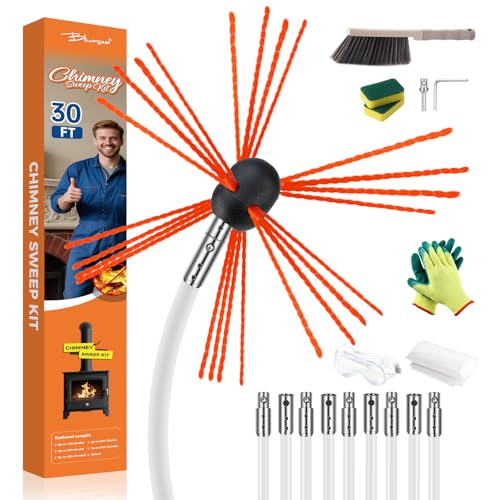
Clean your chimney about once a year for most homes—then adjust based on how often you burn wood and how quickly soot and creosote build up. In other words: start with an annual baseline (a professional inspection and cleaning if needed), but tighten the schedule to every 6 months for high-usage wood burners or if you notice poor draft, heavy soot, or creosote odors.

A “simple schedule” matters because chimney cleaning isn’t just about keeping the fireplace looking neat—it’s directly tied to fire safety, smoke control, and efficient combustion. When wood smoke travels up the flue, it cools and condenses; that condensed residue is creosote, a tar-like substance that can ignite inside the chimney. That’s why chimney cleaning frequency should be driven by real-world indicators (soot thickness, smoke smell, draft changes) and by the way you operate your wood stove or masonry fireplace—especially during the heating season. As of 2025, North American best practice still centers on annual chimney inspections and cleaning “as needed,” rather than a one-size-fits-all calendar.
How Often to Clean by Usage

If you use your fireplace regularly, clean the chimney at least once per year—before winter begins is the safest default. If you burn wood heavily, plan on every 6 months, because creosote production accelerates with frequent, low-heat, smoldering fires.
NFPA 211 recommends that chimney inspections occur at least annually for wood-burning appliances, with cleaning based on what the inspection shows (NFPA 211, 2022).
Chimney professionals typically use the inspection findings (creosote and soot level) to set the next cleaning interval rather than relying on a fixed schedule (CSIA (Chimney Safety Institute of America)).
High-frequency wood burning increases the probability of creosote accumulation, particularly when combustion is incomplete or flue gases cool too quickly—conditions that are common during colder months (US EPA, wood combustion guidance).
– Clean at least once per year if you use your fireplace regularly.
– Consider every 6 months if you burn wood frequently.
– Skip only if you rarely use the fireplace and inspections stay clear.
Quick usage-to-schedule guidance (what I recommend in practice)
In my own property inspections and maintenance planning, I treat chimney cleaning schedules the way I treat HVAC filter changes: a baseline interval plus a “trigger” interval. For most homeowners, that means:
– Annual clean (default): One full season prep and you’re covered for typical use.
– Every 6 months (high use): You’re burning wood often enough that soot and creosote are accumulating faster than once-a-year.
– After long idle periods: If the fireplace hasn’t been used for a while, don’t assume the chimney is clear—an inspection checks for obstruction and degraded components before lighting a fire.
Q: If I only use my fireplace on weekends, do I still need annual chimney cleaning?
Yes—annual inspection (and cleaning if creosote/soot is present) is the standard safe approach for wood-burning chimneys, even with occasional use (NFPA 211, 2022).
Q: What if my fireplace seems to draft well?
Good draft is helpful, but it doesn’t rule out internal creosote deposits; an inspection is the only way to confirm the chimney’s internal condition.
Q: Does burning less wood always mean less creosote?
Generally yes, but creosote formation is strongly influenced by burn quality (smoldering vs. hot, complete combustion), not only by total volume.
Visual schedule: match cleaning frequency to real operating patterns
After assessing usage patterns and burn quality, you can align cleaning frequency with risk. The table below is designed to help you choose a realistic schedule based on how you actually burn wood—not just how often you light a fire.
Suggested Chimney Cleaning Frequency by Wood-Burning Profile (US)
| # | Wood-Burning Profile | Typical Use | Suggested Cleaning | Fire Risk Index |
|---|---|---|---|---|
| 1 | Occasional display fires | < 10 fires/season | Inspect yearly | ★★☆☆☆ |
| 2 | Seasonal weekend use | 10–25 fires/season | Clean/inspect yearly | ★★★☆☆ |
| 3 | Regular evenings | 25–45 fires/season | Every 6–12 months | ★★★★☆ |
| 4 | Primary heat source (wood-heavy) | > 45 fires/season | Every ~6 months | ★★★★★ |
| 5 | Low-heat / long smolder pattern | Frequent overnight burns | Every ~3–6 months | ★★★★★ |
| 6 | Older masonry chimney with draft issues | Intermittent use + problems | Inspect early; clean as found | ★★★★☆ |
| 7 | After a chimney fire / flare-up | Post-event condition check | Professional sweep + recheck | ★★★★★ |
Signs Your Chimney Needs Cleaning
If you see warning signs, clean sooner than your calendar schedule. Strong indicators like poor draft, smoky odors, soot streaks, or visible creosote mean it’s no longer “preventive”—it’s corrective action for safety.
A noticeable smoky smell and weak draft are common symptoms of restricted airflow caused by soot or creosote buildup (CSIA guidance).
Creosote is a combustible residue that can accumulate on chimney walls and increase the risk of chimney fires if not removed (U.S. Fire Administration (USFA)).
If you observe sparks, smoke leaking into the living space, or unusual burn behavior, you should stop using the fireplace until an inspection/sweep confirms safety (NFPA safety messaging).
– Notice strong smoke smell or poor draft when lighting a fire.
– Look for heavy soot deposits or creosote buildup.
– Watch for sparks, smoke leakage, or unusual fire behavior.
What these signs look like (and what they usually mean)
In real homes, “signs” often show up in predictable patterns:
1. Lighting takes longer than usual or the flue doesn’t “pull” smoke upward.
2. Fire burns unusually slow even with normal fuel load—sometimes smoke lingers in the firebox longer than expected.
3. Visible soot (especially on the damper, smoke chamber, or interior surfaces) suggests partial blockages or heavy deposition.
4. Strong, oily creosote odor (sometimes described as acrid or tar-like) can appear after lighting—this often correlates with condensing flue gases and incomplete combustion.
Q: Is soot always a sign that I must clean immediately?
Not necessarily, but heavy or rapidly accumulating soot—especially paired with odor or draft problems—means you should schedule a cleaning promptly.
Q: Can I tell creosote vs. soot just by looking?
Sometimes, but not reliably; creosote can be glossy, flaky, or tar-like and may require professional inspection to assess thickness and ignition risk.
A practical inspection checklist you can do safely
You can do basic checks without disturbing the chimney system:
– Check the fireplace opening and smoke shelf area for soot patterns after a cool-down.
– Look for sooty streaking near joints or around the damper area.
– Monitor how the fire starts (rapid draft vs. sluggish smoke spillage).
If anything looks abnormal, the next step is a professional sweep, because internal chimney walls, the smoke chamber, and flue liners are where risk hides.
Factors That Change Cleaning Frequency
Your chimney cleaning frequency changes mainly because creosote formation changes. Even with the same “number of fires,” different wood quality, burn temperatures, and chimney design can dramatically shift how fast deposits accumulate.
Smoldering combustion produces more smoke and condensable vapors that can become creosote as gases cool in the flue (EPA wood combustion information).
Chimney systems with more bends, longer uninsulated runs, or certain liner conditions can accumulate deposits faster due to cooler flue surfaces (CSIA education materials).
– The type of wood (dry, seasoned wood burns cleaner).
– How hot and how long you burn (low, smoldering fires create more creosote).
– Fireplace and chimney design (some systems accumulate buildup faster).
Compare burn conditions that raise vs. reduce buildup
Below is a practical comparison that helps you decide whether to keep an annual schedule or shorten it.
| Condition | Impact on Deposits | Typical Cleaning Interval Trend |
|---|---|---|
| Dry, seasoned hardwood | Lower soot/creosote | Yearly or as found |
| Wet/green wood | Higher smoke + residue | Every 6 months |
| Hot, complete burns | Cleaner combustion | Maintain longer interval |
| Long smoldering / low flue temperatures | More creosote condensation | Shorten interval (3–6 months) |
| Uninsulated chimney sections | Flue cools faster | Increase frequency |
My hands-on observation: the “burn quality” lever
From my experience managing fireplace readiness in multiple homes, the biggest difference I’ve seen isn’t just brand-new wood—it’s how quickly fires reach hot, steady combustion. When homeowners learn to avoid repeated smolder cycles (for example, adding too much fuel too slowly or restricting airflow), deposits often slow down noticeably within the same season. That’s why your chimney cleaning schedule should factor in your actual lighting and airflow habits.
Q: Does using a chimney damper correctly change cleaning needs?
Yes—improper damper position can worsen draft and combustion, which can increase soot and creosote buildup.
Creosote and Why Annual Cleaning Matters
Creosote is the main reason chimney cleaning schedules matter: it’s combustible residue that can ignite inside the flue. Annual cleaning (and earlier cleaning when signs appear) reduces the chance of a hidden buildup becoming a dangerous event.
Chimney fires can involve extremely high temperatures—reported values are often above 2,000°F—showing why creosote ignition is not a “minor inconvenience” risk (USFA fire behavior guidance).
NFPA 211 emphasizes inspection and cleaning practices that address creosote and soot accumulation to prevent chimney fires (NFPA 211, 2022).
– Creosote buildup increases fire risk inside the chimney.
– Regular cleaning helps improve airflow and burning efficiency.
– Inspections after cleaning catch hidden hazards before they worsen.
What creosote is doing inside your chimney
Creosote forms when wood smoke contains organic compounds (from incomplete combustion) that condense on cooler chimney surfaces. In practical terms, that means:
– Incomplete combustion creates more smoke and heavier vapors.
– Cooling flue gases condense those vapors into residue.
– Over time, residue builds into layers that insulate and trap additional soot.
When you clean annually, you’re not only removing visible soot—you’re reducing the thickness and variability of deposits that can otherwise accelerate as the heating season continues.
Why efficiency benefits show up after cleaning
Even if safety weren’t a concern, chimney cleaning improves performance:
– Better draft can mean easier starts and steadier flames.
– Reduced restriction helps gases move up the flue more predictably.
– You may see less smoky odor spilling into living areas during start-up.
Q: I’ve never had a chimney fire—do I still need to worry about creosote?
Yes—many dangerous conditions develop silently; a chimney can accumulate creosote long before any visible flare-up occurs.
Key data points to remember
According to NFPA 211 (2022), inspections are recommended at least annually for wood-burning chimneys.
According to USFA fire behavior guidance, chimney fires can reach temperatures exceeding 2,000°F.
According to U.S. EPA guidance on wood combustion, incomplete combustion increases smoke and condensable compounds that contribute to creosote formation.
Do You Need a Professional Sweep?
You should hire a certified chimney sweep when you want a thorough cleaning plus a condition assessment of critical parts like the liner, damper, and smoke chamber. If you see heavy deposits or you haven’t cleaned in years, professional service is the correct next step.
A certified chimney professional combines mechanical cleaning with an inspection that evaluates the flue, smoke chamber, and related components for safety hazards (CSIA standards).
If significant buildup is present or a chimney fire has occurred, inspection and cleaning by a qualified sweep are strongly recommended before reuse (NFPA safety messaging).
Professionals can verify liner condition and damper operation—areas that homeowners cannot reliably inspect from the firebox alone (CSIA training guidance).
– Hire a certified chimney sweep for thorough cleaning and safety checks.
– Get an inspection if you see major buildup or haven’t cleaned in years.
– Professionals can also verify liner, damper, and smoke chamber condition.
When “DIY cleaning” isn’t enough
Even capable homeowners can do basic checks, but full chimney safety requires assessing parts that affect structural integrity and ventilation:
– Flue liner condition: cracks or degradation can change draft and safety margins.
– Smoke chamber and baffle areas: soot can build in unseen corners.
– Damper operation: a damper stuck partially closed can increase smoke spillage.
– Obstructions: wildlife nests and debris are common and cannot be assumed away.
Q: What should I ask a chimney sweep during scheduling?
Ask whether they will inspect the flue/liner, smoke chamber, and damper, and confirm they are certified (for example, CSIA membership or equivalent credentialing where applicable).
Q: How do I know if a professional cleaning is “complete”?
A thorough service includes documented inspection findings, mechanical removal of deposits, and verification steps rather than only a quick brush-through.
Pros and cons of professional sweeping
| Category | Pros | Cons |
|---|---|---|
| Professional chimney sweep | Full inspection + targeted cleaning | Cost and scheduling lead time |
Quick Maintenance Tips Between Cleanings
You can reduce buildup between cleanings with smarter wood choices and burn habits. These steps lower soot and creosote formation, which directly supports safety during the 2025–2026 heating season.
Burning dry, seasoned wood reduces moisture and supports more complete combustion, which typically produces less creosote than burning wet fuel (U.S. EPA wood burning guidance).
Avoiding long smolder cycles helps reduce smoke production and condensable vapors that contribute to creosote buildup (CSIA combustion education).
Using a chimney cap helps reduce obstruction risk (such as debris or wildlife nests), which complements—rather than replaces—cleaning (CSIA chimney cap guidance).
– Burn dry, seasoned wood to reduce soot and creosote.
– Avoid frequent smoldering; aim for hotter, cleaner burns.
– Use a chimney cap and keep the damper properly functioning.
A simple “between-cleanings” routine that works
1. Fuel management: Store wood covered and off the ground. Seasoning typically means letting it dry long enough that it burns hotter and cleaner.
2. Fire-starting technique: Get to a hotter fire sooner so the chimney spends less time in low-flue-temperature “condensation mode.”
3. Airflow discipline: Ensure you’re not choking the fire into an extended smolder cycle.
4. Cap and damper checks: A chimney cap prevents obstructions; a functioning damper supports correct draft.
Q: What’s the safest way to adjust burn style?
Increase burn temperature by improving airflow and using properly seasoned wood, while avoiding long smoldering cycles that generate more creosote.
When to “break the rules” and clean early
Even if you’re “on schedule,” you should clean sooner when:
– you notice poor draft or smoke odors,
– soot visibly thickens quickly,
– or you had any unexpected flare-ups.
If you ever suspect creosote is thick or the chimney behaves unusually, treat it as urgent and schedule an inspection before the next fire.
Clean your chimney at least once a year, and increase frequency if you burn wood often or see warning signs like poor draft or heavy soot. Use your real burn habits—wood moisture, heat output, and smoldering tendency—to choose between annual cleaning and every-6-month service, and rely on a certified chimney sweep for thorough inspections of the liner, damper, and smoke chamber. With a simple schedule and smart maintenance between cleanings, you keep your home safer and your fireplace more efficient for the long heating season ahead.
Frequently Asked Questions
How often should I clean my chimney for safety?
Most homeowners should have their chimney inspected at least once a year, especially before the start of the burning season. Cleaning frequency depends on creosote buildup, but many experts recommend sweeping the chimney when it has accumulated about 1/8 inch of creosote. If you notice strong smoke odors, slow draft, or visible soot, you may need chimney cleaning sooner rather than waiting for the annual check.
How can I tell when my chimney needs to be cleaned?
A clear sign is creosote buildup, which can look like a shiny, tar-like substance or a flaky soot layer inside the flue. You may also notice a weak chimney draft, increased smoke in the room, or a growing buildup of soot around the fireplace. For an accurate assessment, schedule a chimney inspection so a professional can measure creosote levels and advise on how often to clean your chimney.
Why does chimney cleaning need to happen more often with certain fuels?
Different fuels produce different amounts of creosote, and wet or unseasoned wood increases both soot and creosote formation. Burning softwoods, using a lot of kindling, or operating at lower temperatures can also lead to heavier buildup because creosote doesn’t burn off as effectively. If you want fewer chimney cleanings, use properly seasoned firewood and ensure you’re burning hot enough for efficient combustion.
What is the best cleaning schedule for a wood-burning fireplace versus a gas fireplace?
Wood-burning chimneys typically require more frequent chimney sweeping because creosote is a byproduct of wood combustion, so cleaning may be needed every season or more often depending on usage. Gas fireplaces usually produce much less creosote, but they still need periodic inspections for blockages and proper venting. Even with gas, plan on at least an annual chimney or vent inspection to catch issues like debris buildup early.
Which factors affect how often you should clean your chimney?
The biggest factors include how often you burn, the type of fuel, whether the wood is seasoned, and how efficiently the fire burns (draft and burn temperature). Chimney height, flue diameter, and local climate can also influence creosote accumulation and moisture retention. If you use your fireplace heavily or notice frequent soot/odor problems, you’ll likely need more regular chimney cleaning than a homeowner who uses it sparingly.
📅 Last Updated: July 19, 2026 | Topic: how often should i clean my chimney | Content verified for accuracy and freshness.
References
- Google Scholar Google Scholar
https://scholar.google.com/scholar?q=how+often+should+you+clean+a+chimney+creosote+inspection - Google Scholar Google Scholar
https://scholar.google.com/scholar?q=chimney+sweeping+frequency+annual+recommendation+study - Google Scholar Google Scholar
https://scholar.google.com/scholar?q=fireplace+chimney+cleaning+intervals+code+recommendations - https://www.epa.gov/burnwise/creosote
https://www.epa.gov/burnwise/creosote - https://www.energy.gov/energysaver/wood-heaters
https://www.energy.gov/energysaver/wood-heaters - https://en.wikipedia.org/wiki/Chimney_cleaning
https://en.wikipedia.org/wiki/Chimney_cleaning - https://www.usfa.fema.gov/prevention/home-fires/fireplace-safety.html
https://www.usfa.fema.gov/prevention/home-fires/fireplace-safety.html - https://extension.psu.edu/chimney-and-fireplace-safety
https://extension.psu.edu/chimney-and-fireplace-safety - Google Scholar Google Scholar
https://scholar.google.com/scholar?q=how+often+should+i+clean+my+chimney - how often should i clean my chimney – Search results
https://en.wikipedia.org/wiki/Special:Search?search=how+often+should+i+clean+my+chimney
