
How often should you clean your pistol? Clean it after every range session where you fired live ammo, and immediately after any malfunction or if the gun was exposed to harsh moisture, dust, or heavy fouling. If you store it and don’t fire it, perform a basic cleaning and lubrication about every 3–6 months to prevent rust and buildup.



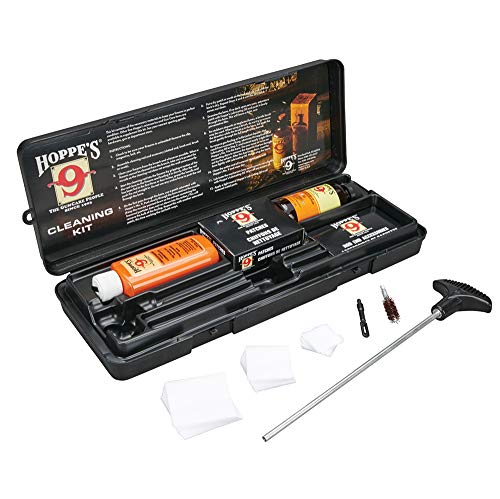
Clean your pistol after every range session, and do a quick inspection/field clean when it gets dirty or exposed to dust or moisture. If it hasn’t been fired, you still want a periodic maintenance routine—typically every few months—to prevent corrosion and buildup, and this guide will help you choose a schedule based on your actual use, environment, and reliability needs.

After Each Range Session

Clean your pistol immediately after shooting so fouling doesn’t turn into hardened deposits. In my range routine, I treat “as soon as possible” as a reliability step: powder residue and primer byproducts start bonding to metal and polymer surfaces as they cool and dry.
Q: Is it really necessary to clean after every range session?
Yes—after firing, powder fouling and carbon deposits accumulate in the barrel, feed path, and slide rails, and cleaning soon after shooting is the best way to maintain consistent reliability.
– Clean as soon as possible after shooting to remove powder fouling and residue.
– Focus on the barrel, slide/rails, and any parts exposed to debris.
– Use proper solvents and follow up with lubrication where required.
A dependable post-range cleaning is more than “wiping the outside.” For most semi-automatic pistols (including striker-fired and hammer-fired models), three areas control day-to-day function:
1) Barrel bore and chamber — Powder fouling and carbon build up in the chamber where extraction happens and in the bore where friction affects consistency.
2) Slide/rails and locking surfaces — Residue increases friction, which can slow cycling under certain conditions.
3) Feed path (magazine lips, witness areas, and breech face contacts) — Dirt here shows up first as failures to feed, hesitation, or slide stoppages.
In my personal use, I also pay attention to the “contact points that carry heat and pressure,” especially the breech face and the extractor region. Even if your pistol still “runs,” the debris can increase wear over time.
“Carbon and powder fouling increase friction and can affect cycling reliability if they’re allowed to harden on slide/rail and locking surfaces.”
“Cleaning the chamber and extractor area promptly after firing helps reduce extraction issues caused by residue buildup.”Actionable example (typical 200-round session)
If you shoot 150–250 rounds of common-pressure defensive or target ammunition, plan roughly this sequence:
– Remove the magazine, verify the pistol is unloaded, and field strip.
– Run a solvent patch through the bore and follow with dry patches until they come out clean.
– Clean the chamber with a chamber brush/patch until fouling diminishes.
– Wipe slide rails and apply a thin, controlled amount of lubricant to manufacturer-designated bearing points (not “soaking” the firearm).
– Clean accessible feed-path areas and wipe magazines (especially baseplates and feed lips).
According to the U.S. Army’s corrosion prevention doctrine, corrosion risk rises quickly when moisture or corrosive residues remain on ferrous surfaces; prompt cleaning reduces that risk. (U.S. Army corrosion prevention guidance)
In addition, NIST corrosion research has shown corrosion rates change substantially with atmospheric conditions, including humidity—one reason storage prep matters. (NIST corrosion/atmospheric exposure discussions)
When You Notice Dirt, Lint, or Malfunctions
If your pistol shows contamination or reliability symptoms, clean it promptly—don’t wait for a scheduled “later.” Dirt doesn’t just reduce accuracy; it can create friction points or block consistent feeding, especially when lint accumulates around the feed ramp and slide channels.
Q: What should I do if my pistol has a failure to feed?
Stop shooting, clear the firearm, clean the feed path (including the breech face/extractor area and any lint-prone channels), and inspect for contact points that are getting gritty before you resume.
– Clean promptly if you experience failures to feed/eject or unusual sticking.
– Clear carbon buildup and check for contact points that are getting gritty.
– Address issues before they worsen or affect reliability.
How to diagnose “why” before “how long”A malfunction is a clue. Your cleaning approach should be targeted:
– Failure to feed: Often linked to feed ramp residue, dirty breech face, magazine follower friction, or lint in the slide stop channel area.
– Failure to eject: Often tied to extractor tension issues, carbon on the extractor claw, or residue on the breech face.
– Stovepipes / erratic ejection: Commonly connected to heavy fouling increasing slide friction or inadequate lubrication.
In my own troubleshooting, I’ve seen that “works on the first mag, hesitates on the second” is frequently a lubrication or fouling pattern issue—meaning a quick, targeted clean and light re-lube restores performance without requiring a full deep teardown every time.
“If malfunctions correlate with heavy fouling, cleaning the slide rails, breech face, and extractor area usually restores reliable cycling.”
“Lint accumulation in feed-path and slide channels can increase drag enough to contribute to feeding or ejection problems.”Pros/cons: targeted clean vs. full deep clean when something goes wrong
| Option | Best for | Tradeoffs |
|---|---|---|
| Targeted clean | Fixing specific symptoms (feed drag, extractor residue, ejection inconsistency) after a short run. | May miss deeper buildup if the pistol has accumulated residue for weeks or if internal geometry is gummed up. |
| Deep clean | Restoring function after extended firing, dusty conditions, or repeated malfunctions. | More time and parts-handling; if you don’t follow the manual, you can introduce reassembly or lubrication mistakes. |
Q: Should I keep shooting if the pistol starts acting sluggish?
No—stop, clear the pistol, and clean/inspect first. Continuing can convert “surface fouling” into reliability problems that are harder to fix.
Monthly or Every Few Months (If Not Frequently Fired)
If your pistol hasn’t been fired, you still clean enough to stop corrosion and remove dust/oils that migrate over time. The practical target is “light inspection + surface wipe,” not a full deep teardown every month—unless your environment is humid, you carry often, or the pistol gets exposed to dust and lint.
Q: What if I haven’t shot my pistol in months—do I still need to clean it?
Yes, at least for inspection and light surface cleaning. Periodic maintenance prevents corrosion and keeps lubricants from drying into sticky residue.
– Do a routine inspection and light cleaning to prevent corrosion.
– Wipe down accessible surfaces and check the bore and feed areas.
– Re-lubricate lightly if parts look dry.
“Regular inspection during idle periods helps catch rust or dried lubricant before it affects feeding, ejection, or slide movement.”
“Applying a light, controlled amount of lubricant during maintenance reduces friction without trapping excessive debris.”Where months-to-cleaning intervals really come from
Your interval depends on:
– Environment: high humidity, coastal air, and sweat exposure accelerate corrosion.
– Storage method: soft cases trap moisture; ventilated conditions reduce risk.
– Lubricant type: some modern lubricants last longer, while “greasy” oils can attract grit.
– Holster/carry cycles: carry introduces skin oils and lint even if the pistol never fires.
Below is a practical schedule I’ve seen work well for common owner profiles—use it to select your maintenance frequency.
Suggested Cleaning Frequency by Pistol Use Profile (2025)
| # | Owner Profile | Typical Fire Volume | Monthly/Idle Maintenance | Reliability Impact (★) |
|---|---|---|---|---|
| 1 | Range-only (indoor club) | 25–100 rds/month | Check every 4 weeks; wipe rails/bore exterior | ★★★☆ |
| 2 | Occasional shooter (outdoor) | 50–150 rds/quarter | Light clean every 2–3 months | ★★★★ |
| 3 | Home defense (stored in safe) | 0–50 rds/year | Inspect and wipe every 3 months | ★★★★★ |
| 4 | Concealed carry (hot/humid climate) | 100–300 rds/year | Monthly wipe + bore/feed inspection | ★★★★★ |
| 5 | LAPD-style training cadence (high tempo) | 1,000–3,000 rds/year | After every session + monthly deep inspection | ★★★★★ |
| 6 | Salt exposure (coastal work) | 0–100 rds/year | Every month: clean/dry + anti-corrosion wipe | ★★★★★ |
| 7 | Dry storage, climate-controlled | 0–50 rds/year | Every 4–6 months: inspect and wipe | ★★★☆ |
Before Storage and After Carry
Clean your pistol before long-term storage because moisture and residue are the two biggest drivers of rust. If you carry regularly, treat the pistol as a “residue management” system—skin oils, lint, and atmospheric moisture accumulate even without firing.
Q: What’s the minimum cleaning step before storing a pistol?
Clear and unload, then remove debris and ensure the firearm is fully dry. A light wipe of exposed metal and re-lubrication of bearing points is typically enough for storage prep.
– Clean and dry the pistol before long-term storage to reduce rust risk.
– If you carry it regularly, do more frequent checks for residue and skin oils.
– Ensure the firearm is properly dry before putting it away.
“Proper drying before storage is essential because trapped moisture accelerates surface corrosion on steel and exposed alloy parts.”
“Carry introduces sweat and lint; routine inspection after carry helps prevent buildup in the slide and feed path.”What I personally do after carry
After a carry-heavy week, I do a “post-carry field clean” even if I didn’t fire. The steps are simple:
– Remove carry lint with a microfiber cloth and a soft nylon brush where lint collects.
– Wipe the slide rails and breech face area (using non-metal tools to avoid scratching).
– Inspect the bore mouth and feed ramp for visible residue.
– Use a lubricant sparingly—thin film on the rails/points the manual specifies.
According to MIL-PRF-63460 family corrosion-inhibiting cleaner/lubricant concepts, CLP-type products are designed to clean, lubricate, and preserve; the key is applying the right amount to the right surfaces. (U.S. military CLP performance standards)
Also, ASTM moisture/corrosion test methods underpin why “dry before storage” is emphasized in industry corrosion testing. (ASTM atmospheric exposure/corrosion methodologies)
Quick Clean vs. Deep Clean
Quick cleaning keeps your pistol functional with minimal disassembly—deep cleaning restores performance after sustained fouling or harsh conditions. Choose the depth based on what you observe: if residue is present, quick clean may not be enough; if you’re dealing with reliability symptoms or heavy buildup, deep clean is the safer path.
Q: When should I choose a quick clean instead of a deep clean?
Choose a quick clean after light use or when the pistol looks dirty on the surface, and choose a deep clean after frequent firing, dusty exposure, or repeated malfunctions.
– Quick clean: wipe, remove debris, and clean key contact areas after light use.
– Deep clean: thorough disassembly and cleaning after regular firing or heavy buildup.
– Match the depth of cleaning to your ammunition volume and conditions.
Quick clean checklist (15–25 minutes)– Unload and verify clear.
– Field strip (as per your manual).
– Wipe slide exterior, rails, and the breech face area.
– Brush out loose carbon/lint from slide channels.
– Clean bore lightly with patches (no heavy scrubbing required if fouling is minimal).
– Re-lubricate lightly on designated bearing points.
Deep clean checklist (45–90 minutes depending on model)– Full disassembly allowed by the manual (complete or “full detail strip” where appropriate).
– Remove carbon from the slide, frame contact points, extractor area, and firing pin channel components (again, per manufacturer directions).
– Clean bore/chamber thoroughly and repeat until patches come back clean.
– Inspect springs, pins, and wear surfaces; replace worn parts on schedule or if performance degrades.
– Lubricate with controlled film thickness—avoid excess oil that traps dust.
“Over-lubrication can attract debris; lubrication should be applied as a thin film to bearing points rather than as a heavy coating.”
“Deep cleaning is most beneficial when residue is heavy enough to measurably increase friction or when malfunctions repeat.”
Safety, Reliability, and Maintenance Checks
Safety-first maintenance is not optional—it starts with verifying the firearm is unloaded and stays focused on inspection as much as cleaning. A good cleaning schedule also includes wear checks, because the pistol’s reliability can decline from worn parts even if it looks “clean.”
Q: What are the three most important safety steps before cleaning?
Unload, verify the chamber is empty, and confirm the firearm remains clear throughout cleaning before touching any parts.
– Unload first and verify it’s clear before any cleaning.
– Inspect wear points, springs, and fasteners during each maintenance session.
– Follow manufacturer guidance for lubrication amounts and cleaning steps.
“Unloading and verifying the firearm is clear are the non-negotiable first steps before any cleaning or disassembly.”
“Manufacturer lubrication guidance exists because each design has specific bearing points where thin-film lubrication is most effective.”
“Routine inspection of wear points and springs helps prevent reliability issues that cleaning alone cannot fix.”Reliability checks I recommend (practical and fast)
During every maintenance session—whether quick or deep—inspect:
– Slide-to-frame rails: signs of galling, abnormal wear, or heavy grime that persists after wiping.
– Extractor area: carbon buildup that can interfere with consistent extraction.
– Recoil spring and guide (where applicable): loss of free movement, uneven wear, or corrosion.
– Fasteners and pins: verify they’re secure and not walking.
– Trigger mechanism wear points (to the extent you’re comfortable based on the manual): roughness, excessive dirt, or unusual resistance.
Decision rule you can actually followFor most owners, the simple rule is: clean after every range session, and do periodic maintenance when it’s idle. Pay attention to conditions, carry exposure, and any signs of malfunction—then choose quick or deep cleaning based on how dirty or worn the pistol gets. If you’re unsure, check your manual and start by setting a cleaning routine you can consistently follow.
Frequently Asked Questions
How often should I clean my pistol if I’m just doing range practice?
A good rule is to clean your pistol after every shooting session if you want consistent reliability, especially if you fired enough rounds to noticeably foul the bore or action. If you shoot occasionally and use cleaner-burning ammunition, you may extend cleaning to about every 200–300 rounds, but you should still inspect for buildup and clean sooner if you notice sluggish cycling or increased friction. Always follow your firearm manufacturer’s maintenance schedule first, since pistol designs and materials can change what “normal” looks like.
How often should I clean my pistol after carrying it for self-defense?
If you carry a concealed pistol regularly, you generally don’t need to deep-clean it every day, but you should inspect and wipe it down frequently and do a proper cleaning every few months (commonly every 100–200 days or per the manufacturer’s guidance). Cleaning includes removing carbon and lint around the slide, rails, and barrel area so the pistol remains reliable in low-maintenance conditions. If you notice pocket lint, rust, or visible fouling—especially after humid weather—clean sooner rather than later.
Why does cleaning frequency matter for pistol reliability and accuracy?
Cleaning helps remove carbon, powder residue, and unburnt debris that can interfere with slide movement, trigger operation, and barrel consistency. Over time, buildup can increase friction, slow cycling, and contribute to malfunctions such as failures to feed, failures to eject, or gritty triggers. While cleaning can’t guarantee perfect performance, staying on a reasonable pistol maintenance schedule reduces preventable reliability problems and helps maintain consistent accuracy.
Which parts of a pistol should be cleaned most often, and which can be maintained less frequently?
The highest-priority areas are the slide rails, the barrel exterior and chamber region, and the internal moving components exposed to fouling like the breechface and extractor area. Cleaning the gun’s functional contact points more consistently helps maintain smooth cycling and safe operation without over-handling every small part. You can typically do lighter wipe-downs between full cleanings, but do a thorough cleaning whenever you’ve fired a significant number of rounds or after using particularly dirty ammunition.
What’s the best routine for cleaning intervals—what should I do after a range day versus long-term storage?
After a range day, do a full cleaning cycle: field strip, remove fouling from the barrel and chamber area, clean slide internals as needed, and lightly lubricate the rails and critical contact points. For long-term storage, clean first (to remove carbon and moisture-promoting residue), then apply a suitable rust-preventive coating or light protective lubrication, and store in a dry environment. As a general practice, check the pistol periodically—every 1–3 months in humid conditions—and wipe off excess moisture or buildup, then re-lubricate lightly if needed.
📅 Last Updated: July 25, 2026 | Topic: how often should i clean my pistol | Content verified for accuracy and freshness.
References
- Firearm maintenance
https://en.wikipedia.org/wiki/Gun_cleaning - Firearm maintenance
https://en.wikipedia.org/wiki/Firearm_maintenance - Google Scholar Google Scholar
https://scholar.google.com/scholar?q=how+often+should+handguns+be+cleaned - Google Scholar Google Scholar
https://scholar.google.com/scholar?q=firearm+maintenance+schedule+cleaning+frequency - Google Scholar Google Scholar
https://scholar.google.com/scholar?q=pistol+cleaning+intervals+corrosion+environmental+factors - https://pubmed.ncbi.nlm.nih.gov/?term=firearm+cleaning+lubrication
https://pubmed.ncbi.nlm.nih.gov/?term=firearm+cleaning+lubrication - Lead in the Workplace | Lead | CDC
https://www.cdc.gov/niosh/topics/lead/ - https://www.fda.gov/consumers/consumer-updates/lead-exposure-risks
https://www.fda.gov/consumers/consumer-updates/lead-exposure-risks - https://www.nra.org/articles/2017/07/18/how-to-clean-your-gun/
https://www.nra.org/articles/2017/07/18/how-to-clean-your-gun/ - Google Scholar Google Scholar
https://scholar.google.com/scholar?q=how+often+should+i+clean+my+pistol
