
Wondering how often you should clean guns? Here’s the direct rule: clean after every shooting session for most owners, and do a quick inspection wipe more regularly for storage readiness. We’ll give you a simple schedule by firearm use, so you know exactly when cleaning is necessary and when it’s overkill.


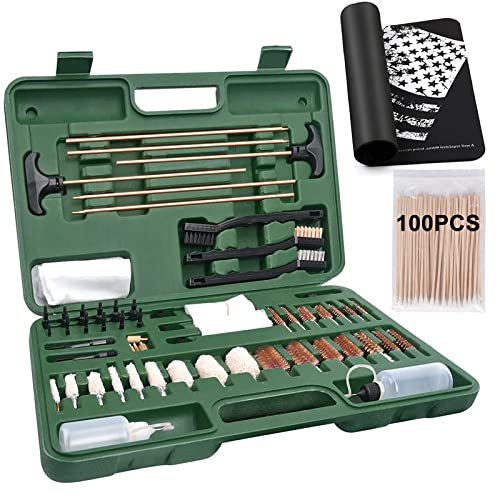

Clean your guns after every use (especially after firing), and do shorter wipe-downs regularly to prevent rust and buildup. If your firearm hasn’t been fired, follow a practical firearm cleaning schedule based on how and where you store it, because humidity and residue accumulation drive the timeline as much as round count.

After Each Use (Range Trips, Carry, and Handling)

Clean your firearm as soon as practical after firing or carrying to prevent fouling and moisture from bonding to metal surfaces. For a reliable firearm cleaning schedule, “soon after use” matters more than “perfectly every time,” because powder residue and condensation are the main early corrosion triggers.
A firearm cleaning schedule starts with the bore and chamber: powder fouling and trapped moisture begin degrading performance quickly after shooting.
After firing, wipe-down and lubrication protect metal parts from corrosion and help ensure consistent feeding and extraction.
Field stripping and focusing on the bolt/slide and chamber first is the fastest way to reduce immediate reliability risks.
When I’m building a firearm cleaning schedule for range sessions, I treat the first minutes after shooting as “damage control.” In my own handling routines, I’ve found that condensation from cool metal meeting warmer air is a frequent culprit—especially in early mornings and colder ranges—so I prioritize a wipe of the action and a bore/chamber check before I worry about anything else. That approach keeps the gun workable while you still have the chance to clean thoroughly later.
What to do first: bore, chamber, and bolt/slide
Start with a quick inspection to guide the cleaning sequence. Powder residue tends to show up first in the bore and chamber, and friction cycling concentrates debris on the bolt/slide, rails, and locking surfaces. A firearm cleaning schedule should therefore follow an “inside-out” order:
– Bore and chamber: Look for visible residue and check whether the chamber area has a heavy, tar-like buildup.
– Bolt/slide and breech face: Verify that extraction surfaces are not packed with carbon.
– Rails and high-contact points: Wipe rails, lugs, and any surfaces that move against each other.
Q: Do I need to clean my gun immediately after shooting?
Yes—clean it as soon as possible after firing to remove fouling and moisture before they accelerate corrosion.
Wipe down high-contact areas after handling
Even if you didn’t fire—like during training, carrying, or dry practice—residue can still accumulate. Sweat, skin oils, and dust are persistent corrosion contributors. For a practical firearm cleaning schedule, do a “maintenance wipe” after handling:
– External metal surfaces (especially near vents, ejection ports, and latch/hinge points)
– Contact points (grip panels, trigger guard exterior, belt-line area)
– Action exterior (wipe the slide/bolt exterior rails)
Q: Should I lubricate everything I wipe?
No—use lubricant sparingly and only where the manufacturer specifies; over-lubing can attract debris and interfere with function.
Routine Maintenance for Unfired Guns

If a firearm hasn’t been fired, you still need periodic attention—just not a full deep-clean after every week. A firearm cleaning schedule for unfired guns emphasizes inspection, light preventive maintenance, and relubing where protective film has degraded.
For unfired firearms, preventive maintenance focuses on protecting surfaces from corrosion rather than removing repeated combustion fouling.
A practical firearm cleaning schedule reduces the risk of “stuck parts” and ensures the lubricant is still performing as intended.
The key shift for an unfired firearm cleaning schedule is that “buildup” comes mostly from environmental exposure (humidity, dust, salt air) and protective-lube aging, not from powder/carbon. From my experience, it’s easy to underestimate how quickly oil film can thin or migrate—especially if the gun is stored in a case that isn’t truly sealed.
Light preventive maintenance beats waiting for a problem
Instead of deep-cleaning on an arbitrary timeline, use a staged approach:
1. Wipe/inspect (remove surface moisture, check for early corrosion)
2. Relube (apply a light protective coat to key friction areas if the surface feels dry)
3. Function check (safe, unloaded checks per manufacturer guidance)
This keeps your firearm cleaning schedule manageable and improves reliability without turning every storage period into a full bench session.
Q: If I never shoot a gun, how often should I clean it?
Clean on a routine schedule based on storage conditions, then do periodic inspection and light wipe/relube to prevent corrosion.
Follow manufacturer guidance when in doubt
Every firearm and lubricant package has a slightly different “operating envelope.” Use your manufacturer’s manual and any lubrication/maintenance notes as the baseline. In my own planning, I treat the manual interval as the minimum for a firearm cleaning schedule, then adjust based on climate and handling frequency.
How Storage Conditions Change the Schedule
Storage conditions are the biggest variable in an unfired firearm cleaning schedule. Humidity, temperature swings, and salt exposure can compress the cleaning timeline dramatically—even when the gun hasn’t been fired.
Humidity and temperature cycling drive condensation, which increases corrosion risk and shortens the time window before cleaning is needed.
Salt exposure accelerates corrosion because chloride ions break down protective oxide layers on steel surfaces.
When I adjust a firearm cleaning schedule for storage, I start by asking a simple question: Is condensation likely? If yes, the schedule gets tighter. In business terms, it’s like preventive maintenance—your goal is to reduce “failure-to-start” events by controlling the environment.
Humid or high-moisture environments
If your safe or storage area cycles through damp air, check more often and wipe down before corrosion becomes visible. Practical indicators include:
– A “damp” smell in the storage container
– Visible water spotting
– Rust pitting on exposed edges after only a short interval
Salt exposure (beach, sweat, coastal air)
Salt is one of the most aggressive corrosion accelerants. If your environment includes coastal air, coastal travel, or frequent exposure to salty sweat, shorten the time between inspections and do more thorough cleaning when you return.
For reference on real-world test conditions used to evaluate corrosion severity, the ASTM B117 salt fog test uses 5% NaCl in a controlled fog environment—demonstrating why chloride exposure is not “just a little extra dirt,” but a chemically active driver of corrosion risk (ASTM International, ASTM B117 salt fog standard).
Use proper storage to reduce deep cleans
A good firearm cleaning schedule reduces work by reducing exposure. If you want to clean less often without increasing risk:
– Use dry storage (desiccants/dehumidification where appropriate)
– Store in clean, dry cases
– Avoid storing directly on bare cold surfaces that sweat condensation
Q: Does a gun safe fully prevent corrosion?
Not always—corrosion depends on humidity and airflow inside the storage area; a safe helps, but you still need periodic inspection.
Type of Firearm and Ammunition Factors
Different firearms and ammo create different residue patterns and friction demands, so the firearm cleaning schedule should match what you actually load and fire. A pistol that runs thousands of rounds in rapid sessions and a rifle that fires infrequently can require very different intervals.
Firearm cleaning schedules must account for how quickly fouling accumulates in the bore/chamber and how debris affects cycling.
Semi-automatic firearms typically benefit from more frequent cleaning because cycling concentrates debris in the action and feed/extraction system.
From my bench work and range observations, I’ve learned that “round count” isn’t the whole story—how the gun runs matters. If extraction feels different or the gun starts hanging up under stress, it usually means residue has migrated where it shouldn’t be.
Semi-autos and high-round-count sessions
A semi-automatic firearm tends to accumulate carbon and lubricant-debris faster because the action cycles repeatedly. In a high-volume session, a firearm cleaning schedule often becomes a “session-based” schedule:
– Clean soon after the session
– Consider a more thorough clean if you used lots of lubrication (to prevent gunk build-up)
Corrosive or specialty ammunition
Some ammunition types leave residues that are more corrosive or more difficult to remove. If your ammo is corrosive or produces unusual residue, your firearm cleaning schedule should effectively treat it as “clean immediately after use.”
Q: Is corrosive ammo the only special case?
No—any specialty ammunition that leaves heavier deposits may require earlier cleaning than standard loads.
Match frequency to fouling accumulation
A smart firearm cleaning schedule is adaptive: it responds to observable buildup. If you see consistent residue, increase frequency; if the gun stays clean and smooth, you can maintain a lighter preventive routine.
For analytical grounding, think of cleaning as controlling two variables:
1. Residue quantity (carbon, powder fouling, plastic/wax deposits)
2. Moisture/contact conditions (humidity, condensation, salt)
Keeping both under control is what produces reliability.
Safe Signs It’s Time to Clean
A firearm should be cleaned when you observe performance changes or corrosion indicators—not only when it’s “time.” A firearm cleaning schedule that responds to symptoms prevents the small problems that turn into expensive failures.
Visible fouling, gritty cycling, and lubrication breakdown are practical triggers that align with real reliability risk.
Rust spots, sticky extraction, and discoloration indicate protective films have failed and cleaning should happen promptly.
Q: What’s the earliest sign I should act on?
Gritty or inconsistent cycling—before you see rust—often means debris has accumulated in the action or chamber area.
Here are the maintenance triggers I treat as “green-light to clean” in a firearm cleaning schedule:
– Visible fouling: heavy carbon rings in the chamber/bore, gummy deposits near the ejection port
– Sensation changes: gritty feel, sluggish slide/bolt return, inconsistent feeding
– Lubrication breakdown: surfaces look dry or “burnt,” especially on rails and moving contact points
– Corrosion signs: rust freckles, orange staining, blistering, or surface pitting
– Extraction problems: sticky extraction, stubborn ejection, or signs of delayed clearing
After long storage: inspect before firing
After any extended storage period, inspect first. If anything looks off, clean and address the cause before loading again. In a firearm cleaning schedule, “inspect before use” is one of the highest-leverage steps you can take.
Quick Steps vs. Deep Cleaning
For reliability, a firearm cleaning schedule benefits from two levels of work: quick maintenance and full deep cleaning. Quick cleaning handles routine reliability; deep cleaning addresses residue buildup and verifies lubrication coverage.
Quick cleaning after handling and short-use prevents corrosion and keeps friction surfaces consistent without the downtime of a full disassembly.
Deep cleaning includes thorough bore cleaning, careful lubrication, and detailed inspection to reset performance after higher fouling events.
Quick cleaning (typical routine after use)
A quick cleaning should be fast but targeted:
– Field strip (as appropriate for your platform)
– Wipe bore/chamber areas
– Clean key contact points (rails, bolt/slide interface, breech face)
– Apply a light coat of lubricant to specified friction areas only
Deep cleaning (after heavy use or long intervals)
A deep clean should be methodical:
– Thorough bore cleaning (including cleaning residues downrange)
– Full lubrication per the manufacturer’s guidance
– Detailed inspection (springs, feed/extraction parts, surface corrosion)
One caution I consistently see: over-lubing. Excess lubricant can mix with carbon to create deposits that behave like abrasive paste, which can harm cycling.
Quick vs. deep cleaning: what’s different?
| # | Category | Quick Cleaning | Deep Cleaning |
|---|---|---|---|
| 1 | Goal | Prevent rust and remove light fouling | Reset function after heavy buildup |
| 2 | Disassembly depth | Typically field strip only | Full deep disassembly as required |
| 3 | Bore/chamber treatment | Targeted wipe/spot removal | Thorough cleaning and verification |
| 4 | Lubrication | Light coat on specified points | Correct coverage per manual |
| 5 | Inspection | Quick functional and visual check | Detailed inspection and troubleshooting |
Q: Is deep cleaning always necessary after every range visit?
Not always—if residue is light and the gun runs well, quick cleaning plus inspection may suffice; deep cleaning is recommended when buildup is significant or after unusual ammo.
Recommended Interval by Use Type (Practical 2026 Guidelines)
| # | Scenario | After-Use Action | Next Inspection | Priority |
|---|---|---|---|---|
| 1 | Fired at the range (any ammunition) | Clean as soon as practical (quick cleaning or deep-clean if heavy fouling) | Within 24–72 hours | ★★★★★ |
| 2 | Carried and handled (no firing) | External wipe + action wipe at next convenient time | Weekly | ★★★★☆ |
| 3 | Unfired in normal indoor storage | Wipe/inspect + light relube if surfaces feel dry | Every 3–6 months | ★★★☆☆ |
| 4 | Unfired in humid or high-moisture areas | Inspect for spotting; wipe dry; relube friction points | Every 4–8 weeks | ★★☆☆☆ |
| 5 | Salt exposure (coastal air, salty sweat) | Clean sooner; prioritize wipe of rails/action openings | Within 24–48 hours of exposure | ★★☆☆☆ |
| 6 | Semi-auto sessions (high round count) | Quick clean after session; deep clean after longer/heavier sessions | Within 24–48 hours | ★★★★☆ |
| 7 | Corrosive/specialty ammunition used | Clean immediately after use (do not delay) | Before next loading/training day | ★☆☆☆☆ |
Keeping to a simple firearm cleaning schedule—clean after firing, wipe down regularly, and inspect based on storage conditions—prevents rust, fouling buildup, and reliability problems. Use your firearm type, how and where you store it, and how often it’s handled to set a routine you can follow consistently; if you’re uncertain, start with after-use cleaning plus periodic inspection, then tighten the interval when humidity or salt exposure increases risk.
Frequently Asked Questions
How often should you clean a gun after using it?
If you shoot regularly, a good rule is to clean your firearm after every range session, especially for semi-automatic pistols and rifles where carbon and powder residue build up quickly. For shotguns and bolt-action rifles, cleaning after each use is still recommended, particularly if you notice buildup or changes in performance. Even if the gun “functions fine,” routine cleaning helps prevent corrosion and keeps reliability high.
What’s the best cleaning schedule for guns that are stored long-term?
For guns that aren’t fired often, cleaning and light lubrication before storage is the safest approach, then periodically inspect and wipe down to control moisture and oil breakdown. Many owners do a quick inspection every few months and a more thorough cleaning at least once or when storage conditions change (humidity, temperature swings, or coastal environments). Always follow manufacturer guidance for storage and lubrication, since different finishes and coatings react differently to oils.
How do you decide when it’s time to clean your gun during a range day?
Watch for reliability indicators like sluggish cycling, failure to feed/eject, increased friction, or visible fouling in critical areas. If your gun is shooting inaccurately, you notice unusual noise, or it starts to require extra force to operate, that’s a practical sign you should clean or at least perform a field-strip cleaning. Most shooters still benefit from routine cleaning after the session, but addressing major fouling mid-session can prevent malfunctions.
Why should you clean guns regularly even if you’re not shooting much?
Firearms can develop corrosion from residue, unburned powder, sweat, and fingerprints, even without frequent firing. Lubricants can also attract grime over time, creating abrasive buildup that affects function. Regular gun cleaning reduces wear, improves reliability, and helps prevent rust—especially on carbon-steel components that are more vulnerable to moisture.
Which guns need cleaning more often—pistols, rifles, or shotguns?
Semi-automatic pistols and many semi-auto rifles typically require more frequent cleaning because they cycle residue repeatedly, leading to faster carbon buildup. Bolt-action rifles and many revolvers also benefit from regular cleaning after use, but the buildup rate can differ based on ammo type and lubrication. Regardless of type, the biggest driver of how often to clean a gun is the amount of shooting and the fouling produced by your specific ammunition.
📅 Last Updated: September 17, 2026 | Topic: how often should you clean guns | Content verified for accuracy and freshness.
References
- https://en.wikipedia.org/wiki/Firearm_maintenance
https://en.wikipedia.org/wiki/Firearm_maintenance - https://en.wikipedia.org/wiki/Gun_cleaning
https://en.wikipedia.org/wiki/Gun_cleaning - https://en.wikipedia.org/wiki/Firearm_lubrication
https://en.wikipedia.org/wiki/Firearm_lubrication - https://armypubs.army.mil/epubs/DR_pubs/DR_a/pdf/web/tm9_1005_224_10.pdf
https://armypubs.army.mil/epubs/DR_pubs/DR_a/pdf/web/tm9_1005_224_10.pdf - https://armypubs.army.mil/epubs/DR_pubs/DR_a/pdf/web/tm9_1005_319_23p.pdf
https://armypubs.army.mil/epubs/DR_pubs/DR_a/pdf/web/tm9_1005_319_23p.pdf - https://armypubs.army.mil/epubs/DR_pubs/DR_a/pdf/web/tm9_1005_249_10.pdf
https://armypubs.army.mil/epubs/DR_pubs/DR_a/pdf/web/tm9_1005_249_10.pdf - https://armypubs.army.mil/epubs/DR_pubs/DR_a/pdf/web/tm9_1005_234_10.pdf
https://armypubs.army.mil/epubs/DR_pubs/DR_a/pdf/web/tm9_1005_234_10.pdf - https://scholar.google.com/scholar?q=how+often+should+you+clean+a+gun Google Scholar
https://scholar.google.com/scholar?q=how+often+should+you+clean+a+gun - https://scholar.google.com/scholar?q=firearm+maintenance+frequency+cleaning+intervals Google Scholar
https://scholar.google.com/scholar?q=firearm+maintenance+frequency+cleaning+intervals - https://scholar.google.com/scholar?q=firearms+cleaning+lubrication+interval+study Google Scholar
https://scholar.google.com/scholar?q=firearms+cleaning+lubrication+interval+study
