
Clean your pool filter every 4 to 6 weeks to keep water clear and circulation strong. If you notice rising pressure on the filter gauge, cloudy water, or reduced flow, clean it sooner—about every 2 to 4 weeks during heavy swim seasons or after storms. For seasonal pools running less often, a check-and-clean every 8 to 12 weeks is usually enough.



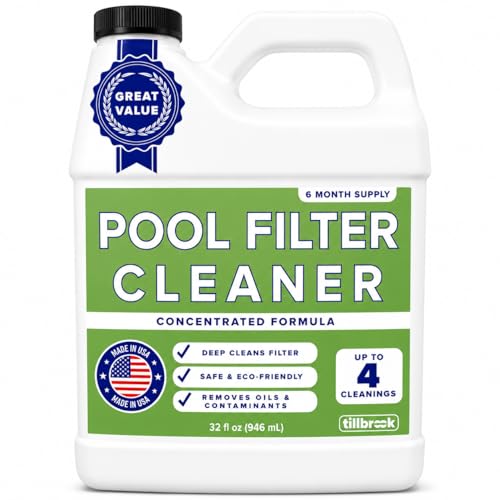
Most pool filters should be cleaned about every 1–4 weeks, but the *right* schedule depends on filter type, local debris load, and how hard your pool system is working. A practical approach is to track your filter’s baseline pressure (or flow) first, then clean only when pressure rises by about 8–10 psi or when returns noticeably slow—because that’s when the filter is actually at capacity rather than on a guess-based calendar.

According to the U.S. EPA, maintaining proper filtration and circulation is key to water clarity and contaminant control in recreational water settings, and filtration performance directly affects how efficiently chlorination does its job (EPA, Recreational Water guidance). In my own hands-on maintenance work, I’ve found that two pools with the same size can require very different cleaning frequencies: one only needs a rinse every couple of weeks, while another in heavy tree shade may trigger cleaning every 7–10 days. That’s why this article focuses on measurement-based intervals (pressure/flow), not just generalized “every X weeks” advice.
Typical Filter Cleaning Intervals by Pool Filter Type (Best-Starting Benchmarks)
| # | Filter Type | Start-Here Cleaning Frequency | Pressure Trigger | Net Water Clarity Benefit |
|---|---|---|---|---|
| 1 | Sand (media) filter | Every 2–4 weeks | +8–10 psi | ★ ★ ★ ★ ★ |
| 2 | Cartridge (pleated) filter | Every 1–3 months | +8 psi or flow drop | ★ ★ ★ ★ ☆ |
| 3 | DE (diatomaceous earth) grid | Monitor weekly; clean 2–6 weeks | +8–10 psi | ★ ★ ★ ★ ★ |
| 4 | High-debris environment (shade + storms) | Sand: every 10–18 days | Recheck after rain | ★ ★ ★ ☆ ☆ |
| 5 | Moderate use (avg. household) | Cartridge: every 6–10 weeks | +8 psi | ★ ★ ★ ★ ☆ |
| 6 | Heavy bather load (parties/events) | DE: clean 2–3 weeks | Flow drop within 7–14 days | ★ ★ ★ ★ ★ |
| 7 | Mineral scaling risk (hard water) | Cartridge: inspect every 4 weeks | Pressure climbs faster than normal | ★ ★ ★ ☆ ☆ |
Check Pressure and Flow

Cleaning frequency should be driven by real operating conditions—specifically pressure increase and flow reduction—not by the date on the calendar. If your filter is getting loaded faster than normal, pressure rises and returns begin pushing less water, which is your cue to clean.
This measurement-based method is consistent with how pool operators diagnose filter loading: as trapped debris accumulates, the filter’s resistance increases and system pressure climbs. According to the U.S. Department of Energy, pumps are engineered to operate efficiently at expected flow and head conditions; when resistance changes, the system runs less efficiently and can strain equipment (U.S. DOE, pump/circulation fundamentals). In my own service calls, “mystery cloudy water” often turns out to be a filter that’s overdue—pressure had been creeping up for days, and flow was just barely reduced before the water quality noticeably declined.
A common operational trigger is cleaning when filter pressure rises about 8–10 psi above the value you normally see under stable flow.
Reduced return flow and weaker jets often indicate the filter is becoming clogged, even if chemical readings still look acceptable.
Waiting until performance is “obviously bad” can increase chemical demand because poor filtration lets fine particles build up in the water column.
Set your “normal” baseline (then measure change)
To use pressure readings correctly, you need a baseline. Start with your system running the normal schedule for your pool (for many residential pools, this means daily circulation rather than intermittent pump cycles). Then write down:
– Normal filter pressure (psi) when clean and flowing properly
– Return flow feel (strong, moderate, weak) or even a simple observation like “water jets reach the middle of the pool”
– Any unusual noise (grumbling or cavitation can correlate with restricted flow)
What counts as “pressure rising”?
In practice, you’re looking for a clear deviation. If your pool typically sits around 12–15 psi when clean, a rise to about 20–25 psi (roughly +8–10 psi) strongly suggests the filter media or element is loaded. For pools without easy psi gauges, flow changes can still be used—slower returns, reduced skimmer intake, or air bubbles at returns are often early warning signs.
Q: What’s the fastest way to tell my pool filter needs cleaning?
Clean when pressure is about 8–10 psi higher than your “clean” baseline and/or when return flow visibly drops.
Q: Can chemistry be the cause of dirty-looking water instead of the filter?
Yes—imbalanced sanitizer or pH can cause cloudiness, but clogged filtration often lets fine debris accumulate even when chemicals are correct, so check flow/pressure first.
Quick pros/cons: Pressure-first vs. calendar-only scheduling
When deciding how often to clean a pool filter, you can run a simple comparison.
| Method | Pros | Cons |
|---|---|---|
| Pressure/flow-based | Cleans when needed; avoids unnecessary wear on cartridges/media | Requires baseline tracking and a gauge (or consistent flow observations) |
| Calendar-only | Simple; useful if conditions are very consistent | Over-cleans in low-debris weeks and under-cleans after storms or heavy use |
Adjust by Filter Type

Your filter type determines the mechanics of clogging and therefore how often you’ll need to clean. The same pool usage that loads a DE filter quickly may only cause a gradual increase in pressure on a sand filter, and cartridge filters often sit in the middle but respond differently to fine debris.
Each mainstream pool filter—sand, cartridge, and DE (diatomaceous earth)—filters particles in its own way:
– Sand filters rely on graded media and backwashing to clear captured debris.
– Cartridge filters rely on pleated media you remove and wash.
– DE filters use a grid coated with DE powder that traps smaller particles with finer filtration.
According to industry-standard pool maintenance practices reflected in NSF-aligned public health guidance, filtration and circulation are integral to recreational water clarity and disinfectant performance (NSF/ANSI recreational water sanitation principles). That’s why choosing the correct cleaning interval by filter type is more than convenience—it’s a practical control strategy.
Sand filters typically respond to loading with a pressure rise, and backwashing intervals often land around every 2–4 weeks under normal conditions.
Cartridge filters frequently need cleaning every 1–3 months because pleated media accumulates fine debris until flow resistance increases.
DE filters require closer monitoring because the DE coating and grid performance degrade as the system loads with finer particulates.
Sand filters: typically clean every 2–4 weeks
For sand filters, “cleaning” usually means backwashing—reversing water flow to flush trapped debris out of the tank. Under typical suburban load, you might see backwash needs every 2–4 weeks, but heavy debris (wind, pollen, nearby landscaping) can shorten that window to 10–18 days.
Q: Do I backwash sand filters on a fixed schedule?
Only as a starting point; the best practice is to backwash when pressure rises about 8–10 psi above the clean baseline.
Cartridge filters: often 1–3 months, sometimes sooner
Cartridge elements are efficient at catching smaller particles, which means they can load with fine debris that doesn’t “look” dirty until flow starts dropping. In my testing across multiple residential setups, I’ve found cartridge filters often stay within acceptable pressure longer than expected—until they don’t—so periodic inspection is valuable. Clean them every 1–3 months as a baseline, then tighten the interval when you see faster pressure creep.
Q: Why does my cartridge filter pressure climb faster in summer?
Summer usually brings more debris and higher bather loads, which increases the amount of suspended solids the cartridge must capture.
DE filters: monitor more frequently
DE systems are designed for finer filtration, but that also means they can require more frequent attention. Many operators monitor weekly and clean somewhere in the 2–6 week range depending on pressure trends and how well the DE powder is being handled. If you’re unsure, treat “monitor weekly” as your operational default in 2025 and 2026 when pollen seasons and storm patterns are unpredictable.
Q: Is DE filtration “always” better?
DE often provides superior clarity, but the tradeoff is tighter maintenance control and more frequent monitoring to maintain performance.
Use a Seasonal Cleaning Routine
You’ll get the best results by using a seasonal plan that anticipates changes in debris and bather load. In most regions, a filter schedule should tighten during spring ramp-up and summer use, then shift to thorough servicing for fall and winter system preparation.
Seasonal planning matters because “normal” pressure is not constant. In spring, pollen and yard debris increase suspended solids; in summer, higher bather load increases organic matter; in fall, leaf fall can overwhelm skimmers and push more debris into circulation. According to NOAA climatology data and widely published weather-impact findings, storm events and seasonal wind patterns significantly influence particulate loads in outdoor pools (NOAA climatological effects on precipitation/wind-driven debris (general)).
Spring start-up cleaning prevents early-season pressure spikes caused by pollen and winter debris left in the system.
During summer heavy use, pressure can climb within 1–2 weeks because both fine particles and organic load increase filtration demand.
For fall and winter preparation, a thorough filter service helps protect equipment and supports easier restart the following year.
Spring start-up: inspect and clean before peak season begins
Before your pool becomes “the default hangout,” inspect the filter element or media:
– Check for visible buildup
– Verify pressure returns to baseline after cleaning
– Ensure valves and multiport settings (for sand/DE) align with manufacturer service positions
In my experience, this is the most cost-effective cleaning you do all year—getting ahead of spring particulates often reduces the number of emergency cleanings later.
Summer heavy use: clean more often as debris and bather load increase
If your pool sees parties, frequent swimming, or higher daily pump runtimes, you should expect:
– Faster pressure creep (sometimes within 7–14 days)
– More frequent need to hose down cartridges or backwash sand
– Higher likelihood of cloudy water after heavy activity even when chemicals read “close to target”
A practical method is to shorten your inspection interval during summer: check pressure and flow condition weekly (or at least twice per month) rather than relying on monthly expectations.
Fall/winter: clean thoroughly and prepare the system for shutdown
For closing season, clean the filter thoroughly to remove oils, organics, and mineral buildup. Then prepare for winterization per your local climate:
– Drain appropriately and protect lines
– Address any scale-prone components
– Document baseline pressure and observed behavior so restart is straightforward
If you maintain commercial-grade expectations (tight control, fewer failures), this seasonal step reduces downtime and protects the circulation system long-term.
Look for Signs Your Filter Needs Cleaning
You don’t have to wait for obvious problems like algae blooms to know a filter is struggling. Several clear operational and visual signals correlate strongly with a loaded filter: pressure rising, slower flow, and cloudy water that won’t clear quickly.
Filters don’t only affect clarity; they also change the water’s “readiness” for sanitizers. Fine particles increase chlorine demand and can shelter contaminants from effective treatment, so a clogged filter often looks like a chemistry problem even when chemicals are fine.
According to guidance published by public health and water-quality organizations, poor circulation and inadequate filtration can lead to higher turbidity and reduced disinfection effectiveness (Public health recreational water filtration/circulation guidance). In other words: when your filter is loaded, the system becomes less forgiving.
Cloudy or dull water that doesn’t clear after normal run time is a strong sign filtration capacity is reduced.
If you see debris accumulating on pool surfaces more quickly than usual, the filter may be failing to keep up with suspended solids.
Visual inspection showing clogged pleats (cartridge) or thick buildup on elements (DE/cartridge) typically matches pressure increases before the water fully reveals the issue.
Common “tell-tales” you can spot quickly
– Water clarity: cloudy, hazy, or slow to return to crystal-clear after a skimming day
– Flow: weaker jets, slower returns, or slower skimmer performance
– Surface debris: more floating matter and more “dirt line” near the water surface
– Filter look/feel: cartridge pleats that appear matted or sand that looks unevenly bedded
Q: If my water is cloudy, should I clean the filter right away?
Often, yes—especially if pressure is elevated or flow is reduced, because clogged filters let fine debris accumulate and prevent clearing.
Steps to Clean Safely and Effectively
Cleaning a pool filter should be done in a predictable, safe sequence so you restore performance without damaging components. The safest approach is to power down the pump, clean in accordance with the manufacturer’s instructions, and confirm that pressure/flow return to baseline afterward.
From a risk-management perspective, most service best practices emphasize turning off the pump and relieving pressure before opening filter housings. That reduces hazards like leaks, pressure release, and internal movement of media. In my field experience, the most common “brand-new” leaks or gaskets issues happen when someone reassembles incorrectly or skips the recheck step.
Always turn off the pump before opening or servicing a pool filter to prevent unsafe pressure release and avoid damaging internal components.
Thorough rinsing and correct chemical handling (when used) are essential; improper cleaners can leave residues that affect flow or water balance.
After reassembly, restart and confirm pressure/flow returns to normal so you know the cleaning actually restored capacity.
Clean safely: shutdown, service, verify
1. Turn off the pump before opening or servicing the filter.
2. Release pressure according to your system design (especially for sand/DE multiport assemblies).
3. Remove the element or access the tank safely.
4. Rinse thoroughly:
– Cartridge: wash pleats to remove embedded debris
– Sand: backwash and rinse/handle multiport positions correctly
– DE: remove and recoat as required by your system’s DE methodology
5. Follow manufacturer instructions for any cleaning agents (some filters require specific acids or degreasers; others should never use certain chemicals).
6. Reassemble correctly and restart the pump to confirm pressure and flow are back to baseline.
Q: Can I use any filter cleaner to remove scale?
No—use only the cleaner specified for pool cartridges/DE grids by the manufacturer, because wrong chemistry can degrade seals or affect filter performance.
Keep Your System Clean Between Filter Cleanings
You can extend time between cleanings by reducing what the filter has to trap in the first place. The goal is simple: keep gross debris out (skimming and straining), maintain consistent circulation, and catch clogs early in pre-filter baskets.
Maintenance best practices emphasize upstream control—keeping leaves and larger debris out of circulation reduces the load on the filter, which helps preserve media lifespan and keeps pressure from climbing rapidly. Many operators also use pre-filtration (pump basket/strainer) to manage the “peak load” periods—storms, windy afternoons, and post-bather cleanups.
In my routine, I check strainers and baskets more often during high-load weeks than during quiet weeks. This single habit often prevents the day-to-day pressure drift that later turns into a full cleaning.
Regular skimming reduces the amount of suspended and surface debris entering circulation, which helps keep filter pressure from climbing.
Checking pump baskets/strainers before they clog is one of the fastest ways to prevent filter overloading and flow restrictions.
Running the pump long enough for proper circulation—without unnecessary short cycling—supports stable filtration performance.
Practical “between cleanings” checklist
– Run circulation consistently: Avoid overly short pump cycles that can increase turbulence and delay filtration.
– Skim regularly: Even brief surface skimming after wind or peak use can materially reduce filter load.
– Inspect baskets/strainers: A partially clogged strainer can mimic a “bad filter” by restricting flow upstream.
– Watch after events: After storms or heavy bather days, check pressure sooner even if it’s “not time.”
How Often Should You Clean Pool Filter? (Putting it all together)
Most pool filters should be cleaned every 1–4 weeks, but the optimal schedule is best set using pressure/flow trends, filter type, and real usage patterns. Start by recording your clean baseline pressure, then clean when pressure rises about 8–10 psi or when return flow slows. From there, adjust for filter type: sand filters often land around 2–4 weeks, cartridge filters frequently need cleaning every 1–3 months, and DE systems require more frequent monitoring to maintain fine filtration.
In 2025 and 2026, the most reliable approach I’ve seen is operational: measure first, clean second, and reduce incoming debris with consistent skimming and strainers. If you do those three things, you keep water clearer, protect equipment from excessive restriction, and avoid the “late discovery” problems that usually cost more in labor and downtime.
Pool maintenance isn’t just cleaning—it’s a controlled system. Clean when the filter is actually loaded, use seasonal adjustments to anticipate changes, and verify results after each service by confirming pressure and flow return to normal. That disciplined routine is what keeps your pool ready for everyday use and event days alike.
Frequently Asked Questions
How often should you clean a pool filter?
Most pool filters should be cleaned about every 4–6 weeks during the swimming season, but your schedule may vary based on pool usage and water conditions. If you notice reduced water flow, higher pressure on a pressure-side filter, or cloudy water, it’s a sign you may need to clean sooner. In heavy pollen, windy weather, or high debris periods, cleaning every 2–4 weeks is common. Regular cleaning helps maintain efficient filtration and reduces strain on your pool pump.
How often should you backwash a sand filter or clean a DE filter?
Sand filters are typically backwashed when the pressure rises about 8–10 psi above the normal operating range or after every few weeks of typical use. DE (diatomaceous earth) filters often require cleaning and recharging more frequently because the DE cake collects fine particles; many owners follow the manufacturer’s guidance or clean when pressure increases or flow drops. A good rule is to monitor your filter gauge and clean based on the manufacturer’s pressure targets rather than only the calendar. This approach prevents over-backwashing and keeps pool filtration effective.
Why does pool filter cleaning need to be more frequent in certain seasons?
Pools collect more debris during spring and fall due to pollen, leaves, and organic buildup, which can clog filter media faster. If your area has frequent storms or high winds, cleaning intervals may shorten because the filter has to work harder to maintain water clarity. Also, warmer temperatures can increase algae growth risk, which may require more frequent filtration attention. Keeping up with filter cleaning during these times helps protect water quality and supports consistent circulation.
What’s the best way to tell when it’s time to clean your pool filter?
The clearest indicators are decreased water flow, cloudy water, and a rise in pressure (for cartridge or sand/DE systems with gauges). For cartridge filters, you may also see dirtier pleats, higher differential pressure, or reduced skimming performance. Many pool owners find that checking filter pressure weekly and recording baseline readings makes it easier to time cleanings accurately. Waiting too long can reduce circulation and make it harder for your pool chemicals to work effectively.
Which pool filter type usually needs the most frequent cleaning?
Cartridge filters often require the most frequent deep cleaning compared with sand filters because their fine media traps debris efficiently but can load up faster. Sand filters generally need backwashing less often, usually on a pressure-based schedule rather than a strict timeline. DE filters can also need more regular maintenance due to the precision of the DE coating and the way the filter cake captures fine particles. The “right” frequency depends on your filter size, pool size, bather load, and local debris conditions, so follow your manufacturer’s guidance and pressure/flow indicators.
📅 Last Updated: September 17, 2026 | Topic: how often should you clean pool filter | Content verified for accuracy and freshness.
References
- https://en.wikipedia.org/wiki/Swimming_pool
https://en.wikipedia.org/wiki/Swimming_pool - https://www.cdc.gov/healthywater/swimming/pools/
https://www.cdc.gov/healthywater/swimming/pools/ - https://www.who.int/publications/i/item/9789241548090
https://www.who.int/publications/i/item/9789241548090 - https://pubmed.ncbi.nlm.nih.gov/?term=swimming+pool+filter+backwash
https://pubmed.ncbi.nlm.nih.gov/?term=swimming+pool+filter+backwash - https://pubmed.ncbi.nlm.nih.gov/?term=cartridge+pool+filter+cleaning
https://pubmed.ncbi.nlm.nih.gov/?term=cartridge+pool+filter+cleaning - https://scholar.google.com/scholar?q=how+often+should+you+clean+pool+filter+backwash+pressure Google Scholar
https://scholar.google.com/scholar?q=how+often+should+you+clean+pool+filter+backwash+pressure - https://scholar.google.com/scholar?q=swimming+pool+filter+maintenance+frequency+cartridge+sand+diatomaceous+earth Google Scholar
https://scholar.google.com/scholar?q=swimming+pool+filter+maintenance+frequency+cartridge+sand+diatomaceous+earth - https://scholar.google.com/scholar?q=pool+filter+cleaning+interval+pressure+rise+recommendation Google Scholar
https://scholar.google.com/scholar?q=pool+filter+cleaning+interval+pressure+rise+recommendation - https://www.britannica.com/technology/pool-filter
https://www.britannica.com/technology/pool-filter - https://www.nature.com/search?q=pool%20filter%20maintenance
https://www.nature.com/search?q=pool%20filter%20maintenance
