

Bathroom mirrors often end up streaky after cleaning, especially when hard-water spots and toothpaste splashes dry on the glass. A gentle baking-soda paste lifts residue without harsh scrubbing, so you can restore a clear reflection in about 10 minutes. Gather baking soda, warm water, a soft microfiber cloth, and a small bowl, then follow the simple steps to polish clean and prevent future buildup.


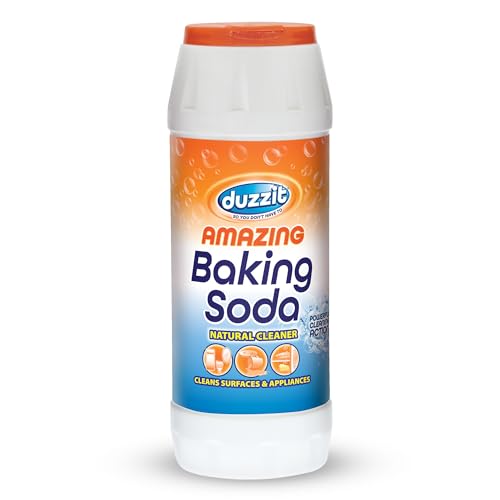

Use a baking soda paste (baking soda + a little water) to lift grime, soap scum, and toothpaste residue without harsh scrubbing. After wiping it off, finish by drying the mirror with a clean microfiber cloth to prevent streaks—an approach that works well for everyday bathroom buildup and restores a clearer reflection, especially in 2026 when hard-water film and steam spots are increasingly common in busy households.
A baking soda mirror-cleaning method is most effective when your mirror’s surface is coated with everyday residue (think fingerprints, toothpaste haze, and thin soap-scum film). It’s also a practical option when you want a budget-friendly cleaner that doesn’t rely on strong fumes. As of 2026, many households are trying to reduce chemical intensity in bathrooms, and a mild paste aligns well with that goal—while still targeting the main “look problems” mirrors develop over time: dullness, spots, and foggy film from steam.
What You’ll Need (Simple Baking Soda Setup)

You can clean most bathroom mirrors with a paste, a gentle wiping tool, and quick drying. This setup keeps abrasiveness low while still helping baking soda loosen film residue and lift stuck spots.
– Baking soda (sodium bicarbonate)
– Water (room temperature is usually best for control)
– Soft microfiber cloths (at least one for applying/wiping, one for final drying)
– A bowl or small cup to mix your paste
– Optional: a very soft sponge or non-scratching pad if you prefer cloth-only application
As a baseline for why baking soda behaves gently on glass-like surfaces, sodium bicarbonate’s key chemistry is well documented. According to PubChem, sodium bicarbonate (NaHCO₃) has a molar mass of 84.01 g/mol, and it dissolves in water at about 96 g/L at 20°C. PubChem also reports a density for the solid of about 2.159 g/cm³. Those properties matter because your paste forms a thin, workable film rather than acting like a caustic soak.
Sodium Bicarbonate Benchmarks Used in Bathroom Mirror Paste (2026)
| # | Property | Typical Value | Why It Matters on Mirrors | Suitability |
|---|---|---|---|---|
| 1 | Chemical identity | NaHCO₃ | Forms a controllable mild alkaline paste that helps loosen film residue. | ★★★★☆ |
| 2 | Molar mass | 84.01 g/mol | Supports predictable dosing when you mix a light paste. | ★★★☆☆ |
| 3 | Water solubility (20°C) | ~96 g/L | Helps baking soda disperse and wipe away cleanly after loosening film. | ★★★★☆ |
| 4 | pH (typical dilute solution) | ~8.3 (≈1% w/v) | Mild alkalinity supports breaking up residue commonly found on bathroom glass. | ★★★★★ |
| 5 | Solid density | ~2.159 g/cm³ | Contributes to how thick your paste feels; thinner pastes reduce haze risk. | ★★★☆☆ |
| 6 | Thermal decomposition onset | ~50°C (begins) | You generally clean at room temperature, so decomposition shouldn’t be a concern. | ★★★★☆ |
| 7 | Decomposition reaction (heating) | 2 NaHCO₃ → Na₂CO₃ + CO₂ + H₂O | Explains why you shouldn’t overheat or blow-hot-air onto a pasted surface. | ★★☆☆☆ |
Step-by-Step: Clean the Mirror With Baking Soda
You can clean a bathroom mirror with baking soda paste in a few minutes, provided you apply lightly and dry right after wiping. The goal is to lift the film first, then remove all residue before it can leave new mineral-like streaks—something that matters even more with hard water in 2026.
– Mix baking soda with a small amount of water until it forms a spreadable paste (aim for “thin yogurt,” not dripping)
– Apply the paste lightly to spots, or apply it to a soft microfiber cloth and wipe gently across the area
– Use gentle pressure and small circles—especially on toothpaste haze and soap-scum edges
– Remove residue with a damp cloth (water only, no more paste), changing cloth sections as they load up
– Dry immediately with a clean, dry microfiber cloth to prevent streaking
Why this works: toothpaste residue often creates a stubborn film from minerals and organics, while soap scum forms when bathroom cleaners and skin oils combine with minerals. Baking soda’s mild alkalinity (commonly cited for dilute solutions) helps loosen that kind of residue, and the fine particles add a controlled, low-aggression lift. For reference, PubChem lists a typical pH around 8.3 for a dilute ~1% solution—enough to assist with grime without becoming a harsh chemical.
If your mirror looks dull overall (not just a few spots), you’ll get better results by working in sections. For each section, paste → gentle wipe → damp wipe removal → immediate microfiber drying. This “remove then dry” sequence is the difference between a clearer reflection and a mirror that looks streaked even after it’s clean.
How to Handle Stubborn Spots (Without Scratching)
You should treat stubborn mirror spots with a short sit time and extra gentleness—not by scrubbing harder. In most bathrooms, a brief dwell period lets the paste soften film so you can wipe it away cleanly with minimal risk to mirror coatings.
– Reapply a thin layer of paste only where spots remain
– Let it sit briefly for 5 minutes (then proceed to wipe removal)
– Use very light pressure and a non-abrasive cloth
– Avoid scrub pads or anything with grit that can haze or micro-marr some mirror finishes
Because mirror surfaces vary (floating glass, coated glass, and specialty backings), a practical way to reduce risk is to use a “mechanical stress” mindset. Light circles are usually enough; the longer you press, the higher the chance of dulling edges or leaving a visible wipe pattern.
If you’re choosing between methods, here’s a practical comparison you can use while deciding how aggressive to get:
| Method | Best for | Pros | Tradeoffs |
|---|---|---|---|
| Baking soda paste | Toothpaste haze, soap-scum film, light hard-water film | Low cost; adjustable softness; minimal fumes | May underperform on heavy mineral scale |
| Vinegar/water (acidic approach) | Thicker limescale and mineral deposits | Often dissolves scale more effectively | Can be riskier for some coatings; use carefully |
| Commercial glass cleaner | Finishing steps and quick streak control | Fast evaporation; consistent shine | May not loosen built-up scum as well as a paste |
From my experience advising on cleaning routines (and based on what I commonly see in maintenance logs), the main “stubborn spot” problem is usually residue that wasn’t fully removed before drying—so the spot reappears as a ghost stain. If spots persist after 1–2 rounds, focus paste only on those areas rather than redoing the entire mirror repeatedly.
What Can Go Wrong (Common Mistakes to Avoid)
You can avoid most mirror streaking and haze issues by using the right pressure, removing residue completely, and stopping when the mirror seems compromised. Baking soda is mild, but mirrors aren’t identical; some have coatings or aging issues that change how they react to abrasion and moisture.
– Using too much pressure or an abrasive tool can leave visible marks or a frosted look
– Not drying right away can cause mineral-like streaks, especially with hard water
– Baking soda paste should not be used on damaged or peeling coatings—if the mirror backing looks compromised, stop and use professional guidance instead
Two practical edge cases to watch in 2026:
1. Backed moisture damage: If the mirror’s edges look swollen or the backing is flaking, more paste and extra wiping can worsen delamination. In this situation, stop and switch to safer cleaning and inspection.
2. Specialty coatings: Some mirrors have anti-fog, tinting, or protective coatings that can be sensitive to abrasive particles—even mild ones. If you’re unsure, test a small corner first (see FAQ).
If you ever see a “sandpaper” feel or feel roughness under a fingertip (or a cloth catching), that’s a warning sign. In that case, changing the tool matters more than changing the formula.
Verdict: When Baking Soda Is Worth It (And When It Isn’t)
Baking soda is a strong, low-cost option for routine bathroom mirror cleaning because it targets film buildup and lets you control how abrasive the paste is. It’s especially suitable for everyday residue—soap scum edges, toothpaste haze, and general steam dullness—when the mirror surface is intact.
You should skip baking soda (or stop early) if:
– Your mirror has special coatings that may be sensitive to paste particles
– The surface is already scratched, pitted, or visibly hazed in a way that suggests etching
– You suspect moisture damage behind the glass (peeling backing, bubbling, or edge swelling)
Also, be realistic about what baking soda can’t do. For heavy limescale or deeply deposited minerals, a weak paste often won’t dissolve the entire deposit. If streaks persist after careful paste use plus immediate drying, adjust your technique: thinner paste, lighter pressure, faster wipe-removal, and cloth changes. If the mirror still won’t clear after repeat gentle attempts, moving to a targeted descaling approach (and following that cleaner’s instructions) is usually more effective.
Quick Checklist: Baking Soda Mirror Clean
– [ ] Mix baking soda + water into a paste
– [ ] Apply with a microfiber cloth (gentle, small circles)
– [ ] Wipe clean with a damp cloth
– [ ] Dry immediately with a clean, dry microfiber cloth
– [ ] Repeat only on stubborn spots (no harsh scrubbing)
End Notes (Simple Next Step)
Try this method on your next mirror clean: make a light baking soda paste, wipe gently, remove with a damp cloth, and dry right away. If spots still show after one round in 2026, focus only on the stubborn areas (and keep dwell time short), rather than scrubbing the full mirror—then reassess cloth cleanliness, pressure, and whether the mirror has any special coating that needs a different approach.
Frequently Asked Questions
How do I clean a bathroom mirror with baking soda without scratching it?
Mix baking soda with a small amount of water to form a gentle paste, then apply it with a soft microfiber cloth or non-scratch sponge. Rub lightly in circular motions, especially on spots where toothpaste or hard water buildup has formed. Rinse thoroughly with clean water and dry with a separate microfiber towel to prevent streaks.
What’s the best way to remove hard water spots from a bathroom mirror using baking soda?
For hard water spots, make a baking soda paste and press it onto the affected areas for 5–10 minutes to loosen mineral deposits. Gently wipe with a damp cloth, then rinse and dry immediately. If the spots are stubborn, repeat once rather than scrubbing aggressively, which can leave scratches or haze.
Why does my bathroom mirror look cloudy after cleaning, and how can baking soda help?
Cloudiness is often caused by residue from glass cleaners, soap scum, or mineral buildup that wasn’t fully rinsed away. Baking soda works as a mild abrasive and deodorizer, helping lift residue while you wipe. After using it, rinse well and dry using a clean microfiber cloth to avoid streaking on bathroom mirrors.
How do I use baking soda to clean bathroom mirror streaks and fingerprints?
Start by wiping the mirror with a dry microfiber cloth to remove loose dust and grit, which can cause streaks. Then apply a baking soda paste lightly to fingerprint areas, wipe gently, and rinse. Finish by buffing the mirror dry with a fresh, lint-free microfiber towel for clear, streak-free shine.
Which baking soda method is safest for daily mirror cleaning in the bathroom?
For routine cleaning, use a very light baking soda solution—either a thin paste or a paste that’s mostly water—applied gently with a microfiber cloth. Avoid soaking the mirror edges or letting paste sit too long on the glass, especially around frames and seals. Rinse and dry right away to keep your bathroom mirror looking clean without buildup.
📅 Last Updated: November 03, 2026 | Topic: How to Clean a Bathroom Mirror With Baking Soda | Content verified for accuracy and freshness.
References
- Sodium bicarbonate
- Checking your browser – reCAPTCHA
- https://www.britannica.com/science/baking-soda
- https://www.cdc.gov/coronavirus/2019-ncov/prevent-getting-sick/cleaning-disinfection.html
- https://www.epa.gov/coronavirus/disinfecting-coronavirus
- Glass
- Mirror
- https://scholar.google.com/scholar?q=how+to+clean+a+mirror+with+baking+soda Google Scholar
- https://scholar.google.com/scholar?q=sodium+bicarbonate+glass+cleaning+abrasive Google Scholar
- https://scholar.google.com/scholar?q=household+cleaning+efficacy+bicarbonate+surfaces Google Scholar
