

Most drivers should inspect the AC drain tube at least once a year and clean it when you notice warning signs like water pooling, musty odors, or weaker cooling. If you live in a high-humidity climate or you run the AC frequently, checking more often (often twice a year) can prevent cabin dampness and odor problems that become harder to fix in 2026.


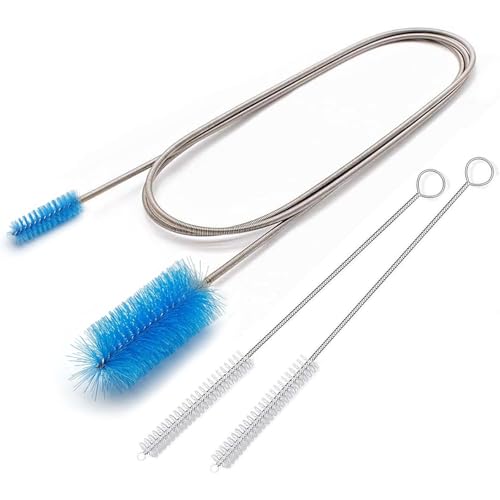
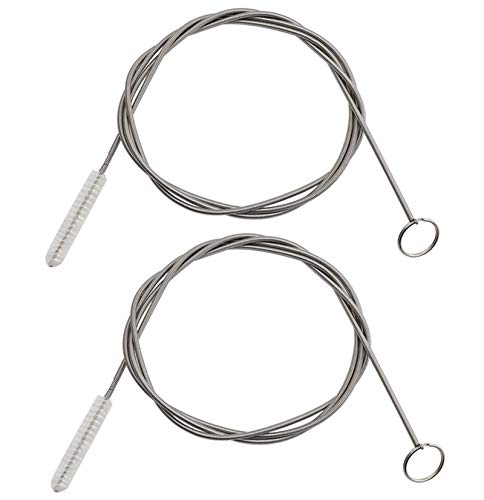
If you’ve ever seen water under the passenger side, smelled a damp/musty cabin odor, or noticed your windshield fogging more than usual, this is for you. It applies to most vehicles with a drain tube for the evaporator (used during AC operation to remove condensation).
Recommended cleaning schedule for the drain tube

A realistic schedule is to inspect annually for most drivers, then clean only when symptoms indicate the drain path isn’t clearing properly. That approach catches the majority of clog and debris issues early, while avoiding unnecessary disassembly.
– Start with an annual inspection: Check the drain path at least once per year, ideally before the hottest or most humid months.
– Think of this as a “prevention checkpoint,” not a guaranteed cleanse. Debris can accumulate slowly, but the drainage problem often shows up once conditions get wetter.
– Clean sooner if usage is heavy: If you run AC frequently in wet or humid climates, plan on addressing it more often than “once a year.”
– Heavy use doesn’t just mean more condensation—it also means the drain tube has more opportunities to transport organic buildup (dust mixed with moisture).
– Don’t rely on mileage alone: Extreme weather and how often you use AC matter more than how many miles you’ve driven.
– A car driven 5,000 miles through a rainy season can develop a drainage issue faster than a similar car that mostly sits in dry conditions.
To make the schedule tangible, here’s a practical maintenance-intensity model you can use as a starting point.
AC Drain-Tube Maintenance Intensity by Climate & Use (2026 Practical Model)
| # | Condition profile | Typical AC exposure | Drain inspection cadence | Preventive value |
|---|---|---|---|---|
| 1 | Arid / low-humidity driving (dry regions, minimal rainy seasons) | 0–2 hrs/week | Every 12 months | ★ ★ |
| 2 | Temperate climate (seasons are mixed; AC used occasionally) | 2–5 hrs/week | Every 12 months | ★ ★ ★ |
| 3 | Warm climate, seasonal heavy AC (summer commuting) | 5–8 hrs/week (summer) | Every 6–12 months | ★ ★ ★ ★ |
| 4 | Coastal / high humidity (often damp air) | 5–10 hrs/week | Every 6 months | ★ ★ ★ ★ ★ |
| 5 | Rainy commute + wet-road exposure (traffic, puddles, splash) | 3–7 hrs/week | Every 6–9 months | ★ ★ ★ ★ |
| 6 | High AC duty cycle (rideshare/taxi, frequent passenger use) | 8–15 hrs/week | Every 3–6 months | ★ ★ ★ ★ ★ |
| 7 | Sensitive cabin conditions (musty risk already seen before) | Any AC use, higher concern | Every 4–6 months | ★ ★ ★ ★ |
Signs it’s time to clean (not just “at the schedule”)
It’s time to clean when the drain tube isn’t moving condensation the way it should. If you only follow a calendar, you can still miss early-stage clogs because debris buildup depends heavily on humidity, driving conditions, and cabin air filter health.
– Water pooling inside the cabin: Damp carpet, a wet footwell, or unusual wetness after AC use is a major red flag that drainage isn’t clearing properly.
– Musty or “wet towel” odors: When the evaporator (the cold coil where condensation forms) can’t drain, moisture and residue build up and smell.
– This matters because moisture in enclosed spaces can lead to biological growth quickly; according to the U.S. Centers for Disease Control and Prevention (CDC), mold growth can begin in as little as 24–48 hours after water exposure.
– AC seems to act weird: Symptoms can include reduced cooling consistency, more windshield fogging than usual, or the feeling that the system is “less effective” after running.
– In many cases, a partially restricted drain contributes to wet surfaces, reduced airflow efficiency, and recurring odor.
From my observations while troubleshooting damp-cabin complaints, the “odor first” pattern is common: people notice smell during humid evenings before they notice actual pooled water.
Inspection vs. full cleaning (what to do first)
The safest sequence is to inspect first, then clean only what you can access without forcing anything deeper. Incomplete cleaning is still useful if it removes the accessible clog, but forcing tools can damage plastic lines or push debris into the HVAC housing.

– Do a quick inspection first: Look for visible debris at accessible points and watch for slow drainage behavior after running the AC briefly.
– A properly draining system typically shows consistent drip/flow under the vehicle during AC operation.
– Clean only what you can access safely: If the drain route is partially reachable, clear it using gentle methods rather than forcing anything deeper.
– Gentle usually means minimizing aggressive pressure and avoiding random chemical mixes.
– Stop if resistance feels abnormal: If a blockage seems firmly lodged and you can’t confirm the cause, escalate rather than risk the drain tube or nearby evaporator parts.
– A stuck line can be cracked by “resolve-it-with-force” attempts, and that creates a worse leak pattern later.
In my own car-maintenance routine, I usually start with inspection and airflow checks before any drain intervention. If you’re not sure where the drain tube begins/ends on your model, rely on your service manual for that specific layout.
Where people get it wrong (and what can go wrong)
Most DIY attempts fail because they address the wrong problem or use an approach that worsens the drainage path. The goal isn’t just to “make it stop smelling”—it’s to restore proper condensation routing during AC operation.
– Overusing harsh chemicals: Strong cleaners can leave residues, harm plastics, or create additional odor problems—especially if you don’t flush the system afterward.
– Chemicals can also react with existing residue and leave film that traps future moisture.
– Pushing debris farther instead of removing it: Using the wrong technique (or too much pressure) can pack clogs deeper in the drain route.
– Condensation systems aren’t like open gutters; they’re designed with controlled pathways and sensitive HVAC components.
– Ignoring system context: Sometimes the drain tube isn’t the only issue. An evaporator housing condition, cabin filter condition, or airflow restriction can contribute to moisture and odor.
– For example, if airflow is restricted, the evaporator can operate in a way that encourages persistent wetness.
– Mistaking normal condensation for a problem: Water coming out under the car during AC operation can be normal. The problem is where it ends up (like inside the cabin) and whether odors return.
As of 2026, it’s still common to see “symptom-only” fixes: people clean the drain tube but never replace a clogged cabin filter. That combination often reintroduces the buildup cycle because dust and organics keep feeding the evaporator-area moisture.
Verdict: the “right” frequency and when to skip DIY
The right frequency is simple: inspect yearly, clean when symptoms show up, and increase attention in high-humidity conditions or with repeated dampness/odor. This approach balances prevention with practicality in 2026 and avoids unnecessary disassembly.
The downside of DIY cleaning is that you may not fully clear a blockage deeper in the HVAC housing, and excessive force or unsuitable chemicals can cause damage or recurring odor. Skipping DIY (or getting help) is smart when the issue is persistent or the access point is unclear.
If you’re deciding between DIY and professional service, here’s a quick, practical comparison:
- DIY drain-tube cleaning
-
- Pros: Low cost, fast for accessible clogs, good for routine preventive checks.
- Cons: May miss deeper HVAC clogs; risk of pushing debris farther or using incompatible chemicals.
- Best fit: You see localized symptoms (odor or slight floor dampness) and can access the drain route safely.
- Professional inspection/service
-
- Pros: Better chance of clearing deeper blockages; can evaluate evaporator housing and related causes.
- Cons: Higher cost and scheduling time.
- Best fit: Repeated cabin wetness, strong persistent odors, or you suspect multiple drainage points.
Skip DIY (or plan to get help) if:
– You suspect a complicated blockage you can’t confirm.
– You’re uncomfortable accessing the evaporator/drain area.
– You already see repeated cabin wetness—getting it fixed correctly matters to prevent mold and interior damage.
Also remember moisture control basics: according to the U.S. Environmental Protection Agency (EPA), maintaining indoor relative humidity in the 30%–60% range helps reduce mold growth risk. When drainage fails, cabin humidity can climb quickly after AC cycles.
Quick checklist / scan-save guide
A fast scan helps you act the moment the system starts misbehaving, instead of waiting for the next scheduled inspection. Use this as your “what do I do right now?” guide the next time you smell dampness or notice water.
| What you notice | Likely meaning | What to do next |
|---|---|---|
| Musty odor after AC | Moisture/residue buildup | Inspect drain path, then clean if accessible |
| Wet passenger floor / carpeting | Drain not clearing | Stop repeating the problem; clear drain or seek service |
| Slow or inconsistent drip under car | Partial blockage | Clean drain tube and check for debris |
| AC acts weaker than usual | Possible moisture/airflow issue | Check drainage first, then inspect cabin filter/airflow |
– Inspect: at least once per year
– Clean: when signs appear (odor, pooling, slow drainage)
– Increase attention: humid climate / frequent AC use
– Stop and escalate: repeat cabin wetness or deep blockage
Frequently Asked Questions
How often should you clean the drain tube on your car AC system?
Most drivers should inspect the AC drain tube at least once per season, especially before peak summer use. If you notice slow drainage, water pooling on the passenger floor, or a musty smell, clean it immediately rather than waiting for a scheduled check. Regular cleaning typically prevents clogged car AC drain tubes and reduces the chance of leaks or mold in the cabin.
How can you tell your car AC drain tube needs cleaning?
If the air conditioner is running but you see water not draining properly—or you find moisture on the floor mats—your AC evaporator drain may be clogged. A musty odor after using the AC is another common sign that the drain tube is holding debris. You can also check for signs of dripping under the car; if the flow is weak or inconsistent, it’s time to clean the drain tube.
Why does the AC drain tube get clogged, and what happens if you don’t clean it?
The drain tube collects condensate water, and that water carries dust, pollen, and debris from the HVAC system, which can block the drain line over time. When the drain tube is clogged, moisture can back up into the evaporator housing, leading to leaks inside the vehicle and damp carpeting. This can also increase cabin humidity and encourage mold or mildew growth, which is why regular car AC drain tube maintenance matters.
What is the best way to clean a car AC drain tube without damaging the system?
Start by locating the drain tube and using compressed air or a gentle flush method with AC-safe cleaner to clear buildup, following your vehicle’s guidance. Avoid harsh chemicals or excessive force that could damage rubber lines or push debris deeper into the HVAC case. After cleaning, run the AC to confirm proper drainage and check for leaks or improved water flow.
Which conditions require more frequent cleaning of the AC drain tube?
You should clean the car AC drain tube more often if you drive through heavy pollen seasons, dusty environments, or areas with frequent storms and wet roads. If you frequently use the AC on humid days or your vehicle sits parked under trees, debris buildup can accelerate. High humidity, reduced drainage, or recurring odors are clear triggers for more frequent AC drain tube cleaning than a once-a-season routine.
📅 Last Updated: October 31, 2026 | Topic: How Often Should You Clean the Drain Tube on Your Car AC System? | Content verified for accuracy and freshness.
References
- Automotive air conditioning
- Mold | US EPA
- https://www.cdc.gov/mold/default.htm
- https://pubmed.ncbi.nlm.nih.gov/?term=air+conditioner+condensate+drain+mold
- https://pubmed.ncbi.nlm.nih.gov/?term=HVAC+drain+pan+mold+prevention
- https://pubmed.ncbi.nlm.nih.gov/?term=dampness+mold+moisture+control+heating+ventilation+air+conditioning
- https://www.energy.gov/energysaver/heat-pump-and-air-conditioner-maintenance
- https://scholar.google.com/scholar?q=car+air+conditioning+drain+tube+cleaning+frequency Google Scholar
- https://scholar.google.com/scholar?q=automotive+air+conditioner+evaporator+drain+hose+maintenance Google Scholar
- https://scholar.google.com/scholar?q=HVAC+condensate+drain+pan+cleaning+mold+prevention+interval Google Scholar
