

How often should you clean the cable jacket on a charging cable to keep it working reliably? Clean it only when you notice visible grime or residue, typically a quick wipe a few times a month for everyday use and more often for dusty or outdoor environments.
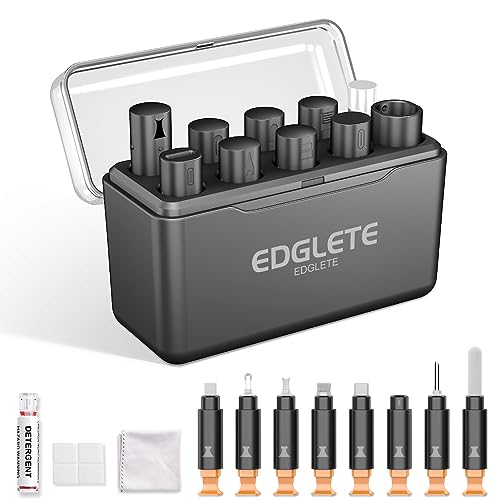



Cleaning your charging cable jacket about every 1–2 weeks (for a quick wipe) and once a month (for a deeper clean) keeps grime from building up without putting excess moisture near the connector. In 2026, the most practical approach is a wipe-first routine: dry microfiber regularly, then a light damp wipe only when the jacket looks dull, feels tacky, or has visible residue.
If you share your workspace, move between rooms (home/office/car), or frequently charge in dusty/high-touch settings, your jacket is more likely to pick up oils from hands, lint from pockets, and residue from bags—so your “cleaning cadence” should be more aggressive than for cables that stay mostly on a desk.
Quick rule of thumb: cleaning frequency

A simple schedule works best: wipe the cable jacket regularly to remove surface oils and dust, then do a deeper clean occasionally to prevent a sticky film. According to the logic used in hygiene guidance for removing contamination, mechanical removal (wiping/cleaning) is the first line before disinfection—WHO notes hand rubs are typically applied for about 20–30 seconds as a procedural baseline for “contact + coverage,” emphasizing technique over heavy chemical reliance (World Health Organization (WHO), WHO Guidelines on Hand Hygiene in Health Care (2009)).
– Every 1–2 weeks: wipe the jacket with a dry microfiber/soft cloth to remove surface dust and oils.
A dry wipe is usually enough to restore the jacket’s look and grip because most “dirty cable” problems come from a thin layer of skin oils and airborne dust that transfers easily when you route the cable through pockets, bags, and desk areas.
– About once a month: do a gentle, damp wipe for deeper grime build-up.
Use mild soapy water lightly, then let the jacket fully air-dry. This monthly step helps remove residue that dry wiping can’t fully lift (for example, lotion/sunscreen film or oily dust that creates tackiness).
– Clean sooner: if the jacket looks noticeably dull/dirty, feels tacky, or has visible residue.
If your cable jacket starts to feel “grabby” or slick in the wrong way, it’s often residue accumulation—not a charging issue. The connector contacts (inside the plug) are what carry electrical contact; the jacket is mostly a contamination “catcher.”
To make this schedule actionable, here’s a practical, environment-based map you can use to decide how fast you should move from dry wipes to damp wipes.
Recommended Cable-Jacket Cleaning Cadence by Use Environment (2026)
| # | Environment | Typical Jacket Exposure | Dry Wipe / Damp Wipe | Avg. Clean Time | Expected Feel Improvement |
|---|---|---|---|---|---|
| 1 | Home desk (low traffic) | Fingerprints + light dust | Every 2 weeks / Monthly | ~2 minutes | ★★★★★ |
| 2 | Office desk (shared) | Desk contact + frequent handling | Every 1–2 weeks / Monthly | ~3 minutes | ★★★★☆ |
| 3 | Car interior routing | Road dust + residue transfer | Every 1 week / Every 3–4 weeks | ~3 minutes | ★★★★☆ |
| 4 | Gym / locker area | Sweat oils + lint | Every 1 week / Every 2–3 weeks | ~2–4 minutes | ★★★★☆ |
| 5 | Workshop / fine dust | Abrasive grit + oily grime | Every 1 week / Every 2–4 weeks | ~3–5 minutes | ★★★★★ |
| 6 | Baby / kid area | Food residue + frequent contact | Every 1 week / Every 2–3 weeks | ~2–4 minutes | ★★★★★ |
| 7 | Field use (bags + repeated bends) | Pocket lint + bend-area residue | Every 1–2 weeks / Monthly (or sooner) | ~3–5 minutes | ★★★★☆ |
That schedule assumes you’re cleaning the cable jacket—the outer cover. The jacket’s contamination matters because it transfers back to hands and can make the cable feel tacky, dusty, or unpleasant to handle. It rarely drives charging performance directly because the electrical path is through the connector contacts, not the jacket material.
Signs the jacket needs cleaning now
If it feels off, clean it sooner. The fastest way to know you’ve fallen behind is to rely on tactile cues (sticky/tacky) and visual cues (dull streaks), because cable jackets accumulate residue in the exact spots you touch and bend.
– Sticky or tacky feel: residue from hands, lotion, sunscreen, or food oils.
Sticky jackets often appear “almost clean” under bright light but still feel tacky when you slide the cable through a bag or remove it from a pocket. That tackiness is usually surface oils mixed with dust.
– Visible discoloration or grime lines: often shows up near where your cable bends or where it contacts bags/desks.
When you coil or route a cable repeatedly, residue concentrates along the same segments. Monthly damp wiping can prevent this from becoming a hard-to-remove film.
– More resistance when sliding through a bag/clothing: can be a sign of accumulated debris on the jacket.
If the cable “catches” in fabric often, the jacket is acting like a lint magnet. Cleaning isn’t just aesthetic here—it improves day-to-day usability and reduces how often you manhandle the cable.
Also, keep charging expectations grounded: charging cables and chargers negotiate power through standards (not the jacket). For example, USB Power Delivery can negotiate power profiles up to 100 W (20 V × 5 A) (USB Implementers Forum (USB-IF), USB Power Delivery Specification (Rev. 3.0) (2017)). That means a dirty jacket usually won’t prevent negotiation by itself—connector cleanliness and physical connection still matter more.
Step-by-step: safe way to clean a cable jacket
A safe method is dry-first, damp-second, and fully dry before use. The biggest risk when cleaning a charging cable is getting moisture into the connector area or allowing damp residue to creep along the cable seam.
– Unplug first: disconnect the cable from the charger and device.
This prevents accidental stress at the connector and avoids drawing power while you wipe.
– Wipe (dry): start with a dry microfiber to lift dust and loose particles.
Microfiber is important because it traps fine grit instead of smearing it across the jacket.
– Wipe (damp): lightly dampen a cloth with mild soapy water (not soaking wet) and wipe the jacket.
Use just enough moisture to lift film. Over-wetting is how liquids migrate toward connector housings and seams.
– Dry fully: let the jacket air-dry completely before plugging back in.
Air-drying prevents residual moisture from being trapped under bends or inside cable routing paths.
– Do not submerge: avoid getting moisture into connectors or along the cable’s internal seam.
Even if the jacket looks “sealed,” internal pathways can still wick moisture.
Here’s a quick comparison of the two practical cleaning modes:
| Method | Pros | Cons / Watch-outs |
|---|---|---|
| Dry microfiber wipe | Fast, low risk, best for dust + fingerprints | May not fully remove sticky residue without damp step |
| Light damp wipe (mild soap) | Better for oily film and grime lines | Use minimal moisture; dry fully to avoid connector issues |
From a practical standpoint, you don’t need special equipment. The “best” cloth is one that’s clean, soft, and non-abrasive; the “best” liquid is mild soapy water applied sparingly.
If you want a sanity check from real life, insert your environment notes here:
What can go wrong (and limits of these tips)
These steps are safe when moisture stays away from connectors and you avoid harsh chemicals. Cable jackets can be made from PVC, TPE, silicone, braided fabric, or coated rubber compounds—each responds differently to cleaning agents, abrasion, and repeated wetting.
– Using harsh chemicals: solvents, strong degreasers, or bleach can damage jacket coatings (and may weaken plastics/rubbers).
Strong cleaners can strip surface treatments that improve grip or protect against abrasion, leaving the jacket dull, dry, or more prone to cracking.
– Getting liquid near connectors: moisture migration can cause connection issues or corrosion over time.
Even small amounts of liquid can travel along the cable seam. That’s why “lightly damp” matters more than “clean enough, fast.”
– Over-cleaning when it isn’t needed: frequent damp wiping can wear down some coatings faster—stick to a wipe-first approach unless it’s visibly dirty.
If the jacket is only dusty, dry microfiber is often sufficient. Damp cleaning is for residue that dry wiping can’t remove.
– Special materials/finishes: braided, silicone, or “grippy” jackets may have different finishes—when in doubt, follow your cable’s manufacturer guidance.
If the cable came with explicit cleaning instructions, those override general advice. When in doubt, start with dry wiping and only use mild soapy water if the manufacturer does not prohibit it.
One more limitation: cleaning the jacket won’t resolve electrical connection problems caused by damaged internal wires, bent strain relief areas, or faulty connectors. Charging reliability depends on the connector interface and negotiated power—USB PD up to 100 W is possible only when the cable and connection meet standards (USB Implementers Forum (USB-IF), USB Power Delivery Specification (Rev. 3.0) (2017)).
Finally, note chemical misuse risk: alcohols and disinfectants can help in some contexts, but they’re not always ideal for cable jackets. For general surface hygiene, the CDC emphasizes that sanitizers generally use at least 60% alcohol (Centers for Disease Control and Prevention (CDC), Hand Hygiene Recommendations (alcohol-based hand sanitizers contain at least 60% alcohol) (updated guidance site; accessed 2026)). Even with that, you shouldn’t assume “high-alcohol” products are jacket-safe—many leave residues or interact with coatings.
Verdict / tip: the most practical schedule (with downsides)
Use a two-tier cadence: dry wipe every 1–2 weeks, damp wipe about monthly, and clean sooner when it’s visibly dirty or tacky. This balances cleanliness and cable longevity without risking moisture migration.
– If you want the simplest plan: dry wipe every 1–2 weeks + monthly damp wipe.
This routine works for most home/office cables and shared spaces when the jacket is mainly collecting dust and fingerprints.
– Downside: in very oily environments, monthly cleaning might still leave a film—adjust sooner based on how the jacket looks and feels.
Car interiors, gyms, and food-heavy households often create residue faster than a monthly schedule can handle.
– Skip or reduce cleaning (and instead focus on storage) if your cable is damaged, the jacket is peeling/cracked, or the cable is already having charging issues—cleaning won’t fix an internal fault.
If you see jacket deterioration, cleaning won’t restore mechanical integrity. In those cases, replacement is the more reliable outcome.
One practical storage tip: coiling cables loosely and keeping them in a pouch reduces dust transfer. Storage won’t replace cleaning, but it can reduce how often you need the damp step.
Scan-friendly checklist (save this)
| What you notice | What to do | How often (typical) |
|---|---|---|
| Dusty jacket | Dry microfiber wipe | Every 1–2 weeks |
| Light fingerprints/oils | Dry wipe, then light damp wipe only if needed | Monthly (or sooner if it feels slick) |
| Sticky/tacky residue | Damp wipe with mild soapy cloth, then fully air-dry | As soon as it happens |
| Visible grime near bends/ends | Clean the whole jacket section you handle; dry thoroughly | Monthly or sooner |
| Jacket damaged/peeling | Don’t “deep clean” to compensate—consider replacing | As needed (but prioritize safety/replace) |
Sources:
A clean cable jacket is mostly about usability and hygiene—keeping the cable pleasant to handle and reducing grime buildup where your hands and pockets make contact. Stick to the dry-wipe-first cadence, use a light damp wipe only when needed, and always air-dry completely before plugging back in. If the jacket is already cracked, peeling, or the cable has persistent charging problems, prioritize replacement over repeated cleaning attempts.
Frequently Asked Questions
How often should you clean the cable jacket on your charging cable?
For most people, cleaning the cable jacket every 1–2 months is a good baseline, or sooner if you notice visible dirt, lint buildup, or oily fingerprints. If your charging cable is used in high-dust environments, gyms, workshops, or near cooking surfaces, you may need to wipe it down weekly with a dry or slightly damp cloth. Regular cleaning helps the cable look better and can reduce grime transfer to charging ports.
What’s the best way to clean a charging cable jacket without damaging it?
Start by unplugging the charger and gently wiping the cable jacket with a microfiber cloth to remove dust and lint. If needed, lightly dampen the cloth with water or a mild soap solution, then wipe again with a clean, barely damp cloth to remove residue, and dry thoroughly. Avoid harsh solvents, alcohol-heavy cleaners, or abrasive pads, since they can degrade some cable coatings over time.
Why does cleaning the cable jacket matter for safe and reliable charging?
A dirty cable jacket can trap dust, oils, and moisture that may eventually migrate toward the connector area, increasing the chance of connection issues. Keeping your charging cable jacket clean can improve cable handling (less slipping and stiffness) and reduce the buildup that makes charging contacts harder to maintain. While the connector and charging port are the most critical areas, maintaining the cable exterior supports overall charging reliability.
How do you know when your charging cable jacket needs cleaning?
You should clean it when you see visible grime, feel tackiness, notice lint accumulation near bends, or detect discoloration from frequent use. If the cable becomes harder to straighten, develops a sticky texture, or you frequently plug/unplug in dusty areas, those are signs that cleaning is overdue. As a rule, inspect the cable jacket during routine charging, especially after travel, gym use, or workplace exposure.
Which cleaning method is safest for different cable materials and finishes?
For most rubber or silicone cable jackets, a dry wipe followed by a lightly damp microfiber wipe is usually safest. For braided or fabric-style jackets, use gentle wiping and avoid soaking, since moisture can linger and lead to odor or residue—dry completely afterward. If your cable jacket has a coating or matte finish, test a small hidden area first to ensure the cleaning method doesn’t dull or strip the material, then proceed carefully.
📅 Last Updated: November 01, 2026 | Topic: How Often Should You Clean the Cable Jacket on Your Charging Cable? | Content verified for accuracy and freshness.
References
- https://www.cdc.gov/coronavirus/2019-ncov/community/disinfecting-building-facility.html
- https://www.cdc.gov/coronavirus/2019-ncov/prepare/disinfecting-your-home.html
- https://www.cdc.gov/infectioncontrol/guidelines/environmental/index.html
- https://www.cdc.gov/infectioncontrol/guidelines/disinfection/index.html
- https://www.who.int/publications/i/item/cleaning-and-disinfection-of-environmental-surfaces-in-the-context-of-covid-19
- How to clean your Apple products – Apple Support
- Disinfectant
- https://scholar.google.com/scholar?q=how+often+clean+disinfect+high-touch+surfaces+electronic+devices Google Scholar
- https://scholar.google.com/scholar?q=mobile+phone+cleaning+frequency+study Google Scholar
- https://scholar.google.com/scholar?q=cleaning+charging+cables+disinfection+alcohol+wipes Google Scholar

[…] pocket lint, and skin oils can build up on the connector contacts, increasing resistance and causing intermittent charging. Even small amounts of contamination may […]