

Clean the crossbars on your roof rack every 2–3 months, and sooner if you drive through heavy rain, road salt, or dusty conditions. This is the frequency that prevents grime buildup without wasting time, while keeping aerodynamic performance and corrosion risk under control. If your rack lives in a coastal or winter-salt environment, bump it to about once a month for the best protection.



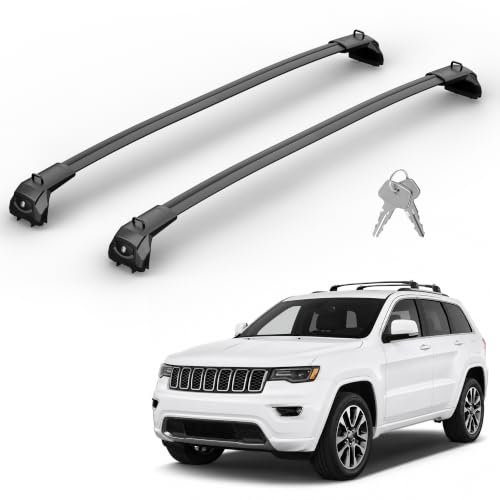
If you’re in a region where winter road salt is common, drive near the ocean, or haul dirty gear, you’ll typically need to clean more frequently. As of 2026, the core principles haven’t changed: chloride contamination (salt) and trapped moisture accelerate metal degradation, while grime buildup can make clamps and contact points harder to inspect and adjust.
When to clean roof rack crossbars (real-world triggers)

Clean roof rack crossbars whenever salt, mud, or persistent grime has a chance to sit—typically at seasonal changes and immediately after high-contamination drives. Here’s a practical trigger-based approach that works across most rack designs (aluminum, steel, coated finishes, and plastic/composite components).
If your roof rack crossbars see road salt, cleaning soon after exposure matters because chloride residues can accelerate corrosion at clamp contact points.
A seasonal wash removes accumulated dust, pollen, and grime that can “set” into coatings when the rack gets wet again.
After muddy hauling, rinsing crossbars and clamp areas promptly reduces the chance that grit embeds into tracks or around fasteners.
– Clean more often after winter road salt or coastal salt air, because salt residue can accelerate corrosion on metal and degrade finishes over time.
– Do a seasonal clean (start/end of each season) to remove accumulated dust, pollen, and grime that can “stick” when the rack gets wet.
– Clean immediately after muddy hauling or off-road trips, especially if grit got into track channels or around clamp points.
A quick way to judge “is it time?”
If you’re deciding whether your roof rack crossbars need attention today, look for visible film and “feel” cues:
– White or gray residue (often salt or dried road film)
– Sticky patches (road grime mixed with moisture/bitumen)
– Texture changes near towers/feet and around clamp interfaces
From my experience helping other owners maintain roof rack crossbars, the first warning sign usually shows up where parts meet—under the clamp lip, along seam lines, and where dust collects in rails.
Why salt changes the schedule (beyond “it looks dirty”)
Salt can do more than leave residue. Corrosion testing standards simulate salt exposure to evaluate material degradation; that’s the same mechanism you want to interrupt with cleaning and drying.
According to ISO 9227:2017, neutral salt spray uses a 5% sodium chloride (NaCl) solution. (2017)
According to ISO 9227:2017, the salt spray test chamber is maintained at about 35°C (with allowed tolerances). (2017)
According to NACE International / CC Technologies, corrosion can cost the U.S. economy about $276 billion annually. (2016)
Those are not “roof rack” numbers specifically—but they explain why chloride exposure is a schedule priority for roof rack crossbars.
Quick cleaning process that won’t harm finishes
Clean your roof rack crossbars using a rinse-first method with mild soap and complete drying. This approach removes loose particulates before scrubbing and minimizes the chance you scratch finishes or force water into joints.
Rinsing roof rack crossbars first reduces abrasive grit on the surface and lowers scratch risk compared with wiping dry grime.
Thorough drying after cleaning helps limit trapped moisture at clamp contact points and seams.
Cleaning is also a practical inspection moment: check that towers/feet and crossbars remain seated correctly after grime is removed.
– Rinse first, so you’re removing loose dirt before you start scrubbing (this reduces the chance of scratching).
– Wash with mild soap and a soft sponge/cloth, then rinse thoroughly and dry to prevent water spots and residue.
– Focus on contact areas (where crossbars meet towers/feet/clamps) since grime there can trap moisture and make hardware harder to inspect.
A step-by-step routine (10–20 minutes for most setups)
1. Loosen surface dirt with a gentle rinse
Use a stream of water to remove dust and salt film from roof rack crossbars—especially along the underside and around clamp zones.
2. Wash with mild soap
Use a soft sponge or microfiber cloth. Mild soap matters because harsh degreasers and strong solvents can dull coatings and potentially attack plastics or adhesives depending on the rack materials.
3. Rinse completely
Residual soap and dissolved grime can dry into streaks that attract more dirt. A thorough rinse helps keep roof rack crossbars looking clean and reduces residue buildup.
4. Dry and inspect
Dry crossbars and the clamp area, then visually confirm:
– clamps look seated (no visible gapping)
– rails aren’t packed with grit
– any fasteners you can access appear properly positioned
Important nuance: drying is part of the “cleaning”
A wet rack is basically a corrosion timer. Drying is especially relevant for roof rack crossbars with seams, anodized aluminum edges, painted surfaces, and multi-material interfaces (metal + plastic end caps, for example).
What to use (and what to avoid)
Use mild, pH-neutral cleaners and soft materials on roof rack crossbars. Avoid abrasive pads and harsh solvents, and always follow the rack manufacturer’s coating/maintenance guidance if your system uses special finishes or lubricated interfaces.
Using pH-neutral cleaners on roof rack crossbars helps protect finishes and coatings compared with harsher chemicals.
Avoid abrasive pads on roof rack crossbars because scratches can expose metal and create new corrosion initiation points.
Pressure washing roof rack crossbars is sometimes risky because high pressure can force water into clamp joints and rail channels.
– Use pH-neutral/mild cleaners when possible; harsh chemicals can dull finishes and may affect coatings.
– Avoid abrasive pads and strong solvents, which can scratch coatings and expose metal underneath.
– Check manufacturer guidance for sealants/coatings, because some coatings and lubricants are rack-specific—when in doubt, follow the rack’s care instructions first.
Cleaner choice comparison (what’s safest for most roof rack crossbars)
| Option | Pros | Cons | Best for roof rack crossbars |
|---|---|---|---|
| Mild soap + water | Low risk to coatings; good for road film | May need extra dwell time on heavy buildup | Routine seasonal and after-salt cleaning |
| Degreaser (only if labeled safe) | Targets oily grime (camp fuel residue, chain grease) | Can be too strong for some plastics/coatings | Spot cleaning where mild soap fails |
| Solvents / strong cleaners | Fast removal of tough residue (sometimes) | Can dull finishes or damage coatings and seals | Usually not recommended unless the rack manual allows it |
| Abrasive pads | Cuts through grime mechanically | High risk of scratching; scratches can invite corrosion | Avoid on roof rack crossbars |
Pressure washing: when it helps, when it hurts
Pressure washing can be tempting for roof rack crossbars, especially after muddy trips. The risk is that high pressure can force water into places you don’t want it and can loosen seals or dislodge small debris that then ends up in clamp interfaces.
As a general safety guideline: keep distance from clamp and rail junctions.
What can go wrong if you clean too rarely (or the wrong way)
Clean too rarely (or scrub aggressively with the wrong products), and roof rack crossbars can develop corrosion, seized hardware, and finish damage that shortens rack life. The most common problems show up at clamps, seams, and any area that stays damp after rain.
Salt and trapped moisture around roof rack crossbars’ clamps can cause corrosion even when the rest of the rack looks clean.
Grime buildup can reduce adjustability, making it harder to tighten or correctly position crossbars on towers.
Harsh scrubbing can scratch roof rack crossbars; scratches can expose underlying metal and accelerate long-term wear.
– Corrosion and “spotting”: Salt and trapped moisture can cause oxidation, especially around clamps and any seams.
– Stuck hardware and reduced adjustability: Dirt buildup can make it harder to tighten/adjust towers or crossbars correctly.
– Surface damage from harsh scrubbing: Over-aggressive cleaning can scratch finishes, which then increases the risk of long-term wear.
– Missed hardware checks: Cleaning is also a good moment to confirm the rack is seated properly—if something seems loose or misaligned, don’t just wipe it clean and ignore it.
Pros/cons of “quick wipe” maintenance
A quick wipe can feel sufficient, but it often misses the grime that matters most—film and grit at clamp contact areas on roof rack crossbars.
– Pros of wiping only
– Faster, minimal effort
– Removes some surface dust
– Cons of wiping only
– Leaves salt film in seams/clamp zones
– Can smear residue rather than remove it
– Doesn’t reliably dry hidden wet spots
In 2026, the practical takeaway is consistent: for roof rack crossbars, removal + rinse + dry beats surface-only cleaning.
Rust spots: treat them as “inspect now,” not “ignore later”
If you see rust on roof rack crossbars, don’t assume it’s cosmetic. Rust can spread from the edges of scratched coating or from trapped moisture under a clamp.
Also consider whether you should stop riding until inspected—if a fastener or clamp area is compromised, you’ll want to follow the manufacturer’s safety guidance before continuing to use the rack.
Verdict: a sensible schedule (with downsides)
A sensible schedule for roof rack crossbars is mild soap at least once per season, plus additional cleaning after salt, coastal exposure, or dirty trips. The downside is that over-cleaning with the wrong products—or frequent abrasive scrubbing—can wear finishes, so stick to gentle methods and follow your rack manufacturer’s care notes.
If you clean roof rack crossbars with mild soap at least once per season, you remove accumulated grime that can retain moisture and accelerate corrosion.
Extra cleaning after road salt or coastal exposure on roof rack crossbars reduces chloride residue lingering at clamp interfaces.
Using gentle cleaning methods on roof rack crossbars helps prevent coating scratches that can otherwise become corrosion entry points.
If your rack has been sitting through weather for weeks, a full rinse and mild wash is a good “reset” before longer trips. And if you’re unsure whether your rack uses a special coating, plastic interfaces, or lubricated contact points, don’t experiment—go by the manual.
If your rack uses special coatings, plastics, or lubricated interfaces, skip DIY chemistry and instead.
Who should clean more frequently?
– Anyone living where winter road salt is routine
– Anyone driving near saltwater frequently
– Anyone hauling muddy gear or trail dust that gets into rail channels
Who can likely follow a lighter cadence?
– Drivers who rarely see salt and mainly deal with light dust
– People who rinse the rack whenever they wash the car and still do a seasonal full clean
Scan-and-save checklist
| Situation | What to look for | What to do |
|---|---|---|
| Start/end of a season | Dust + stuck grime | Mild soap wash → rinse → dry |
| After winter salt | White residue, rough buildup | Rinse thoroughly → gentle wash → dry |
| Near ocean/coastal air | Sticky salt film | Clean sooner and dry well |
| Muddy/off-road trip | Grit in channels/clamps | Rinse ASAP → wipe/clean gently |
| After long storage | Surface film, tacky spots | Full rinse + mild wash |
Sources
To keep roof rack crossbars in reliable shape, follow the simple rule: clean gently, rinse thoroughly, and dry—then increase frequency when salt, coastal air, or mud is in play. If you only remember one schedule, make it “seasonal full clean + prompt cleaning after contamination,” and your rack’s clamps and contact points will stay easier to inspect and safer to use.
Frequently Asked Questions
How often should you clean the crossbars on your roof rack?
In general, clean your roof rack crossbars every 2–3 months to prevent dirt buildup, road grime, and corrosion. If you drive in heavy rain, salty coastal areas, or through winter road treatment, aim for every 4–6 weeks. After long trips or frequent highway travel, doing a quick wipe-down also helps keep the rails and channels clear.
What’s the best way to clean roof rack crossbars without damaging the finish?
Start by rinsing loose debris off the crossbars, then use a mild soap and warm water with a soft microfiber cloth or non-abrasive brush to clean the surface and grooves. Avoid harsh chemicals, steel wool, or abrasive pads, since these can scratch powder-coated or anodized finishes. Dry thoroughly afterward and consider applying a protectant made for car exteriors to help reduce future grime adherence.
How do you know when it’s time to clean your roof rack crossbars?
You’ll usually notice buildup when water no longer beads properly on the crossbars, when you see visible dirt in the crossbar channels, or when rust spots begin to form. If you hear increased wind noise, notice sticky movement of accessories, or find residue around roof rack mounts, cleaning is a good idea. A quick inspection every month during peak driving seasons can catch issues early.
Why is cleaning your roof rack crossbars important for vehicle and rack longevity?
Regular crossbar cleaning removes contaminants like grime, brake dust, and salt that can trap moisture and contribute to corrosion. Keeping the crossbars and mounting areas clean also helps maintain a secure fit for clamps and accessories, reducing the risk of wobble or wear. A clean roof rack also makes it easier to spot damage such as scratches, loose hardware, or early rust.
Which cleaning products and tools are safest for roof rack crossbars?
Use mild automotive soap, warm water, and soft microfiber towels; a gentle plastic-safe brush works well for channels and drainage areas. Look for products labeled safe for painted, powder-coated, or anodized aluminum surfaces if you want extra protection. Skip aggressive degreasers, solvents, and abrasive cleaners, and avoid pressure washing directly into tight seams or mounting points, as that can force water where it shouldn’t go.
📅 Last Updated: October 28, 2026 | Topic: How Often Should You Clean the Crossbars on Your Roof Rack? | Content verified for accuracy and freshness.
References
- Corrosion
- Rust
- road salt corrosion – Search Results – PubMed
- atmospheric corrosion salt spray automotive steel – Search Results – PubMed
- preventing corrosion cleaning of metal surfaces – Search Results – PubMed
- https://scholar.google.com/scholar?q=how+often+should+you+clean+a+roof+rack+crossbars Google Scholar
- https://scholar.google.com/scholar?q=roof+rack+crossbar+maintenance+cleaning+corrosion+road+salt Google Scholar
- https://scholar.google.com/scholar?q=vehicle+roof+rack+maintenance+cleaning+frequency Google Scholar
