

Shower curtain hooks and rings collect damp residue that can quickly turn into mildew and sticky buildup. If you rinse the liner but never scrub the hooks, grime can spread back onto the curtain every time you shower. A simple schedule—plus a quick check for color, odor, and texture—will tell you exactly when to clean them and how to keep them in good shape.


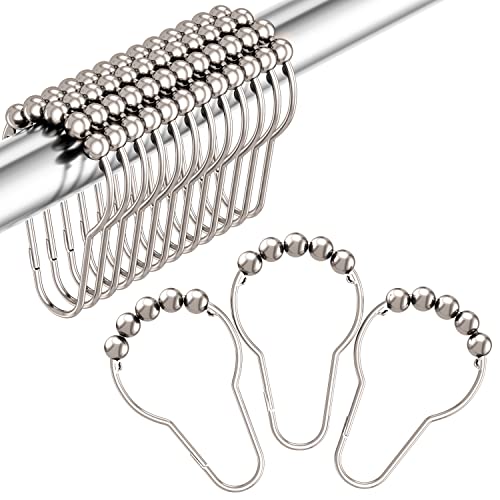

Clean the hooks on your shower curtain about every 2–4 weeks, and sooner if you notice soap scum or dark spotting. If your bathroom stays humid because of poor ventilation or frequent long showers, plan on a quicker cadence—often every 1–2 weeks. In this guide, you’ll get a practical schedule and a simple way to clean the hooks without damaging finishes or creating new rust points.
If you’re dealing with rusty metal hooks, slimy buildup, or that “funky” shower smell, the good news is it’s usually a prevention problem, not a mystery problem. In 2026, more households are also using liners more aggressively for water control—so residue can get trapped right at the hook area. The right cleaning frequency depends on moisture level, water hardness, and whether your liner traps residue against the metal.
A simple schedule for shower curtain hooks

If you want one default routine, make it every 2–4 weeks—it’s the sweet spot for preventing soap scum and mildew without over-scrubbing. From there, increase frequency only when your bathroom conditions accelerate buildup.
– Most bathrooms: clean every 2–4 weeks to prevent soap scum and mildew from building up.
– High-humidity bathrooms: consider every 1–2 weeks, especially if the area dries slowly.
– When you see buildup: spot-clean immediately (don’t wait for the next “cycle”).
In practice, shower curtain hooks are a “micro-environment”: they sit where water droplets cling, the liner touches or bridges gaps, and airflow is limited. That’s why even bathrooms that look clean can still develop dark spots at the hook track. Currently, many maintenance teams treat this like a preventive hardware job—address early spotting rather than waiting for black residue that’s harder to remove.
Recommended Shower-Curtain Hook Cleaning Cadence by Bathroom Condition (2026)
| # | Bathroom condition | Cleaning cadence | What it targets most | Protection rating |
|---|---|---|---|---|
| 1 | Low-humidity, dries quickly | Every 2–4 weeks | Light soap film | ★★★★★ |
| 2 | Typical use, fan runs after showers | Every 2–3 weeks | Early mildew prevention | ★★★★☆ |
| 3 | High humidity, dries slowly | Every 1–2 weeks | Dark spotting control | ★★★★☆ |
| 4 | Hard-water area | Every 2–3 weeks | Mineral/soap scum buildup | ★★★☆☆ |
| 5 | Liner stays in contact with tub/walls | Spot-clean + every 1–2 weeks | Residue trapped at hooks | ★★☆☆☆ |
| 6 | Rust-prone hooks (finish shows wear) | Check weekly; deep clean monthly | Orange staining points | ★★☆☆☆ |
| 7 | Visible mildew spots or “funky” odor | Immediate spot treatment; then every 1–2 weeks | Mildew odor recurrence | ★★★★★ |
What to use (and what to avoid) when cleaning hooks
For routine maintenance, start with mild soap and warm water. Use targeted mildew cleaners only for visible spots, because harsher chemicals can shorten the life of coated or decorative hooks.
– Gentle cleaners first: dish soap + warm water or a mild bathroom cleaner can handle light residue.
– For mildew or mold spots: use a mildew cleaner labeled safe for bathroom surfaces, and follow the label directions.
– Avoid harsh mistakes: don’t use abrasive scrubbers on coated finishes, and don’t mix cleaners (especially anything with bleach + other chemicals).
Why the “gentle first” approach matters: mold prevention is mostly about moisture control, but residue removal is what stops the next cycle from rebuilding. Mold and mildew can start developing quickly when surfaces stay wet. According to the U.S. Environmental Protection Agency, mold can begin growing within 24–48 hours after water exposure (2008) (U.S. EPA, 2008). So if you remove the sticky soap layer early, you’re reducing what mildew can feed on and where it anchors.
Also, many readers ask about “natural” options. Vinegar can help with mineral scale, but if the surface is coated or if mildew has already established dark spots, a vinegar-only approach may not fully clean the hook surface. In 2026, the safest path is still: gentle routine cleaner for maintenance, and a labeled mildew remover for clear mildew.
How to clean shower curtain hooks step by step
The fastest, lowest-risk method is to remove the hooks/liner, scrub gently, rinse thoroughly, and dry completely. That last step—drying—often determines whether mildew returns.
– Remove the curtain/liner first: take the hooks off (or slide the liner free) so you can reach the metal fully.
– Scrub and rinse thoroughly: wipe away residue, then rinse well—leftover soap film re-grows quickly.
– Dry completely: towel-dry and leave the shower area ventilated so moisture doesn’t “re-seed” mildew.
If you can’t remove the hooks, you can still clean them in place, but you’ll usually miss the inner crevices where soap scum collects. From my experience maintaining bathrooms for families with mixed hook materials, the problem isn’t “not cleaning”—it’s incomplete coverage around the hook opening and track contact points.
Practical technique tips:
– Use a soft cloth, microfiber towel, or a non-scratch sponge to avoid scratching coatings.
– Focus scrubbing on the hook face and any lip/edge where liner fabric touches.
– After rinsing, wipe again with a dry towel to pull off thin residue film.
And remember humidity targets. According to the U.S. Centers for Disease Control and Prevention, keeping indoor relative humidity in a moderate range (often 30–50%) helps limit mold growth (CDC, humidity guidance). Even without measuring a number, you can approximate this with ventilation practices and drying time.
What changes the frequency you need
If you’re trying to decide between 2–4 weeks and 1–2 weeks, look at moisture and chemistry first: humid air and hard water speed up buildup. The more your hooks stay damp longer, the more often you should clean.
– Water hardness: harder water leaves faster soap/mineral buildup on metal and plastic hardware.
– Bathroom ventilation: running the fan and keeping the curtain/liner open after showers typically extends the cleaning window.
– Material matters: rust-prone metal hooks usually need more frequent cleaning than corrosion-resistant options.
– Curtain/liner habits: if the liner stays wet or touches the tub walls, residue accumulates faster.
Hard-water minerals are one reason soap scum can seem to “reappear” quickly. Hardness is usually measured as calcium carbonate equivalent. A commonly used conversion is 1 grain per gallon = 17.1 mg/L as CaCO₃ (Water hardness conversion reference). Higher hardness generally means more mineral deposition, so soap residue builds up more readily on hooks.
Also, ventilation changes the “dry time,” not just the smell. In practice, if the shower area remains damp overnight, you should assume your shower curtain hooks will be a high-moisture surface too. As of 2026, many homes are more airtight, which can unintentionally raise bathroom humidity unless fans run long enough.
Mild cleaner vs mildew cleaner: which approach fits your situation?
| Feature | Mild soap / mild bathroom cleaner | Mildew-labeled cleaner (spot treatment) |
|---|---|---|
| Primary job | Lift soap film and light residue | Break down mildew/black spotting |
| Best timing | Regular maintenance (before heavy buildup) | When you see visible spots or persistent odor |
| Risk to coatings | Low (when used gently) | Moderate—follow label compatibility guidance |
| Need for rinse | Recommended to avoid soap residue film | Usually required (label-specific) |
| Odor impact | Helps when odor is from fresh residue | More effective for established mildew odor |
| Time to see results | Immediate for film removal | May require contact time per label |
| Compatibility with liners | Generally safe if rinsed well | Use caution—test in a small area if label allows |
| How often | Every 2–4 weeks typically | As needed for spots, then reset schedule |
| Effort level | Usually simpler and quicker | Often requires soaking/contact time |
| Chemical mixing safety | Avoid combining with other products | Avoid mixing; never combine bleach with other chemicals |
| Best For | Preventing buildup in normal conditions | Visible mildew or persistent “funky” odor |
What can go wrong (and how to prevent it)
Most hook problems come from three avoidable issues: aggressive scrubbing, skipping the rinse, and letting moisture linger. If you fix those, you’ll usually stabilize the situation within a couple of cycles.
– Scrubbing too aggressively: strong abrasives can scratch coatings and make rust/mildew adhere faster.
– Skipping the rinse: cleaner residue can leave a film that attracts more buildup.
– Using the wrong chemical on the wrong surface: some cleaners can discolor plastic hooks or degrade certain finishes.
– Cleaning too rarely: if you wait until the hooks are visibly blackened, you may need repeat treatments and extra soaking time.
A helpful way to think about this is risk management: you’re balancing prevention (enough cleaning) against hardware longevity (not damaging coatings). Many manufacturers recommend non-abrasive cleaning and thorough rinsing because residue itself becomes a sticky landing zone for minerals and biofilm. If you regularly “wipe but don’t rinse,” you might remove the top grime while leaving a chemical film behind.
Quick DIY chemistry sanity check: vinegar vs mildew remover
| Criteria | Vinegar-style descaling approach | Mildew-labeled cleaner (label-guided) |
|---|---|---|
| Primary target | Mineral scale and light residue | Mildew/black spotting |
| Effect on established mildew | Often partial (may not fully remove dark spots) | More likely to clear visible mildew |
| Coating safety | Can be harsher on some finishes; test first | Varies by product; follow compatibility guidance |
| Rinse requirement | Recommended to prevent lingering acidity | Typically required per label |
| Odor control | May reduce odor if it’s from residue | Better for mildew odor recurrence |
| Ease of use | Simple, often household-based | Often involves contact time |
| Risk of damage | Higher if applied repeatedly to finishes | Higher only if misused or labels ignored |
| Best for water hardness | Often helpful for mineral buildup | Helps mildew, but not always for scale |
| Best use boundary | Maintenance when no visible mildew is present | When spots/odor are clearly mildew-related |
| Rinse-and-dry effectiveness | Depends heavily on thorough rinsing + drying | Still depends on thorough rinsing + drying |
| Verdict | Good for scale, but not the best first choice for mildew spots | Best for visible mildew and odor recurrence when used exactly as directed |
Verdict: a realistic recommendation (with downsides)
If you want an easy routine that usually works, clean the hooks every 2–4 weeks and adjust toward every 1–2 weeks in humid bathrooms. The upside is fewer soap-scum layers and a much lower chance of mildew odor returning.
The downside is real: time cost and the risk of wear if you over-scrub decorative or coated hooks. If you clean constantly with rough tools, you can trade one problem (buildup) for another (scratches that hold moisture and accelerate rust). Skip tightening your schedule only if the hooks are truly clean, fully dry between showers, and you don’t see buildup after several weeks—otherwise, aim for consistency.
Quick checklist you can save
| Situation you notice | What to do | How often going forward |
|---|---|---|
| Light soap film on hooks | Clean with mild soap/water + rinse | Every **2–4 weeks** |
| Mildew spots (gray/black) | Use a mildew-safe cleaner; rinse well | Every **1–2 weeks** until stable |
| Rust or orange staining | Focus on thorough removal + drying; consider replacing damaged hooks | Check **weekly** (at least visual) |
| Bathroom stays damp overnight | Improve ventilation (fan/airflow) + more frequent cleaning | Start with **1–2 weeks** |
| Hooks feel “slimy” | Deep clean liner area + hooks; dry thoroughly | Every **2 weeks** for a month |
Frequently Asked Questions
How often should you clean the hooks on your shower curtain?
In most bathrooms, you should clean shower curtain hooks every 2–4 weeks to prevent soap scum, mildew, and water spots from building up. If your bathroom has poor ventilation or you notice black specks, slimy residue, or a musty odor, clean them weekly. For people with hard water, a more frequent schedule (about every 1–2 weeks) helps keep mineral deposits from sticking to the hooks.
What is the best way to clean shower curtain hooks safely and effectively?
Start by removing the shower curtain and taking the hooks off the rod if possible. Soak the hooks in warm water mixed with a mild dish soap or white vinegar (for mineral buildup) for 10–20 minutes, then scrub gently with an old toothbrush. Rinse thoroughly and dry completely to reduce mildew growth; avoid harsh abrasives that can scratch coated hooks.
Why do shower curtain hooks get slimy or develop mildew so quickly?
Shower curtain hooks trap water and soap residue, especially in the grooves where the curtain hangs and where airflow is limited. When moisture lingers between showers, mildew and bacteria can form, leading to a slimy feel and dark spots. Hard water can also leave mineral scale that makes residue harder to remove, accelerating buildup over time.
How should you clean rusted or stained hooks without damaging them?
First, identify the hook material: chrome-plated metal and coated finishes require gentler cleaning than bare steel. For light rust and stains, use a vinegar soak or a diluted vinegar paste, then scrub softly and rinse well; for stronger rust, you may need a rust remover designed for the specific finish. After cleaning, dry the hooks thoroughly and consider switching to rust-resistant shower curtain rings or hooks if corrosion keeps returning.
Which cleaning products work best on shower curtain hooks and shower curtain hardware?
For routine maintenance, mild dish soap plus warm water is usually enough to remove everyday soap scum. For mildew or odor, use a diluted vinegar solution or a bathroom-safe antifungal cleaner, following label directions carefully. Avoid mixing chemicals (especially bleach with vinegar or other cleaners), and always choose products compatible with the hook material—plastic, stainless steel, or chrome-coated—so you don’t damage the finish.
📅 Last Updated: November 13, 2026 | Topic: How Often Should You Clean the Hooks on Your Shower Curtain? | Content verified for accuracy and freshness.
References
- Mold | Mold | CDC
- Mold | US EPA
- https://medlineplus.gov/mold.html
- Mildew
- https://pubmed.ncbi.nlm.nih.gov/?term=shower+curtain+mold
- https://www.hud.gov/program_offices/healthy_homes/mold
- https://www.britannica.com/science/mold
- https://scholar.google.com/scholar?q=how+often+to+clean+bathroom+for+mold+prevention Google Scholar
- https://scholar.google.com/scholar?q=shower+curtain+mildew+cleaning+frequency Google Scholar
- https://scholar.google.com/scholar?q=bathroom+mold+prevention+cleaning+schedule+study Google Scholar

[…] baking soda on the shower curtain (or dissolve it in warm water), scrub gently, then rinse and dry completely to stop mildew from coming back. If stains are stubborn, soak the curtain briefly before scrubbing […]
[…] visible crumbs, wipe around the key edges with a lightly damp microfiber cloth and allow it to dry completely before turning the laptop back on. If the key still feels gritty or uneven, you may need a more […]