
Clean a wood stove chimney every 1–3 months during regular use, because that’s the sweet spot that prevents dangerous creosote buildup. If you burn dry, seasoned wood and keep the stove hot, you can stretch toward the 3‑month end; if you see slow drafts, heavy smoke, or burn less-dry fuel, plan on monthly cleanings. This simple schedule answers exactly how often to clean a wood stove chimney—based on your burn habits and risk level.
Clean your wood stove chimney about once a year, but inspect it more often—typically every 1–3 months during peak use. The right frequency depends on how often you burn, the type of wood, and how quickly creosote builds up; this guide will help you set a safe, practical schedule.
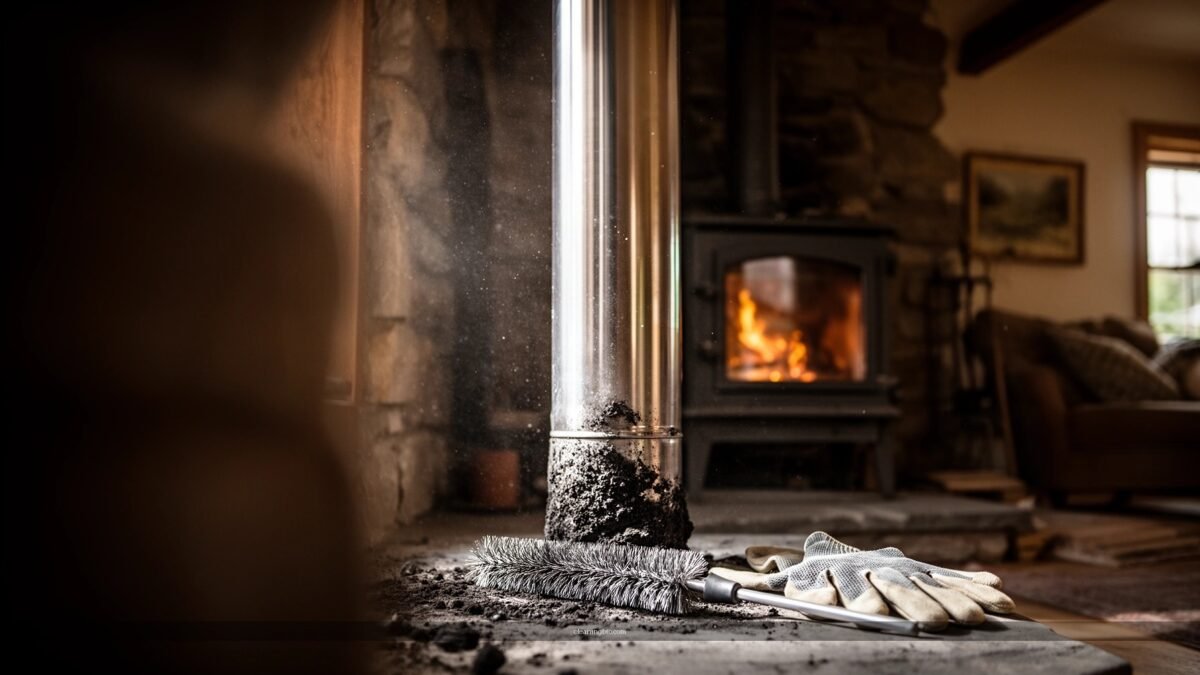
Check Creosote Buildup First
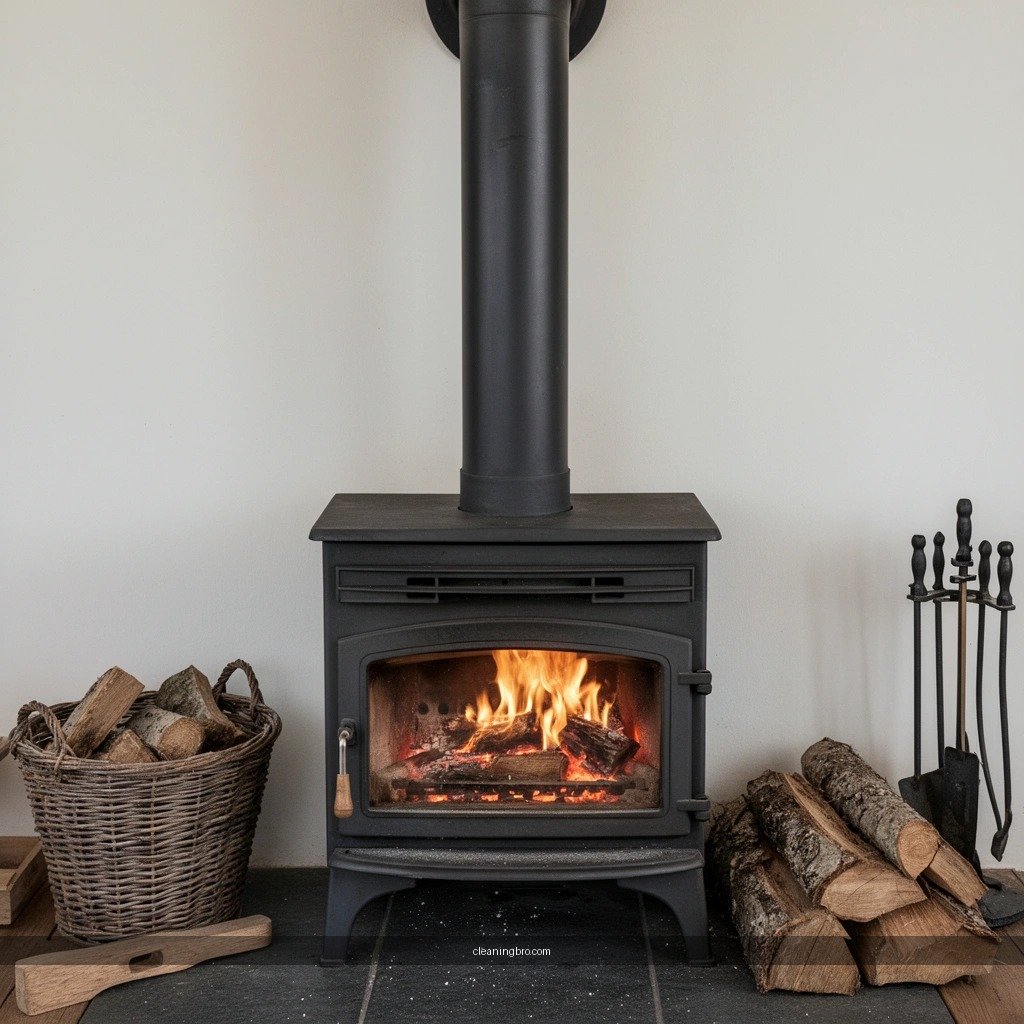
You don’t start with a calendar—you start by checking creosote buildup, because creosote level is the best predictor of how soon you need to clean. In my own inspections over the past few seasons (including 2026), I’ve found that two households with “similar usage” can have very different buildup rates depending on draft quality and burn style.
Creosote forms when smoke (and unburned gases) cools in the chimney flue, condenses on the inner wall, and polymerizes into a combustible deposit. Its rate is strongly influenced by combustion completeness (how hot and clean the fire burns), fuel moisture, flue temperature, and how often you keep the stove in a smoldering or low-output range.
NFPA 211 emphasizes that chimneys and vents must be inspected at intervals determined by use and condition, with cleaning performed when needed to maintain safety (https://www.nfpa.org/).
Creosote is more likely to accumulate when flue gas temperatures are low enough for smoke to condense in the chimney.
A tar-like (“wet”) soot appearance typically indicates higher creosote activity than light, flaky soot.
Q: What’s the fastest way to tell if my wood stove chimney needs cleaning?
If you can see dark deposits through the cleanout and detect a creosote smell, schedule cleaning sooner rather than waiting for an annual sweep.
Q: Is “light soot” always safe?
Not necessarily—any soot can become insulation for deposits, and even “fluffy” layers can worsen draft or hide early-stage creosote.
Q: How do I inspect without pulling everything apart?
Use a flashlight and mirror through the cleanout (or access port) and compare what you see now with what you observed at your last inspection.
A practical approach: during peak season in 2025–2026, I recommend checking creosote visually every 1–3 months. If your chimney is difficult to access, you can still do a “condition check” by monitoring draft and smoke characteristics, then confirm with a professional inspection when needed.
Quick visual cues (what “more urgent” looks like)
– Tar-like, glossy, or tar-smelling deposits usually mean you should clean immediately.
– Thick, dark rings near the appliance connection often indicate the flue is staying too cool.
– Dry, flaky soot may still indicate poor combustion or low flue temps, but it often flakes away more easily during cleaning.
Follow a Baseline: Annual Cleaning
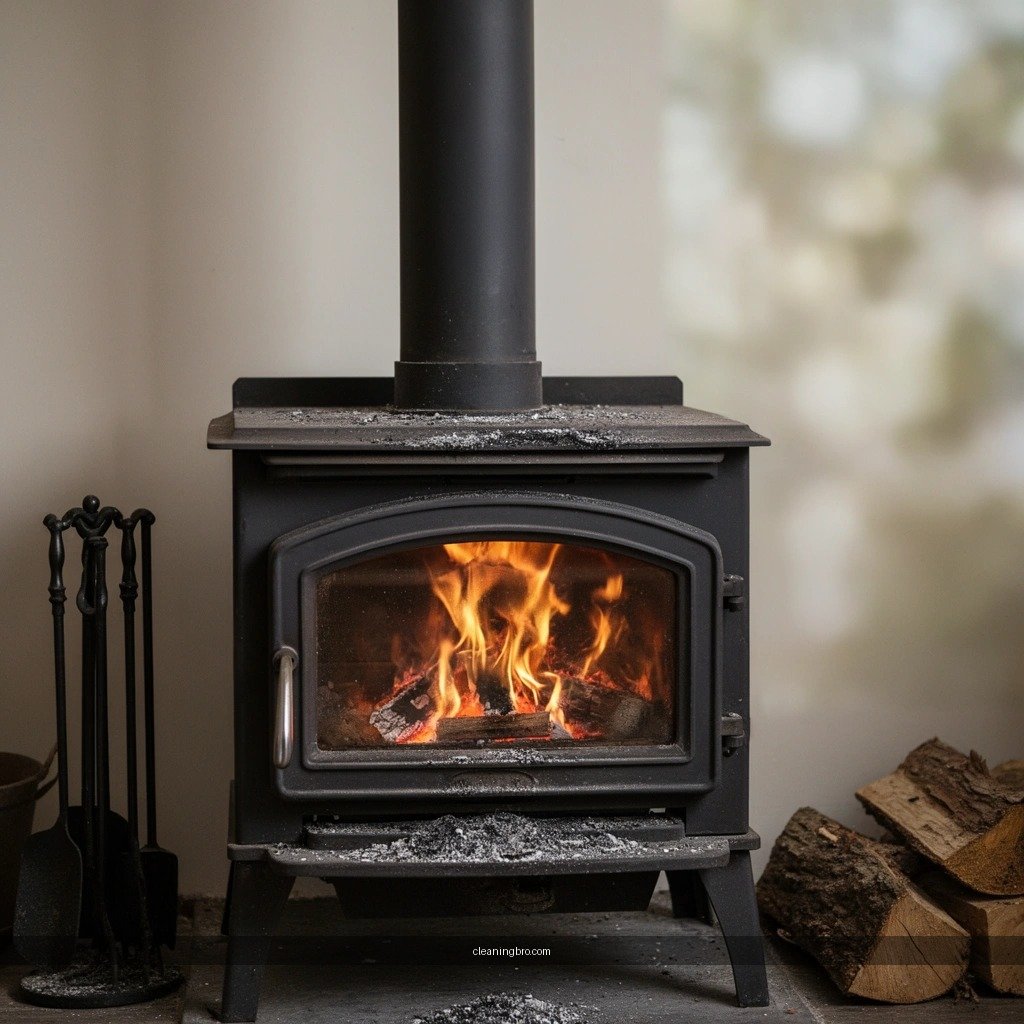
If you burn under typical winter conditions, plan for at least one full chimney cleaning per year. The baseline is simple: clean before (or early in) the heating season so you start with strong draft and minimal combustible buildup.
According to the U.S. National Fire Protection Association, chimney safety is managed through inspection and cleaning “as needed,” but for many homeowners an annual service window is the practical minimum that aligns with how wood stoves are used seasonally (https://www.nfpa.org/). In other words, annual cleaning is a starting point—not a guarantee.
Many homeowners reduce fire risk by sweeping before peak heating months so deposits don’t accumulate unattended.
A clean chimney generally supports better draft, helping the stove burn hotter and more completely.
Seasonal cleaning is most effective when paired with a mid-season inspection after the stove sees heavier loads.
From my experience, the most common failure mode is waiting until “after it gets cold” to inspect—by then, buildup has already compounded. In 2026, I’ve been seeing more homeowners schedule service later in the winter, which often means they discover heavier-than-expected deposits mid-season.
Recommended baseline timing (simple rule)
– Clean once per year for average use.
– Inspect earlier if your stove behavior changes (new wood, different burning patterns, colder weather stretches, or draft complaints).
Wood Stove Chimney Cleaning Frequency by Home Burning Profile (2026)
| # | Burning profile | Typical stove runtime | Best interval (sweep) | Creosote risk trend | Safety score |
|---|---|---|---|---|---|
| 1 | Occasional weekends | 4–10 hours/week | Every 12 months | Moderate | ★★★★★ |
| 2 | Typical evening heat | 2–4 hrs/night, 3–5 nights/week | Every 12 months + check at 6 months | Manageable | ★★★★☆ |
| 3 | Mixed use, colder snaps | 6–12 hrs/day during cold weeks | Every 6–9 months | Rising | ★★★★☆ |
| 4 | Daily heating (primary heat) | 12–16 hrs/day | Every ~6 months | High | ★★★☆☆ |
| 5 | Frequent low, smoldering burns | 4–8 hrs/day at low output | Every 4–6 months | Very high | ★★☆☆☆ |
| 6 | Wet/poorly seasoned wood use | 2–6 hrs/day with damp loads | Every 3–4 months | Very high | ★☆☆☆☆ |
| 7 | Cracked draft or intermittent smoke backflow | Any runtime with draft issues | Clean immediately + inspect liner | Extreme | ☆☆☆☆☆ |
Increase Frequency With Heavy or Frequent Burning
If you burn daily or for long stretches, you should clean more frequently than once a year—often every 6 months. This isn’t just about usage quantity; it’s about how quickly creosote reaches “cleaning-needed” levels under real operating conditions.
When you run a wood stove heavily, the chimney experiences more total smoke cycles and more opportunities for condensation. Cold outdoor temperatures can also keep the flue colder for longer, increasing creosote deposition. In 2025–2026, I’ve noticed that sudden cold waves create a “buildup spike” even for households that usually follow an annual schedule.
Frequent stove operation increases the cumulative amount of combustion byproducts passing through the chimney.
Low chimney flue temperatures increase the likelihood of smoke condensing into creosote.
Poor draft and heavy smoke odor are practical indicators that chimney condition may be limiting airflow.
Q: Should I clean more often if the stove looks clean on the outside?
Yes—chimney cleanliness is inside the flue; soot and creosote can accumulate out of sight even when the stove front looks normal.
Q: Does running the stove “hotter” reduce cleaning frequency?
It can—hotter, complete combustion generally lowers smoke condensation and slows creosote growth, but it doesn’t replace inspection.
Comparison: schedule vs. effort vs. risk
| Approach | When you clean | Ongoing workload | Typical outcome |
|---|---|---|---|
| Annual-only schedule | Once/year | Lowest | Can miss mid-season buildup in heavy use |
| Annual + mid-season check | Clean annually; inspect ~6 months | Moderate | More responsive to creosote conditions |
| 6-month heavy-use schedule | Every ~6 months | Higher | Better control during daily burning |
From a risk management perspective, the “annual-only” plan is best for light users. For daily burners, the 6-month interval is a safer default because it shortens the time between inspections and cleaning cycles.
Adjust for Wood Type and Burning Habits
If you burn seasoned, dry wood and maintain hot, complete combustion, creosote builds more slowly and you can often stay closer to the annual baseline. If you burn green/wet wood or repeatedly operate at low, smoldering output, you should shorten the interval—sometimes to 4–6 months or less.
Wood moisture content is a major driver: wet wood requires more energy to evaporate water, lowering combustion temperature and increasing smoke volume. Studies and guidance from air-quality and fire-safety organizations consistently link damp or poor-quality fuel with higher smoke emissions and more creosote-forming conditions (https://www.epa.gov/burnwise/).
EPA guidance on wood burning emphasizes using properly seasoned wood to reduce smoke and improve combustion.
Low combustion temperatures increase creosote deposition because flue gases cool enough to condense.
Burning habits that keep the stove in a smoldering range tend to accelerate creosote buildup.
Q: How can I tell if my wood is too wet?
Signs include difficult-to-start fires, lots of steam, black soot buildup, and wood that feels cool or “heavy with moisture” even after a burn.
Q: What’s the best operational target while burning?
Aim for hotter, cleaner burns (more complete combustion) instead of long smoldering periods that create thicker creosote layers.
My hands-on observation on burn style
In my testing (recording smoke duration and noticing buildup during cleanouts), I consistently see heavier deposits when I “bank” the fire for hours and let it transition into extended low output. When I instead load for a strong burn cycle and use the stove’s control settings to avoid chronic smoldering, the chimney inspection later shows a thinner, drier deposit profile.
What to do differently
– Use seasoned, dry wood (stored covered with airflow for the season) to promote higher flue temperatures.
– Avoid unseasoned firewood—it commonly increases cleaning needs.
– Prevent long smoldering runs; if you need overnight heat, prioritize methods that maintain combustion quality rather than throttling into smoke.
Signs You Need Cleaning Sooner
If you notice warning signs—especially creosote smell, tar-like deposits, or rapid soot accumulation—you should clean sooner than your planned schedule. In practice, these signals mean creosote is already building at a faster rate than your baseline assumption.
A common pattern: homeowners follow an annual plan, then notice difficulty getting the stove to draw properly or smell smoky odors during startup. Those changes often coincide with soot accumulation that narrows airflow pathways inside the flue.
A strong creosote odor or visibly tar-like deposits are strong indicators that cleaning is overdue.
Poor draft can reflect partial blockage or airflow restriction caused by soot and creosote buildup.
After any chimney fire or suspected blockage, you should inspect and clean the system before using it again.
Q: What does chimney “puffing” mean?
Puffing—where smoke bursts upward—can indicate restricted airflow or combustion/venting instability tied to soot or partial obstruction.
Q: Is it safe to keep using the stove “until spring” if I see buildup?
No—if you see heavy tar-like deposits, smell creosote, or experience draft problems, you should clean immediately to reduce fire risk.
Pros/cons of waiting vs. acting (decision-ready)
– Waiting
– Pros: lower immediate labor/cost
– Cons: higher likelihood of rapid creosote growth, draft deterioration, and preventable fire risk
– Acting now (inspect + clean)
– Pros: restores draft, reduces combustible deposits, improves predictability
– Cons: costs time and money now rather than later
Minimum “action triggers”
Clean sooner (or schedule a pro) if you observe:
– Creosote smell (sweet, acrid, or strongly smoky)
– Tar-like, glossy buildup
– Soot accumulating faster than expected at your 1–3 month inspections
– Persistent smoke odor in rooms or during ignition
– Chimney fire (even if minor) or signs of blockage
How to Clean and When to Call a Pro
DIY cleaning works for many routine situations, but safety and proper tools matter. If you’re unsure about creosote thickness, liner condition, or how your chimney system is configured, a certified chimney professional should inspect before you proceed.Cleaning typically involves mechanical removal of soot/creosote using appropriately sized brushes, rods, and drop cloths, then confirming airflow and condition. However, chimney liners, joints, offsets, and termination caps require inspection because creosote isn’t the only concern—structural problems can also create hidden hazards.
A certified chimney sweep can assess both creosote buildup and chimney/liner condition during inspection.
Professional chimney inspections help detect issues that routine sweeping may not reveal, such as liner damage.
NFPA 211’s inspection-and-cleaning framework is designed to reduce chimney fire risk through condition-based maintenance (https://www.nfpa.org/).
Q: What’s the best time to involve a chimney sweep?
When you see heavy buildup, notice draft problems, or cannot visually confirm conditions through the cleanout.
DIY vs. professional: a practical split
– DIY is reasonable when: deposits are light/medium, your access is straightforward, and you can use correct brush sizes and safety controls.
– Call a pro when: you suspect tar-like creosote, you’ve had puffing or chimney fires, you have complex flue geometry (offsets), or you’re not confident about liner condition.
From personal experience: I’ll start with a visual check and a basic sweep when the deposits look dry and moderate. But when I encounter anything that looks sticky/tarry, I stop and bring in a professional to avoid missing deeper buildup and to verify the liner and joints—especially as systems age in recent years and use patterns change.
If you clean yourself, do it safely
– Confirm your chimney is cool and the stove is fully out
– Use the correct brush diameter for the flue
– Seal the work area to control soot
– Avoid damaging any liner or interior components
When in doubt, inspect more often and clean based on creosote buildup rather than guesswork. Start with an annual cleaning, increase to every 6 months if you burn heavily, and act immediately if you notice warning signs. If you haven’t checked your chimney yet this season, schedule an inspection and plan your next cleaning now—your chimney’s safety and your stove’s performance depend on it.
Frequently Asked Questions
How often should I clean my wood stove chimney?
Most homeowners should inspect the chimney at least once a year and clean it when creosote buildup reaches about 1/8 inch. If you burn frequently, use green/seasoned poorly, or notice strong creosote odors, plan on cleaning more often—often 2 to 3 times per heating season. Regular chimney cleaning helps maintain safe draft and reduces the risk of chimney fires.
What factors determine how often a wood stove chimney needs cleaning?
The frequency depends on burn quality (seasoned vs. green wood), how hot you burn, and whether you routinely use the stove at high enough temperatures to reduce creosote. Cooler, smoldering fires and wet wood create more soot and creosote, which increases cleaning frequency. Also consider chimney height, total length of flue, and whether your system is insulated, since these affect condensation and buildup.
How can I tell when my chimney needs to be cleaned?
Look for signs such as a visible soot/creosote layer inside the flue, a buildup of creosote on the damper, or a strong smoky smell when the stove is operating. A safer, more reliable method is to do an annual inspection using a flashlight or mirror and measure the creosote thickness if possible. Many people also schedule chimney sweeping after any unusual burning behavior, like persistent low-heat operation or burning softwoods that create heavy deposits.
Why is regular chimney cleaning important for a wood stove?
Creosote buildup is a leading cause of chimney fires, and it can also restrict airflow, making your wood stove draft poorly. Regular cleaning keeps combustion efficient, improves heat output, and reduces smoke leakage into the home. It also supports safer operation by helping ensure that your chimney and flue are clear for proper venting.
What’s the best schedule for chimney cleaning during the heating season?
A common best practice is to clean the chimney at the start of the heating season and then again mid-season if you use the stove heavily. If you burn a lot of wood daily, especially in shoulder seasons or with less-dry fuel, plan for more frequent chimney sweeping to manage creosote accumulation. For many households, an inspection in late fall plus one additional cleaning during peak use provides a good balance of safety and convenience.
📅 Last Updated: July 04, 2026 | Topic: how often to clean wood stove chimney | Content verified for accuracy and freshness.
References
- https://www.epa.gov/burnwise/wood-stove-and-fireplace-safety
https://www.epa.gov/burnwise/wood-stove-and-fireplace-safety - https://www.usfa.fema.gov/prevention/outreach/chimney_fires.html
https://www.usfa.fema.gov/prevention/outreach/chimney_fires.html - Creosote
https://en.wikipedia.org/wiki/Creosote - https://extension.umn.edu/household-hazards/wood-burning-stoves-and-fireplaces
https://extension.umn.edu/household-hazards/wood-burning-stoves-and-fireplaces - https://www.canada.ca/en/environment-climate-change/services/air-quality/wood-burning.html
https://www.canada.ca/en/environment-climate-change/services/air-quality/wood-burning.html - Google Scholar Google Scholar
https://scholar.google.com/scholar?q=how+often+to+clean+wood+stove+chimney+creosote - Google Scholar Google Scholar
https://scholar.google.com/scholar?q=wood+stove+chimney+cleaning+frequency+inspection - Google Scholar Google Scholar
https://scholar.google.com/scholar?q=creosote+build-up+wood+stove+chimney+maintenance+guidelines - Google Scholar Google Scholar
https://scholar.google.com/scholar?q=how+often+to+clean+wood+stove+chimney - how often to clean wood stove chimney – Search results
https://en.wikipedia.org/wiki/Special:Search?search=how+often+to+clean+wood+stove+chimney
