

You’ll know exactly how often to clean your bathroom tile surfaces so soap scum, hard-water spots, and mildew don’t build up and dull the finish. This helps you choose the right schedule for your tile type and moisture level, protect grout from premature wear, and keep daily routines manageable. Read on to match cleaning frequency to what your bathroom actually produces, not a one-size-fits-all rule.


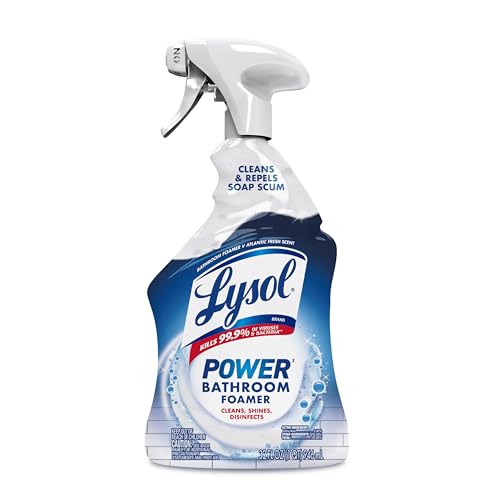
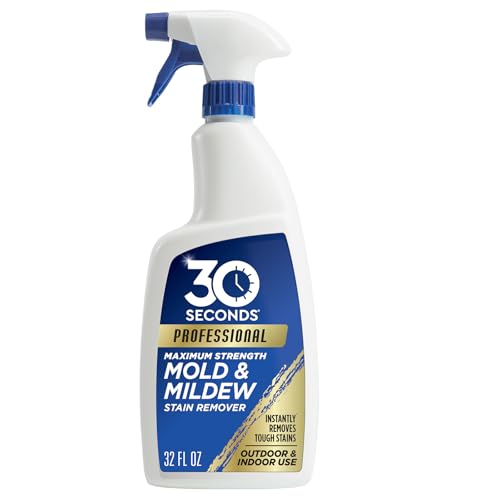
Cleaning your bathroom tile surface about once a week is the sweet spot for most homes, with a quick wipe-down in between when water spots or residue start to show. For heavier grime (soap scum, hard-water spots, or mildew), you may need to clean more often—especially around the shower and along grout lines. In this article, we’ll help you set a realistic schedule based on your bathroom conditions and tile type.
Cleaning your bathroom tile surface cleaning routine doesn’t have to be complicated; it just has to match how moisture, soap, and minerals behave in your space. As of 2026, most maintenance best practices still follow the same principle: remove everyday residue before it bonds, and target grout-prone areas more frequently than the flat tile field. This guidance applies to homeowners and renters alike, and it works for ceramic, porcelain, and natural stone tile installations in wet, humid bathrooms.
Set a baseline cleaning schedule (weekly + quick daily checks)

A weekly rhythm is usually enough for bathroom tile surface cleaning as long as you also do quick after-use checks. The goal is to prevent residue from hardening, not to deep-clean every time someone showers.
Start with this baseline plan for bathroom tile surface cleaning:
– Weekly clean of the tile surface: Use a pH-balanced cleaner (or the option recommended by your grout/tile manufacturer) to remove everyday residue before soap scum forms a film.
– Quick wipe-downs as needed: After showers, do a fast pass on the most visible sections—especially where water runs down, like the lower third of shower walls and the areas directly above drains.
– Adjust upward if your bathroom dries slowly: If you rarely run the exhaust fan, keep the door closed after showers, or have a consistently humid room, increase frequency for bathroom tile surface cleaning by at least one step (more spot wipes or a second weekly pass).
What “weekly” means in practice for bathroom tile surface cleaning:
– If the tile looks mostly clean but water streaks persist, you likely need more frequent spot wipe-downs rather than a harsh chemical.
– If you can feel a sticky film with your palm (even when it visually looks acceptable), the weekly clean is happening too late for your conditions—bring it forward or add a mid-week quick clean.
From my own maintenance experience on bathrooms with shower doors and textured grout edges, the schedule that holds up best is the one that prevents buildup at the seam first. In other words, bathroom tile surface cleaning works best when you treat grout lines like an early warning system, not an afterthought.
Recommended grout-focused deep-clean intervals by bathroom conditions (2026)
| # | Bathroom condition | Moisture/ventilation snapshot | Risk focus ★ | Deep-clean interval (weeks) |
|---|---|---|---|---|
| 1 | Low traffic + good ventilation | Exhaust used every shower; room dries fast | ★ ★ | 8 |
| 2 | Average household | Exhaust sometimes; moderate shower frequency | ★ ★ ★ | 6 |
| 3 | Hard-water area | Mineral spotting near faucets/shower walls | ★ ★ ★ | 5 |
| 4 | Shower runs longer than 10 minutes | More steam exposure; more residue concentration | ★ ★ ★ ★ | 4 |
| 5 | Poor drying in corners | Corners stay damp; grout darkens faster | ★ ★ ★ ★ | 3 |
| 6 | Repeated soap-heavy use | Shampoo/conditioning residue visible after drying | ★ ★ ★ ★ | 3 |
| 7 | Mildew appears regularly | Small growth spots recur between cleanings | ★ ★ ★ ★ ★ | 2 |
Adjust based on what’s building up
If you’re seeing repeated buildup, the right frequency tweak is based on the type of residue, not just the calendar. With bathroom tile surface cleaning, soap scum, hard-water minerals, and mildew behave differently—so your schedule should reflect the dominant problem.
Here’s how to adjust bathroom tile surface cleaning based on what’s forming:
– Soap scum and body oils: These usually require more frequent cleaning than plain dust or light grime because oils and soap residues leave a tacky film that attracts minerals. If streaks reappear within days, add a mid-week wipe-down.
– Hard-water mineral deposits: These often build faster near faucets, shower controls, and any area where water evaporates slowly. In hard-water bathrooms, you may keep weekly cleaning, but you should increase attention to the “water path” (where water runs).
– Mildew risk: Mildew and early mold growth are most likely where moisture lingers—corners, grout seams, around drains, and behind/near poorly sealing fixtures. If you’re repeatedly getting dark specks or musty odor, bathroom tile surface cleaning needs both more frequency *and* better drying habits.
A key reason this works: moisture creates conditions for microbial growth. According to the U.S. Centers for Disease Control and Prevention (CDC), mold can begin to grow within 24 to 48 hours after water damage (and bathrooms can create similar “fast onset” conditions when grout stays damp). CDC also advises keeping indoor humidity low to reduce mold risk, which is why bathroom tile surface cleaning alone often isn’t enough in persistently damp spaces.
As of 2026, the practical takeaway is straightforward for bathroom tile surface cleaning: identify the dominant buildup type (soap film vs. mineral scale vs. mildew), then adjust the right step of the routine.
Clean by zone: shower walls, floors, and grout lines
You’ll get better results by matching bathroom tile surface cleaning frequency to each zone’s exposure, rather than treating the entire bathroom the same. The shower area and grout lines usually set the schedule because that’s where soap, water, and minerals concentrate.
Shower tile surfaces
Shower tile surfaces need more attention because water + soap residue concentrate into a micro-area on walls. If you wait too long, you’ll often see a dull haze over glossy tile and deeper discoloration along edges—both of which are harder to reverse later.
For bathroom tile surface cleaning in showers:
– Focus weekly on the walls where water lands and where soap scum turns up first (often around corners and where people lather).
– Do spot wipes after showers when the tile shows streaks before they dry.
Bathroom floors
Floors accumulate tracked-on grime (hair, body oils, dust) and occasional splashes of shampoo/conditioner. You don’t usually need “extra harsh” bathroom tile surface cleaning on the whole floor every time—but you should address spills quickly so residue doesn’t spread into grout.
A practical approach:
– Daily/after showers: wipe visible drips and splashes near the wet footprint.
– Weekly: clean the floor as part of your normal cycle, with extra attention to the grout lines that connect wet and dry zones.
Grout lines (your early warning layer)
Grout lines are the trigger point. If grime is spreading from grout into the surrounding tile, your bathroom tile surface cleaning routine is letting buildup migrate, which usually means the next step is a grout-focused interval adjustment—not just another general wipe.
A zone-based decision rule:
– If tile looks “almost fine” but grout is darkening or rough-feeling, prioritize grout cleaning and improve ventilation/drying.
– If grout is clean but the tile looks hazy, the issue is more likely residue film or mineral spotting on the tile face.
Quick comparison: gentle maintenance vs. aggressive scrubbing
When bathroom tile surface cleaning becomes aggressive, it can harm grout and finishes. This tradeoff is why a steady, gentle approach usually outperforms occasional “heavy scrubs.”
| Approach | Pros | Cons / Risks |
|---|---|---|
| Weekly tile-surface cleaning + spot wipes | Prevents residue bonding; protects grout by avoiding “late-stage removal” effort | Requires consistency and the right cleaner type |
| Aggressive scrubbing on a fixed schedule | May remove buildup quickly when it’s already established | Can erode grout surfaces; can dull glazed tile finishes; may set you up for re-staining |
Quick rules of thumb for different tile types (and why it matters)
Your tile type largely determines how forgiving bathroom tile surface cleaning is—and that directly affects how often you can safely push the schedule. The main risk isn’t cleaning itself; it’s using the wrong method or cleaner for the tile’s chemistry and finish.
Use these rules of thumb for bathroom tile surface cleaning:
– Porcelain and ceramic tiles: Generally forgiving and resistant to many household cleaners, but grout still needs protection. Avoid abrasive pads that can roughen grout edges and accelerate discoloration.
– Natural stone tiles (marble, travertine, slate, etc.): More sensitive to certain cleaners and pH extremes. Follow manufacturer guidance closely; if you’re unsure, use the mildest option first and confirm whether the surface is sealed.
– Glossy vs. honed vs. sealed finishes: Finish affects how residue shows up and how easily you can remove it without etching. If you don’t know your finish level, keep bathroom tile surface cleaning conservative (gentle cleaner, soft cloth) until you confirm.
As of 2026, many flooring and surfacing manufacturers still emphasize “use cleaner by spec” rather than “clean by habit,” especially for stone. If you swap products frequently, bathroom tile surface cleaning can become a cycle of partial improvement followed by gradual dulling or uneven texture.
What can go wrong if you clean too rarely (or too aggressively)
Cleaning bathroom tile surface too rarely makes residue harder to remove, and cleaning too aggressively can damage grout and finish. The sweet spot is frequent, gentle maintenance with targeted escalation only when buildup changes.
If you clean too rarely
– Soap scum and minerals bond: When residue sits, it bonds into films that look like haze and stain the grout edge.
– Hard-water spots intensify: Mineral buildup becomes more visible over time and can require stronger chemistry that may not be safe for all surfaces.
– Mildew gains time: Moisture and organic residue provide the conditions microbes need. According to CDC, mold growth can begin within 24 to 48 hours after water-related conditions persist.
If you clean too aggressively
– Grout can wear down: Stiff brushes and abrasive pads can erode grout surfaces, which creates more surface area for future staining.
– Finish dulling is common: Harsh chemicals or overly frequent abrasive cleaning can dull glossy tile or soften protective layers.
– Wrong chemical combinations can backfire: Mixing cleaners can create harmful fumes or unexpected reactions, and it can worsen discoloration at grout joints.
Ventilation also affects cleaning frequency
If your bathroom doesn’t dry well, the tile-cleaning schedule becomes harder to maintain. According to the International Residential Code (IRC) bathroom ventilation requirements, exhaust fans are typically specified at 50 CFM (cubic feet per minute) for many residential bathrooms, with ducting to the exterior. IRC. If your fan is undersized or used inconsistently, bathroom tile surface cleaning will need more frequent spot wipes to compensate.
Verdict: the practical frequency that usually works (and who should skip this)
For most bathrooms, aim for weekly tile surface cleaning plus spot wipe-downs whenever you see buildup starting. If you have hard water, heavy shower use, or consistently damp conditions, plan for more frequent bathroom tile surface cleaning around the shower and along grout-prone edges.
When to lean more frequent:
– Water spotting returns within a few days.
– Grout lines darken week over week.
– Mildew appears, even lightly, between weekly cleanings.
When to slow down (or change strategy):
– Skip “more often” as a default if you have delicate natural stone finishes or unverified sealing. For stone, over-cleaning with the wrong chemicals can cause dulling or surface etching.
– If grout is already failing (crumbling, cracking, or separating), bathroom tile surface cleaning won’t solve the underlying issue; grout repair or re-sealing becomes the priority.
A practical downside to keep in mind: every increase in bathroom tile surface cleaning frequency also increases the chance you’ll use the wrong product more often. As of 2026, the best-performing routines are usually the ones that combine consistent gentle cleaning with improved drying (exhaust fan use, door open after showers, and wiping lingering water on grout lines).
Scan-friendly checklist: pick your cleaning cadence
– Daily/after showers (as needed): wipe visible water spots or light residue on shower tile and the wet footprint on floors.
– Weekly: clean the tile surface to prevent soap scum and grime buildup (shower walls first, floors second).
– Every 2–4 weeks (only if needed): increase attention to grout lines if discoloration spreads or feels rougher.
– Watch zones: shower walls, corners, around fixtures, and floor areas near the drain (where moisture lingers).
– If mildew appears: don’t just rinse—address lingering moisture and clean the affected grout/tile areas with the safest method for your materials.
Frequently Asked Questions
How often should you clean bathroom tile surfaces to prevent grime and soap scum?
In a typical household, clean tile surfaces at least once a week to remove soap scum, water spots, and everyday dirt. If your shower has hard water or you notice recurring buildup, aim for every 3–4 days for a quick wipe-down. For deeper cleaning of grout and tile crevices, plan on doing it monthly or every 6–8 weeks depending on how fast stains return.
What’s the best way to clean bathroom tile so it stays looking new without damaging grout?
Start with a gentle tile-safe cleaner and a non-scratch sponge or microfiber cloth to lift grime without grinding particles into grout. Rinse thoroughly, then dry the surface to reduce streaking and water spots. Avoid harsh scrubbing pads and abrasive powders, which can wear down grout and dull tile finishes over time.
How often should you deep-clean grout between tiles in a bathroom?
Deep-clean grout every month to keep mildew, discoloration, and embedded grime from building up. If your bathroom is poorly ventilated or you see black spots or persistent staining, you may need to deep-clean every 2–3 weeks. Always use a grout cleaner appropriate for your grout type (especially if it’s sealed or sanded) and give it proper dwell time before rinsing.
Why does frequent cleaning matter for bathroom tile floors versus shower walls?
Bathroom tile floors experience more contact with dirt, moisture, and foot traffic, so buildup can spread faster and create a slippery surface. Shower walls collect soap, shampoo residue, and constant moisture, leading to soap scum and mildew if not removed regularly. A weekly clean for both is common, but floors often benefit from quicker wipe-ups after use and more frequent checks for streaking or grime.
Which cleaning schedule works best for hard water stains on bathroom tiles?
If you have hard water, prioritize a maintenance routine of wiping down tile and glass after showers and doing a light clean every 3–4 days. For stubborn limescale, schedule a targeted descaling treatment every 4–6 weeks using a bathroom-safe acid-based cleaner or descaler designed for tile surfaces. Consistent drying and prompt removal are key to preventing etched or permanently stained tile and grout.
📅 Last Updated: November 07, 2026 | Topic: How Often Should You Clean the Tile Surface on Your Bathroom Tiles? | Content verified for accuracy and freshness.
References
- https://www.cdc.gov/coronavirus/2019-ncov/prepare/disinfecting-your-home.html
- https://www.cdc.gov/coronavirus/2019-ncov/community/disinfecting-building-facility.html
- https://www.epa.gov/coronavirus/disinfecting-your-home
- bathroom surface cleaning disinfection frequency – Search Results – PubMed
- https://www.sciencedirect.com/search?qs=bathroom%20tile%20cleaning%20disinfection%20frequency
- Cleaning
- https://scholar.google.com/scholar?q=how+often+to+clean+bathroom+tile+and+grout Google Scholar
- https://scholar.google.com/scholar?q=bathroom+surface+cleaning+frequency+microbiological+study+ceramic+tile Google Scholar
- https://scholar.google.com/scholar?q=environmental+surface+cleaning+frequency+disinfection+guidance Google Scholar
