

Car floor mats can start collecting mud, road salt, and everyday debris long before you would think about cleaning them. If you drive in wet weather or track the outdoors inside, it is understandable to want a simple rhythm that keeps your cabin comfortable and hygienic. Here is an easy cleaning schedule—how often by season and use—so you know exactly when to shake, vacuum, and deep-clean without wasting time or missing the times that matter.
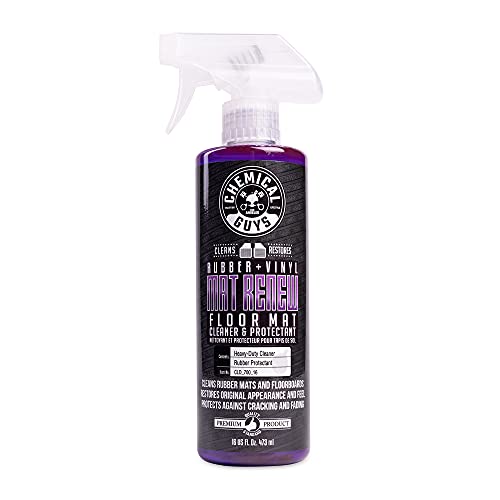

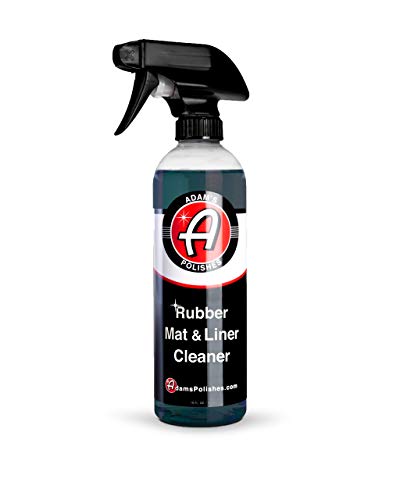

Clean your car floor mats about every 2–4 weeks for normal driving, and tighten the schedule if you regularly track in mud, salt, or sand. In practice, that means weekly quick clean-ups during winter road-salt season, plus a few more thorough cleans each year to prevent grit from grinding into the mat and building stubborn odors.
If you’re deciding between vacuuming only, rinsing, or doing a full wash, this guide gives you an easy cadence and the “time to clean” signals that stop you from guessing—especially in 2026 when salt and sand conditions can swing fast by region.
Typical cleaning schedule for car floor mats

For most drivers, the safest baseline is a 2–4 week routine that removes debris before it compacts. When conditions are harsher, you clean more often because trapped grit acts like sandpaper and holds moisture that leads to smell.
– Normal use: Plan on cleaning every 2–4 weeks (a vacuum/rinse + dry).
– Heavy mess seasons: Increase to weekly during periods with frequent mud, rain, or road debris.
– Seasonal deep clean: Do a deeper clean a few times per year (especially before and after winter or rainy months).
A practical way to think about this is a risk-based maintenance approach: you’re not aiming for “perfectly clean,” you’re aiming to interrupt the cycle where loose dirt becomes packed and damp. That cycle matters because moisture management is odor management—mold risk is real when water lingers. According to the CDC, mold can begin to grow on damp surfaces within 24–48 hours (CDC).
In my own driveway routine, I’ve noticed the “break point” usually shows up around the same time each year: once salt/sand weather stretches past a month, vacuuming stops lifting the smell and only a more complete clean brings things back.
Quick clean vs. deep clean: how often
If you’re trying to follow one schedule without overthinking it, use a two-tier approach: quick clean for upkeep, deep clean for reset. Quick cleaning prevents buildup; deep cleaning removes what quick cleaning can’t reach (undersides, channels, and embedded residue).
– Quick clean (maintenance): Every 2–4 weeks—shake out, vacuum thoroughly, and spot-clean stains.
– Deep clean (reset): A few times per year—full washing/rinsing for the whole mat and careful drying.
– Car smell control: If odors build up, treat it like a “deep clean needed” situation rather than waiting for the next scheduled cycle.
Why the difference matters: a vacuum is strong at pulling up dry particles, but it doesn’t always remove salts, sticky residue, or the biofilm layer that can form when moisture repeatedly re-wets the same spot. This is also why humidity becomes a silent driver of how often you should clean. According to the U.S. Environmental Protection Agency, keeping indoor humidity below about 60% helps limit conditions that allow mold growth (EPA). Your car cabin isn’t a sealed building, but floor mats act like the “first wetting surface,” so they respond quickly to humidity swings.
As of 2026, I recommend adjusting cadence to your actual conditions rather than the calendar alone. If your week includes wet shoes, slush, or tracked grit, the “2–4 week” baseline becomes more like “2–4 week maximum.”
Recommended Floor Mat Cleaning Cadence by Driving Conditions (2026)
| # | Driving condition | Typical contaminants | Quick-clean interval | Deep-clean cadence | Priority rating |
|---|---|---|---|---|---|
| 1 | Normal commuting | Dry dust, light lint | Every 3–4 weeks | 2× per year | ★★★★★ |
| 2 | Light rain season | Damp grit, minor soil | Every 2–3 weeks | 3× per year | ★★★★☆ |
| 3 | Frequent wet weather | Mud slurry, wet sand | Weekly (or every 6–8 days) | 4× per year | ★★★★★ |
| 4 | Winter road-salt conditions | Road salt + slush | About weekly | 2–3× during season | ★★★★★ |
| 5 | High sand exposure | Dry sand, dust storms | Every 2 weeks | 3× per year | ★★★☆☆ |
| 6 | Construction or dusty commuting | Fine particulates, construction grit | Every 1–2 weeks | 4× per year | ★★★★☆ |
| 7 | After spills or pet-heavy trips | Sticky residue, hair + moisture | Immediate clean, then 1–2 weeks | Extra spot/deep clean as needed | ★★☆☆☆ |
Signs you need cleaning sooner
If you notice the signals below, you don’t wait for the next scheduled window. Cleaning earlier prevents trapped grit from compressing, which is when both odor and wear accelerate.
– Visible grit or caked dirt: If you can see particles on top edges, it’s already doing damage.
– Odors (wet dog, sour carpet, musty smell): That usually means grime is trapped, not just “dirty surface.”
– Mats slipping or looking compressed: Packed debris can affect fit and grip, especially on all-weather mats.
This is where many drivers over-rely on appearance. A mat can look “mostly fine” while still holding salt residue or moisture in its texture. Road salt is also extremely common where winters are harsh—According to the U.S. Federal Highway Administration, tens of millions of tons of salt are applied on U.S. roads each year (FHWA), which translates into frequent, low-level tracking inside vehicles.
If you’ve ever lifted a mat and found dusty, crusty residue along the edges, that’s your cue. In business terms, you’re seeing “maintenance debt”—small cleanups that were postponed until cleanup became harder.
Best practice: cleaning steps by mat type
The best frequency only matters if you clean in a way that matches the mat material. Here’s how to keep a consistent schedule while still doing the right steps for rubber, carpet, or all-weather designs.
– Rubber / all-weather mats
– Shake out loose debris, then rinse or wipe clean.
– Scrub tougher spots, then dry completely before reinstalling to prevent trapped moisture.
– Carpet mats
– Vacuum first (both top and underside if possible), then spot-clean stains.
– For deeper cleaning, follow your mat’s care instructions and allow full drying time.
– Always follow the mat’s label
– If the manufacturer specifies a cleaner, drying method, or “don’t soak” warning, follow that over general advice.
A quick way to standardize your routine is to use a simple “remove → clean → rinse (if needed) → dry” checklist. That workflow reduces the chance you’re only moving dirt around. Also, the “dry completely” step is not optional in humid climates: According to the EPA, controlling indoor moisture (often by keeping humidity below roughly 60%) is one of the practical ways to limit mold growth conditions (EPA).
For teams managing fleets or shared vehicles, mat cleaning becomes an operational checklist. Rubber/all-weather mats tolerate quicker maintenance; carpet mats reward gentler, more consistent spot-cleaning to avoid oversaturation.
Material tradeoffs (what to expect):
- Rubber / all-weather
-
Pros: Easy rinse/wipe cleanup, better at containing spills and slush; typically faster drying when cleaned correctly.
Cons: If you don’t remove grit from channels/edges, residue can still build and become slippery or smelly. - Carpet
-
Pros: Feels more uniform and often blends visually; can handle light vacuuming well between deeper cleans.
Cons: Can hold moisture longer; drying time and label compliance matter more to prevent odors.
What can go wrong
Even a good schedule fails if your method creates new problems. These are the mistakes that most often undermine cleaning frequency and lead to lingering smell or premature wear.
– Leaving mats damp: Moisture under or inside mats can lead to lingering odors and mildew risk.
– Using harsh cleaners on the wrong material: Some carpet dyes and finishes can fade or get damaged by the wrong products.
– Over-scrubbing protective coatings: If your mats have a treated finish, aggressive cleaning can shorten their lifespan.
– Skipping drying time: Even if they look dry on top, trapped moisture can remain—especially in thick mats.
This is also why “more often” doesn’t automatically mean “better.” If you scrub carpet mats repeatedly with strong detergents without rinsing thoroughly, you can leave behind residue that attracts dirt again and makes odors recur faster. In winter, road-salt residue is another concern because it can stay in fibers even when the mat seems clean.
The most reliable fix is process discipline: remove debris first, use material-appropriate cleaners, then focus on drying long enough for the mat to stop shedding dampness.
Verdict: stick to this routine (and who should skip)
If you want an easy rule that works for most drivers: quick clean every 2–4 weeks, go weekly during heavy-salt or heavy-mud periods, and do a deep clean a few times per year. The downside is that more frequent cleaning takes time and may wear down carpet materials faster if you rely on strong detergents too often—so if your mats are delicate or your cleaning products aren’t compatible, slow down and stick to gentler maintenance.
Skip “deep soaking” methods if your mats’ care instructions warn against soaking, or if you can’t dry them thoroughly afterward. If you don’t have a safe place to dry mats fully (garage airflow, time to air out), leaning on quick cleaning until you can dry properly is the smarter move.
Quick checklist: when to clean your floor mats
| Situation | What to do | How often |
|---|---|---|
| Normal daily driving | Shake + vacuum, spot-clean | Every **2–4 weeks** |
| Mud, rain, sand | Faster shake + vacuum, wipe down | About **weekly** |
| Winter road salt / slush | More frequent maintenance to lift grit | **Weekly** during active season |
| Odors or visible grime build-up | Full deep clean (material-appropriate) | **A few times per year** |
| After spills | Immediate cleanup | As soon as it happens |
Frequently Asked Questions
How often should you clean your car floor mats to keep them from smelling?
You should clean your car floor mats at least every 2–4 weeks, especially if you drive in wet, snowy, or muddy conditions. If you notice odors, visible grime, or extra dampness, clean them right away rather than waiting for the next interval. Regular cleaning helps prevent trapped moisture and bacteria that cause musty smells. For best results, let mats dry completely before reinstalling them.
What’s the best way to deep-clean rubber car floor mats and remove ground-in dirt?
Start by shaking out loose debris and then vacuuming both sides using a crevice tool if possible. Use warm water and a dedicated floor mat cleaner (or a mild soap) to scrub high-contact areas and textured grooves. Rinse thoroughly, then dry in a well-ventilated area to prevent mildew. Deep-clean rubber car floor mats every 1–2 months, or more often if you park outdoors in heavy weather.
How often should you wash your carpet car floor mats compared to rubber mats?
Carpet floor mats generally need more frequent attention because they absorb moisture and odors more easily than rubber. Aim to clean them every 2–3 weeks during rainy seasons and at least monthly otherwise, and spot-clean spills immediately. After washing, use a wet/dry vacuum for extraction and allow full drying before putting them back to avoid lingering smells.
Why do you need to clean car floor mats regularly even if they look clean?
Dirt can work its way into mat fibers and crevices, holding onto moisture, salt, and grime that can damage the carpet underneath. Regular cleaning also helps reduce allergens, improves cabin air quality, and prevents corrosion from trapped road salt. Even if the mats appear clean on top, debris underneath and in the texture can still cause odors and wear over time.
Which car floor mats require the most frequent cleaning, and how can you tell?
Mats used in harsh conditions—like snow, heavy rain, construction areas, or frequent pet or child traffic—usually require more frequent cleaning. If you see discoloration, feel a sticky surface, notice a damp or musty smell, or detect persistent dust and grit when you brush the mat, it’s time to clean. Consider more routine maintenance (every 1–2 weeks) for these situations, and schedule a deeper clean monthly to keep your vehicle floor protected.
📅 Last Updated: November 02, 2026 | Topic: How Often Should You Clean Your Car Floor Mats? | Content verified for accuracy and freshness.
References
- https://www.cdc.gov/coronavirus/2019-ncov/community/disinfecting-building-facility.html
- https://www.epa.gov/coronavirus/cleaning-and-disinfecting-your-facility
- https://www.who.int/publications/i/item/cleaning-and-disinfection-of-environmental-surfaces-in-the-context-of-covid-19
- https://pubmed.ncbi.nlm.nih.gov/?term=vehicle+interior+microbial+contamination
- https://pubmed.ncbi.nlm.nih.gov/?term=car+cabin+dust+microorganisms
- https://pubmed.ncbi.nlm.nih.gov/?term=floor+mat+bacteria
- https://pubmed.ncbi.nlm.nih.gov/?term=cleaning+disinfection+surfaces+frequency+guideline
- https://scholar.google.com/scholar?q=how+often+to+clean+car+floor+mats Google Scholar
- https://scholar.google.com/scholar?q=vehicle+interior+microbial+contamination+floor+mats Google Scholar
- https://scholar.google.com/scholar?q=car+interior+cleaning+disinfection+study Google Scholar
