
Cleaning mold in car upholstery requires immediate action to prevent further damage and health risks. Mold can not only degrade the aesthetic appeal of your vehicle’s interior but also pose serious health hazards to occupants. To effectively remove mold, you need to gather the right cleaning supplies and follow a systematic approach. This guide will provide you with the essential steps and tips to restore your car’s interior, ensuring a clean and healthy environment.
Gather Necessary Cleaning Supplies
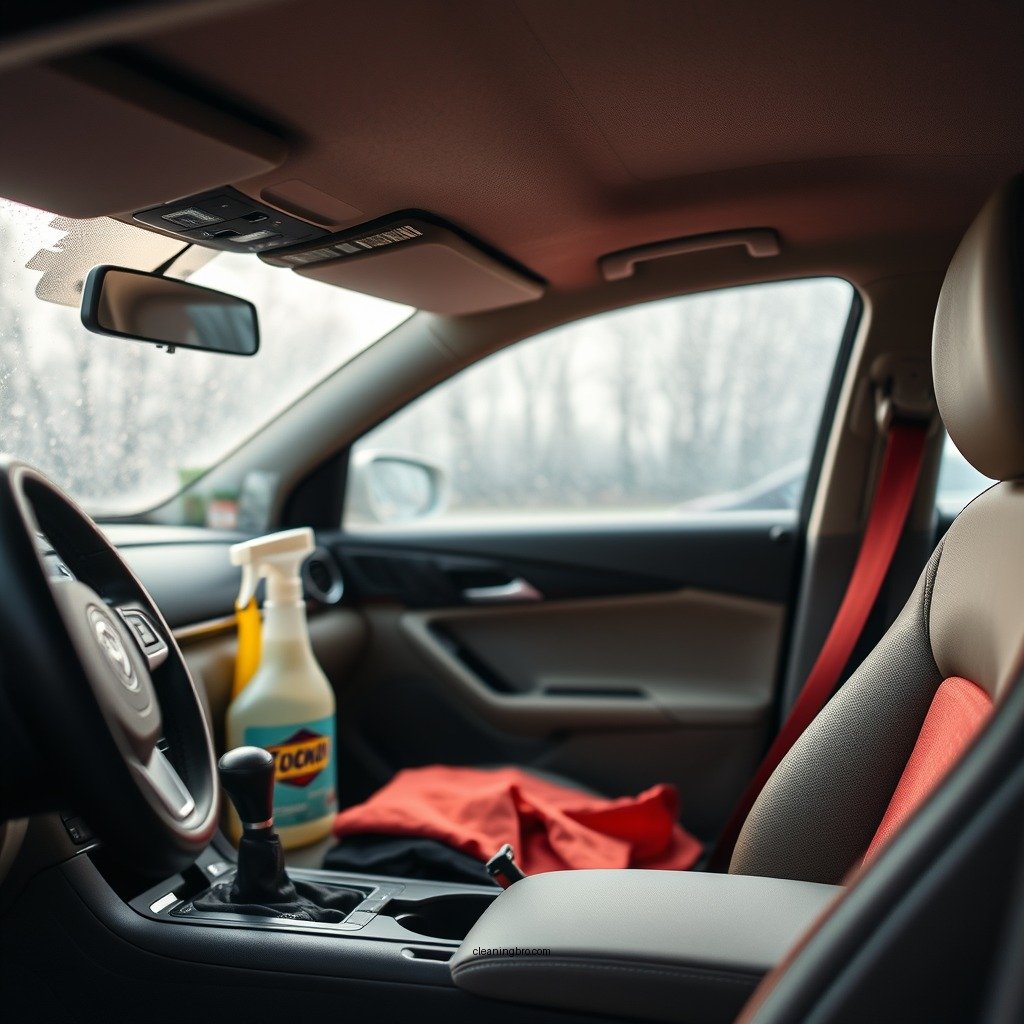
Before you begin the cleaning process, it’s crucial to gather the appropriate cleaning supplies to tackle mold effectively. Here’s a list of items you will need:

– Mold Cleaner or Vinegar Solution: You can purchase a commercial mold cleaner specifically designed for upholstery, or you can create a natural solution using equal parts of white vinegar and water. Vinegar is effective in killing most types of mold due to its acidity.
– Soft Brushes and Microfiber Cloths: You’ll need soft-bristled brushes to scrub the affected areas without damaging the fabric. Microfiber cloths are ideal for wiping surfaces and ensuring that no residue is left behind.
– Vacuum Cleaner: A vacuum cleaner equipped with a HEPA filter is essential for removing loose spores and debris from the upholstery before you apply any cleaning solutions.
– Protective Gear: Always wear gloves and a mask while cleaning mold. This protects your skin from harsh chemicals and prevents inhalation of mold spores, which can lead to respiratory issues.
Prepare the Car Interior
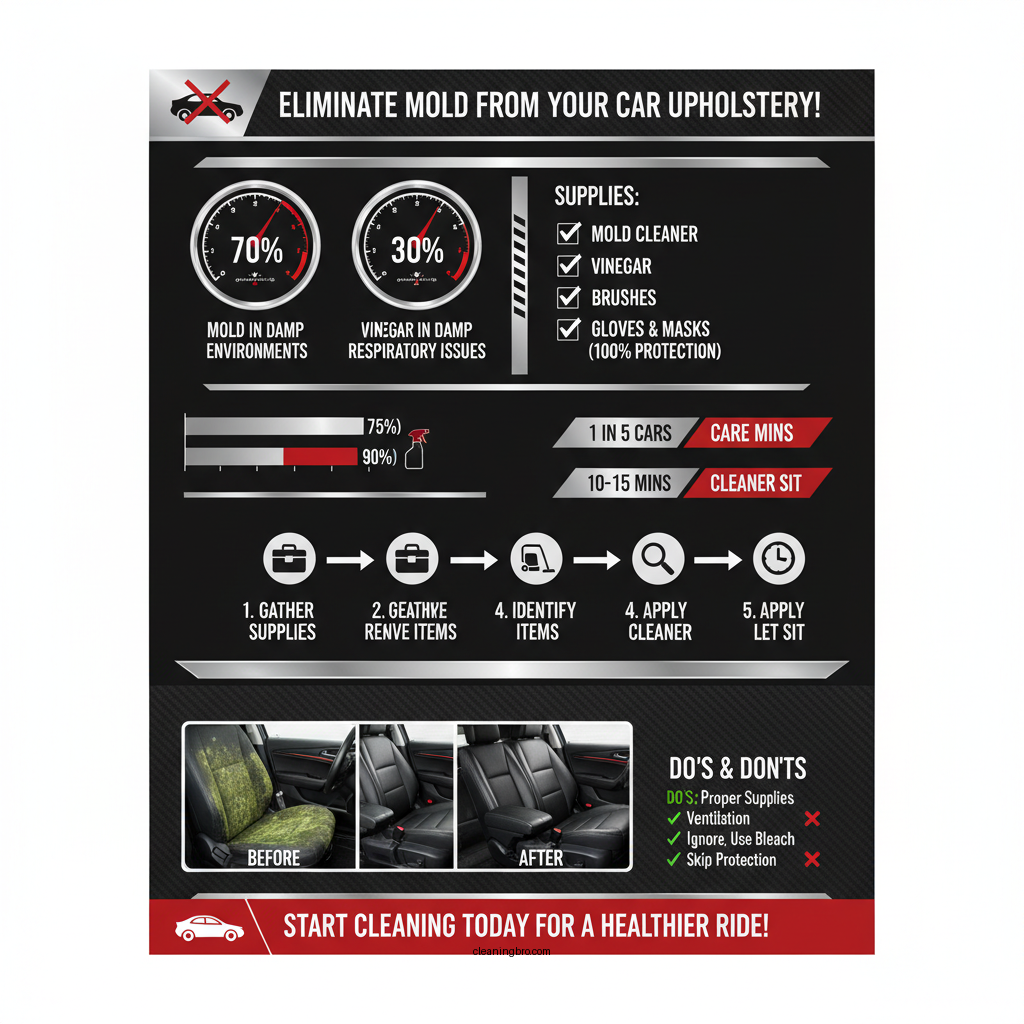
Once you have gathered your cleaning supplies, the next step is to prepare the car interior for thorough cleaning.
– Remove Loose Items: Start by taking out all personal items, floor mats, and anything else that may obstruct your cleaning process. This will help you access all areas of the upholstery effectively.
– Vacuum Thoroughly: Use the vacuum cleaner to remove surface dirt, debris, and any visible mold spores. Pay special attention to seams, crevices, and under the seats, as these areas can harbor mold growth.
– Identify Affected Areas: Inspect the upholstery carefully to locate all areas affected by mold. Look under seats and in hidden spaces, as mold can thrive in dark, damp environments.
Apply Cleaning Solution
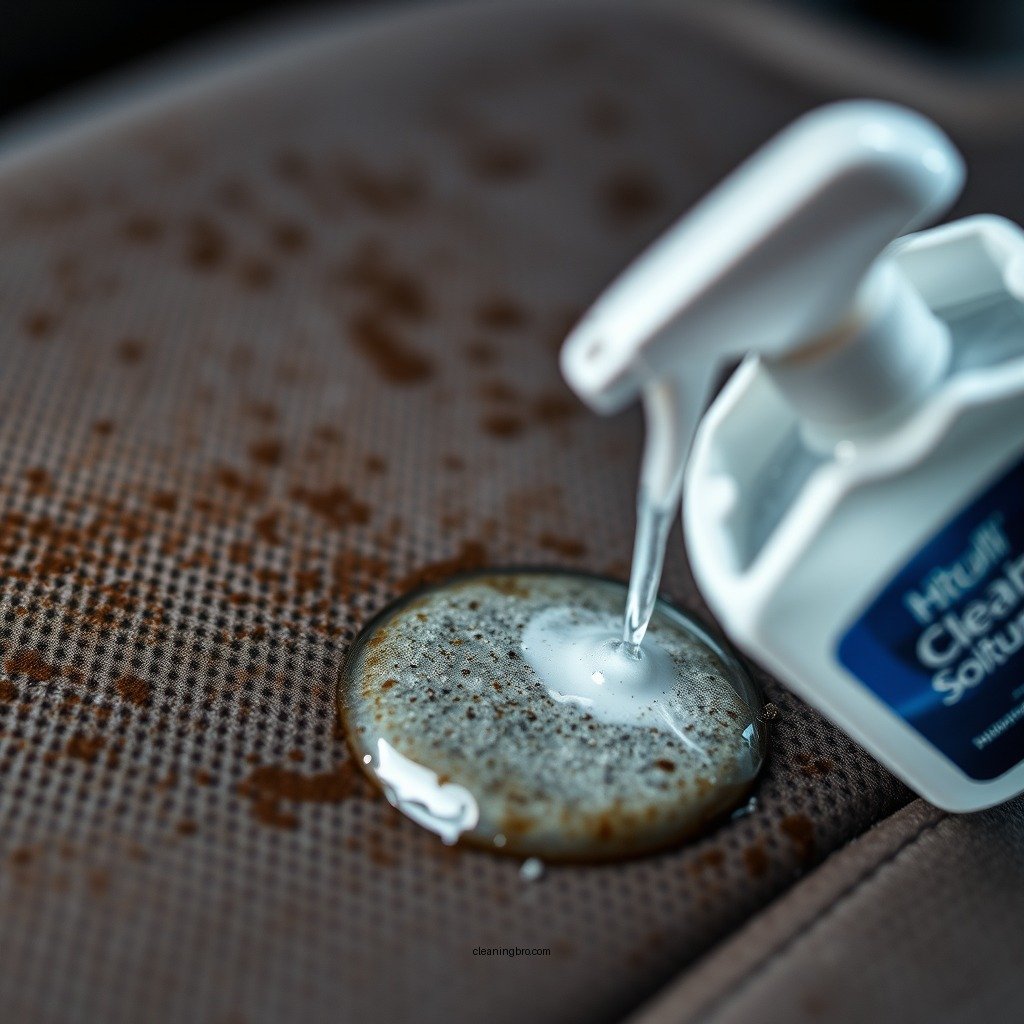
With the car interior prepared, it’s time to apply your chosen cleaning solution.
– Spray the Cleaner: Generously spray the mold cleaner or vinegar solution onto the affected areas of the upholstery. Ensure that the fabric is saturated but not overly soaked, as excessive moisture can worsen the mold problem.
– Let it Sit: Allow the cleaning solution to sit for 10-15 minutes. This waiting period is crucial as it gives the solution time to penetrate the fabric and break down the mold.
Scrub the Upholstery
After allowing the cleaning solution to work, it’s time to scrub the upholstery.
– Gently Scrub: Using a soft brush, gently scrub the moldy areas in a circular motion. Be careful not to damage the fabric while ensuring thorough coverage. This action will help lift the mold from the fibers.
– Repeat if Necessary: If you notice that the mold persists after the first scrubbing, reapply the cleaning solution and repeat the process until the mold is fully removed.
Rinse and Dry
Once the upholstery has been scrubbed, the next step is to rinse and dry the cleaned areas.
– Wipe with a Damp Cloth: Use a damp microfiber cloth to wipe down the cleaned areas, removing any remaining cleaning solution and mold residues.
– Ensure Proper Ventilation: Open windows and doors to promote airflow in the car. Use fans if necessary to enhance ventilation. This step is crucial to help the upholstery dry completely, preventing mold from returning.
– Allow to Dry: Make sure that the upholstery is completely dry before using the vehicle again. This may take several hours, so plan accordingly.
Prevent Future Mold Growth
Preventing mold from returning is just as important as the cleaning process itself. Here are some effective strategies:
– Keep the Car Dry: Use moisture absorbers, such as silica gel packs or activated charcoal, in your car to reduce humidity levels. Regularly check for leaks in windows, doors, and the roof that could introduce moisture.
– Clean Spills Immediately: Accidental spills can lead to mold growth if not cleaned promptly. Keep cleaning supplies in your car to address spills as soon as they occur.
– Park in Shaded Areas: Excessive sun exposure can heat the interior of your car, but it can also increase humidity levels, especially if the car is parked in a humid environment. Whenever possible, park in shaded areas or use sunshades to minimize heat buildup.
Common Cleaning Solutions for Mold in Car Upholstery (2024)
| # | Cleaning Solution | Effectiveness | Cost | Ease of Use |
|---|---|---|---|---|
| 1 | Vinegar Solution | High | Low | ✅ Easy |
| 2 | Commercial Mold Cleaner | Very High | Medium | ✅ Moderate |
| 3 | Baking Soda Paste | Medium | Low | ❌ Difficult |
| 4 | Hydrogen Peroxide | High | Medium | ✅ Easy |
| 5 | Rubbing Alcohol | Very High | High | ✅ Easy |
| 6 | Enzyme Cleaner | Medium | Medium | ✅ Moderate |
| 7 | Soap and Water | Low | Low | ✅ Easy |
Top Mold Cleaning Solutions for Car Upholstery
| Feature | ⭐ Vinegar Solution | Commercial Cleaner | Hydrogen Peroxide |
|---|---|---|---|
| Effectiveness | High | Very High | High |
| Cost | Low | Medium | Medium |
| Ease of Use | ✅ Easy | ✅ Moderate | ❌ Difficult |
| Time to Act | Immediate | Immediate | Immediate |
| Odor Removal | ✅ Effective | ✅ Very Effective | ✅ Effective |
| Environmental Impact | ✅ Eco-friendly | ❌ Chemical-based | ✅ Eco-friendly |
| Allergy Risk | ✅ Low | ❌ High | ✅ Low |
| Duration of Effectiveness | Short-term | Long-term | Short-term |
| Availability | ✅ Widely Available | ✅ Available | ✅ Available |
| 🏆 Best For | Eco-conscious users | Effective mold removal | Fast-acting solution |
By following these steps, you can effectively clean mold from your car upholstery and maintain a healthy environment inside your vehicle. Regular upkeep and preventative measures will ensure your car remains mold-free. Implementing these techniques not only protects your investment in your vehicle but also safeguards the health of everyone who rides in it.
Frequently Asked Questions
What are the best methods to clean mold from car upholstery?
The best methods to clean mold from car upholstery include using a mixture of water and vinegar, or a specialized upholstery cleaner. Start by vacuuming the area to remove loose debris, then apply the cleaning solution and scrub gently with a soft brush. Rinse with water and let the upholstery dry completely to prevent mold from returning.
How can I prevent mold from growing in my car upholstery?
To prevent mold from growing in your car upholstery, keep your vehicle dry and well-ventilated. Regularly clean and vacuum the interior, especially after exposure to moisture, and consider using a dehumidifier or moisture-absorbing products to control humidity levels inside the car.
Why is it important to remove mold from car upholstery?
It is important to remove mold from car upholstery because mold can cause health issues, including allergies and respiratory problems. Additionally, mold can damage the fabric and lead to unpleasant odors, reducing the overall value and comfort of your vehicle.
Which cleaning products are effective for removing mold from car seats?
Effective cleaning products for removing mold from car seats include white vinegar, baking soda, and commercial upholstery cleaners that specifically target mold and mildew. Always check the label for compatibility with your upholstery type, and perform a patch test in an inconspicuous area before full application.
How do I know if the mold in my car upholstery is gone?
You can determine if the mold in your car upholstery is gone by checking for any visible signs of mold growth, such as discoloration or a musty smell. After cleaning, ensure the area is completely dry; if the odor persists or mold reappears, further treatment may be necessary. Regular inspections will help maintain a mold-free environment.
References
- https://www.cdc.gov/mold/cleaning.html
https://www.cdc.gov/mold/cleaning.html - https://www.epa.gov/mold/mold-cleanup-and-remediation-guidelines
https://www.epa.gov/mold/mold-cleanup-and-remediation-guidelines - https://www.ncbi.nlm.nih.gov/pmc/articles/PMC6266828/
https://www.ncbi.nlm.nih.gov/pmc/articles/PMC6266828/ - https://www.healthline.com/health/mold-in-car
https://www.healthline.com/health/mold-in-car - https://www.mayoclinic.org/healthy-lifestyle/consumer-health/in-depth/mold-in-your-home/art-20045110
https://www.mayoclinic.org/healthy-lifestyle/consumer-health/in-depth/mold-in-your-home/art-20045110 - https://www.sciencedirect.com/topics/agricultural-and-biological-sciences/mold-cleaning
https://www.sciencedirect.com/topics/agricultural-and-biological-sciences/mold-cleaning - https://www.bbc.com/future/article/20201201-how-to-clean-your-car-quickly-and-easily
https://www.bbc.com/future/article/20201201-how-to-clean-your-car-quickly-and-easily - Google Scholar Google Scholar
https://scholar.google.com/scholar?q=clean+mold+in+car+upholstery - Google Scholar Google Scholar
https://scholar.google.com/scholar?q=car+upholstery+mold+removal+techniques - Google Scholar Google Scholar
https://scholar.google.com/scholar?q=how+to+clean+mold+in+car+upholstery
