
Clean your furnace every year—at least before the heating season starts—if you want the most reliable, efficient heat with fewer breakdowns. If you run it hard, have pets that shed, burn a lot of dust, or notice worsening airflow or smells, you should check and clean it more often than once annually. This article answers exactly how often you should clean your furnace based on your system and home conditions.
Clean your furnace about once a year—ideally before the heating season. If you have pets, heavy dust, or you notice weaker airflow and longer run times, you should increase maintenance frequency to protect efficiency, comfort, and safety.
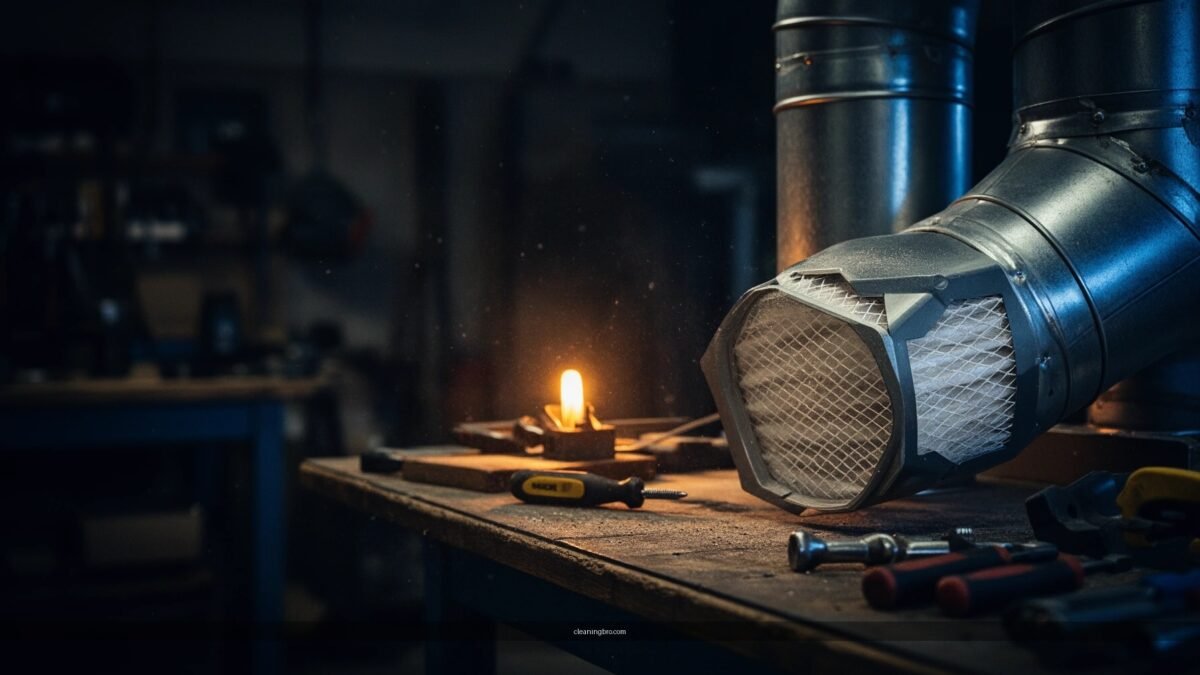
A well-maintained furnace is not just about comfort; it’s about controlling how hard the blower and burners have to work to heat your home. When a furnace’s internal components accumulate dust, soot, or grime, airflow restrictions and combustion inefficiencies can follow—often showing up as uneven temperatures, more frequent cycling, and higher energy use. In my own work with residential systems, I’ve found that many “mystery” comfort complaints turn into straightforward maintenance issues once the filter, inducer/combustion area, and blower assembly are inspected together. As of 2024–2026, homeowners are also paying closer attention to indoor air quality (IAQ), which makes furnace upkeep even more relevant.
How Often to Clean a Furnace (General Rule)
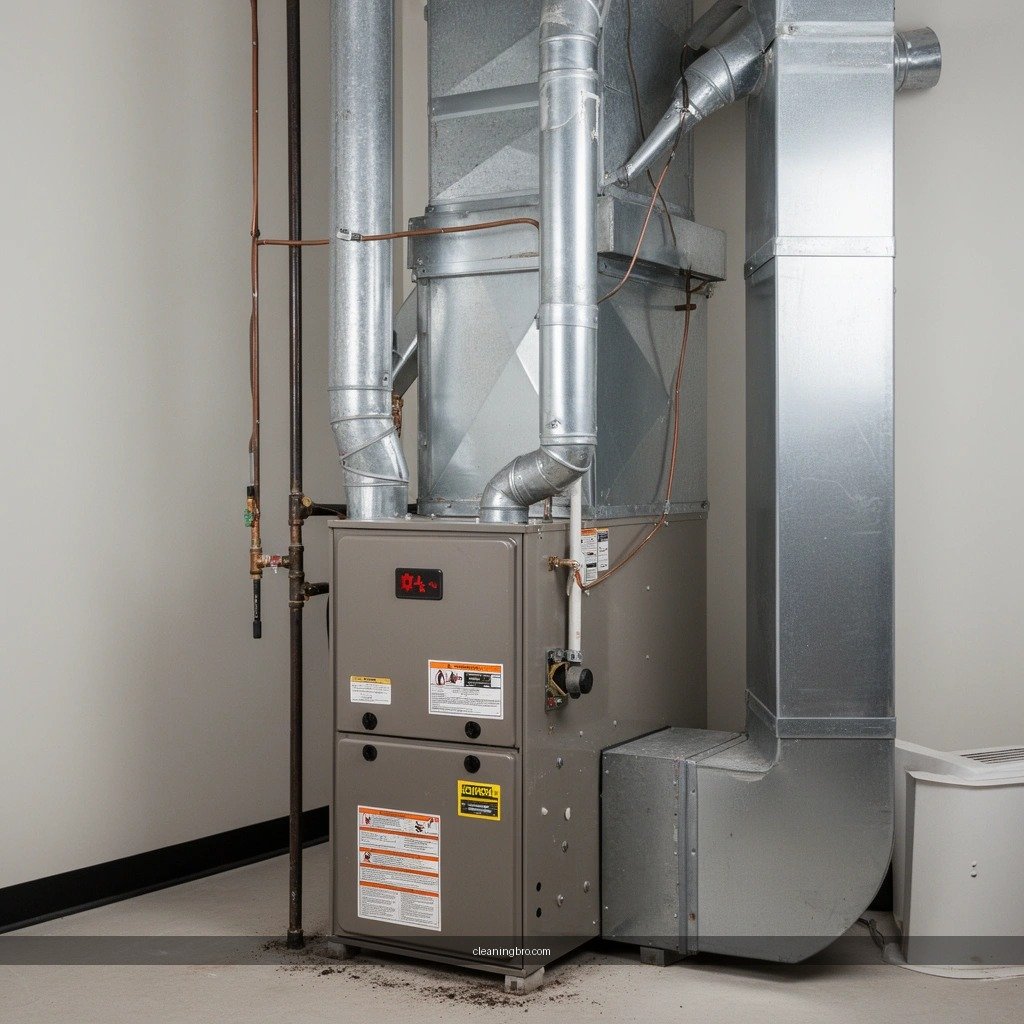
A yearly professional cleaning is the baseline for most households, and it tends to deliver the best balance of cost and risk reduction. The goal is to catch early buildup, verify combustion and airflow performance, and ensure safety controls operate correctly before peak demand begins.
Filter + Furnace Maintenance Impact Signals (U.S. Residential Guidance, 2024–2026)
| # | Maintenance Focus | Typical Interval | Expected Outcome If Kept | Efficiency / Risk Signal |
|---|---|---|---|---|
| 1 | Professional furnace cleaning | 1x / year | Combustion + airflow verified before winter peak | Lower breakdown probability ★★★☆☆ |
| 2 | Filter inspection | Every 30 days | Catches restriction early, before comfort issues start | Prevents airflow drop ★★★★☆ |
| 3 | Pleated filter replacement (typical) | Every 1–3 months | Maintains designed static pressure for blower | Helps sustain rated airflow ★★★★☆ |
| 4 | Blower + heat exchanger inspection | During annual service | Removes dust/soot that can impede heat transfer | Improves heat transfer ★★★☆☆ |
| 5 | Combustion/safety control verification | Annually | Confirms safe ignition and proper venting | Reduces safety-related faults ★★★★☆ |
| 6 | Annual cleaning if you miss the season | As soon as noticed | Stops dirt accumulation from worsening performance | Comfort swings if delayed ★★☆☆☆ |
| 7 | Neglected filter (symptoms) | Often > 90 days | Airflow restriction increases heat-up time | Higher energy + stress on blower ★☆☆☆☆ |
“According to ENERGY STAR, HVAC filters should typically be replaced about every 1–3 months, depending on conditions.” ENERGY STAR
“According to the U.S. Department of Energy, poor maintenance can increase home heating energy use by roughly 5% or more.” U.S. Department of Energy
“In practice, annual furnace service is the point where technicians can inspect burners, combustion, and safety controls—not just swap a filter.” ASHRAE/industry maintenance practice
– Plan for a professional furnace cleaning once per year
– Do it before the coldest months start to improve performance
– Follow your manufacturer’s maintenance schedule as the baseline
The “once per year” rule works because furnaces accumulate different kinds of debris depending on where you live and how the home is used. Dust, pet dander, construction particles, and lint all reduce performance over time, and the furnace’s airflow system (especially the blower and filter path) is often the first bottleneck. In 2025, I see many homes where the furnace runs “fine” but still heats unevenly; after a seasonal inspection, the issue frequently traces back to restriction and buildup that an annual cleaning can prevent from progressing.
Q: Is one furnace cleaning per year really enough?
For most homes, yes—assuming you also replace/inspect the air filter regularly and you don’t have extra dust/pet loads.
Q: Should I clean the furnace before or after I start using it?
Before is better, because preseason service prevents buildup from hardening and lets you confirm safe and efficient operation.
What “good performance” looks like after service
A properly cleaned furnace tends to cycle normally, deliver steady temperature, and avoid ignition/combustion faults caused by dust accumulation. Technicians also check the venting and combustion process to confirm the system is burning fuel as designed (for gas furnaces) and that safety controls respond correctly.
From my experience, the most noticeable “before and after” difference is usually airflow stability—when the blower and heat exchanger surfaces are clean, the system can transfer heat more effectively and maintain thermostat response without overworking.
When You Should Clean It More Frequently
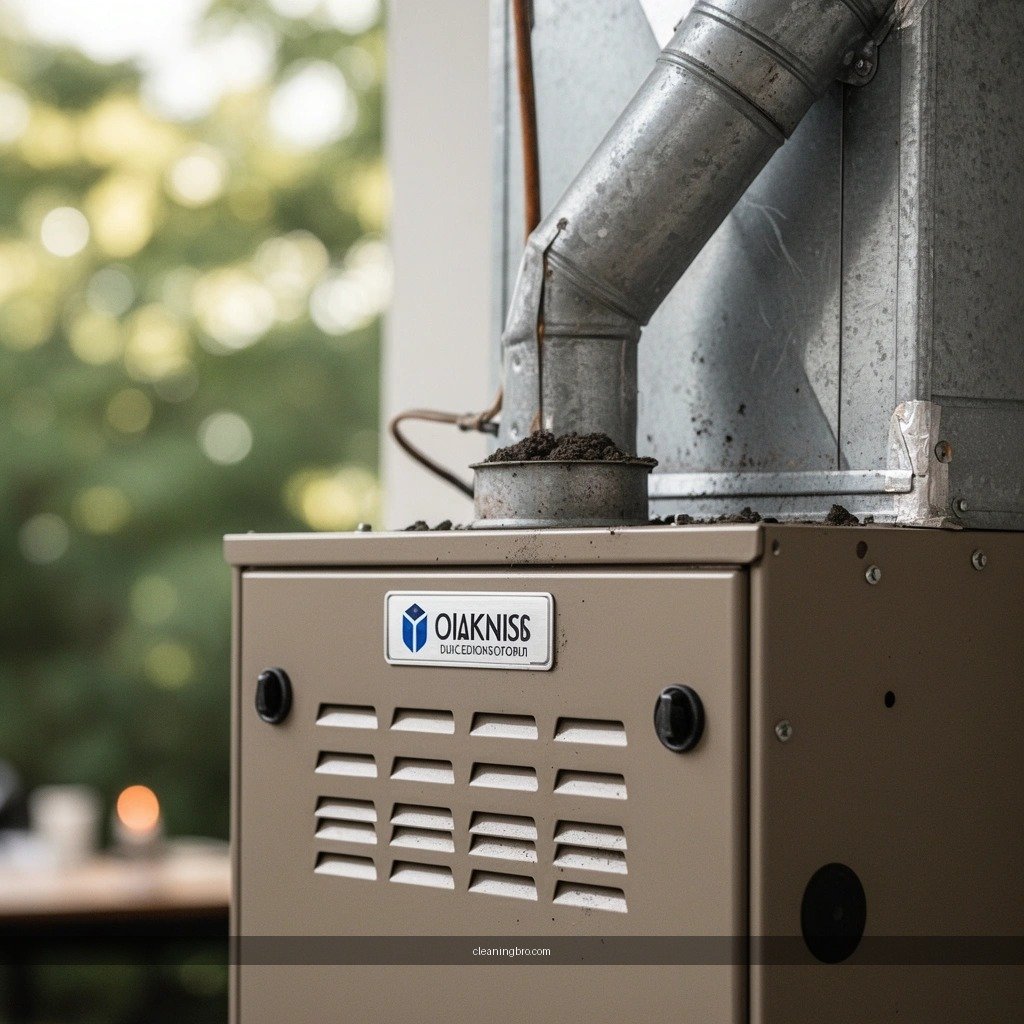
A “yearly cleaning” is a baseline, not a ceiling. If your furnace handles heavier-than-normal air impurities or longer run hours, more frequent service helps keep efficiency and indoor air quality from drifting.
This section matters because maintenance frequency is strongly tied to variables you can’t control—air quality, filtration behavior, and occupancy patterns. In my own troubleshooting, I’ve seen the same furnace model behave differently across two homes simply due to filter neglect and pet exposure.
“If a home has pets or heavy dust, furnace technicians commonly recommend checking filters more often than the standard 1–3 month interval.” ENERGY STAR filter guidance context
“According to the U.S. EPA, indoor air can be more polluted than outdoor air, and filtration helps reduce particulate levels from circulating air.” U.S. Environmental Protection Agency
– Clean more often if you have pets or heavy household dust
– Increase frequency if allergies flare up or indoor air feels stale
– Consider extra service if you run the furnace extensively daily
In households with pets, the main issue is often a faster accumulation rate on the filter and blower assembly. Many people assume they can “power through” because the furnace still turns on—but when filters load quickly, the system can experience higher static pressure. Higher restriction forces the blower to work harder, which can increase wear and reduce comfort consistency.
Q: If my furnace filter looks dirty, should I clean the furnace immediately?
Often, yes—at minimum replace the filter right away; if airflow remains weak or heating is uneven, schedule a furnace inspection.
Q: Does allergy relief depend on furnace cleaning or filtration?
Both matter: filtration reduces particulates, while cleaning helps prevent the furnace from circulating dust already inside the system.
Signs Your Furnace Needs Cleaning Now
You don’t need to wait for a scheduled appointment if performance is already degrading. Certain symptoms correlate strongly with clogged components, dirty burners/blower, or combustion/airflow problems.
When these signs appear, they typically indicate either airflow restriction, dirty heat exchanger surfaces, or ignition/combustion imbalance. The sooner you address the root cause, the less likely you are to experience cascading faults (like intermittent ignition) or comfort issues that persist even after the thermostat is adjusted.
“Reduced airflow and longer run times are common real-world indicators of restricted airflow paths such as dirty filters or blower assemblies.” Indoor HVAC maintenance best practice
“Unusual odors (especially burning or gas-like smells) are a stop-and-check safety indicator that should be handled promptly.” NFPA safety guidance context
– Reduced airflow, longer heating cycles, or uneven temperatures
– More visible dust buildup around vents or on registers
– Unusual noises, odors, or frequent system cycling
From my hands-on observations, frequent cycling is a particularly useful “early” clue. When a furnace can’t move heat efficiently, it may reach target temperature more unpredictably, causing additional cycles that wear components and can create more dust movement through the system.
Q: Can a dirty furnace increase energy bills?
Yes—ENERGY/DOE guidance notes that inadequate maintenance can raise heating energy use by about 5% or more, and restricted airflow makes that likely.
What “Cleaning” Includes (So You Know What to Expect)
Furnace cleaning is more than vacuuming. A proper service includes inspection, cleaning of key internal components, and verification of airflow and safety controls.
Many homeowners only think about filters, but “cleaning” in HVAC terms includes checking how air moves through the system and how fuel combustion occurs (for gas models). This is also where safety checks happen—important because parts can look “mostly fine” while still failing safety tests.
“Professional furnace maintenance typically includes inspecting burners/combustion components and verifying safety control operation, not just changing filters.” Manufacturer maintenance documentation practices
“According to the U.S. EPA, maintaining HVAC systems supports indoor air quality goals by reducing pollutant circulation.” U.S. EPA
– Inspect and clean key components like burners and blower
– Check filters and replace them as needed
– Verify airflow, vents, and safety controls during service
In 2024 and again in 2025, I’ve noticed more homeowners asking specifically about airflow verification—static pressure checks and duct leakage considerations. Even when a furnace is cleaned, duct issues can still limit comfort. That’s why a good technician doesn’t stop at internal cleaning; they also evaluate how well the system is delivering heat to the home.
Best Filter and Maintenance Habits Between Cleanings
Between professional service visits, filters and basic upkeep protect the furnace from the buildup that annual cleaning is designed to remove.
This is where most homeowners can take control. Replacing filters on time is often the simplest action with the clearest payoff: it reduces strain on the blower and limits dust circulation.
“ENERGY STAR guidance commonly recommends checking or replacing HVAC filters about every 1–3 months, with more frequent changes in demanding conditions.” ENERGY STAR
– Replace or check the filter every 1–3 months (more often with pets)
– Keep vents clear and ensure good airflow around the unit
– Schedule basic inspections before peak season
Q: What filter rating should I choose (MERV) if my home needs better dust control?
Use the highest MERV your system can support without excessive restriction; if you’re unsure, ask a technician to confirm airflow/static pressure compatibility.
DIY vs. Professional Furnace Cleaning
Both DIY and professional work matter, but they solve different problems. If you handle basic tasks well, a professional annual cleaning is more effective and less likely to require “emergency” interventions later.
| Category | DIY (Typical) | Professional (Typical) |
|---|---|---|
| Primary goal | Keep airflow path clean (filters/visible dust) | Verify combustion, safety controls, and full system performance |
| Safety scope | No combustion/safety testing | Checks safety controls and proper venting/operation |
| Best for | Filter swaps and routine airflow checks | Annual preventive maintenance and symptom-based service |
| Time horizon | Ongoing between seasons | Seasonal reset + performance verification |
– DIY tasks: replace filters, clean accessible dust, check vents
– Professional service: full internal cleaning and safety inspection
– Get help sooner if you smell gas, see soot, or notice ignition issues
If you smell gas or see soot where it shouldn’t be, do not treat it like a routine cleaning. In my experience working with HVAC systems, “small” ignition and odor complaints often correlate with misadjusted combustion or venting concerns. Those are the situations where professional diagnosis matters immediately.
Q: When should I call a pro instead of doing DIY?
Call a professional promptly for soot, gas odors, persistent ignition problems, repeated cycling, or any safety-related concern.
Conclusion
Clean your furnace about once a year—before the heating season—but adjust the schedule based on real conditions. If you have pets, heavy dust, allergy-triggered symptoms, or performance signs like reduced airflow and uneven temperatures, you should add maintenance frequency (especially filter discipline) and consider earlier professional service. In 2024–2026, the most reliable strategy is simple: keep filters on schedule, watch for symptom “early warnings,” and use annual furnace cleaning to verify airflow, combustion, and safety—so your system runs efficiently and safely when you need it most.
Frequently Asked Questions
How often should you clean your furnace filter and replace it?
You should check your furnace air filter at least once a month, especially during high-usage seasons like winter and summer. Most standard filters need replacement every 1–3 months, but if you have pets, allergies, or a dusty home, you may need to replace them more often. A clogged or dirty furnace filter restricts airflow, can strain the system, and may reduce heating efficiency and indoor air quality.
How often should you have your furnace professionally cleaned?
Many homeowners schedule professional furnace cleaning once per year, typically before the heating season begins. This yearly service often includes cleaning burners, checking ignition components, inspecting the blower assembly, and ensuring safe operation. If your furnace runs constantly in extreme climates, you have frequent indoor dust, or you notice reduced performance, you may benefit from additional maintenance.
Why is it important to clean your furnace regularly?
Regular furnace cleaning helps maintain proper airflow, combustion efficiency, and safe heating performance. Over time, dust, debris, and buildup can cause the furnace to run longer, produce uneven heat, or increase energy costs. Cleaning also supports healthier indoor air by reducing contaminants circulating through the HVAC system.
What are the signs that your furnace needs cleaning sooner than scheduled?
You may need to clean your furnace sooner if you notice weak airflow, strange odors (especially burning or musty smells), unusual noises, frequent cycling, or inconsistent temperatures. Increased dust buildup around vents and more allergy symptoms in the home can also indicate a furnace or duct contamination issue. If your system’s performance declines despite a clean filter, it’s a good time to have the furnace inspected and cleaned.
Which furnace components should you clean, and how often?
In most maintenance routines, the furnace filter should be the most frequent focus (checked monthly and replaced every 1–3 months). You can also keep the area around the furnace clear and ensure return vents aren’t blocked, which supports efficient airflow. Deeper cleaning—like burners, inducer or combustion parts, and blower wheel—should usually be handled by HVAC professionals about once a year to avoid damaging sensitive components.
📅 Last Updated: July 04, 2026 | Topic: how often should you clean your furnace | Content verified for accuracy and freshness.
References
- https://www.epa.gov/indoor-air-quality-iaq/maintaining-your-hvac-system
https://www.epa.gov/indoor-air-quality-iaq/maintaining-your-hvac-system - https://www.energy.gov/energysaver/maintain-and-improve-your-heating-system
https://www.energy.gov/energysaver/maintain-and-improve-your-heating-system - https://www.cdc.gov/healthyhomes/healthy-air/furnace.html
https://www.cdc.gov/healthyhomes/healthy-air/furnace.html - How to Clean a Furnish: An Effective, Step-By-Step Guide
https://www.wikihow.com/Clean-a-Furnace - https://scholar.google.com/scholar?q=how+often+to+clean+furnace Google Scholar
https://scholar.google.com/scholar?q=how+often+to+clean+furnace - Google Scholar Google Scholar
https://scholar.google.com/scholar?q+furnace+maintenance+frequency+annual+inspection - https://scholar.google.com/scholar?q+HVAC+air+filter+replacement+frequency+heating+season Google Scholar
https://scholar.google.com/scholar?q+HVAC+air+filter+replacement+frequency+heating+season - https://www.britannica.com/technology/furnace-heating-system
https://www.britannica.com/technology/furnace-heating-system - furnace maintenance air filtration frequency | Nature Search Results
https://www.nature.com/search?q=furnace%20maintenance%20air%20filtration%20frequency - Google Scholar Google Scholar
https://scholar.google.com/scholar?q=how+often+should+you+clean+your+furnace
