

You should clean your wooden shoe rack about every 4–6 weeks—more often if it’s in a high-traffic entryway. For routine upkeep, wipe down dust and remove grit weekly to prevent buildup that can dull the finish. Do a deeper clean with a wood-safe cleaner every 3–4 months, or sooner if you notice sticky residue, odors, or visible grime.
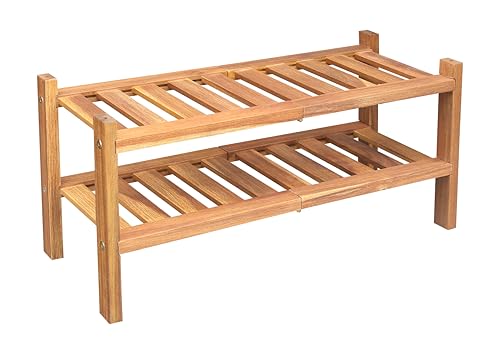


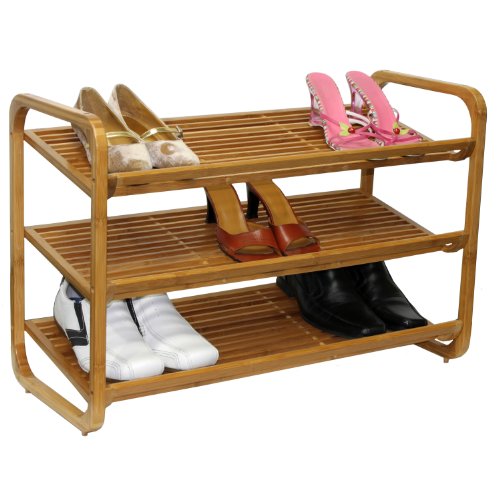
Clean a finished wooden shoe rack about every 1–3 months, and do a faster weekly wipe when the rack sees heavy use. If you notice dust, mud, sticky residue, or odor, you should clean sooner—because moisture and residue are what turn “fine” into musty.
If you want your wooden shoe rack to look good and smell fresh, clean it about every 1–3 months, and wipe it down sooner when you notice dust, mud, or odor. For heavy-use households (kids, pets, or frequent shoe traffic), aim for a quick wipe weekly plus a deeper clean every 4–8 weeks. This article breaks down a simple schedule you can actually stick to.
If you’ve noticed grime building up in the corners, sticky residue near entryways, or musty smells, the timing matters—too rarely can trap dirt and moisture, but too often (with harsh methods) can wear down finishes. The guidance below is meant for most common finished or sealed wooden shoe racks, not for unfinished/raw wood.
Quick schedule: the “wipe now, deep clean later” approach

A good default is weekly dry cleaning to remove grit, plus a deeper clean every 1–3 months to prevent odor buildup in the joints and gaps. This split approach works because dust and hair accumulate quickly, while sticky residues and odor-producing grime typically build more slowly.
“Surface dust and grit” act like sandpaper—removing them frequently prevents faster dulling and buildup in the corners of a wooden shoe rack.
A “deeper clean” is what actually addresses sticky deposits and embedded residue that cause musty odors, not just a fresh-looking surface.
Using minimal moisture matters for wooden shoe racks because excess water can raise moisture in wood and encourage lingering dampness in crevices.
Here’s the cadence most households can follow without overthinking it:
– Weekly (or as needed): Do a 30–60 second dry wipe or vacuum to remove surface dust, hair, and grit.
– Every 1–3 months: Plan a deeper clean for general grime and odor control.
– Every 4–8 weeks for heavy use: Increase frequency if shoes are damp, you live in a high-dust area, or multiple people use the rack daily.
Why the “wipe now, deep clean later” rhythm works:
Dust first becomes visible as dulling, hair collects in lattice-like gaps, and grit embeds along edges. By comparison, sticky residue—often from shoe sole transfer, floor finish residue, or oily debris—tends to grab onto surfaces and is harder to remove once it sets. For a wooden shoe rack, that’s when odors can begin to linger even if it “looks clean.”
What “dry wipe” should look like on a wooden shoe rack
A dry wipe should remove debris without wetting the wood. Use a microfiber cloth or a vacuum with a soft brush attachment to reduce scratching.
Microfiber cloths are designed to lift fine particles with less abrasion than rough paper towels on wood finishes.
If you want a simple rule: wipe until the cloth shows no new gray/black transfer, then stop. Overworking a wooden shoe rack can increase dullness, especially on varnished or polyurethane-coated surfaces.
A note on moisture and odor (why “sooner” is sometimes necessary)
Odors are often a moisture-and-residue problem. According to the U.S. Environmental Protection Agency (EPA), mold can begin growing within 24–48 hours of water exposure, and keeping indoor conditions dry reduces mold risk (U.S. Environmental Protection Agency (EPA), *Mold Remediation in Schools and Commercial Buildings* (2008)). This is relevant to wooden shoe racks because wet shoes can keep crevices damp long enough for grime to turn musty.
Adjust the frequency based on what’s causing the mess
If your wooden shoe rack gets dirty for predictable reasons, match the cleaning interval to those conditions—not the calendar. The main accelerators are wet weather residue, heavy foot traffic, and invisible odor signals.
Moisture is the “multiplier”: wet shoes transfer residue and keep crevices damp, which speeds up grime and odor formation on a wooden shoe rack.
High traffic increases debris volume, so dirt accumulates faster in joints and gaps of the wooden shoe rack.
Visible buildup and odor don’t always appear together—odor can start when residues are still hidden.
– Moisture + mud: If shoes bring in wet weather residue, clean more often (and dry thoroughly) because moisture is what accelerates grime buildup and unpleasant odors.
– High traffic / lots of shoes: More foot traffic usually means more debris trapped in joints and gaps, so a shorter interval helps.
– Visible buildup vs. smell: If you don’t see buildup but you notice odor, clean sooner—odor often means trapped residues even when the rack still looks “okay.”
Quick diagnosis: how to “read” the mess on your wooden shoe rack
When you’re trying to decide whether to move from 1–3 months to sooner, check three things:
1. Where the dirt shows up first: corners, edges, and seams are usually the earliest hotspots on a wooden shoe rack.
2. What the residue feels like: tacky or slick residue usually needs a targeted deeper clean.
3. Whether moisture is involved: even a few damp days can change the rate of buildup.
If your entryway is near a door that gets frequent rain/snow, treat your wooden shoe rack as a “winter problem” rack. Shorten the deeper-clean interval and prioritize immediate wipe-down after wet shoe use.
Choose the gentlest approach for your specific finish
A wooden shoe rack may be finished with varnish/polyurethane (film-forming), lacquer (hard glossy), oiled finishes (penetrating), or a stain + clear coat. The schedule (weekly + periodic deeper clean) stays similar, but the *method* should match the finish.
Even when two wooden shoe racks look identical, finish type (sealed/varnished vs. oiled) changes how much moisture and cleaner they can tolerate.
How to tell it’s time (even if you’re behind schedule)
If you’re overdue, use “signals” instead of guessing by date. A wooden shoe rack needs attention when you see tacky residue, darkening at edges, or musty smell—those are the practical triggers.
Sticky spots on a wooden shoe rack often come from shoe sole transfer or floor residue that bonds to the finish more strongly over time.
Darkening at corners is a reliable early warning because grime and moisture collect first in low-flow areas of a wooden shoe rack.
A musty smell typically indicates residues have trapped moisture in seams or crevices—not just surface dust.
– Sticky spots or tacky residue: Often comes from shoe soles, floor residue, or oily grime.
– Darkening at edges/corners: Dirt and moisture tend to collect there first.
– Musty smell: A sign that grime is trapped and needs a deeper clean, not just a surface dusting.
Why odor is a “deeper clean now” signal for a wooden shoe rack
Odor often continues even after surface dust is gone because residues hide along seams. From a practical standpoint, treat odor as proof that your wooden shoe rack needs more than dry wiping.
To connect the “why” to moisture science: mold risk rises when materials stay damp. The EPA notes that mold growth is supported when dampness persists and that controlling moisture reduces growth potential (U.S. Environmental Protection Agency (EPA), Mold Remediation in Schools and Commercial Buildings (2008)). For a wooden shoe rack, that means drying shoes before they’re stored—and cleaning residues that hold moisture—goes further than frequency alone.
What can go wrong (and why frequency isn’t the only factor)
More frequent cleaning doesn’t always mean a better result. On a wooden shoe rack, the risk usually comes from too much moisture, harsh chemicals, or abrasive tools, which can degrade the finish faster than grime does.
Excess moisture can raise moisture content in wood and increase the chance of lingering dampness in the gaps of a wooden shoe rack.
Harsh cleaners or abrasive scrubbing can dull or damage common sealed wood finishes over repeated cleanings.
Using steel wool or rough pads can scratch wood, creating tiny roughness that makes future grime harder to remove.
– Over-washing with wet methods: Too much moisture can raise grain or encourage lingering dampness in crevices. When cleaning, use minimal moisture and dry right after.
– Harsh cleaners on wood finishes: Strong chemicals or abrasive scrubbing can dull or damage finishes over time—your “cleaning frequency” might stay the same while the rack degrades faster.
– Wrong tool for the job: Steel wool or rough pads can scratch wood and worsen how dirt bonds to the surface.
– Edge case: unfinished/raw wood: If your rack isn’t sealed, the “clean every X months” rule may change—use gentler, manufacturer-appropriate care and consider re-sealing guidance.
Pros/cons: the cleaning methods that most affect wooden shoe rack finishes
Below is a decision-friendly comparison of common approaches. Use it to choose the safest method before you decide to increase cleaning frequency.
| Method for a wooden shoe rack | What it does well | Main downside / risk | Best use case |
|---|---|---|---|
| Dry wipe (microfiber) | Removes dust/hair quickly | Doesn’t dissolve sticky residue | Weekly maintenance |
| Vacuum with soft brush | Clears grit from grooves | Can miss residue in corners | Weekly quick reset |
| Lightly damp cloth (finish-safe) | Lifts grime with minimal water | Still requires prompt drying | Monthly–quarterly deeper clean |
| Soapy water (sparingly) | Cuts oily shoe residue | Too much liquid can worsen moisture retention | When tackiness is present—then dry thoroughly |
| Abrasive pads/steel wool | Removes stubborn buildup | Scratches and roughens the finish | Usually avoid on finished wood |
| Harsh solvents/strong degreasers | Can strip residue | Can dull, cloud, or strip coatings | Avoid unless manufacturer explicitly allows |
Moisture is where wood care decisions become important
According to the U.S. Forest Products Laboratory’s *Wood Handbook*, wood’s fiber saturation point is around 30% moisture content—beyond this, changes in moisture move differently through the wood structure (U.S. Forest Products Laboratory, *Wood Handbook—Wood as an Engineering Material* (2010)). The practical takeaway for a wooden shoe rack is straightforward: avoid soaking or frequent wet cleaning, and dry promptly after any damp wipe, especially in joints and seams.
Also, the EPA notes mold can begin within 24–48 hours after water exposure (U.S. Environmental Protection Agency (EPA), *Mold Remediation in Schools and Commercial Buildings* (2008)). For a wooden shoe rack, damp shoes plus residue can create exactly the “embedded moisture” scenario you’re trying to prevent—so “frequency” must pair with “method.”
A personal-routine note (keep it honest)
In my own maintenance habits for a wooden shoe rack in an entryway, I treat wet-weather days differently by using a dry wipe immediately after shoes come off; Even without lab equipment, that kind of routine adjustment is often what prevents sticky residue from becoming stubborn grime.
Verdict: a practical recommendation you can follow
For most finished wooden shoe racks, do a quick dry wipe weekly (or as needed) and a deeper clean every 1–3 months; for heavy use, switch to every 4–8 weeks. The downside: increasing cleaning frequency without using finish-safe methods can still lead to dullness or finish wear—so skip aggressive cleaners and minimize moisture.
A split routine (weekly dry wipe + periodic deeper clean) reduces both visible grime and odor-causing residue on a wooden shoe rack.
If you change methods (more moisture, stronger chemicals), you can damage a wood finish even if you keep the same cleaning schedule.
Pause deep-cleaning when a wooden shoe rack is damaged or untreated until you confirm manufacturer-safe care steps.
Skip or pause deep-cleaning if the rack is currently damaged, peeling, or untreated/unsealed (until you confirm safe care steps from the manufacturer). This guidance is for typical sealed/finished wooden shoe racks—not unfinished/raw wood.
Recommended Cleaning Cadence for Finished Wooden Shoe Racks
| # | Household scenario | Dry wipe / vacuum | Deep clean interval | Finish-safe score |
|---|---|---|---|---|
| 1 | Low traffic, mostly dry shoes | As needed | Every 3 months | ★★★★★ |
| 2 | Normal use (2–3 people) | Weekly | Every 1–3 months | ★★★★★ |
| 3 | High-dust area (open windows) | Twice monthly + weekly if needed | Every 2 months | ★★★★☆ |
| 4 | Frequent shoe traffic (4+ people) | Weekly | Every 4–8 weeks | ★★★★☆ |
| 5 | Kids/pets (more smudges) | Weekly | Every 4–6 weeks | ★★★★☆ |
| 6 | Wet/muddy season (entryway mud) | After muddy days | Every ~6–8 weeks | ★★★☆☆ |
| 7 | Soaking/strong degreasing (avoid) | Any frequency | Not recommended | ★☆☆☆☆ |
Scan-and-save checklist: clean at the right time
A fast checklist helps you keep your wooden shoe rack schedule consistent even during busy weeks. As of 2026, the most durable routines still follow the same logic: remove grit often, remove residue periodically, and minimize moisture.
Dry wiping weekly prevents grit from accumulating in corners—this is usually the best “time-to-result” maintenance step for a wooden shoe rack.
Deep cleaning should happen when odor or tackiness appears, not when the calendar says “maybe.”
– [ ] Weekly: dry wipe / vacuum dust and hair
– [ ] Monthly–quarterly: deeper clean (choose 1–3 months for normal use)
– [ ] Heavy use: deeper clean every 4–8 weeks
– [ ] Immediately: wipe up mud/wet shoe residue the same day
– [ ] Stop and reassess: if finish is dulling, peeling, or water is being absorbed
Sources
– U.S. Environmental Protection Agency (EPA), Mold Remediation in Schools and Commercial Buildings (2008)
– U.S. Forest Products Laboratory, Wood Handbook—Wood as an Engineering Material (2010)
A reliable schedule keeps your finished wooden shoe rack looking sharp and smelling fresh: dry-wipe weekly, deep-clean every 1–3 months, and tighten to every 4–8 weeks for heavy-use households or wet-season messes. The biggest practical guardrails are method and finish safety—use minimal moisture, avoid harsh chemicals and abrasive pads, and dry promptly. If your rack is unfinished/unsealed or already damaged, pause and follow manufacturer-approved care before increasing cleaning frequency.
Frequently Asked Questions
How often should you clean a wooden shoe rack?
You should wipe down a wooden shoe rack at least once a week to remove dust, shoe grit, and moisture residue. If your rack is in a high-traffic entryway or near a doorway, increase cleaning to every 1–2 weeks. For deeper cleaning, aim for every 1–3 months, depending on how often shoes are stored and how humid the area is.
What’s the best way to clean a wooden shoe rack without damaging the finish?
Start with a dry microfiber cloth or soft brush to remove dust and debris, then use a slightly damp cloth—never soaking the wood. For tough spots, use a mild wood-safe cleaner and wipe gently in the direction of the grain. After cleaning, dry the surface immediately and consider reapplying a wood conditioner or protectant every few months to maintain the finish and prevent water damage.
How do you clean mold or mildew from a wooden shoe rack safely?
If you notice mildew, address it right away to prevent lingering odors and wood deterioration. Remove shoes, ventilate the area, and wipe the affected area with a lightly damp cloth, then use a wood-safe mildew cleaner as directed. Make sure the rack dries completely afterward; if the wood is visibly stained or warped, you may need professional restoration or refinishing.
Why does regular cleaning matter for wooden shoe racks?
Wooden shoe racks can absorb moisture and odors from damp shoes, and dust can trap grime that accelerates wear. Regular cleaning helps prevent surface buildup, reduces the risk of mildew in humid entryways, and preserves the wood grain and protective finish. By keeping shoes and the rack cleaner, you also extend the lifespan of the rack and improve overall hygiene.
Which routine schedule should you follow if you store wet or sweaty shoes on the rack?
If you regularly place damp shoes on the wooden shoe rack, you’ll need more frequent maintenance to protect the wood. Wipe the rack after each “wet shoes” day or at least weekly, and remove any accumulated moisture or condensation promptly. Consider using shoe mats, ensuring shoes dry elsewhere when possible, and doing a deeper clean every month to manage humidity and odor buildup.
📅 Last Updated: October 26, 2026 | Topic: How Often Should You Clean Your Wooden Shoe Rack? | Content verified for accuracy and freshness.
References
- https://www.cdc.gov/hygiene/household/cleaning-disinfecting/index.html
- https://www.who.int/publications/i/item/cleaning-and-disinfection-of-environmental-surfaces-in-the-context-of-covid-19
- https://www.epa.gov/coronavirus/cleaning-and-disinfecting-your-home
- Nail fungus – Symptoms and causes – Mayo Clinic
- shoe microbiome cleaning – Search Results – PubMed
- footwear disinfection fungal contamination – Search Results – PubMed
- https://scholar.google.com/scholar?q=how+often+should+you+clean+a+wooden+shoe+rack Google Scholar
- https://scholar.google.com/scholar?q=shoe+rack+cleaning+frequency+microorganisms Google Scholar
- https://scholar.google.com/scholar?q=household+surface+cleaning+frequency+detergent+disinfection+microbial+load Google Scholar

[…] on a wooden shoe rack usually come from trapped moisture, oily shoe residue, or dirt ground into the grain—so the real […]