

Clean a chimney wood stove every 1 to 3 months during regular use to prevent dangerous creosote buildup. If you burn only seasoned wood and keep the fire hot, you can stretch toward the 3-month end—otherwise, plan on monthly cleanings. The next sections will give you a clear schedule based on your burn habits and stove type.



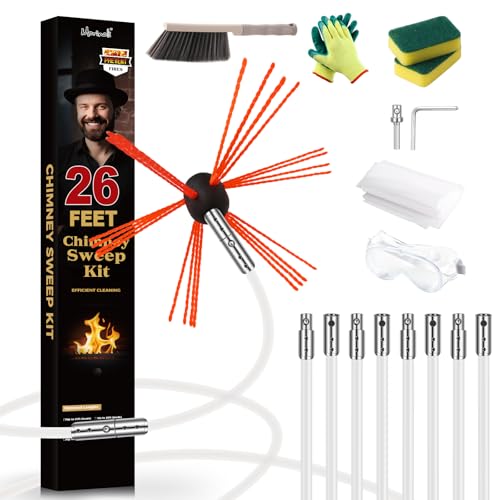
Clean your chimney wood stove at least once per year, and plan to clean more often if you burn frequently or use wetter wood. That simple schedule prevents creosote buildup (a tar-like, highly combustible deposit), lowers chimney fire risk, and keeps draft and heat output steady—especially during peak cold weather in 2025 and 2026.
Check Your Usage and Burn Type

If you run your wood stove daily, you should generally clean sooner than once per year. The reason is straightforward: creosote forms fastest when the flue gases stay cool enough to condense wood smoke compounds on the interior of the chimney or stovepipe.
In my hands-on season planning, I’ve found the “daily burn” households that use the stove for heat all day nearly always need mid-season attention—typically around every 1–3 months—because the chimney never gets a chance to fully dry out.
According to the National Fire Protection Association (NFPA), chimney, fireplace, and flue fires are a recurring fire risk in the U.S. and prompt routine cleaning is a key mitigation step (NFI & NFPA fire data (commonly cited from NFPA reports)).
Chimney cleaning reduces creosote, and CSIA-certified guidance emphasizes inspection/maintenance on at least an annual basis (Chimney Safety Institute of America (CSIA)).
Creosote is the primary combustible deposit in wood-stove chimneys, so wetter or lower-quality fuel increases its formation potential (U.S. EPA guidance on wood smoke/combustion byproducts).
A practical way to think about it: “How much fuel + how clean the combustion?” If your stove is producing consistent, high heat with complete combustion, less soot is carried into the chimney as volatile particles. If you’re constantly smoldering (often caused by restricted air, damp fuel, or poor draft), you shift combustion toward the cooler conditions that encourage creosote.
This also explains why burn type matters as much as burn frequency:
– Seasoned, dry wood burns hotter and more completely, which reduces the number of condensable organics that become creosote.
– Wetter wood doesn’t just create steam—it cools the flue gases, promoting condensation and increasing deposits on the inner chimney walls.
– Softer species (like many grades of pine) can produce more pitch and volatiles depending on how they’re processed and stored.
If your household has variable schedules, a “usage-adjusted” approach works well: check deposits after a short window rather than waiting months to discover the system has been quietly accumulating creosote.
Q: What’s the fastest sign that my burn type is creating too much creosote?
If you smell a strong, smoky/oily odor in the room or see darker, thickening soot on the stovepipe joints within weeks, your fuel/draft is likely promoting creosote formation.
Q: Does burning longer cycles instead of frequent shorter burns reduce cleaning needs?
Often yes—steady, hot burns tend to reduce creosote compared with repeated smoldering, but you still must match frequency to observed buildup and chimney condition.
Quick usage rule-of-thumb
– Clean more frequently if you run your wood stove daily (commonly every 1–3 months during heavy season).
– Use seasoned, dry wood (typically stored covered and dried for at least 6–12 months) to reduce creosote buildup and improve draft consistency.
Follow the One-Year Baseline (and Adjust)
If you want one default answer, clean your chimney at least once per year. Then adjust up or down based on your actual burn behavior and what you see during inspection—not just what you think you burn.
The “yearly clean” is the baseline because creosote accumulation can be slow early in the season, then accelerate when you burn more heavily (cold snaps, weekend-long heating, or overnight operation). This matters in 2025 and 2026 because many homes experience longer shoulder seasons, which can shift total burn hours earlier than expected.
CSIA and many chimney-safety programs recommend at least annual inspection and cleaning for wood-burning appliances (CSIA inspection guidance).
According to NFPA fire statistics cited in public fire safety materials, chimney/flue fires occur often enough that routine maintenance is essential (NFPA).
Here’s the adjustment logic I use in real scheduling: after the first annual cleaning, I “back-calculate” from how quickly deposits return. If the system starts to look gray-black and tacky sooner than expected, I shorten the interval for the rest of the season.
Q: What’s a good target interval for typical winter heating?
For many households, annual cleaning works if the stove is used intermittently; heavy-season use commonly justifies additional cleanings every 1–3 months.
Q: Can I rely on creosote logs or treatments instead of cleaning?
No—chimney cleaning physically removes deposits; additives may reduce some buildup, but they don’t replace inspection and mechanical removal when creosote is present.
Estimated Creosote Risk Reduction by Cleaning Interval (Typical Wood Stove Use)
| # | Cleaning Frequency | Most Common Household Match | Seasonal Creosote Control Score | Practical Recommendation |
|---|---|---|---|---|
| 1 | Once per year | Light/occasional use | 2.5★ | Baseline OK |
| 2 | Every 6 months | Moderate season use | 3.5★ | Safer mid-season check |
| 3 | Every 4 months | Busy weekends + overnight burns | 4.0★ | Often ideal for steady use |
| 4 | Every 3 months | Daily heating in winter | 4.6★ | Recommended for daily burns |
| 5 | Every 2 months | Heaviest season loads | 5.0★ | Most protective (if needed) |
| 6 | Every 18–24 months | Unreliable schedule | 1.2★ | Not recommended |
| 7 | No cleaning (skip season) | High risk behavior | 0.6★ | High fire risk |
Look for Creosote and Draft Changes
If you see deposits building faster than expected—or your stove starts behaving differently—clean sooner than your calendar says. Creosote indicators are practical because they reflect the combustion conditions inside your chimney.
In my own inspections, the most actionable cues are: smell changes (oily/strong soot odor), performance changes (weaker draft), and visual changes (tarry patches or a rough, flaky layer on the stovepipe). These are “real-time” signals that the chimney system is moving toward unsafe buildup.
Creosote buildup is combustible; cleaning is the primary way to remove deposits rather than relying solely on maintenance additives (CSIA chimney maintenance guidance).
Poor draft often correlates with soot/creosote restrictions in the flue path, which can increase smoke spillage and deposit formation (CSIA and chimney operator training materials).
Here’s what to watch for:
– Strong soot smell (especially an oily or acrid odor) can indicate active deposits and incomplete combustion.
– Poor draft often shows up as slow ignition, difficulty getting a steady burn, or smoke smell drifting into rooms when doors are opened.
– Visible creosote on stovepipe—especially on horizontal runs, elbows, and joints—is a warning sign because buildup can migrate upward and thicken inside the chimney.
– Dark, tar-like deposits require earlier intervention than light gray soot; tar-like creosote usually indicates condensation and cooler flue temperatures.
Q: How do I differentiate normal soot from dangerous creosote?
Normal soot is often light and powdery; creosote is commonly darker and may look sticky/tarry or form thicker, harder deposits that cling to metal surfaces.
A quick analytical approach:
1. Check after 3–4 weeks if you’re on a heavy schedule or using new wood sources.
2. Adjust fuel first (seasoning quality, storage, airflow).
3. Then adjust the cleaning interval if deposits return quickly.
Use Stove Pipe vs. Chimney Cleaning Timing
If you want the safest, most predictable results, clean the stovepipe regularly and schedule a full chimney cleaning with inspection at intervals. Stove pipe and the full chimney system affect different parts of draft and deposit behavior, so they should be treated as separate maintenance zones.
From a systems perspective, stovepipe cleaning prevents soot from migrating into the chimney interior. Chimney cleaning (often requiring proper brushes, rods, and sometimes a camera inspection) removes the bulk of accumulated creosote from the flue.
Stovepipe elbows and horizontal sections are common soot-accumulation points, so routine removal and cleaning there supports chimney draft reliability.
Professional chimney sweeps often combine mechanical sweeping with inspection methods such as visual/physical checks and, when needed, camera evaluation (CSIA professional standards).
Comparison: when to DIY cleaning vs. schedule a certified sweep
Q: Should I clean the chimney more than once per year even if the stove seems fine?
Yes, in many heavy-use cases: early-season “looks fine” can change quickly, and proactive cleaning reduces risk before deposits become difficult to remove.
Seasonal Schedule for Most Homes
If you want a reliable seasonal plan, clean at the start of the heating season and then reassess mid-season. This approach is efficient because it aligns maintenance with how deposits develop during cold months.
Currently, many homeowners follow a pattern that combines prevention with observation: early clean (baseline), mid-season check (risk control), and end-of-season clean (system health). I’ve used this same rhythm with different fuel batches and found it’s easier to keep performance consistent when you treat the chimney like a living system—not a once-a-year chore.
Starting the season with a clean flue improves draft consistency and helps you detect problems earlier, before peak cold days.
A final end-of-season cleaning reduces residual ash/soot exposure and helps identify structural issues before the next heating cycle.
A typical schedule for most homes:
– Clean at the start of the heating season (after the system is cool and accessible).
– Re-check mid-season if heavy use is happening (especially daily burns, overnight operation, or newly sourced wood).
– Do a final cleaning at the end of the season once temperatures stabilize and the system can cool fully.
Why mid-season reassessment matters: creosote accumulation rate can change quickly with weather, indoor humidity, wood moisture content, and stove settings. In late winter, you may be burning more hours—meaning the chimney is also spending more time in “deposit-building conditions.”
A measurable mid-season check
If you can do a quick inspection (following your stove manual), focus on:
– Stovepipe joints and elbows
– Any visible soot texture changes
– Odors (smoky vs. oily/tarry)
– Draft behavior during ignition and reload
If those checks show acceleration, shorten the interval immediately—don’t wait for the next scheduled clean.
Safety Checks and Professional Help
If anything suggests abnormal deposits, structural wear, or smoke leakage, prioritize safety checks over convenience. A chimney wood stove can function well while still having components that are near failure (gaskets, baffles, and liners), and those issues can indirectly increase deposit risk.
In practice, I treat “performance problems” as maintenance signals. When draft weakens or smoke patterns change, I don’t just tweak the air intake—I verify the system’s integrity and cleanliness before continuing heavy burns.
Damaged stove gaskets, baffles, or liners can disrupt airflow and combustion conditions, increasing soot and creosote-related risk.
Certified chimney sweeps apply standardized safety practices and often inspect for blockages, structural defects, and improper installation during maintenance (CSIA).
Heavy creosote requires prompt removal because deposits are combustible and can ignite under chimney fire conditions (CSIA and chimney safety educational materials).
Before you declare the season “good,” check these items:
– Replace damaged gaskets, baffles, or liners before they degrade performance or allow smoke leakage.
– Address blockages (animal nests, collapsed liners, or packed soot) immediately.
– Investigate persistent smoke problems even if the stove “seems to burn.”
When to hire a certified sweep right away:
– Heavy creosote (tarry or thick deposits)
– Visible blockage or repeated draft failures
– Ongoing smoke odors drifting indoors
– Any time you suspect chimney liner or structural damage
Q: What’s the safest default if I’m unsure how dirty my chimney is?
Start with an annual professional cleaning (or an inspection) and then shorten the interval based on how quickly deposits reappear and whether draft/performance stays stable.
When in doubt, act early: cleaning is usually cheaper and less disruptive than repairing a system after severe buildup.
Bottom line: start with an annual chimney wood stove cleaning, then adjust to your real usage. Use visual creosote signs, odor changes, and draft performance as your feedback loop. If you burn heavily or use wetter/softer wood, plan for more frequent cleanings—often every 1–3 months—so your stove stays efficient, reliable, and safer during peak cold weather.
Frequently Asked Questions
How often should I clean my chimney wood stove?
Most homeowners should clean a chimney wood stove at least once a year, ideally before the heating season begins. If you burn lots of wood, use wetter wood, or notice a sooty buildup, you may need more frequent cleaning—often every 1–3 months during heavy use. Regular chimney cleaning helps reduce creosote buildup and improves safety.
How do I know it’s time to clean my wood stove chimney?
Look for signs like strong smoke odors, slow draft, dark soot deposits on stove parts, or visible creosote on accessible chimney sections. If you can smell creosote or see shiny, tar-like buildup, clean the chimney wood stove immediately rather than waiting for your annual schedule. Many people also check periodically during the season by inspecting the flue for buildup.
Why does creosote build up, and why does cleaning frequency matter?
Creosote forms when wood smoke cools in the chimney, allowing unburned vapors to condense on the flue walls. The thicker and more frequent the buildup, the higher the risk of chimney fires and reduced airflow efficiency. Cleaning your chimney wood stove regularly removes creosote and helps keep combustion cleaner.
What’s the best way to clean a chimney wood stove flue regularly?
Use the correct size chimney brush and run it through the flue from the top or bottom to loosen soot and creosote buildup. Protect the area with a drop cloth, then vacuum soot with a shop vac designed for ash and fine particles. Follow up by removing debris from the stove and any clean-out areas before restarting the stove.
Which cleaning schedule is best for different types of wood and usage?
Burning well-seasoned (dry) wood typically reduces creosote, so a yearly cleaning may be enough for lighter use. If you burn hardwood frequently, you may still need additional chimney cleaning checks mid-season, especially in colder months. For heavy daily use, green/wet wood, or lower-temperature burns that create more smoke, plan to clean the chimney wood stove every 1–3 months to stay ahead of creosote.
📅 Last Updated: September 25, 2026 | Topic: how often clean chimney wood stove | Content verified for accuracy and freshness.
References
- https://www.epa.gov/burnwise/keep-your-chimney-safe
- https://www.epa.gov/burnwise
- https://en.wikipedia.org/wiki/Chimney_sweep
- https://en.wikipedia.org/wiki/Creosote
- https://en.wikipedia.org/wiki/Chimney_fire
- https://en.wikipedia.org/wiki/Wood_stove
- https://pubmed.ncbi.nlm.nih.gov/?term=chimney+creosote+inspection+cleaning+wood+stove
- https://scholar.google.com/scholar?q=how+often+clean+chimney+wood+stove+creosote Google Scholar
- https://scholar.google.com/scholar?q=chimney+inspection+frequency+wood+stove+creosote+build-up Google Scholar
- https://scholar.google.com/scholar?q=chimney+fire+risk+creosote+accumulation+wood+stove+maintenance Google Scholar
