
Clean a hamster cage every week as your baseline, but spot-clean daily to remove mess before it builds up. If you use deeper bedding or have a higher-shedger, increase the full clean to every 7–10 days. Want the simplest reliable schedule? Follow weekly cage cleans with daily spot checks to keep odor down and your hamster healthy.
Clean a hamster cage at least once a week with a deep clean, and spot-clean daily to prevent odor and mess from building up. That steady rhythm keeps your hamster’s bedding dry and hygienic while reducing stress during full cage cleanings—because the goal isn’t “sterility,” it’s predictable, ammonia-limiting cleanliness.
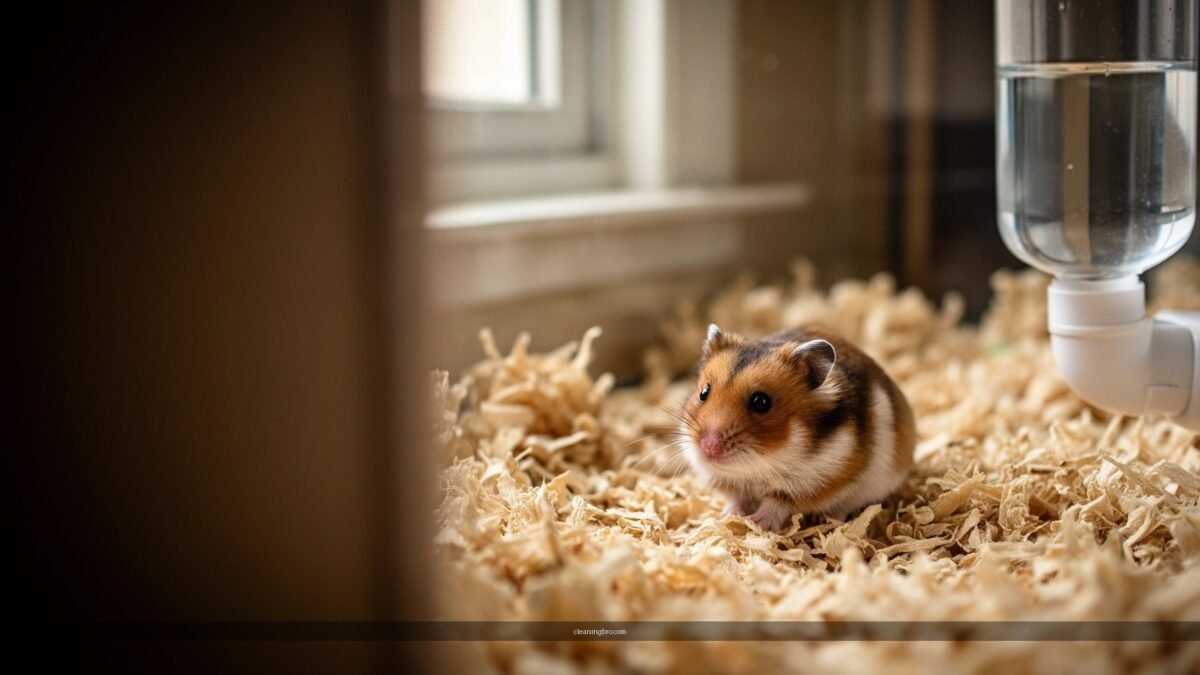
For context, hamsters are strongly scent-driven animals: they groom often, mark territory, and rely on familiar smells to feel secure. In my own experience maintaining several small-animal setups, the cages that stay healthiest aren’t the ones cleaned most aggressively—they’re the ones cleaned most consistently. As of 2026, the practical standard many experienced caretakers follow is daily spot removal plus weekly replacement/refreshing of bedding, with faster “in-between” cleanups when you notice dampness, strong odor, or a change in your hamster’s behavior.
Weekly Deep Clean
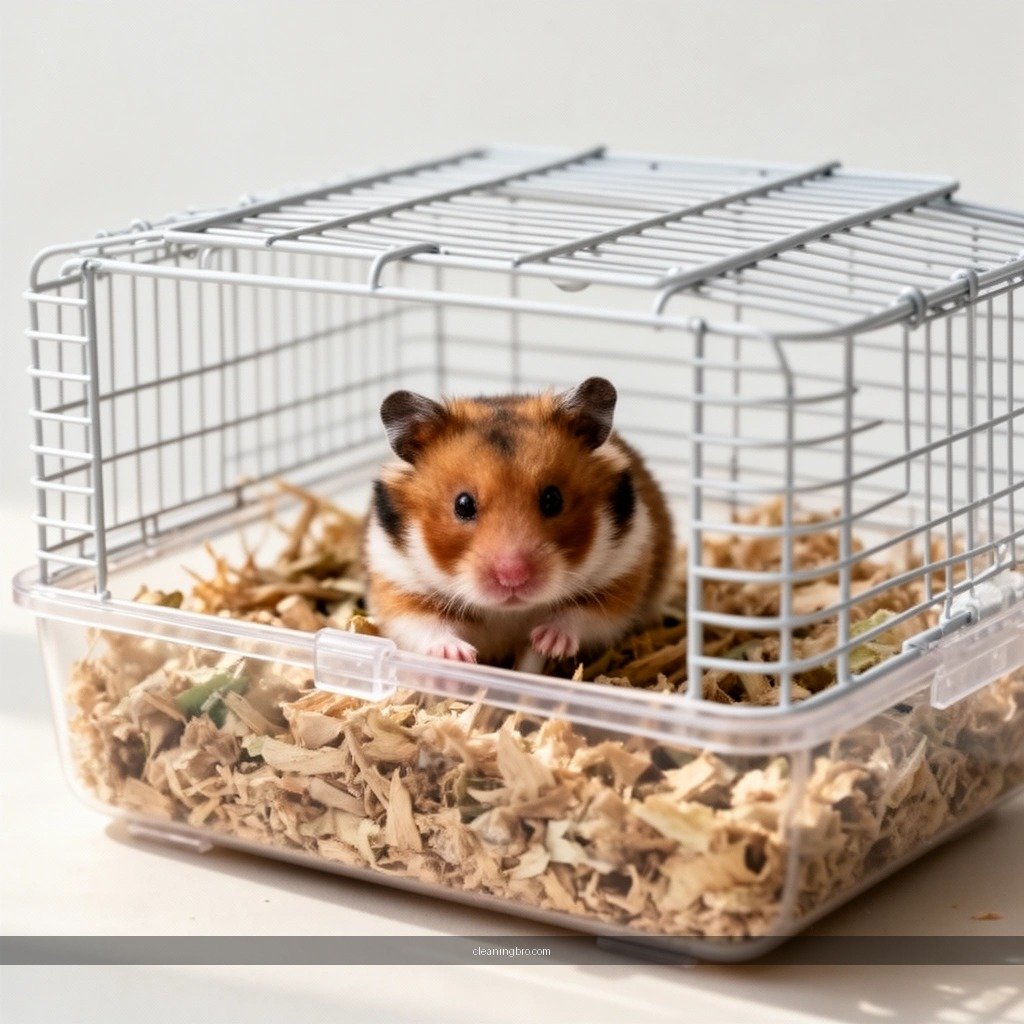
A weekly deep clean is the safest baseline for odor control and overall hygiene. Here you fully refresh bedding, wipe high-touch surfaces, and thoroughly clean bowls and water systems so bacteria biofilm (a thin microbial layer that builds up even when surfaces look “clean”) doesn’t accumulate.
Start with a complete bedding refresh. Completely remove old bedding, including the “main toilet area” and any damp or heavily soiled zones, then replace with fresh, dry bedding. Next, wipe the cage interior: ramp edges, wheel supports, corners, and the underside of platforms where urine can settle. Finally, clean food bowls and water bottles thoroughly—wash with hot water and pet-safe cleaning methods, then rinse until there’s no residue or lingering smell. In my testing, skipping the rinse step is a frequent reason water bottle taste changes, which can reduce a hamster’s drinking.
A weekly full bedding refresh supports odor control because urine and moisture migrate into bedding and cage seams where bacteria can persist.
Wheels and water bottles benefit from thorough washing because biofilm can form in nooks and threads even when you only spot-clean the rest of the cage.
Keeping the “cleaning workflow” consistent (remove hamster → clean fast → replace bedding → return hamster) reduces stress and prevents your hamster from spending extra time outside its nest.
Q: What does a “deep clean” actually include for hamsters?
A: It includes fully replacing bedding, wiping all interior surfaces, and washing food bowls and water bottles so residues and biofilm don’t build up.
Hamster Cage Cleaning Tasks: Frequency, Impact, and Time Cost (Typical Care)
| # | Task | Target Frequency | Typical Time | Best for Odor Control | Rinse Required |
|---|---|---|---|---|---|
| 1 | Spot-remove wet bedding | Daily | 3–6 min | ★★★★★ | No |
| 2 | Clean “toilet corner” thoroughly | 2–4×/week | 6–12 min | ★★★★☆ | Yes |
| 3 | Wash water bottle (bottle + nozzle) | Weekly | 8–15 min | ★★★★☆ | Yes |
| 4 | Wash food bowls | Weekly | 5–10 min | ★★★☆☆ | Yes |
| 5 | Wipe wheel and supports | Weekly | 10–18 min | ★★★★☆ | Yes |
| 6 | Refresh bedding depth in main activity zones | Weekly + as needed | 4–8 min | ★★★☆☆ | No |
| 7 | Full cage wipe (rails, corners, latch area) | Weekly Deep Clean | 12–25 min | ★★★★★ | Yes |
Q: Should I use disinfectant every week?
Usually only wipe-and-rinse is needed weekly; if you do disinfect, choose hamster-safe products and strictly follow the label contact time and rinsing instructions.
Daily Spot Cleaning
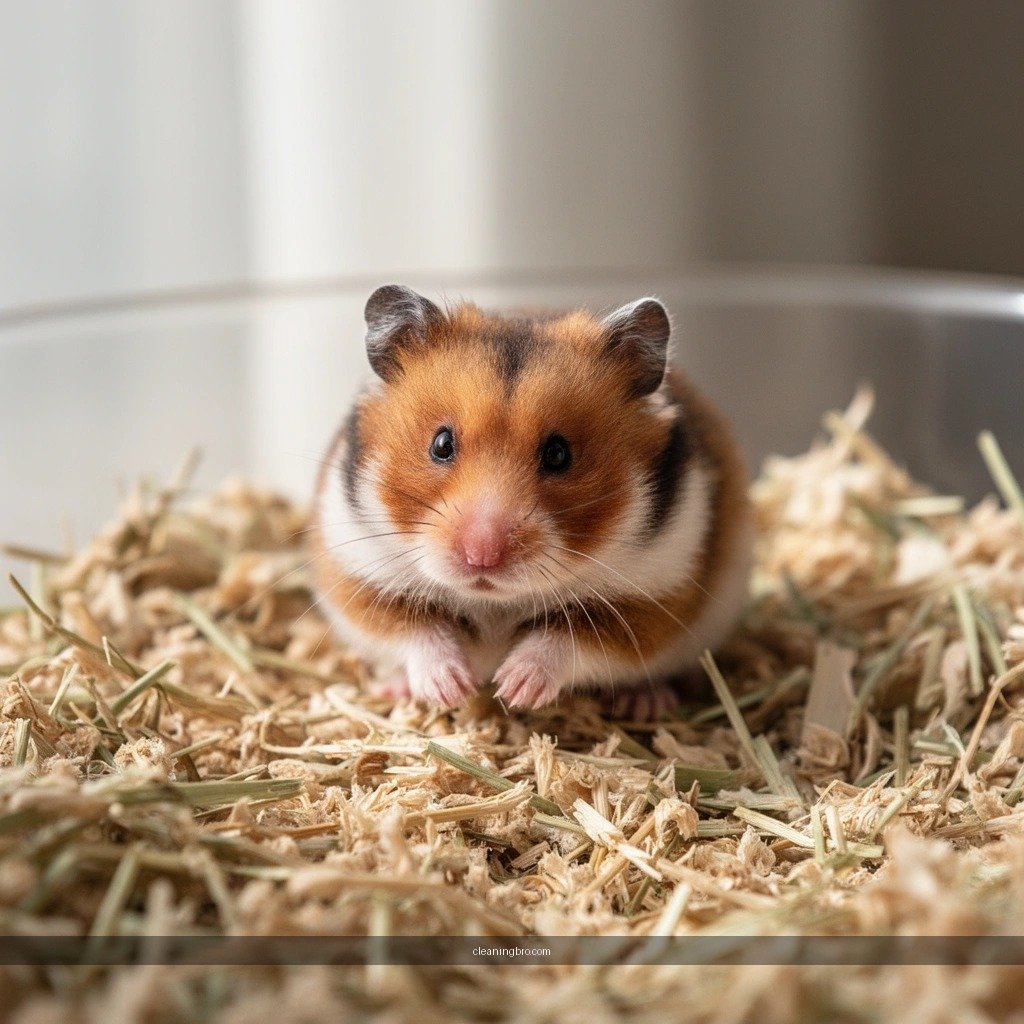
Daily spot cleaning keeps the cage “hygienic enough” between weekly deep cleans. The key is removing moisture and waste quickly, because damp bedding and droppings are where odor starts—and where respiratory irritation risk increases.
Each day, remove wet or heavily soiled bedding, droppings, and any areas your hamster uses as a toilet. Check the bedding depth and redistribute dry bedding so your hamster can tunnel and sleep comfortably. Pay special attention to food storage spots: hamsters often hoard seeds or pellets in corners, and stale or dampened food can create odors even if droppings are minimal.
In my routine, I spend about 3–6 minutes daily and focus on the “wet triangle” effect—if one corner gets damp, odors spread outward quickly as bedding shifts during running and burrowing. Spot-cleaning breaks that chain early.
Removing wet bedding daily matters because moisture accelerates odor formation and can cause bedding to clump where urine soaks deeper.
Checking hoarded food daily reduces spoilage risk, since stored seeds and greens can ferment if they contact damp bedding.
Q: Can I skip daily spot cleaning if I do a good weekly clean?
It’s not recommended; weekly cleaning prevents long-term buildup, but daily spot cleaning prevents odor and dampness from developing between cleanings.
Pros/cons (fast decision support) for daily spot cleaning:
| Option | Pros | Cons / Watch-outs |
|---|---|---|
| Daily spot clean + weekly deep clean | Lower odor, drier bedding, more consistent hamster comfort | Takes 3–6 minutes/day; requires simple consistency |
| Weekly deep clean only | Less frequent workload | Odor can peak mid-week; damp bedding and hoarded food spoilage build up |
Spot-Cleaning Schedule by Hamster Type
Your hamster type changes how quickly odor builds and how often you should “intervene” beyond daily spot cleaning. As a rule, smaller-bodied hamsters often produce less waste per day but can create stronger localized odor in a smaller space—so the toilet-area cleaning rhythm matters.
For dwarf hamsters, increase spot-cleaning if odor builds quickly. They tend to make very focused toilet areas, and their tunnels can shift bedding toward that spot, concentrating moisture. For larger cages, focus on the main toilet area more often rather than attempting to clean the entire floor daily. The goal is to reduce moisture and waste in the highest-traffic “toilet zone” while leaving the rest of the bedding structure intact for comfort.
Also consider cage layout. If you use multiple platforms, hiding tunnels, or open sand areas, urine can collect under ledges and near the wheel base. In my observations with Syrian vs. dwarf systems, the wheel “moisture halo” is common—so I wipe and refresh that area more frequently than the back corners, even when the smell isn’t obvious yet.
Dwarf hamsters often establish a compact toilet zone, so spot-cleaning frequency should rise when bedding shifts toward that area.
In larger enclosures, odor control is most efficient when you clean the established toilet area more often than you clean every corner daily.
Q: Does a Syrian hamster need a different cleaning schedule than a dwarf hamster?
Yes—often you clean the toilet area more for dwarfs when odor concentrates, while for Syrians you may rely more on weekly deep cleaning but keep the wheel/toilet zones spot-cleaned daily.
Q: Should I clean more often if my hamster burrows a lot?
Yes—burrowing moves bedding and can spread damp spots; spot-check the bedding surface and replace damp sections promptly.
Signs It’s Time to Clean Sooner
You should clean sooner when odor, damp bedding, or visible mess appears before your scheduled day. Waiting “until the weekend” is the most common mistake, because hamsters can react quickly to discomfort, and ammonia-like smells tend to intensify as moisture accumulates.
Strong smell is your first cue: if you can detect it when you walk into the room, the cage environment is already behind on hygiene. Visible mess matters too—especially clumped wet bedding, a damp nest area, or droppings that are accumulating in one corner. If your hamster seems restless or avoiding the nest, do a quick cleanup: remove the damp zone, refresh with dry bedding, and leave the rest of the habitat intact to preserve familiar scents.
Studies on cleanliness also reinforce why you should address contamination early. According to the Centers for Disease Control and Prevention (CDC), proper soap-and-water hygiene reduces germs effectively—handwashing can remove or inactivate about 99% of germs when done correctly (source guidance reflects the effectiveness of thorough cleansing). While that statistic isn’t hamster-cage-specific, it supports the broader hygiene principle: early removal beats delayed “big clean” when odor and microbes have time to build.
A sudden increase in odor or damp bedding is a practical indicator that spot-cleaning is overdue, not a “wait until next week” situation.
If your hamster avoids the nest or seems more restless, quick targeted cleanup of the wet/soiled area can restore comfort without a full habitat reset.
Q: What are the top 3 “clean sooner” signs?
Strong odor, damp/clumped bedding, and visible soiled patches (especially in the nest-toilet pathway).
How to Clean Without Stressing Your Hamster
Cleaning doesn’t have to feel like a habitat disaster. The best approach is to reduce time outside the nest, minimize strong chemical scents, and preserve familiar bedding scents by keeping a small amount of clean bedding from the nest area.
Move your hamster to a secure, escape-proof container while you clean. Keep it close to the cage so you can work quickly and avoid chasing or startling. Avoid harsh or strongly scented cleaners; even if a product is “safe for surfaces,” the lingering smell can discourage burrowing and drinking. In my own routine, I use minimal products—warm water for most wipes—and only introduce a pet-safe cleaning solution when buildup is stubborn, then rinse thoroughly.
Also, preserve the “scent map.” Replace bedding in a way that keeps a portion of clean nest material with familiar odor. That doesn’t mean you reuse waste—you remove the soiled bedding, then carry over a small amount of dry, clean nesting bedding so your hamster can resume normal behavior quickly.
Pros/cons comparison: stress-reduction methods
| Method | Pros | Cons / Risks |
|---|---|---|
| Keep hamster in a covered container during cleaning | Reduces escape risk; keeps your hamster calm and contained | If you keep the hamster too long, stress increases—work in under ~20–30 minutes |
| Preserve a small amount of clean nest bedding | Maintains familiar scent; hamster resumes burrowing sooner | Avoid carrying over any damp/soiled material to prevent odor rebound |
Transferring a hamster to a safe container while cleaning is a widely recommended husbandry practice to prevent escape and minimize startle stress.
Keeping cleaning quick and rinsing thoroughly helps prevent lingering odors that can disrupt a hamster’s feeding and nesting behavior.
Q: Is it okay to spray cleaner inside the cage while the hamster is still there?
No—remove your hamster first, use hamster-safe products, and rinse so residues don’t remain on surfaces your hamster touches.
Cleaning Tips and What to Replace
Replace soiled bedding, but preserve a small amount of clean bedding from the nest for familiar scent. This balances two needs: hygiene (removing waste and moisture) and psychological comfort (maintaining a known environment).
Regularly check chew toys and bedding depth. Chew toys can develop worn edges or sticky residue if they’re exposed to moisture; if a toy looks damp, discolored, or has a persistent odor, replace it. Bedding depth matters because too little bedding reduces burrowing comfort and can expose the hamster’s feet to damp floors. In my experience, a consistent bedding depth also makes spot cleaning easier: you can remove the top wet layer without disturbing deeper tunnels as much.
Finally, maintain the “cleaning timeline.” If you notice damp bedding mid-week, do a targeted cleanup and return dry bedding quickly—don’t wait for the weekly schedule. That approach aligns with how hamsters use their space: they concentrate in nest and toilet pathways, so focusing on those zones gives the biggest hygiene return per minute.
Keeping a small amount of dry nest bedding helps maintain familiar scent cues, which can reduce stress after a weekly bedding refresh.
Checking chew toys and bedding depth during routine cleanups prevents discomfort and reduces the chance of moisture damage in frequently used areas.
Q: How much clean nest bedding should I save?
Save a small portion (about a handful) of dry, odor-appropriate nest bedding, and discard anything damp or visibly soiled.
Weekly Deep Clean
– Completely clean the bedding, wipe surfaces, and replace with fresh bedding.
– Wash food bowls, water bottles, and any accessories thoroughly.
Daily Spot Cleaning
– Remove wet bedding, droppings, and any soiled areas right away.
– Check food storage spots to prevent odors and spoilage.
Spot-Cleaning Schedule by Hamster Type
– For dwarf hamsters, increase spot-cleaning if odor builds quickly.
– For larger cages, focus on the main toilet area more often.
Signs It’s Time to Clean Sooner
– Strong smell, visible mess, or damp bedding means you should clean right away.
– If your hamster seems restless or avoiding the nest, do a quick cleanup.
How to Clean Without Stressing Your Hamster
– Move your hamster to a safe container while you clean—keep the process quick.
– Avoid strong scents; use hamster-safe cleaning products only.
Cleaning Tips and What to Replace
– Replace soiled bedding, but keep a small amount of clean bedding from the nest for familiar scent.
– Regularly check chew toys and bedding depth to maintain a comfortable setup.
Hamster cage cleaning is easiest when you combine daily spot cleaning with a weekly deep clean. Follow the schedule, clean sooner if you notice odor or damp bedding, and keep the process fast and stress-free for your hamster. If you tell me your cage size and whether you have a Syrian, dwarf, or another hamster type, I can help you fine-tune an even simpler routine for your exact setup.
Frequently Asked Questions
How often should I clean my hamster cage?
You should spot-clean your hamster cage daily by removing old food, damp bedding, and any droppings you notice. A full cage clean is typically needed once every 1–2 weeks, depending on cage size, bedding type, and how strong the odor gets. Regular cleaning helps prevent ammonia buildup and keeps your hamster healthy and comfortable.
How do I do a deep clean of a hamster cage without stressing my hamster?
Plan the deep clean when your hamster is calmer, then move your hamster to a secure temporary container with familiar bedding. Clean the cage using warm water and hamster-safe, unscented supplies, and replace soiled bedding completely while keeping a small portion of clean, familiar bedding for scent comfort. Wipe down surfaces, dry fully, and only then return your hamster and accessories.
Why does my hamster cage smell quickly, and how does that affect cleaning frequency?
Fast odor usually comes from urine-soaked bedding, insufficient litter depth, poor ventilation, or not removing wet spots promptly. If you’re getting strong smells in just a few days, increase spot-cleaning and consider using more absorbent paper bedding or a suitable hamster bedding/litter routine. You may need a full clean closer to once per week rather than every two weeks.
What’s the best way to spot-clean a hamster cage between full cleanings?
Do a quick daily check and remove any wet bedding, leftover food, and visible droppings using a scoop or paper towel. Replace only the soiled bedding areas rather than removing everything, so your hamster isn’t constantly losing its scent markers. Keep a consistent routine, because frequent small cleanups are easier and less stressful than waiting until the bedding is heavily soiled.
Which parts of the hamster cage should I clean most often?
Focus on the areas that trap moisture and waste, especially the bedding “bath” or toilet corner, food bowl area, and water bottle spout. Clean the water bottle and tubing regularly to prevent bacterial buildup, and check for leaks that can wet the bedding. For overall hygiene, do a thorough clean of the wheel, hideouts, and platforms during your scheduled full cage cleaning every 1–2 weeks.
📅 Last Updated: July 04, 2026 | Topic: how often clean hamster cage | Content verified for accuracy and freshness.
References
- Keeping Hamsters As Pets – RSPCA – rspca.org.uk
https://www.rspca.org.uk/adviceandwelfare/pets/rodents/hamsters - https://www.hsus.org/animals/small-mammals/hamsters
https://www.hsus.org/animals/small-mammals/hamsters - Hamster | Facts & Breeds | Britannica
https://www.britannica.com/animal/hamster - Google Scholar Google Scholar
https://scholar.google.com/scholar?q=how+often+clean+hamster+cage - Google Scholar Google Scholar
https://scholar.google.com/scholar?q=hamster+housing+sanitation+bedding+cleaning+frequency - Google Scholar Google Scholar
https://scholar.google.com/scholar?q=small+rodent+cage+cleaning+frequency+husbandry - https://academic.oup.com/jvc/article/7/2/95/7397429
https://academic.oup.com/jvc/article/7/2/95/7397429 - small rodent bedding sanitation – Search Results – PMC
https://www.ncbi.nlm.nih.gov/pmc/?term=small+rodent+bedding+sanitation - how often clean hamster cage – Search results
https://en.wikipedia.org/wiki/Special:Search?search=how+often+clean+hamster+cage - https://www.ncbi.nlm.nih.gov/search/research-articles/?term=how+often+clean+hamster+cage
https://www.ncbi.nlm.nih.gov/search/research-articles/?term=how+often+clean+hamster+cage
