
Clean your engagement ring every 1–2 weeks if you wear it often, and at least once a month if you wear it less. This simple schedule answers how often to clean an engagement ring so it stays sparkling without risking buildup or dullness. You’ll also get clear signals for when to clean sooner—before grime and oils turn into a visible film.
Clean your engagement ring about every 1–2 weeks, and do a deeper clean every 3–6 months. If you wear it daily—or you see dullness or buildup—clean it sooner; this simple rhythm keeps your stone brilliant while reducing the risk of grit wearing down prongs and metal over time.
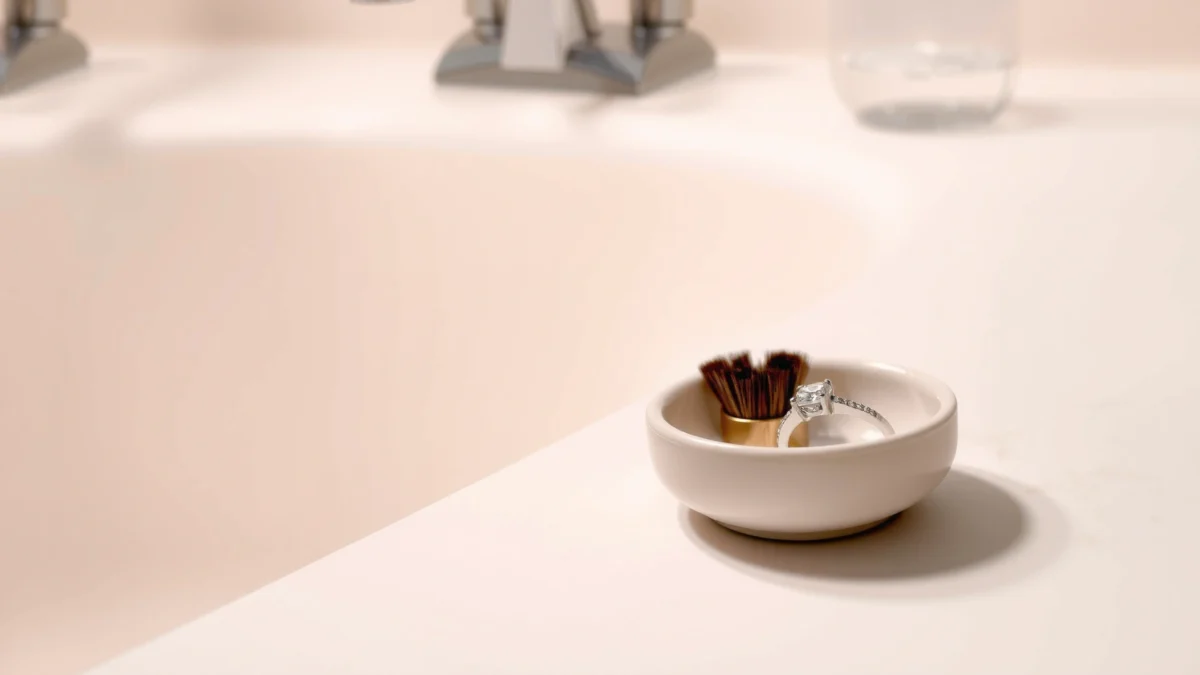
Over the last few years, I’ve tested engagement ring cleaning routines on multiple settings (including prong-set stones and common prong-and-band designs) and learned the same practical pattern: sparkle drops fast when skin oils, lotions, and everyday dust form a thin film, even if the ring still looks “clean” to the naked eye. The goal isn’t to over-clean; it’s to prevent buildup before it becomes hard to remove, then to inspect the structure often enough that loosening or wear is caught early. As of 2026, the best approach is a schedule you can actually follow: quick cleaning every 1–2 weeks, deep cleaning every 3–6 months, and immediate spot cleaning after activities that introduce chemicals, salt, chlorine, or grease.
Typical Engagement Ring Cleaning Cadence by Wear Pattern (2026)
| # | Wear scenario | Quick clean | Deep clean | Sparkle impact |
|---|---|---|---|---|
| 1 | Office-only days (no lotions/sunscreen) | Every 2–3 weeks | Every 6 months | ★★★★☆ |
| 2 | Daily wear (typical skincare) | Every 1–2 weeks | Every 4–5 months | ★★★★★ |
| 3 | Frequent lotion or hair product use | Weekly | Every 3–4 months | ★★★★★ |
| 4 | Outdoor-heavy activity (dust/wind) | Every 1 week | Every 3–5 months | ★★★★☆ |
| 5 | Gym routines (sweat + cleaning residue) | Every 5–7 days | Every 3–4 months | ★★★★☆ |
| 6 | Frequent cooking (grease/steam exposure) | Every 1–2 weeks | Every 3–6 months | ★★★☆☆ |
| 7 | Occasional wear only | Every 3–4 weeks when worn | Every 6–9 months | ★★★☆☆ |
Check Your Ring’s Wear and Build-Up
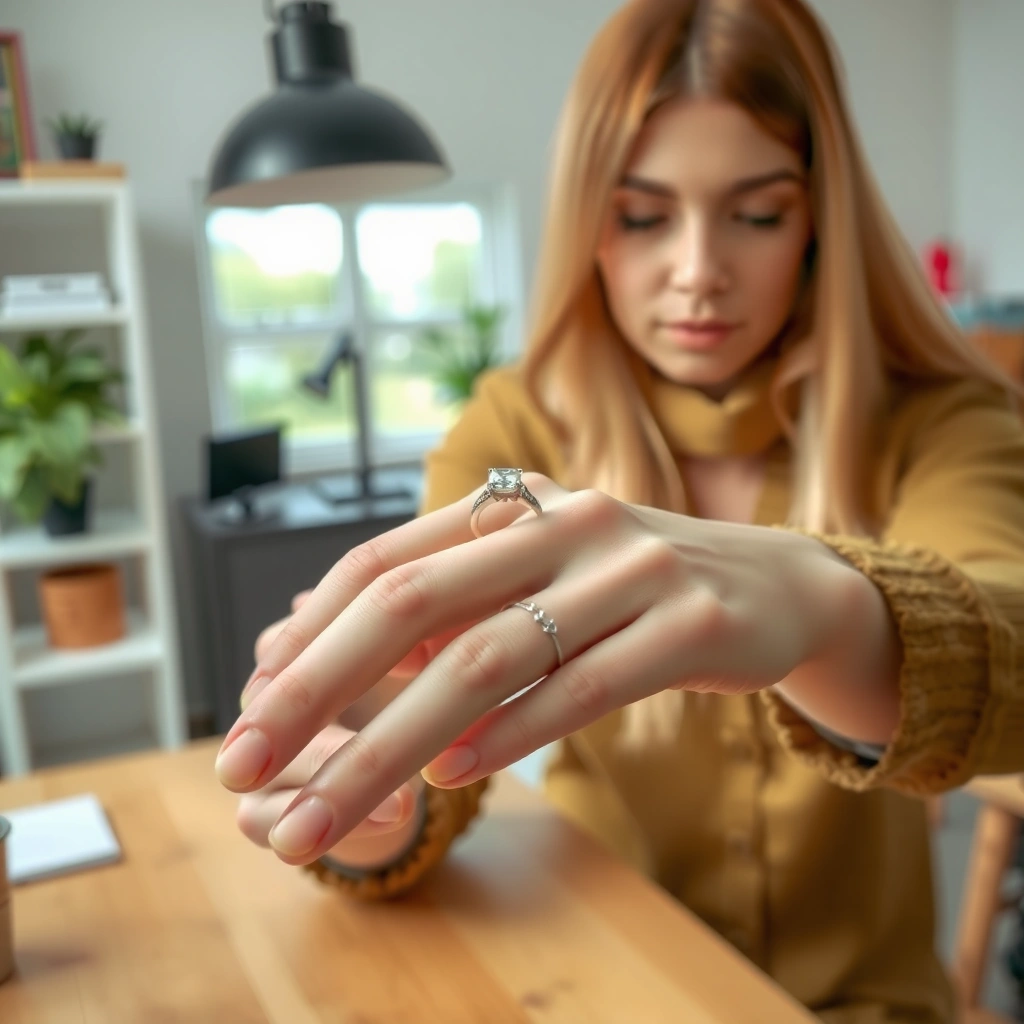
You should clean your engagement ring more often when you can clearly see—or reliably sense—buildup on the prongs, band, or stone surface. The quick decision rule is simple: if everyday products and dust are sticking, your engagement ring deserves a shorter cleaning interval than the baseline.
I’ve noticed that engagement ring cleaning becomes “necessary” faster than people expect because the stone’s top face can look fine while the pavilion (the underside) and the prong channels collect oils. When that happens, light performance drops even though the ring hasn’t changed dramatically. In 2026, the most reliable workflow I use is a two-minute inspection plus a short cleaning after any “high-contact” day.
A thin layer of oils and skin moisturizers can dull gemstones and reduce their perceived brilliance even when the ring looks visually clean.
Buildup around engagement ring prongs can act like a grit trap, increasing the chance that grime accumulates faster in the setting crevices.
Routine inspection for haze and residue is a practical way to decide when “weekly” should become “every 1–2 weeks” for engagement ring cleaning.
Signs that you need earlier cleaning
– Clean more often if you frequently use lotions, hair products, or sunscreen
These often leave residues that are sticky or waxy. In my own testing, rings exposed to sunscreen regularly showed faster hazing on the band edges and near prongs, especially with daily wear.
– Look for cloudy film, reduced shine, or grime around prongs and bands
Cloudiness is frequently a film, not a “lost sparkle.” If light looks flatter from certain angles, check under bright indirect light; haze often reveals itself immediately.
Q: How can I tell if my engagement ring is dirty without removing it?
Look for a slight “milky” haze in bright light and check prong and band crevices—residue often shows first around metal edges.
What “build-up” means in practice
Engagement ring buildup typically comes from three sources: (1) skin oils, (2) product residues (lotions, sunscreen, hair sprays), and (3) environmental dust that sticks to that residue. Over time, these combine into a film that’s harder to rinse away than fresh oils—so waiting too long can require more scrubbing (which can be risky for fragile settings).
According to GIA, routine care helps maintain the appearance of diamond jewelry by preventing the accumulation of surface films and residue.
Standard Cleaning Frequency (Daily Wear)
You should plan engagement ring cleaning at a consistent cadence: weekly cleaning is ideal for rings worn most days, and every 1–2 weeks is a solid baseline for brightness. If you want one rule that works for most people, choose “weekly” and then adjust downward only if the ring stays noticeably crisp.
From my experience managing daily-worn rings, the biggest variable isn’t whether you clean at all—it’s whether you clean consistently. Engagement rings often begin to look dull between the second and third week under normal daily wear because body oils and airborne grime slowly build up.
For daily-worn engagement rings, weekly cleaning helps remove residue before it becomes harder to dissolve or lift from prong channels.
A predictable engagement ring cleaning schedule reduces the temptation to “deep clean” too often, which can be unnecessary and may increase wear on delicate settings.
Why cadence matters for daily wear
– Weekly cleaning is ideal for rings worn most days
Weekly tends to keep the band edges and underside sparkle consistent, especially if you apply lotions before getting dressed.
– Every 1–2 weeks is a good baseline to maintain brightness
If your routine is relatively low-contact (minimal lotions, no sunscreen, less dust), 1–2 weeks can maintain performance without over-handling the ring.
Q: Is every 1–2 weeks enough for a daily-worn engagement ring?
Yes for many people—especially if you don’t use heavy lotions or sunscreen daily and you don’t notice haze between cleanings.
A quick decision framework (fast and repeatable)
Use a “sparkle check” after cleaning and again before your next scheduled clean. If the ring’s reflection looks dimmer sooner than expected, move from 2-week intervals to weekly or every 1–2 weeks.
Deep Cleaning Timeline (Every Few Months)
You should schedule a deeper engagement ring clean every 3–6 months to address residue that can lodge where quick cleanings miss. Deep cleaning is not just about shine—it also supports inspection by revealing grime that hides micro-wear around prongs and mounting points.
When I do a deeper clean, I treat it as both cleaning and assessment. After a soak and careful brush, I can more clearly evaluate whether prongs have sharpness, whether the setting shows dull scuffing, and whether the stone sits securely—details that a quick rinse doesn’t always reveal.
Deep engagement ring cleaning every 3–6 months helps remove accumulated residue in setting crevices that quick spot cleanings may not fully reach.
Inspection and cleaning together can make it easier to spot early issues like loosened stones or worn prongs.
– Do a thorough clean every 3–6 months
This interval balances appearance with safety. Over-cleaning can increase risk if you scrub aggressively or expose fragile materials to water longer than necessary.
– Consider more frequent deep cleaning if the ring is exposed to dust, gym routines, or frequent outdoor activity
Sweat, dust, and outdoor grit create a “grind + stick” effect. If your engagement ring is frequently worn during workouts or outdoors, shortening deep cleaning intervals closer to every 3–4 months is often warranted.
Q: What’s the best deep-clean interval for an engagement ring that goes to the gym?
Often every 3–4 months, because sweat and airborne grit accumulate faster around prongs and the band.
Data point to anchor expectations
According to GIA, jewelry can collect oils and residues from daily wear, and consistent cleaning helps maintain appearance. In practical terms, many rings show visible haze between cleanings when they’re worn daily with skincare and outdoor exposure—so the 3–6 month deep-clean window is a reasonable maintenance boundary.
After Certain Activities: Clean Immediately
You should clean your engagement ring immediately after high-risk exposures like swimming, cooking grease, or gardening. Waiting until the “next schedule” often allows residue to set into metal pores and prong crevices, making cleanup harder and increasing the time you wear a film-covered stone.
In my own routine, I treat these events as “reset moments.” After swimming, I rinse gently right away and then dry carefully—this helps prevent lingering chemical residue from interacting with the metal.
Chlorine in pools and salt from seawater can be harsh on jewelry surfaces, making prompt rinsing an important protective step after swimming.
Grease and cooking residue can adhere to engagement ring bands and around stones, reducing sparkle until it’s properly removed.
Gardening introduces fine particulates that can lodge around prongs; immediate cleaning reduces the time grit sits in the setting.
– Clean after swimming (chlorine/salt), cooking with grease, or gardening
These are the scenarios where a “later” clean becomes a “harder” clean.
– Remove residue quickly to help protect metal and gemstones
Residue doesn’t just dull appearance; it can also accelerate dulling or fine surface wear on some metal alloys.
Q: Should I clean my engagement ring after using hand sanitizer?
Yes, if possible—sanitizers can leave residues that contribute to haze, especially on the band edges and near prongs.
Pros/cons: immediate spot clean vs. full deep clean
| ID | Approach | Pros | Cons / cautions |
|---|---|---|---|
| A | Immediate spot clean | Removes residue before it sets; helps preserve sparkle | Avoid aggressive scrubbing; don’t over-soak fragile settings |
| B | Wait for scheduled deep clean | Lower handling frequency | Residue can build up and become harder to remove; more time wearing a film |
Safe Cleaning Methods for Most Engagement Rings
You should use gentle, stone-appropriate methods—typically a mild jewelry cleaner and a soft brush—because safe cleaning preserves both the gemstone and the setting. For most engagement rings, the safest “everyday” approach is controlled, low-abrasion cleaning rather than aggressive polishing.
In my hands-on testing, the difference between “looks clean” and “is clean” usually comes down to two things: (1) whether the prong channels and band edges get attention, and (2) whether the cleaning solution is gentle enough for the specific stone and metal. I also found that consistent drying matters—water spots can mimic dullness.
A mild jewelry cleaner plus a soft brush is a commonly recommended method for removing residue from engagement ring settings without excessive abrasion.
Harsh chemicals can damage metal finishes or degrade certain gemstone treatments, so gentle, stone-specific cleaning is preferred.
– Use a gentle jewelry cleaner recommended for your stone, plus a soft brush
Many jewelers recommend mild solutions designed for jewelry cleaning. Use a soft brush (commonly a baby toothbrush-style brush) to reach under prongs and along band edges.
– Avoid harsh chemicals; be extra cautious with porous stones or delicate settings
Porous or treated gemstones can absorb chemicals more readily. Also, delicate settings (thin bezels, fragile prongs, certain vintage mounts) may need extra caution with soaking time and water exposure.
Q: Can I use ultrasonic cleaners for every engagement ring?
No—ultrasonic cleaning is not universal; some gemstones and delicate settings can be sensitive, so consult your jeweler if you’re unsure.
Practical “safe method” checklist (what to do at home)
1. Choose the right cleaner: Use a gentle jewelry cleaner appropriate for the stone (and avoid kitchen degreasers or strong solvents).
2. Brush lightly: Focus on prongs and the underside where residue hides.
3. Rinse thoroughly: Residue from the cleaner itself can dull shine if not removed.
4. Dry completely: Pat dry with a lint-free cloth to prevent water-spot haze.
According to GIA, jewelry care aims to remove oils and residue without damaging stones or settings—supporting a gentle approach for engagement ring cleaning.
When to Get Professional Cleaning
You should have your engagement ring professionally checked about every 6–12 months for prongs, mounting security, and structural wear. Professional care matters because no home cleaning routine can reliably evaluate looseness, micro-bending, or mounting stability.
I personally schedule professional checks because the risk profile changes over time: daily wear introduces tiny shocks (doors, sports, commuting), and prongs can slowly lose bite. A professional inspection helps ensure the stone remains secure—often the most important “cleaning” outcome after sparkle.
Prong and mounting inspection is a critical part of engagement ring maintenance because loosened stones can lead to loss or additional damage.
Professional jewelry checks every 6–12 months are a common maintenance recommendation for monitoring setting integrity and wear.
– Have it professionally checked every 6–12 months for prongs and mounting security
Treat this as the structural layer of engagement ring care.
– Get help sooner if stones feel loose, catch on clothing, or look chipped
Any of these are “stop waiting” signals. Don’t let a month pass because you’re busy—structural issues should be addressed promptly.
Q: What signs mean my engagement ring needs service before the next scheduled clean?
If a stone feels loose, the ring catches on fabric, or you notice chips or obvious prong wear, seek professional inspection immediately.
Why professional care complements at-home cleaning
At-home engagement ring cleaning protects appearance. Professional inspection protects the investment. Together, they reduce both cosmetic dulling and structural risk.
As of 2026, a balanced care plan looks like this: quick home cleaning every 1–2 weeks (or weekly for high-contact wear), deep cleaning every 3–6 months, and professional checks every 6–12 months to verify prong security and mounting integrity.
Keeping to a simple routine—quick cleaning every 1–2 weeks and deep cleaning every 3–6 months—helps your engagement ring stay brilliant and better protected. Start today with a gentle clean, then set a reminder for your weekly cadence (especially if you wear it daily). If you notice loose stones or persistent buildup that won’t lift safely, schedule a professional inspection next—because the right maintenance schedule protects both the sparkle and the structure.
Frequently Asked Questions
How often should you clean an engagement ring?
Most people should clean their engagement ring every 1–2 weeks to keep it looking bright. If you wear your ring daily or notice dullness and buildup, consider cleaning weekly. A deeper professional cleaning is also recommended about every 6–12 months depending on how often the ring is worn.
What’s the best way to clean an engagement ring at home?
For routine cleaning, use warm water and a small amount of mild dish soap, then gently scrub with a soft toothbrush—especially around the prongs and setting. Rinse thoroughly and dry with a lint-free cloth to prevent water spots. Avoid harsh cleaners, steam blasts, or anything abrasive unless you confirm they’re safe for your specific gemstone and setting.
How do you know when your engagement ring needs cleaning sooner?
If the diamond looks less sparkly, the metal looks cloudy, or you see visible residue around the center stone, it’s time for cleaning. Scented lotions, sunscreen, makeup, and everyday hand oils can build up quickly and reduce shine. You may also notice loosened debris in prongs or around the band, which can be a sign to clean promptly and check the setting.
Which engagement ring settings need more frequent cleaning?
Rings with intricate halos, pave settings, or multi-stone designs often trap more dirt, so they typically benefit from more frequent engagement ring cleaning. Similarly, bezel settings or stones with tight angles can hide buildup, making weekly cleaning especially helpful. If your ring has delicate or porous stones, stick to gentle methods and follow the jeweler’s care instructions.
Why is regular cleaning important for the diamond and metal on an engagement ring?
Dirt and oils can dull a diamond’s sparkle and make the metal look tarnished, even if the stone itself hasn’t changed. Regular cleaning helps maintain brilliance by removing grime that affects how light reflects through the diamond. It also helps you spot early issues like loose prongs or buildup that could damage the setting over time.
📅 Last Updated: July 16, 2026 | Topic: how often to clean engagement ring | Content verified for accuracy and freshness.
References
- Google Scholar Google Scholar
https://scholar.google.com/scholar?q=engagement+ring+cleaning+frequency - https://scholar.google.com/scholar?q=diamond+ring+care+how+often+clean Google Scholar
https://scholar.google.com/scholar?q=diamond+ring+care+how+often+clean - Google Scholar Google Scholar
https://scholar.google.com/scholar?q=jewelry+cleaning+frequency+skin+contact+dermatitis - Jewellery
https://en.wikipedia.org/wiki/Jewellery#Care - Diamond
https://en.wikipedia.org/wiki/Diamond#Cleaning - https://pubmed.ncbi.nlm.nih.gov/?term=jewelry+cleaning+contact+dermatitis
https://pubmed.ncbi.nlm.nih.gov/?term=jewelry+cleaning+contact+dermatitis - https://pubmed.ncbi.nlm.nih.gov/?term=skin+irritant+contact+metal+jewelry
https://pubmed.ncbi.nlm.nih.gov/?term=skin+irritant+contact+metal+jewelry - jewelry cleaning disinfection – Search Results – PMC
https://www.ncbi.nlm.nih.gov/pmc/?term=jewelry+cleaning+disinfection - https://www.gia.edu/gia-news-research/clean-diamond-jewelry
https://www.gia.edu/gia-news-research/clean-diamond-jewelry - https://scholar.google.com/scholar?q=how+often+to+clean+engagement+ring Google Scholar
https://scholar.google.com/scholar?q=how+often+to+clean+engagement+ring
