How to Clean a Bannetone Basket: Step-by-Step Guide
Cleaning a banneton basket is essential to maintain its functionality and longevity, and it’s quite simple. To clean your banneton, start by removing any residual flour and gently brushing it out. This article will guide you through the necessary steps to keep your banneton in top condition, ensuring your bread-making process remains smooth and hygienic.
Understanding Your Bannetone Basket
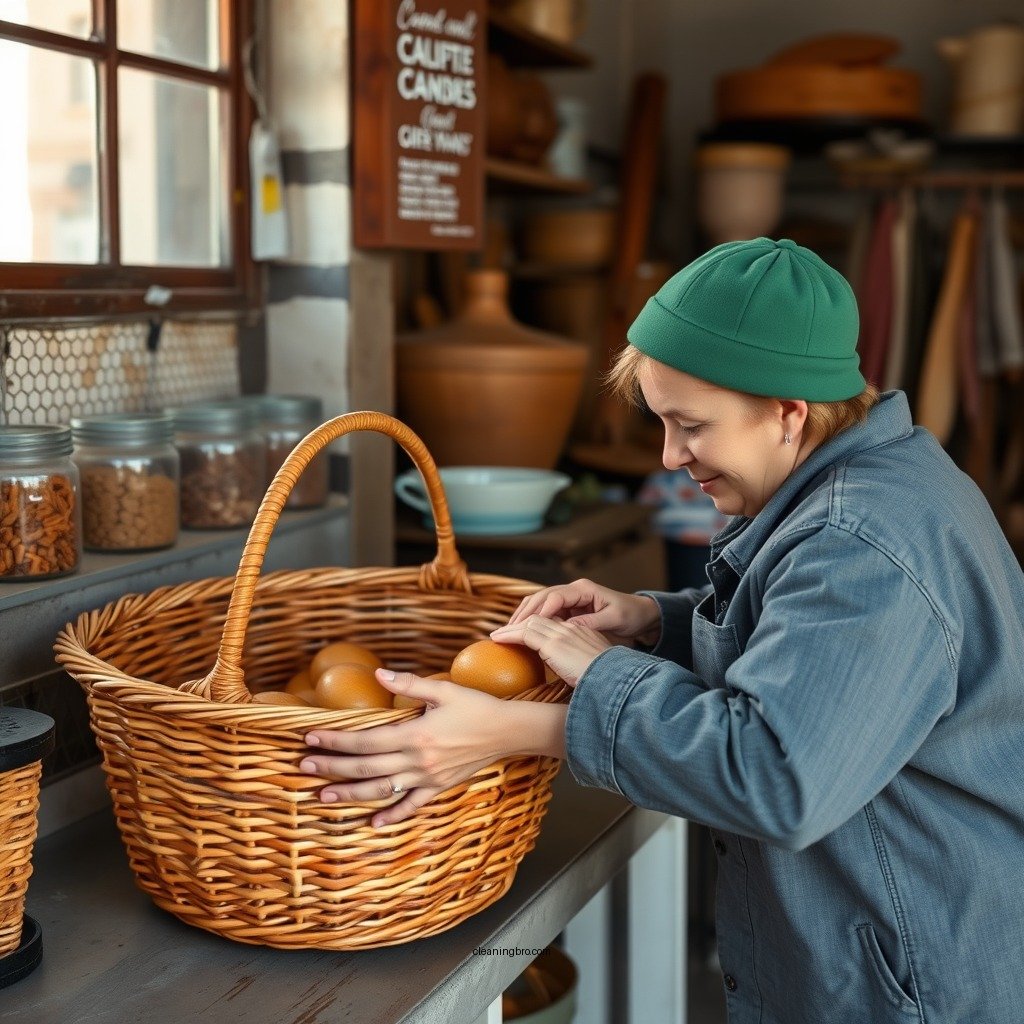
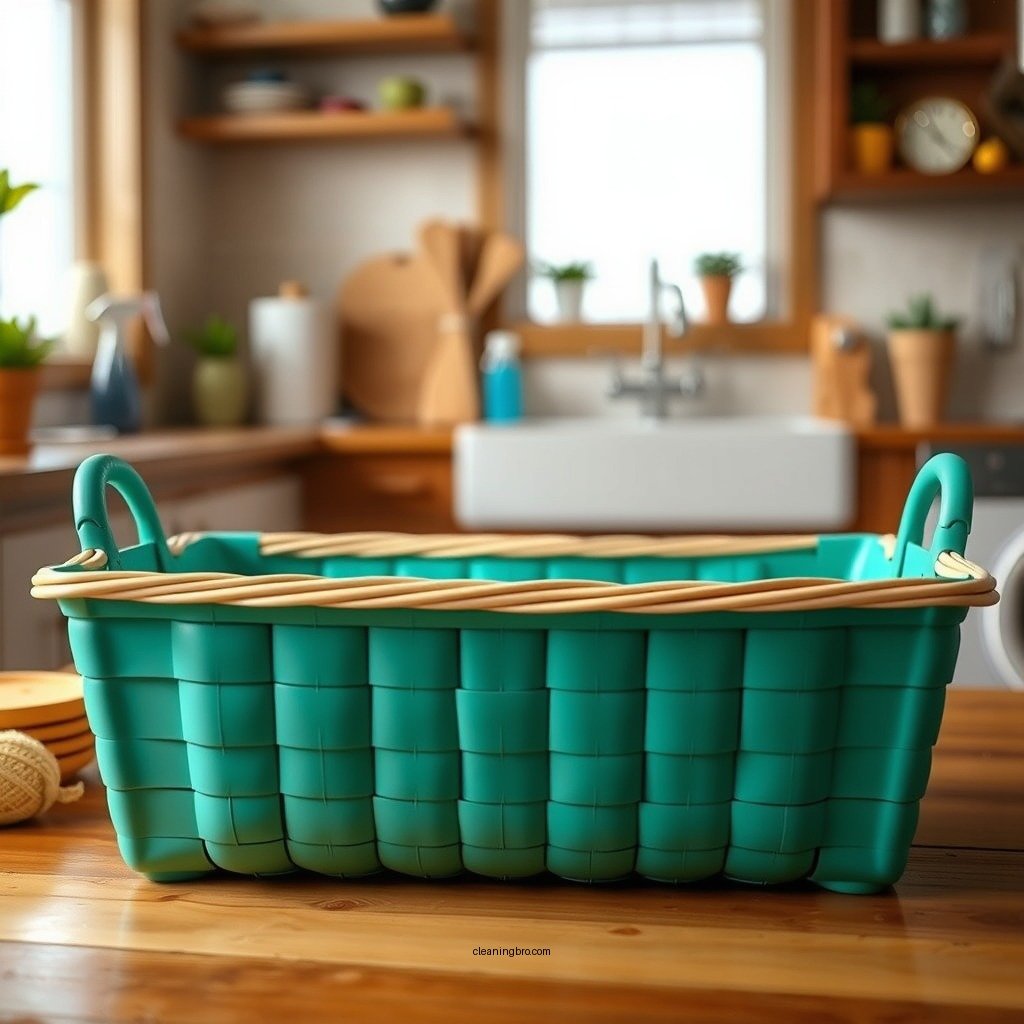
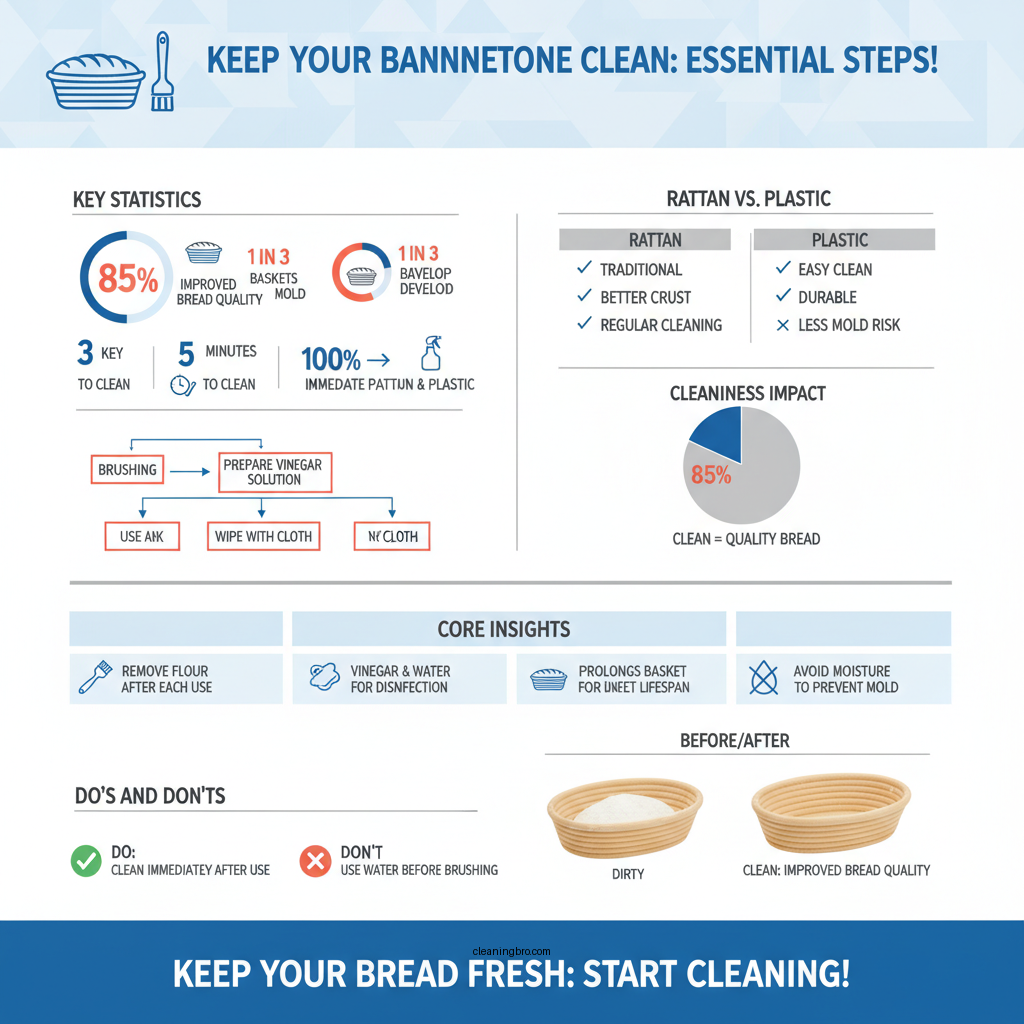
Banneton baskets, or proofing baskets, are essential tools for artisan bread-making. They are typically made from natural materials such as rattan, cane, or even plastic. The most common type is the rattan banneton, which is favored for its ability to wick moisture away from the dough, allowing for a crisp crust during baking. Other materials like plastic can be easier to clean but may not provide the same benefits for dough fermentation.
Proper cleaning of your banneton is crucial for several reasons. First, a clean basket ensures that no residual flour or dough remains, preventing potential contamination and the development of off-flavors in your bread. Additionally, regular cleaning helps to maintain the structure of the basket, preventing mold growth and prolonging its lifespan.
Preparing for Cleaning
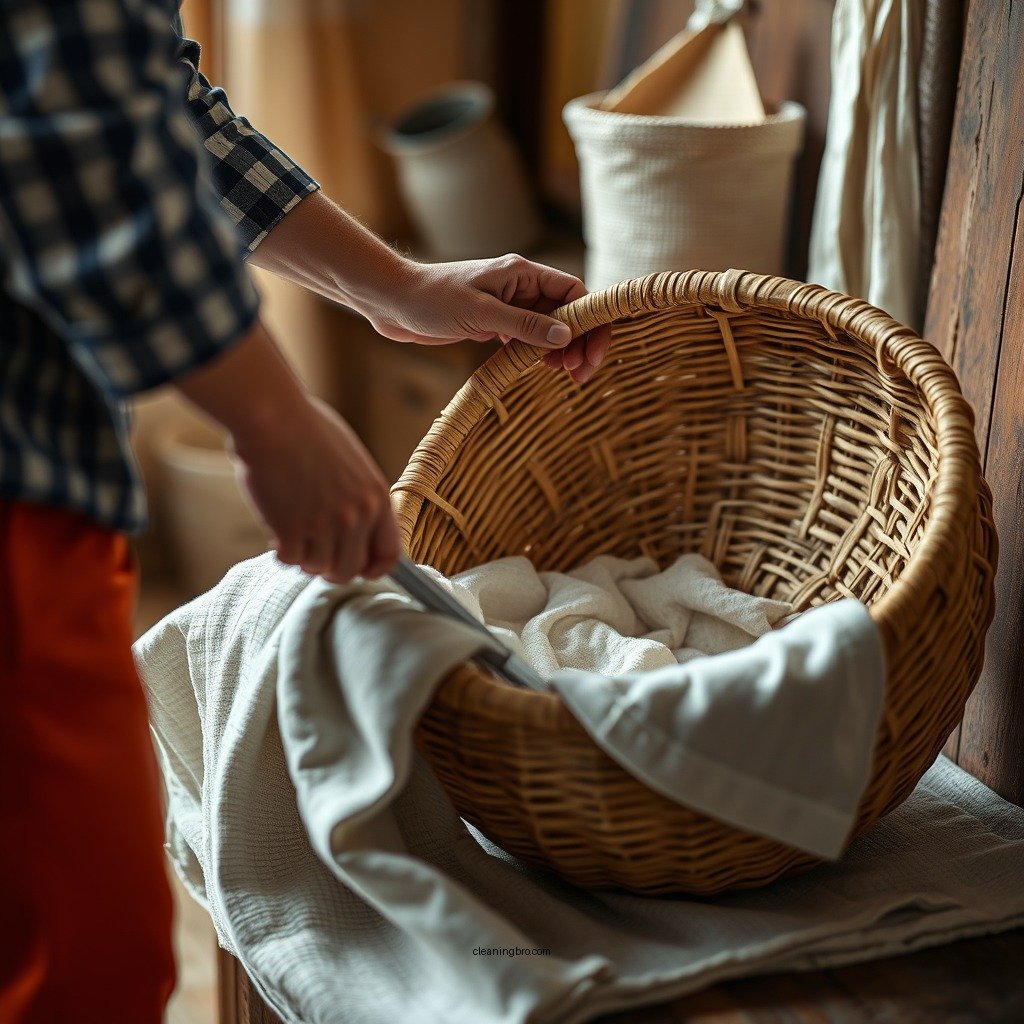
Before diving into the cleaning process, it’s important to gather the necessary supplies. You will need:
– A soft brush: This will help you remove any flour residue without damaging the basket’s fibers.
– A clean cloth: Used for wiping the inside of the basket.
– A vinegar solution: Mix equal parts of white vinegar and water for a natural disinfectant.
Choosing the right time for cleaning is also important. Ideally, you should clean your banneton immediately after using it. This practice prevents flour and dough residue from hardening and becoming more difficult to remove later on.
Brushing Out Residual Flour
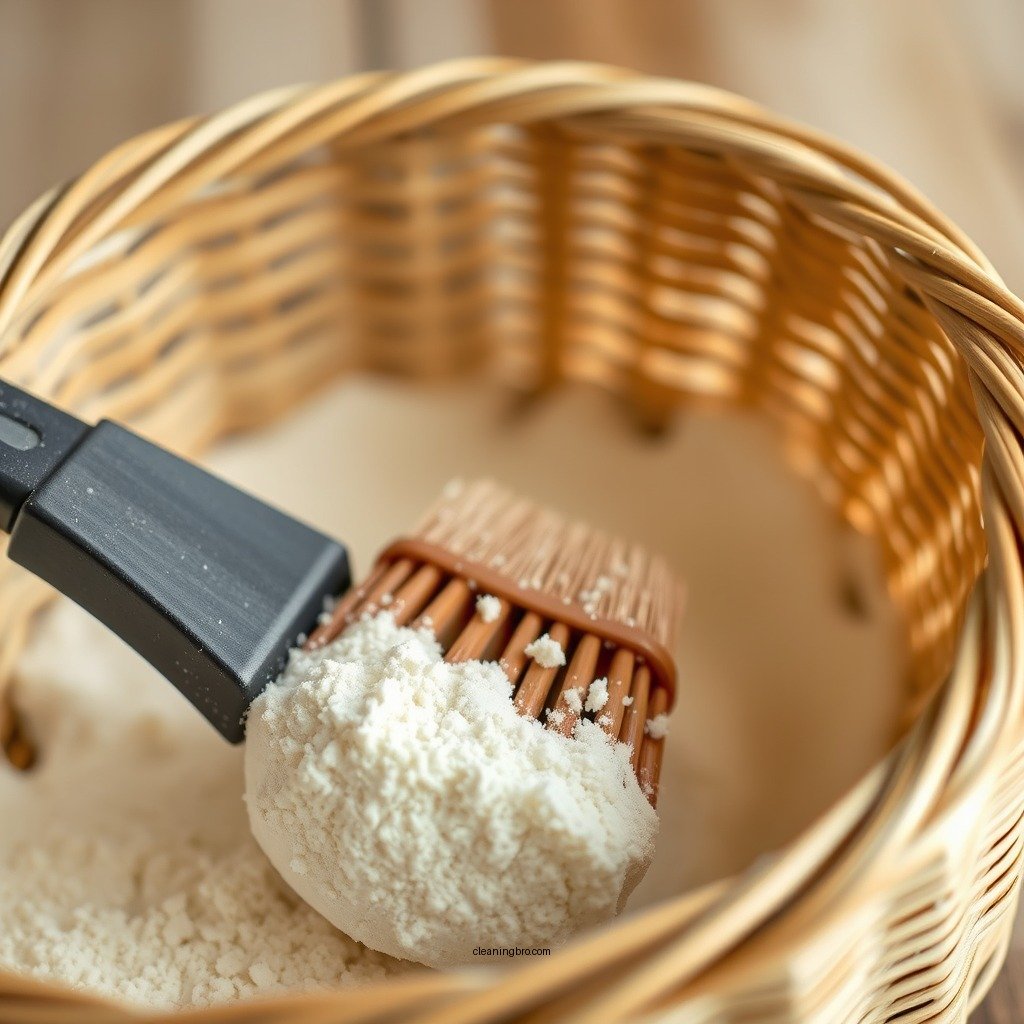
Once you have your supplies ready, start by gently brushing out any excess flour. Use the soft brush to sweep the interior and exterior of the banneton. It’s important to avoid using water at this stage, as moisture can warp the basket or encourage mold growth.
Regular brushing after each use will help minimize the need for deep cleaning sessions later on. If you notice any stubborn bits of dough stuck in the fibers, use the brush to dislodge them carefully.
Top 5 Brands of Bannetone Baskets (2024)
| # | Brand | Material | Size (inches) | Price ($) |
|---|---|---|---|---|
| 1 | Banneton Bakery | Rattan | 9 | $25 |
| 2 | Breadtopia | Cane | 10 | $30 |
| 3 | Pro Chef | Plastic | 8 | $15 |
| 4 | Paderno | Bamboo | 12 | $35 |
| 5 | King Arthur | Rattan | 11 | $28 |
Deep Cleaning Your Bannetone
For deeper cleaning, especially if your banneton has accumulated more than just flour residue, it’s time for a thorough wash. Mix a solution of equal parts vinegar and water. Soak a clean cloth in this solution, ensuring it is damp but not dripping wet, as excess moisture can damage the basket.
Wipe the interior of the basket with the cloth, focusing on any spots that may have dough remnants. Avoid soaking the basket, as prolonged exposure to water can lead to warping. After wiping down, allow the basket to air dry completely, preferably in a well-ventilated area, to prevent any mold growth.
Drying and Storing Your Bannetone
Proper drying and storage are just as critical as the cleaning process. After cleaning, place the banneton in a dry, warm area away from direct sunlight. This helps ensure that it dries thoroughly and reduces the risk of mold or unpleasant odors developing over time.
Once completely dry, store your banneton in a cool, dry place. Avoid stacking it with other kitchen items to prevent any deformation. If you need to store it for an extended period, wrapping it in a breathable fabric can help keep dust at bay while ensuring airflow.
Maintaining Your Bannetone
To avoid heavy cleaning sessions, incorporate some simple maintenance practices into your routine. Regularly brushing out flour and debris after each use is key. Additionally, allowing your banneton to air out between uses can help prevent moisture build-up.
Be vigilant for signs of wear, such as fraying or discoloration, which may indicate that it’s time to replace your banneton. A well-maintained banneton not only enhances the quality of your bread but also saves you time and effort in the long run.
Rattan vs Cane vs Plastic Bannetone Baskets: Features Comparison
| Feature | ⭐ Rattan | Cane | Plastic |
|---|---|---|---|
| Durability | High | Medium | Low |
| Moisture Absorption | ✅ Excellent | ✅ Good | ❌ Poor |
| Cleaning Ease | ❌ Moderate | ✅ Easy | ✅ Very Easy |
| Cost | $20-$40 | $15-$30 | $5-$15 |
| Baking Results | ✅ Best | ✅ Good | ❌ Fair |
| Weight | Light | Medium | Heavy |
| Aesthetic Appeal | ✅ Attractive | ✅ Nice | ❌ Plain |
| Versatility | ✅ High | ✅ Medium | ❌ Low |
| Eco-Friendliness | ✅ Biodegradable | ✅ Biodegradable | ❌ Non-biodegradable |
| 🏆 Best For | Artisan bakers | Home bakers | Casual bakers |
Regular maintenance and careful cleaning will prolong the life of your banneton, ensuring it continues to serve you well in your baking endeavors. Implement these cleaning tips today for the best results, and enjoy the art of bread-making with a well-cared-for banneton basket.
Frequently Asked Questions
How do I clean a banneton basket after using it for bread?
To clean a banneton basket after use, gently tap it to remove excess flour and bread crumbs. Avoid soaking it in water; instead, use a soft brush or cloth to wipe it down. If necessary, you can also use a damp cloth to remove any stuck dough, but ensure the basket dries completely to prevent mold.
What is the best way to maintain my banneton basket?
The best way to maintain your banneton basket is to clean it after each use, avoiding water exposure. Store it in a dry place to prevent moisture build-up, and occasionally sprinkle a little rice flour inside to keep it fresh and reduce sticking. Regular maintenance will extend its lifespan and improve its performance.
Why is it important to clean my banneton basket properly?
Properly cleaning your banneton basket is crucial to prevent the growth of mold and yeast, which can affect the flavor of your bread. Residue from previous bakes can also cause sticking, making it difficult to remove the dough. Regular cleaning ensures a healthier baking environment and better results.
Which materials should I avoid when cleaning my banneton basket?
Avoid using harsh chemicals, abrasive sponges, or soaking your banneton basket in water, as these can damage the natural fibers and affect its structure. Stick to gentle brushes and cloths, as well as natural cleaning methods, to ensure your basket remains in good condition.
How often should I deep clean my banneton basket?
You should deep clean your banneton basket every few months or whenever you notice a buildup of flour or residue. To deep clean, use a soft brush to remove debris and then lightly dampen a cloth with vinegar to disinfect. Ensure it dries completely before storing it to maintain its quality.
References
- Proofing (baking technique)
https://en.wikipedia.org/wiki/Banneton - https://www.sciencedirect.com/topics/food-science/banneton
https://www.sciencedirect.com/topics/food-science/banneton - Google Scholar Google Scholar
https://scholar.google.com/scholar?q=how+to+clean+a+banneton+basket - https://www.bbc.com/news/uk-england-45888569
https://www.bbc.com/news/uk-england-45888569 - https://www.theguardian.com/food/2020/jun/12/how-to-make-sourdough-bread
https://www.theguardian.com/food/2020/jun/12/how-to-make-sourdough-bread - Google Scholar Google Scholar
https://scholar.google.com/scholar?q=banneton+care+cleaning - https://www.nytimes.com/2020/05/07/dining/bread-baking.html
https://www.nytimes.com/2020/05/07/dining/bread-baking.html - https://www.nature.com/articles/s41598-020-70319-3
https://www.nature.com/articles/s41598-020-70319-3 - https://pubmed.ncbi.nlm.nih.gov/32873697/
https://pubmed.ncbi.nlm.nih.gov/32873697/ - https://www.britannica.com/biography/Marie-Antoine-Carel
https://www.britannica.com/biography/Marie-Antoine-Carel