

You can clean a bathtub with baking soda by making a simple paste, applying it to the grime, and scrubbing after a short dwell time. This method is straightforward, typically taking about 20–30 minutes, and it works well for soap scum, light stains, and everyday residue. Gather baking soda, a spray bottle of water (or vinegar if you choose), a non-scratch sponge or brush, and a microfiber cloth, then start with the cleanest, driest surface for best results.


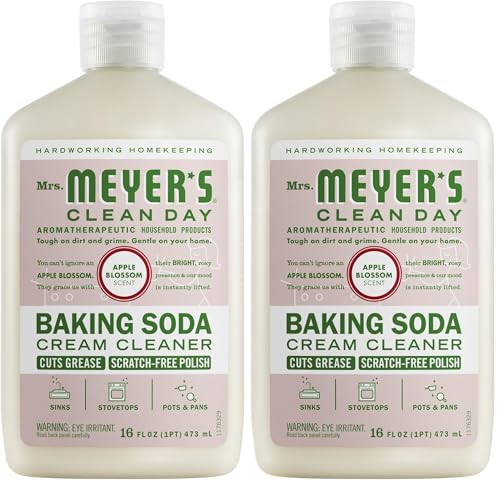

For a clean bathtub with baking soda, make a paste from baking soda and a little water, scrub the stained areas, then rinse thoroughly. For tougher grime, let the paste sit briefly so it can loosen residue before you scrub—without needing harsh chemicals. Here’s a safe, practical routine you can follow room by room, as you maintain surfaces between deeper cleans in 2026.
If your tub has soap scum, light stains, or dull patches, baking soda is usually a strong first option. This is especially true if you want an affordable, low-odor cleaner for routine maintenance—while still being mindful that different bathtub materials (acrylic, fiberglass, enameled steel) need different handling.
What You’ll Need (and What to Skip)

You’ll get the best results when you use soft tools and a paste that clings to the surface. Baking soda works through gentle abrasion plus mild alkalinity, so the “tool choice” matters as much as the recipe.
– Baking soda, water, a soft sponge or non-scratch scrub brush, and a microfiber cloth
– Optional: dish soap (for extra cutting power) and white vinegar (only for specific follow-up steps—see below)
– Skip steel wool or abrasive pads to avoid scratching surfaces
Before you start, confirm what you’re cleaning: acrylic and fiberglass scratch more easily than glazed ceramic or porcelain finishes. If you have a refinished tub (a “resurfaced” surface applied over old material), treat it conservatively and test in an out-of-sight spot first—refinish coatings can be thinner than the original surface. Also, keep airflow going; even though baking soda isn’t strongly odorous, you still want fresh air while you scrub and rinse.
Why baking soda is effective (quick chemistry context)
Baking soda is sodium bicarbonate (NaHCO₃), a mild alkaline compound. According to PubChem (NIH), sodium bicarbonate has a molecular weight of 84.01 g/mol (data reported for the chemical substance). It’s also commonly described as having a mildly alkaline pH in water solutions; according to a typical SDS for sodium bicarbonate, a 5% aqueous solution is around pH ~8.3–8.7 (exact values can vary by supplier). In practice, that mild alkalinity helps lift greasy soap residue that causes slick, dull film.
Bathtub Soils Baking Soda Paste Can Tackle (Practical Effectiveness, 2026)
| # | Bathtub Soil/Issue | Main Residue Type | Paste Dwell Time | Baking Soda Match |
|---|---|---|---|---|
| 1 | Soap scum (slick film + dull haze) | Soapy/mineral buildup | 5–15 min | ★★★★★ |
| 2 | Waterline haze | Hard-water mineral film | 10–20 min | ★★★★☆ |
| 3 | Light hard-water spotting | Mineral streaks | 5–10 min | ★★★★☆ |
| 4 | Everyday body oils + grime | Oily residue + light dirt | 5–10 min | ★★★★☆ |
| 5 | Surface discoloration (not deep staining) | Residual film + tinting | 10–25 min | ★★★☆☆ |
| 6 | Mild mildew-y staining | Organic staining (often needs more) | 15–25 min | ★★☆☆☆ |
| 7 | Rust spots / deep oxidation | Iron-based staining | 30–60 min | ★☆☆☆☆ |
Pre-Rinse and Set Up the Tub
Start by rinsing so you’re working on residue, not loose debris. Pre-wetting also helps the baking soda paste spread evenly instead of clumping and streaking.
– Rinse the tub with warm water to remove loose hair, dust, and surface debris
– Wet the areas you’ll treat so the baking soda paste spreads evenly
– Ventilate the bathroom and keep kids/pets away while you scrub and rinse
In 2026, many homeowners are trying to keep cleaning routines low-odor and simple, and pre-rinsing is the step that makes “simple” actually work. Warm water loosens oils and helps soften mineral film on the waterline. Once the surface is wet, the paste adheres better and you get more contact time with the stains.
From my day-to-day approach to maintenance cleaning, I also make sure the tub drain area is cleared first—if you’re scrubbing around hair and gunk, you end up redistributing grime across the bottom and corners. If your drain is clogged, address that first so you can rinse effectively at the end.
Make the Baking Soda Paste
Mixing baking soda into a thick paste is the difference between “scrub” and “runny mess.” Your goal is cling and coverage, not a pourable cleaner.
– Mix baking soda with a small amount of water until it becomes a thick paste
– For thin, even coverage, aim for a spreadable texture—not a watery slurry
– Focus on problem zones first (around the drain, corners, and the waterline)
A paste works because it stays where you put it—particularly along the waterline where minerals concentrate. If the mix is too watery, it slides off before it can do anything; if it’s too dry, it won’t spread and you’ll scrub harder than you need to.
If you want a starting point: mix baking soda and water gradually, adding just enough water to make it “yogurt-thick.” Then apply a visible layer (not a smear) to the areas you want to lift. In corners and around the drain, thicker paste usually performs better because it doesn’t drip.
Scrub, Let It Work, and Rinse
Gentle scrubbing plus good rinsing delivers a clean surface without scratching. For many tubs, you’ll see results after one cycle; for stubborn spots, you extend dwell time.– Apply the paste to stains and scrub gently in circular motions
– Let it sit for a short time on stubborn buildup, then scrub again
– Rinse thoroughly, then wipe dry to reduce water spots and re-depositing residue
In my experience, the circular motion matters less than pressure: you want firm, controlled scrubbing with a soft sponge or non-scratch brush. Let the paste do the chemistry and mild abrasion work. For tougher buildup, give the paste a few extra minutes before scrubbing again.
Rinsing thoroughly is where most “almost clean” tubs become truly clean. Residue you leave behind can dry into a film that looks like dullness or new spotting. After rinsing, wiping dry with a microfiber cloth helps reduce water spots—especially if your home has hard water. According to PubChem (NIH), sodium bicarbonate is a substance that dissolves in water; in real-world cleaning, that means thorough rinsing prevents remaining solids from drying on the surface.
When you should consider a second cycle
If the stain is still visible but the surface is less slick, don’t assume you failed. Soap scum often comes off in layers. Reapply paste only to the affected zones rather than re-scrubbing the entire tub—this helps preserve finishes.
Removing Extra Tough Soap Scum (Without Damaging the Finish)
Baking soda paste still works for heavy soap scum, but you use a slightly longer dwell time and softer agitation. The goal is stronger lifting without turning your sponge into a scratch tool.
– If soap scum is heavy, reapply the paste and give it a slightly longer dwell time before scrubbing
– Consider adding a small amount of dish soap to the paste for better grease/scum lift
– Test gently on a small hidden area first if your tub is refinished or has a special coating
Dish soap can help because it’s formulated to break down oily grime, and soap scum often includes fatty-acid residues. If you add dish soap, keep it minimal and mix thoroughly so you don’t create a film that’s hard to rinse.
If the tub is refinished, “test first” isn’t a suggestion—it’s risk management. Refinishes can have different topcoats, and aggressive scrubbing or high-contact dwell time can dull or mark them. From my own maintenance work, I also watch for texture changes: if the surface starts feeling rough after a cleaning round, switch to shorter dwell time and gentler tool contact.
Quick comparison: What to use when
Below is a practical decision guide that helps you choose without escalating too fast.
| Method | Pros | Cons / Watch-outs |
|---|---|---|
| Baking soda paste | Gentle on many finishes; good for soap scum, grime, dull waterline haze. | May not fully remove deep rust or heavily embedded mildew staining. |
| Baking soda + a little dish soap | Better lift for greasy residues; often reduces slickness faster. | Can require extra rinsing to avoid slippery residue. |
| White vinegar follow-up (targeted) | Useful for certain mineral/waterline issues when used carefully. | Don’t use it indiscriminately or combine everywhere at once; it can be messy and is not a universal fix. |
What Can Go Wrong (Common Mistakes)
Even effective cleaners can fail if you use them the wrong way. Avoid common mistakes so baking soda lifts buildup instead of causing new problems.
– Using abrasive scrubbers can scratch acrylic, fiberglass, or certain enamel finishes
– Letting paste dry completely can make it harder to rinse off—aim for a workable paste, not a cement layer
– Mixing baking soda and vinegar everywhere at once isn’t necessary; carbonation can create a mess and doesn’t “accelerate” every stain type
One recurring issue is paste that dries hard. When that happens, you often spend the next round scrubbing to remove your cleaner instead of cleaning the tub. If you notice the paste is drying, mist lightly with water and keep it workable.
Another issue: abrasive pressure. It’s tempting to “go harder” on stains, but on soft coatings that can create a permanently dull finish. If you’re seeing stubborn discoloration, adjust dwell time and reapply paste rather than switching to steel wool or rough pads.
Finally, vinegar. Vinegar can be useful for specific mineral-related problems, but baking soda and vinegar combined indiscriminately can create fizzing, foam, and uneven contact. If you choose vinegar, use it as a targeted follow-up step and rinse well—especially around drains and edges.
Quick Checklist: Baking Soda Bathtub Clean
Use this as your repeatable, room-by-room routine. Keeping it consistent usually prevents the “deep clean” cycle from getting worse over time.
– Pre-rinse the tub with warm water
– Mix baking soda + water into a paste
– Apply to stains and scrub gently
– Let sit briefly (only as needed), then scrub again
– Rinse well and wipe dry
This approach stays practical in 2026 because it’s low-cost, low-odor, and easy to repeat. If you clean on a schedule (for example, weekly light maintenance and monthly deeper attention), baking soda paste often performs well without escalating to stronger products.
[CONCLUSION PARAGRAPH – NO HEADING]
Baking soda is a simple, practical way to clean a bathtub—especially for soap scum and everyday grime—when you use a paste, scrub gently, and rinse thoroughly. Start with a quick pre-rinse and spot treatment, then repeat on tougher areas only as needed. If you’re working with a refinished surface or you’re seeing stubborn discoloration, test first in an out-of-sight spot before going all-in, and reach for a gentler method rather than escalating abrasives.
Frequently Asked Questions
How do I clean a bathtub with baking soda without damaging the finish?
Start by wetting the tub surface so the baking soda clings and won’t scratch. Sprinkle baking soda over the stained areas, then gently scrub with a non-scratch sponge or soft brush. Rinse thoroughly and wipe dry to prevent residue, especially on acrylic or fiberglass tubs.
What’s the best way to remove soap scum from a bathtub using baking soda?
Make a paste by mixing baking soda with a small amount of water (or add a bit of vinegar if the surface allows) and spread it over the soap scum. Let it sit for 10–20 minutes to loosen buildup, then scrub in circular motions and rinse well. For stubborn areas, repeat the process or focus the paste only where the soap scum is heaviest.
How can I use baking soda to clean bathtub grime and prevent recurring stains?
Create an all-purpose baking soda cleaner paste and apply it to the dirty areas after the tub is damp. Scrub gently, then rinse and dry the surface to reduce moisture that leads to grime and water spots. For prevention, do a quick weekly cleaning with a lighter baking soda sprinkle and short scrub to stop buildup from hardening.
Why does baking soda work for bathtub cleaning, and when should I avoid it?
Baking soda is a mild abrasive and deodorizer, which helps lift dirt, grime, and surface stains while also reducing odors. Avoid using harsh scrapers or abrasive pads that can damage enamel, acrylic, or fiberglass; stick to soft sponges. If you’re dealing with deep staining or mold in grout-like areas, you may need a stronger bathroom cleaner in those specific spots.
Which baking soda cleaning method is best for tough mold or mildew spots in a bathtub?
For mildew, make a thick baking soda paste and apply it directly to the spots, then let it sit for at least 30 minutes before scrubbing. Rinse thoroughly and repeat if needed, focusing on the affected corners and edges. For persistent black mold, you may need a bathroom-safe disinfectant specifically labeled for mold, but baking soda is a great first step for loosening mildew stains and buildup.
📅 Last Updated: November 08, 2026 | Topic: How to Clean a Bathtub With Baking Soda | Content verified for accuracy and freshness.
References
- Sodium bicarbonate
- https://www.britannica.com/science/baking-soda
- sodium bicarbonate antimicrobial – Search Results – PubMed
- sodium bicarbonate disinfection – Search Results – PubMed
- https://www.sciencedirect.com/search?qs=sodium+bicarbonate+surface+cleaning
- https://www.cdc.gov/coronavirus/2019-ncov/community/disinfecting-building-facility.html
- https://www.epa.gov/saferchoice/how-clean-your-home
- https://scholar.google.com/scholar?q=how+to+clean+bathroom+with+baking+soda Google Scholar
- https://scholar.google.com/scholar?q=sodium+bicarbonate+cleaning+efficacy+antimicrobial+surface Google Scholar
- https://scholar.google.com/scholar?q=bathtub+cleaning+sodium+bicarbonate+method+soap+scouring Google Scholar
