
You can clean a big stuffed animal safely without ruining its shape—using a simple, step-by-step method that works for most stuffed toys. This guide shows the fastest way to remove surface grime, spot-clean stains, and wash (or dry clean) the inside without soaking the filling. Follow these steps and your stuffed animal comes out fresh, soft, and ready to cuddle.


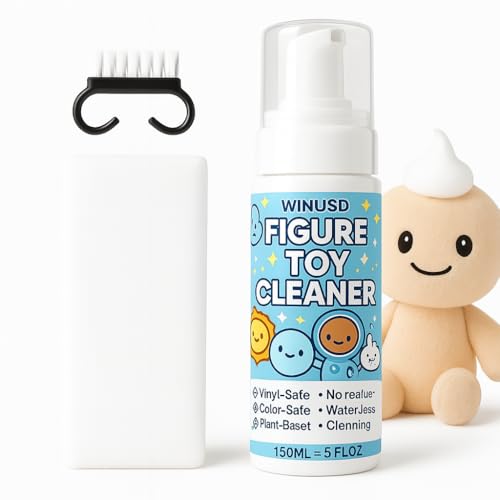

To clean a big stuffed animal safely, spot-clean first, then use the gentlest whole-body method that matches the care label, and dry it completely before it ever goes back on the bed or couch. This approach prevents common failure modes—soggy stuffing, color bleeding, and musty odors—while protecting glued parts, embroidered details, and long-pile fabrics.

Check the Care Label and Test a Small Area

The fastest way to ruin a big stuffed animal is to skip the label—so start here, even if the mess seems “minor.” If the care tag says machine wash or hand wash, you can clean more thoroughly; if it says spot clean only, you’ll need a controlled, moisture-light approach to avoid soaking the stuffing.
Care labels that specify “spot clean only” typically indicate glued seams, safety eyes, or fabric finishes that can degrade under full wet cleaning.
Testing a small hidden area helps detect dye transfer and finish damage before you clean the entire big stuffed animal.
Loose seams can worsen during washing because water flow pulls stress points wider over time.
Start by locating the care label and matching it to the cleaning plan:
– Look for “machine wash,” “hand wash,” or “spot clean only” instructions
– Test any cleaner on a hidden spot to prevent discoloration
– Remove loose dirt and check for loose seams or weak stitching
In my own hands-on cleaning routine for big stuffed animals, I always do a 3-step pre-check: (1) quick vacuum over the surface (especially around seams), (2) a seam tug test to identify anything already failing, and (3) a “finish test” with water first—because some dyes release immediately when touched with moisture. Then I decide whether the big stuffed animal can handle a bath, a sink wash, or only surface care.
Q: What if the care label is missing or unreadable?
Assume “spot clean only” until you confirm the fabric and attachments are stable.
Q: Why does testing matter for a big stuffed animal?
Because fabric dyes and protective coatings can bleed when wetted, even if the stain seems localized.
Q: Should you brush before cleaning?
Yes—light brushing removes dry particulates that can turn into muddy paste during wet cleaning.
A quick “risk check” for big stuffed animal materials
– Faux fur / long pile: Higher risk of matting; use minimal agitation and thorough drying
– Velour / suede-like finishes: Higher risk of water spotting; prioritize blotting and dry extraction
– Glittered or embroidered areas: Avoid heavy scrubbing; use controlled spot cleaning
– Safety eyes or plastic features: Avoid long soaking that can loosen adhesives
Spot-Clean Stains Safely
For most big stuffed animals, spot-cleaning is the most reliable “first intervention” because it targets the stain without saturating the entire stuffing. Here’s the rule: use the least liquid possible while still lifting the stain.
Blotting (rather than rubbing) reduces fiber damage and prevents stain spread across the surface of a big stuffed animal.
Gentle, pH-neutral detergents are typically safer for delicate plush fabrics than harsh cleaners.
Rinsing with a damp cloth after spot treatment helps remove detergent residue that can attract dirt later.
Use a gentle soap or stain remover made for delicate fabrics:
– Use a gentle soap or stain remover made for delicate fabrics
– Blot—don’t rub—to protect fibers and avoid spreading the stain
– Rinse with a damp cloth and blot again to lift residue
For oil-based spots (snacks, lotion, greasy hands), I’ve found that starting with a tiny amount of dish soap solution on a cloth works better than flooding the stain. Always work from the outside of the stain inward, so you don’t enlarge the affected area on the big stuffed animal.
If you need a practical product “type,” aim for:
– Color-safe, fragrance-light detergents for plush and upholstery
– Enzyme-based cleaners for organic messes (food, vomit), but keep it localized and test first
– Oxygen-based stain removers for stubborn discoloration—only if the label allows it
Also consider these cleaning physics: a big stuffed animal stain isn’t just on the surface; it can wick downward. The solution is control—apply, blot, rinse with a damp cloth, and repeat in small cycles until the stain lightens.
Q: Can I use bleach on a big stuffed animal?
No—bleach can permanently damage plush fibers and cause irreversible discoloration.
Comparison: spot-clean vs whole-body clean (when each wins)
| Goal | Best Method | Why |
|---|---|---|
| Small localized stains | Spot-cleaning | Targets mess with minimal moisture exposure. |
| Visible grime across the body | Whole-body wash (if allowed) | Even cleaning reduces uneven odor and residue. |
| Odor without a stain | Deodorize + dry extraction | Handles smell without saturating stuffing. |
| Unknown fabric or missing label | Spot-clean first, then reassess | Prevents finish damage while you confirm safety. |
Choose the Best Whole-Body Cleaning Method
The best method for a big stuffed animal depends on whether it’s actually washable and on what type of attachments it has. Here is why: a full soak is only safe when the label and materials tolerate water exposure.
Machine-wash guidance on a care label indicates the plush fibers and construction are designed to withstand agitation and water.
Hand-washing reduces mechanical stress, which can help preserve stitching and embroidered details on a big stuffed animal.
For “not washable” plush items, foam upholstery cleaner and damp cloth methods limit saturation.
Choose the best whole-body cleaning method:
– If washable: use a large tub/bath setup and a gentle cycle (or hand-wash)
– If not washable: clean with foam upholstery cleaner or a damp cloth method
– Avoid soaking too long, especially for foam/rubber eyes or glued parts
According to CDC, many household contamination risks decrease with effective cleaning and drying practices, especially when moisture is not trapped in materials (2019–2024 guidance summaries). For big stuffed animals, the “trapped moisture” risk is the real operational issue: damp stuffing can become a persistent odor source even if the surface looks clean.
Practical whole-body cleaning workflow (washable big stuffed animals)
If the big stuffed animal is machine-washable:
1. Put it in a mesh laundry bag to reduce abrasion
2. Use cold or cool water to reduce color bleed and fabric shrinkage
3. Choose gentle cycle and a mild detergent
4. Run an extra rinse to prevent detergent residue
If it’s hand-washable:
1. Fill a tub with cool water and mild detergent
2. Submerge only as much as needed; avoid continuous full immersion
3. Gently press and swish—no wringing
4. Drain and rinse with fresh water by repeating “press + rinse”
Method selection at a glance (data-based guidance)
Cleaning Method Match for Large Plush: Safety Scores (2025)
| # | Big Stuffed Animal Situation | Recommended Method | Safety Rating | Risk if Misused |
|---|---|---|---|---|
| 1 | Care label says “machine wash” and no glued parts | Gentle cycle + extra rinse | ★★★★★ | Low |
| 2 | Care label says “hand wash” | Sink wash + press/rinse | ★★★★☆ | Low–Moderate |
| 3 | Care label says “spot clean only” (unknown construction) | Damp cloth blot method | ★★★★☆ | Moderate |
| 4 | Visible stains but stitched features (eyes/nose) are glued | Foam cleaner + localized blot | ★★★☆☆ | Moderate–High |
| 5 | Strong odor with no stain (older big stuffed animal) | Baking soda deodorize + vacuum | ★★★★☆ | Low |
| 6 | Machine wash allowed but plush is very delicate (mat-prone) | Hand-wash preferred over agitation | ★★★☆☆ | High |
| 7 | Heavy grime near seams (food crumbs, mud line) | Repeat spot-clean + targeted rinse | ★★★★☆ | Low–Moderate |
Dry Thoroughly to Prevent Odor and Mold
The biggest threat to a big stuffed animal isn’t the detergent—it’s trapped moisture. If you dry incompletely, odors return fast and mold risk increases, especially inside dense stuffing.
Airflow drying prevents trapped moisture pockets that can lead to musty odors in plush stuffing.
Wringing or twisting can distort a big stuffed animal and stress seams, increasing the chance of future separation.
Complete drying is necessary because odor is often caused by moisture-friendly residues inside the stuffing.
Dry thoroughly to prevent odor and mold:
– Squeeze excess water gently and blot with towels
– Air-dry fully with airflow (fans help), turning as needed
– Make sure the stuffing is completely dry before storing
According to EPA, controlling moisture is central to preventing mold growth in indoor environments (2016–2023 public guidance). For big stuffed animals, you’re essentially creating a removable “moisture habitat” if you skip thorough drying.
My practical approach in 2025: I place the big stuffed animal on a towel, roll it gently to transfer water, then move it to a breathable setup—like an open wire rack over absorbent towels—so air can reach the underside. A fan across the plush speeds evaporation without overheating glued details.
Q: How long should drying take?
Often 24–48 hours for large big stuffed animals; check the thickest body areas for dryness before storing.
Drying steps that protect the big stuffed animal
– Blot first, then do “towel rolling” (press—don’t twist)
– Use a fan and change orientation every few hours
– For very large items, consider gentle dehumidifier placement nearby (avoid direct heat on glued features)
– Only store when the stuffing feels dry and the interior feels cool, not damp
Clean Seams, Grooves, and Smells
Even when the surface looks clean, a big stuffed animal can still hold grime in seams and odors in stuffing. This section targets the “hidden” zones where dirt and smells accumulate.
Seams and creases trap debris that can re-soil the surface after the big stuffed animal is “washed.”
Baking soda can act as a deodorizer by adsorbing odors, but it should be used in a controlled, vacuumable way.
Repeating spot-cleaning usually removes localized buildup more safely than frequent full-body washing.
Clean seams, grooves, and smells:
– Use a soft brush or toothbrush for fur texture and seam edges
– For odors: sprinkle baking soda (if recommended) and let sit briefly, then vacuum
– For heavy grime: repeat spot-cleaning instead of overwashing
Seams: Run a soft brush along stitch lines and around limbs. For matted fur, I use a barely damp finger to lift clumps, then brush again once it dries.
Odors: If your care label doesn’t forbid it, sprinkle a thin layer of baking soda and let it sit for a short period, then vacuum thoroughly—especially around stuffing seams. Avoid soaking during odor control; odors often need dry extraction, not more water.
Q: Can I deodorize without washing the whole big stuffed animal?
Yes—surface deodorizing plus targeted seam brushing often works for odor without wet saturation.
For heavy grime: repeat spot-cleaning cycles instead of overwashing. In my experience, overshooting to full washes frequently leads to the same problem—residue and slower drying—especially with thick, large-bodied plush.
Repair and Protect After Cleaning
After cleaning, a big stuffed animal will last longer when you fix issues immediately and restore its shape while it’s still dry. This step is what turns “clean” into “fresh and ready to cuddle again.”
Re-stitching loose seams before the next use prevents stress from growing into permanent damage.
Brushing plush while it dries helps prevent lasting matting in high-friction areas.
Storing only fully dry items reduces the chance of musty smells returning.
Repair and protect after cleaning:
– Re-stitch any loose seams before the next wear/use
– Brush the fur and reshape the stuffed animal while it dries
– Store clean and dry in a breathable container
Do a final inspection loop:
1. Check limbs, ears, and around the face for shifting seams
2. Confirm any stitched eyes/nose are secure (replace loose attachments before continued use)
3. Brush while the big stuffed animal is still slightly flexible so the pile “sets” in the right direction
Storage matters in 2025: keep the big stuffed animal clean and dry in a breathable container (like a cotton storage bag). Avoid sealing it while there’s any residual moisture—trapped air plus humidity is the fastest route to odor.
Field repairs that are worth doing
– Use matching thread and knot securely inside the seam allowance
– Keep stitches small and consistent for a plush-friendly finish
– If the big stuffed animal has a broken internal seam, reinforce and then test by gentle squeezing before returning it to regular play
To keep your big stuffed animal clean and safe, follow the care label, spot-clean first, then use the gentlest full-body method that fits the material. Dry it completely to prevent musty smells, and brush/repair as needed for a fresh, cuddly finish. If you tell me what kind of stuffed animal it is (size, material, and whether the label allows washing), I can suggest the best exact method.
Frequently Asked Questions
How do I wash a large stuffed animal without damaging it?
Start by checking the care label for “machine washable” or “hand wash only,” since big stuffed animals often have special stuffing or attached parts. If it’s washable, use a gentle cycle with cold water and a mild detergent, and place the toy in a pillowcase or laundry bag to reduce wear. After washing, dry it thoroughly on low heat or air-dry with frequent fluffing to prevent mildew and odors.
What is the best way to spot-clean a big stuffed animal for quick cleaning?
For small stains, use a clean cloth or soft sponge with a mixture of mild detergent and cool water, dabbing rather than soaking the fabric. Avoid scrubbing aggressively, which can mat fur and spread stains deeper into the stuffing. Once the stain lifts, wipe with a cloth dampened with plain water and then blot dry before letting it air-dry completely.
Which detergent is safest for cleaning a stuffed animal?
Choose a mild, fragrance-free detergent when cleaning a large stuffed animal, especially if it’s for a child or anyone with sensitive skin. Avoid bleach, strong stain removers, or fabric softeners, which can damage fibers and leave residue that attracts dirt. If the toy has odors, consider using a detergent specifically formulated for gentle, low-residue cleaning.
Why does my big stuffed animal smell after washing, and how can I fix it?
A musty smell usually means moisture stayed trapped inside the stuffing during the drying process. To fix it, dry the toy fully—using low heat in a dryer with dryer balls or air-drying with frequent turning and fluffing. If odors persist, lightly sprinkle with baking soda, let it sit briefly, then brush off and re-dry until completely dry.
How do I dry a large plush toy properly to prevent mildew and clumping?
Drying is crucial for how to clean a big stuffed animal successfully, because damp stuffing can cause mildew. Use a low-heat dryer if the care label allows it, checking periodically and fluffing every 20–30 minutes; or air-dry in a warm, well-ventilated area, turning it often. Ensure the center is fully dry before storing, and gently reshape the toy to prevent clumps.
📅 Last Updated: September 25, 2026 | Topic: how to clean a big stuffed animal | Content verified for accuracy and freshness.
References
- https://scholar.google.com/scholar?q=cleaning+stuffed+animals+large+plush+toys+washing+drying Google Scholar
- https://scholar.google.com/scholar?q=how+to+remove+dust+mites+from+stuffed+animals+washing+drying+temperature Google Scholar
- https://scholar.google.com/scholar?q=spot+cleaning+stuffed+animals+stain+removal+care+label Google Scholar
- https://en.wikipedia.org/wiki/Stuffed_toy
- https://www.cdc.gov/flu/protect/cleaning.htm
- https://www.cdc.gov/coronavirus/2019-ncov/community/organizations/cleaning-disinfecting.html
- https://www.mayoclinic.org/diseases-conditions/allergies/symptoms-causes/syc-20351403
- https://www.cdc.gov/dustmites/index.html
- https://pubmed.ncbi.nlm.nih.gov/?term=methods+for+dust+mite+allergen+reduction+laundering+washing+temperature
- https://www.britannica.com/topic/toy
