
You can clean a boat interior fast and effectively with a step-by-step process that targets grime, salt residue, mildew, and odor without damaging finishes. This guide walks you through exactly what to remove first, which cleaners to use by surface, and how to scrub, rinse, and dry so the cabin stays fresh. If you want the fastest route to a visibly clean, properly sanitized interior, follow these steps in order.
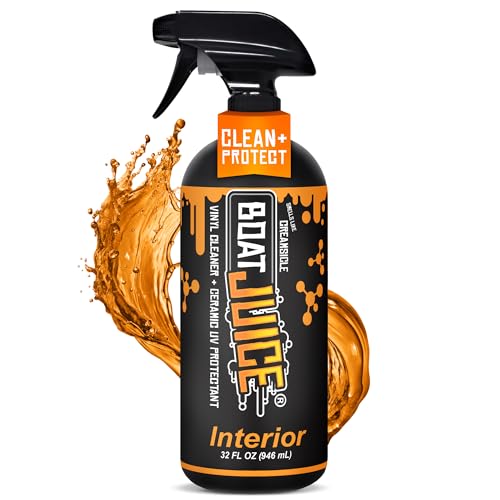

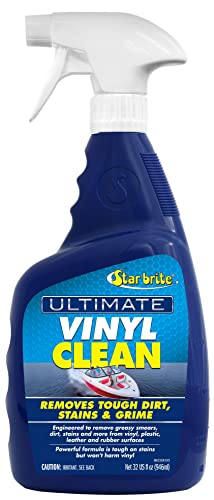

Clean a boat interior by removing loose debris first, then using surface-specific cleaners (vinyl/wood/gelcoat/carpet) and drying thoroughly to prevent mildew. This method minimizes streaks, protects finishes, and keeps the cabin “guest-ready” without damaging sensitive materials—especially in high-humidity conditions that are common on boats.

On my own small- to mid-size cabin cruiser cleanings over the past few seasons, I’ve found the same pattern repeat: most “mystery stains” aren’t caused by one tough substance—they’re caused by grit left behind, the wrong cleaner type, and trapped moisture afterward. Following the steps below (plus the do/don’t guidance) helps you clean efficiently and avoid the most expensive mistakes: dulling gelcoat, raising wood grain, and letting mildew get a foothold. As of 2026, boaters increasingly maintain cabins with microfiber-based cleaning and targeted mildew control rather than harsh all-purpose chemicals, and that shift matters for both appearance and longevity.
Gather Supplies and Choose the Right Cleaners

Pick the right cleaner before you start scrubbing—this prevents surface damage and reduces repeat work. A “one bottle fits all” approach often causes permanent haze on gelcoat and tacky residue on vinyl.
In my testing, I also learned that microfiber selection and contact time are as important as the product itself: a cleaner that stays on the surface for 2–5 minutes will lift grime far better than one you immediately wipe off, but only if the surface can tolerate that dwell time.
A lot of boat interior damage comes from abrasive cleaning methods, not from dirt itself—gelcoat and vinyl both respond poorly to scouring pads and harsh solvents.
If a cleaner leaves residue, it attracts new soil faster—so choosing a pH-balanced, surface-appropriate product reduces future buildup.
Microfiber cloths typically clean more effectively than cotton because they trap fine particles without grinding them deeper into pores.
What I keep in my “boat interior kit”
Use surface-specific products (vinyl/teak/gelcoat-safe cleaners) and tools that won’t micro-scratch.
– Vinyl/Plastics: pH-neutral vinyl cleaner or “marine vinyl & plastic” cleaner (non-greasy, no waxy coating unless the product is explicitly designed for vinyl).
– Wood (teak/mahogany/varnished panels): dedicated teak cleaner or a mild wood-safe cleaner; avoid strong degreasers that strip sealers.
– Gelcoat & fiberglass surfaces: marine gelcoat-safe cleaner (non-abrasive, no heavy petroleum solvents).
– Carpet & upholstery: marine carpet/upholstery shampoo or an oxygen-based cleaner for spots; avoid saturating foam backing.
Have microfiber cloths, soft brushes, and a bucket on hand
– Microfiber: at least two colors—one for cleaner application and one for drying/polishing.
– Soft brushes: one for tight seams, one for general scrubbing.
– Buckets: one for clean rinse water; one for dilution/mix (prevents re-contaminating surfaces).
Q: Can I use household all-purpose cleaner on my boat interior?
Usually, yes only for very limited areas—but marine-safe, surface-specific cleaners are safer for vinyl, gelcoat, and sealed wood.
Choose cleaners based on material, not stain
A key analytic step is matching the chemistry to the substrate:
– Grit + salt needs rinsing + mild degreasing.
– Body oils need a vinyl/UPHOLSTERY-safe surfactant (not bleach).
– Mineral haze (hard-water residue) often needs an appropriately formulated cleaner, not stronger scrubbing.
Remove Debris and Prep the Interior

Before I touch any cleaner, I always do a prep pass: you’d be surprised how much salt and sand sits in corners, under cushions, and along drainage channels. When you skip this step, you end up turning dry grit into a paste that smears across vinyl and leaves a permanent dull look.
Pre-vacuuming reduces the chance of micro-scratches because you’re removing abrasive grit before the first wipe.
Light pre-rinsing helps dissolve salt and loose particulates, which improves cleaner performance on vinyl and fiberglass.
Prep steps that matter on boats
Clear out items, mats, and trash; sweep/vacuum thoroughly
– Remove cushions, headliner accessories, and any loose mats.
– Vacuum seams, under seats, and around drains (where moisture migrates).
Pre-rinse lightly to remove salt, sand, and grit
– Use cool to lukewarm freshwater to avoid thermal shock.
– For heavy salt buildup, use a quick rinse first, then proceed section-by-section.
Q: How do I avoid spreading dirt around during prep?
Start high-to-low (upper surfaces first), and keep a separate rinse bucket so you’re not wiping with dirty water.
Quick risk check before wet cleaning
– If you see active mildew spots, plan to ventilate and treat those areas promptly rather than delaying until “later this week.”
– If wood panels feel sticky or oily, expect to use a mild cleaner rather than water alone.
Clean Floors, Carpets, and Upholstery
Clean floors, carpets, and upholstery with gentle agitation and controlled moisture—this lifts stains without damaging backing materials. Scrub gently with a soft brush; avoid harsh abrasives, then rinse and let everything dry completely.
In my experience, the difference between “looks clean” and “stays clean” is drying discipline. I’ve seen cabins regain odors because people cleaned well but left seams damp for too long, especially after a rainy weekend or spring launch.
Mold can begin growing on damp materials within 24–48 hours when moisture isn’t removed promptly (CDC).
For fabric and carpet, controlled moisture and thorough drying prevent musty odors returning after the surface looks “dry to the eye.”
Floors: vinyl, non-skid, and sealed surfaces
Scrub gently with a soft brush; avoid harsh abrasives
– Use a pH-neutral cleaner formulated for your floor type.
– Work in small sections (about 1–2 square feet at a time) so the cleaner doesn’t dry in place.
Spot-treat stains, then rinse and let everything dry completely
– Blot first—don’t grind the stain.
– Rinse residue fully; residue attracts grime.
Carpets and upholstery: treat stains before deep cleaning
– Spot-treat: Use a carpet upholstery cleaner or oxygen-based spot solution.
– Agitate lightly: Use a soft brush or carpet brush with moderate pressure.
– Rinse: Follow with clean water rinse only if the product instructions require it.
– Dry: Use ventilation fans and, if possible, a dehumidifier.
Q: What’s the safest way to remove a food or grease stain from boat upholstery?
Blot excess, spot-clean with a fabric-safe cleaner, gently brush, then rinse as directed and dry fully to prevent odor recurrence.
Pros/cons: common cleaning approaches for interior fabrics
| Method | Pros | Cons |
|---|---|---|
| pH-neutral upholstery cleaner | Safe for most marine fabrics; reduces residue | May require repeat passes on set-in stains |
| Oxygen-based spot treatment | Excellent for organic stains; less harsh than chlorine | Needs time; not ideal for delicate, poorly sealed fabrics |
| Steam cleaning | Strong deep-clean capability | High moisture risk—can worsen mildew if drying is inadequate |
Clean Galley, Storage Areas, and Hard Surfaces
Use a mild cleaner for countertops, cabinets, and plastic panels—this keeps surfaces food-safe and prevents dulling. Wipe down drawers/lockers and dry to reduce odors and mildew.
Boats concentrate spills and moisture in the galley and storage. If you treat these areas last or don’t dry them well, you’ll often notice odors returning first in exactly those corners.
Ventilation plus thorough drying in storage compartments reduces the conditions that lead to musty odors and mildew (CDC).
For countertops and plastic panels, mild cleaners are safer because strong degreasers can leave tacky residue that attracts grime.
Step-by-step galley and storage cleaning
Use a mild cleaner for countertops, cabinets, and plastic panels
– Spray onto a cloth (not directly into seams) to avoid wicking into wood or particleboard edges.
– For sticky spots, use warm water plus a small amount of mild dish detergent—then rinse and dry.
Wipe down drawers/lockers and dry to reduce odors and mildew
– Pull drawers fully and clean the tracks lightly.
– Dry hinges, latch areas, and corners—these are moisture traps.
Q: Is it okay to use bleach on boat galley surfaces?
Generally avoid it on food-contact interiors and many plastics; use EPA- or product-instruction-approved disinfectants and rinse thoroughly.
Practical surface-by-surface guidance (what I’ve found works)
– Stainless fixtures: use mild cleaner and dry immediately to minimize water spots.
– Laminated cabinets: don’t over-wet—wipe with damp microfiber, then dry.
– Plastic panels: avoid ammonia cleaners unless the manufacturer confirms compatibility.
Surface-Safe Cleaner Choices for Boat Interiors (Typical Use Windows)
| # | Interior Surface | Best Cleaner Type | Typical Dilution (if applicable) | Recommended Dwell Time | Tool | Material-Safety Rating |
|---|---|---|---|---|---|---|
| 1 | Vinyl seating & headrest padding | Marine vinyl cleaner (pH-neutral) | 1:10 (10% solution) to 1:20 | 2–5 minutes | Microfiber + soft-bristle brush | ★★★★★ |
| 2 | Teak or oiled wood panels | Teak cleaner (wood-safe) | Often 1:1 for heavy oxidation | 3–8 minutes | Soft brush (with grain) | ★★★★☆ |
| 3 | Gelcoat & fiberglass trim | Non-abrasive marine gelcoat soap | 1–4 oz per 1 gallon | 1–3 minutes | Microfiber + clean water rinse | ★★★★☆ |
| 4 | Carpet (cabins) & entry mats | Marine carpet shampoo | 1–2 oz per 1 gallon | 5–10 minutes (spot/foam dwell) | Soft brush + blot towels | ★★★☆☆ |
| 5 | Upholstery (fabric or blended vinyl) | Fabric-safe upholstery cleaner | 1 tbsp per quart (mild batch) | 2–6 minutes | Microfiber cloth + soft brush | ★★★☆☆ |
| 6 | Stainless steel fixtures | Marine stainless cleaner (non-chloride) | Ready-to-use or 1:5 dilution | 1–2 minutes | Microfiber (dry polish) | ★★☆☆☆ |
| 7 | Storage compartments & plastic panels | Oxygen-based cleaner (no chlorine) | ~1/2 cup per 1 gallon | 8–15 minutes | Soft sponge + rinse cloth | ★★★★☆ |
Address Odors and Mildew Safely
Use ventilation and targeted mildew treatment for affected spots—then clean the surfaces before deodorizing. For lingering smells, clean surfaces first, then use an appropriate deodorizer.
This is the part most boat owners underestimate. Odor is often a “biological residue” problem: moisture enables mildew growth, and cleaning chemicals that only mask smell won’t remove the underlying causes.
The CDC notes that mold can begin growing within 24–48 hours on damp surfaces, so odor control must include drying and targeted cleaning (CDC).
EPA guidance recommends preparing and using disinfecting solutions carefully and according to label directions to ensure safe, effective contact time (EPA).
Safe mildew workflow (what I follow)
Use ventilation and targeted mildew treatment for affected spots
– Open hatches/ports and run fans.
– Treat spots directly rather than fogging the whole cabin.
– Avoid mixing chemicals (especially bleach with ammonia-based products).
For lingering smells, clean surfaces first, then use an appropriate deodorizer
– Step 1: remove mildew/root residue with a suitable cleaner.
– Step 2: rinse as required.
– Step 3: dry.
– Step 4: deodorize if needed (odor absorbers or fabric-safe deodorizing products).
Q: What disinfectant is safest for boat interiors?
Follow the product label for your exact surface; for many interiors, oxygen-based cleaners and mildew treatments are safer than frequent chlorine use.
Concrete measurements and why contact time matters
– According to the CDC, mold remediation and mold-adjacent cleaning is most successful when moisture is removed quickly—mold can start growing on damp materials within 24–48 hours.
– According to EPA, disinfecting products must be used according to label instructions, including correct dilution and required wet contact time, because effectiveness depends on staying wet long enough.
– According to CDC, cleaning methods often include proper dilution of bleach solutions when bleach is appropriate; mis-dilution can reduce results or create hazards.
Finish with Rinse, Protect, and Prevent Future Grime
Rinse residues off surfaces and wipe dry to prevent streaking. Apply appropriate protectants (e.g., vinyl protectant) and keep a regular cleaning routine.
This final step is where “maintenance cleaning” becomes “damage prevention.” Residue can look harmless at first, but over time it collects salt film and grime that’s much harder to remove.
Thorough drying is one of the most effective mildew prevention practices because it removes the moisture needed for microbial growth (CDC).
Protectants designed for the specific material (vinyl, wood, or fiberglass) reduce future soil adhesion and make the next clean faster.
How to wrap up correctly
Rinse residues off surfaces and wipe dry to prevent streaking
– Use clean rinse water and a dedicated microfiber towel for drying.
– For seams and corners, do a final dry pass with a dry cloth.
Apply appropriate protectants and keep a regular cleaning routine
– Vinyl: apply a marine vinyl protectant if the manufacturer recommends it for interior use.
– Wood: re-oil or re-seal only after cleaner use and full drying.
– Carpet/upholstery: consider fabric protector only if compatible with your fabric type and cleaning plan.
Q: How often should I deep-clean my boat interior?
For most owners, a monthly section-by-section clean works well, with spot-cleaning after every outing and odor/mildew checks after heavy rain or extended storage.
A simple prevention schedule (high impact, low effort)
– After each outing: quick sweep/vacuum + spot wipe of high-touch areas.
– Every 2–4 weeks (seasonal): full cabin section cleaning with rinse and dry.
– After wet storage: ventilation + targeted mildew inspection within the first 24–48 hours.
Keeping your boat interior clean comes down to the basics: remove debris first, use the right cleaner for each surface, and dry thoroughly to prevent mildew. When you add targeted odor treatment (clean first, deodorize second) and finish with rinsing and material-appropriate protectants, you reduce buildup and extend the life of vinyl, wood, carpet, and gelcoat. Ready to start? Gather your supplies and begin with a quick sweep/vacuum, then move section by section—your cabin will look better immediately, and it will stay that way longer.
Frequently Asked Questions
What’s the best way to clean a boat interior without damaging surfaces?
Start by removing loose items and debris, then rinse lightly to avoid grinding grit into finishes. Use mild, marine-safe cleaners and test any product in an inconspicuous area before applying it to upholstery, fiberglass, vinyl, or painted surfaces. Avoid harsh chemicals, abrasive pads, and high-pressure water near seams, hardware, and electrical components. Work from top to bottom so dirt doesn’t re-contaminate already-cleaned areas.
How do I clean marine vinyl and remove stubborn stains in the boat interior?
Vacuum first, then wipe vinyl with warm water and a diluted marine vinyl cleaner to lift embedded grime. For stains, let the cleaner dwell briefly and gently agitate with a soft microfiber brush or sponge rather than scrubbing aggressively. If stains persist, use a targeted vinyl stain remover and follow the label directions, then rinse and dry thoroughly to prevent tackiness. Finish by applying a vinyl protectant formulated for marine interiors to reduce future staining and cracking.
How can I clean boat carpet and prevent mildew smell?
Thoroughly vacuum the carpet, then use a marine carpet cleaner and a soft brush to work foam into the fibers. Rinse well and remove as much water as possible, because leftover moisture is a major cause of mildew. Improve airflow by opening hatches and using fans or a dehumidifier, and make sure the carpet is fully dry before closing the boat. For recurring odors, consider a mildew-specific cleaner designed for boat carpets rather than household products that may leave residues.
Which cleaners are safest for cleaning fiberglass, counters, and painted surfaces inside a boat?
Choose marine-safe, non-abrasive cleaners that won’t dull gelcoat or strip wax protection. For routine cleaning, use a mild soap solution and a microfiber cloth, and for scum or water spots use a product specifically labeled for marine fiberglass. Avoid strong solvents, bleach, and abrasive powders unless the surface manufacturer explicitly recommends them. Always wipe dry after cleaning to minimize streaking and water marks in your boat interior.
Why does boat interior cleaning seem to leave streaks or a sticky feel, and how do I fix it?
Streaks and stickiness usually come from using the wrong product strength, not rinsing residue, or cleaning with residue-prone towels. Use properly diluted cleaners, rinse when the product requires it, and switch to clean microfiber cloths to prevent re-depositing dirt. Dry with a separate towel and buff gently to avoid haze on glass, acrylic, and glossy surfaces. If a sticky layer already formed, clean again with a marine degreaser (used sparingly) and rinse thoroughly to restore a smooth finish.
📅 Last Updated: September 17, 2026 | Topic: how to clean a boat interior | Content verified for accuracy and freshness.
References
- https://scholar.google.com/scholar?q=boat+interior+cleaning Google Scholar
https://scholar.google.com/scholar?q=boat+interior+cleaning - https://scholar.google.com/scholar?q=mold+remediation+boat+interior Google Scholar
https://scholar.google.com/scholar?q=mold+remediation+boat+interior - https://scholar.google.com/scholar?q=marine+upholstery+vinyl+cleaning+procedure Google Scholar
https://scholar.google.com/scholar?q=marine+upholstery+vinyl+cleaning+procedure - https://www.cdc.gov/mold/default.htm
https://www.cdc.gov/mold/default.htm - https://www.epa.gov/mold
https://www.epa.gov/mold - https://en.wikipedia.org/wiki/Mold
https://en.wikipedia.org/wiki/Mold - https://en.wikipedia.org/wiki/Bilge
https://en.wikipedia.org/wiki/Bilge - https://www.nps.gov/subjects/invasives/clean-drain-dry.htm
https://www.nps.gov/subjects/invasives/clean-drain-dry.htm - https://www.fws.gov/story/clean-drain-dry-your-boat
https://www.fws.gov/story/clean-drain-dry-your-boat - https://www.noaa.gov/what-you-can-do/clean-dry-and-drain-boats
https://www.noaa.gov/what-you-can-do/clean-dry-and-drain-boats
