How to Clean a Bridge: A Step-by-Step Guide
Cleaning a bridge requires a systematic approach to ensure safety and effectiveness, and it can typically be done using specialized equipment and techniques. In this article, you will learn essential methods for cleaning bridges, including tools and safety precautions necessary for the task.
Understanding Bridge Cleaning
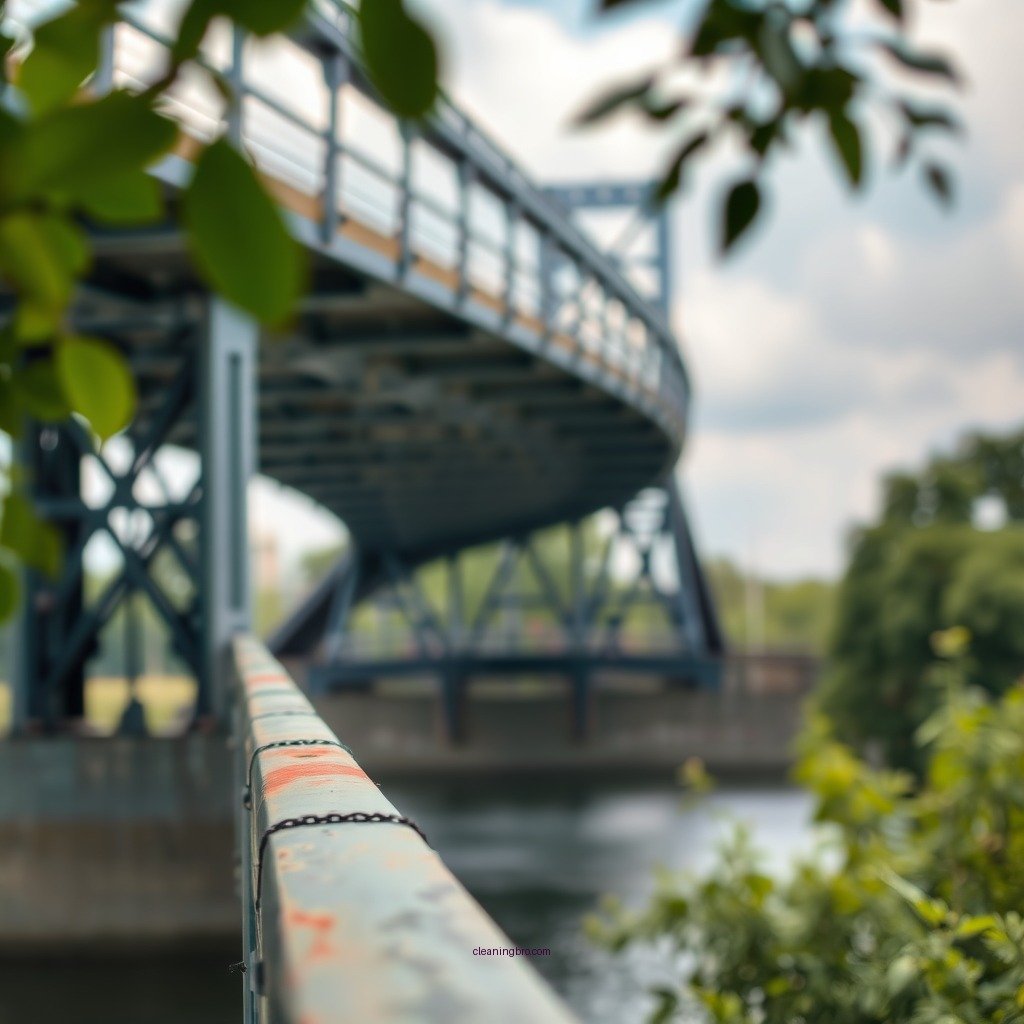
Regular cleaning of bridges is critical for maintaining their structural integrity and prolonging their lifespan. Accumulated dirt, grime, and various contaminants can lead to corrosion, which can compromise the safety of the structure. Regular cleaning not only preserves the aesthetic appeal of the bridge but also helps in the early detection of potential structural issues that may require more extensive repairs.
Common contaminants that necessitate cleaning include debris from the environment, oil and grease from vehicles, bird droppings, and organic materials like moss or algae. Each of these can contribute to deterioration if not addressed promptly. For instance, bird droppings contain acidic properties that can corrode metal over time, while organic growth can weaken the materials used in the bridge’s construction.
Safety Precautions
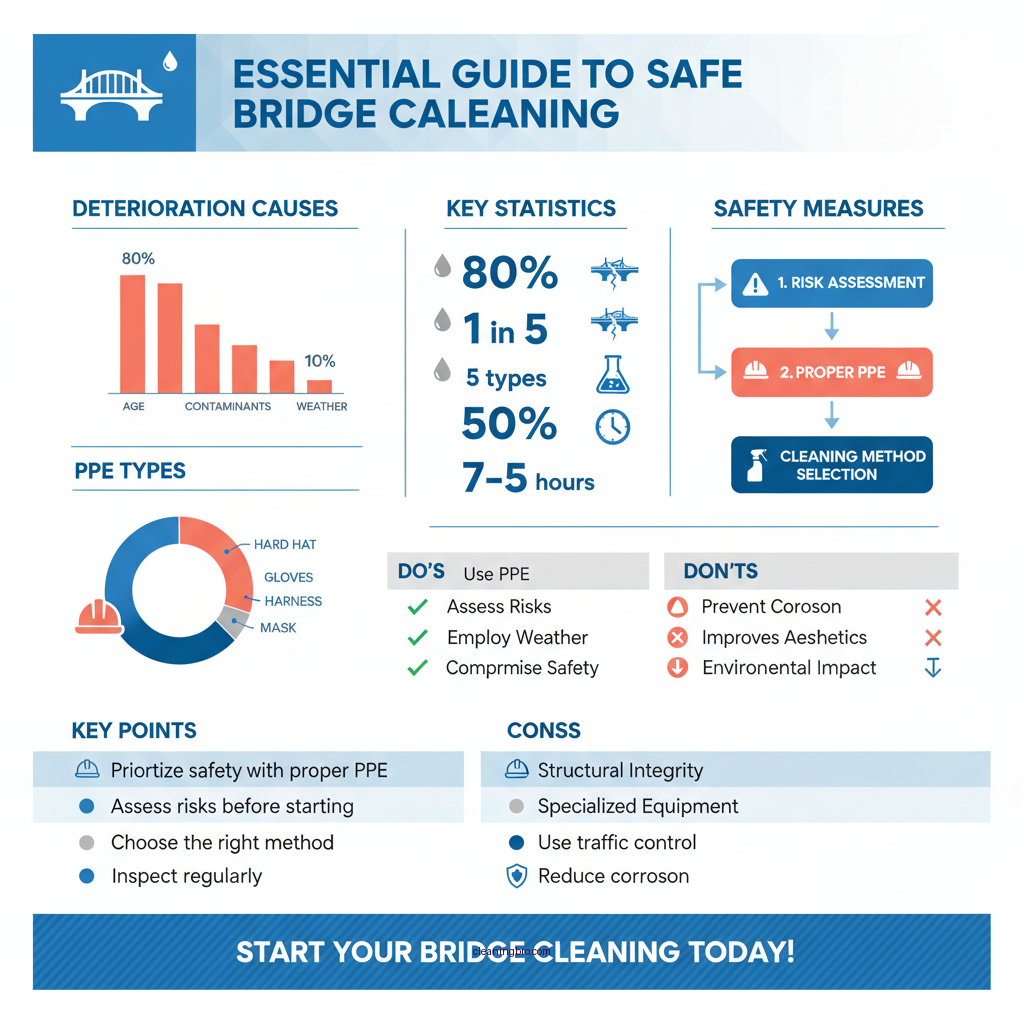

Safety is paramount when cleaning a bridge, especially due to the heights involved and the proximity to traffic. Personal protective equipment (PPE) is essential to minimize the risk of accidents. Required PPE may include hard hats, high-visibility vests, safety goggles, gloves, and non-slip footwear. Harnesses and fall protection gear may also be necessary when working at heights.
Additional safety measures include establishing secure barricades to prevent unauthorized access to the cleaning area and utilizing traffic control measures to ensure the safety of both workers and motorists. It is crucial to conduct a thorough risk assessment before commencing work, identifying potential hazards and implementing strategies to mitigate them.
Choosing the Right Cleaning Method

There are several methods available for cleaning bridges, each with its own advantages and suitability depending on the specific conditions. Common methods include:
– Pressure Washing: This method uses high-pressure water jets to remove dirt and debris. It’s effective for large surfaces but may not be suitable for delicate materials or areas with structural vulnerabilities.
– Chemical Cleaning: Involves the application of specialized cleaning agents that break down stubborn stains and contaminants. This method requires careful handling and disposal of chemicals to avoid environmental harm.
– Mechanical Scrubbing: Utilizing brushes or scrubbers can be effective in removing grime without the risks associated with high-pressure washing.
– Sandblasting: Effective for removing rust and old paint but can be damaging if not performed cautiously.
Factors to consider when selecting a cleaning method include the material composition of the bridge (concrete, steel, etc.), the location (urban or rural), and the type of contaminants present. For instance, chemical cleaning may be more appropriate in urban areas where runoff could affect local waterways.
Equipment Needed for Bridge Cleaning
To effectively clean a bridge, a variety of specialized equipment is necessary. Essential tools include:
– Pressure Washers: For high-efficiency cleaning of large areas.
– Chemical Sprayers: For applying cleaning agents and treatments.
– Scrubbing Brushes: For manual cleaning in hard-to-reach areas.
– Scaffolding or Lifts: To safely access elevated sections of the bridge.
– Water Tanks and Pumps: To ensure a consistent supply of water for pressure washing.
Proper maintenance of cleaning equipment is vital for optimal performance. Regular checks and servicing can prevent breakdowns and ensure that the equipment functions effectively during the cleaning process.
Step-by-Step Cleaning Process
1. Preparation:
– Conduct a thorough inspection of the bridge to identify areas that need cleaning.
– Set up a safe working environment, including traffic control measures and protective gear.
2. Surface Cleaning:
– Start with mechanical scrubbing of surfaces that have visible stains or buildup.
– Use a pressure washer for larger areas, maintaining a safe distance to avoid damage.
3. Chemical Application:
– If using chemical cleaners, apply them according to manufacturer instructions.
– Allow the chemicals to sit for the recommended time to maximize effectiveness.
4. Final Rinse:
– Rinse the area thoroughly with water, ensuring that all cleaning agents are washed away to prevent damage to the bridge’s materials.
5. Hard-to-Reach Areas:
– Utilize scaffolding or lifts to access elevated or hard-to-reach sections.
– For stubborn stains, consider repeating the scrubbing or chemical application process.
6. Post-Cleaning Inspection:
– After cleaning, conduct a thorough inspection of the bridge for any signs of wear or damage.
Environmental Considerations
Cleaning a bridge can have potential environmental impacts, particularly concerning runoff water that may contain detergents or contaminants. Best practices to minimize this impact include:
– Using biodegradable cleaning agents whenever possible.
– Implementing containment systems to prevent runoff from reaching nearby water bodies.
– Following local regulations regarding the disposal of cleaning materials and waste.
Be sure to check for environmental regulations that may dictate specific cleaning methods or the handling of hazardous materials.
Final Inspection and Maintenance
Post-cleaning inspection is crucial for identifying any damage or wear that may have been obscured by dirt and grime. Look for signs of corrosion, cracks, or structural weaknesses that may need to be addressed. It is also an opportune moment to assess the effectiveness of the cleaning process and make adjustments for future maintenance.
Regular maintenance tips include scheduling routine inspections and cleaning sessions, keeping a log of any repairs or issues identified, and staying informed about best practices and new technologies in bridge maintenance.By following these steps, you can effectively clean a bridge, ensuring its longevity and safety. Regular maintenance and cleaning not only improve aesthetics but also help in identifying potential issues early on. For further guidance or professional assistance, consider reaching out to bridge maintenance experts.
Top Cleaning Methods for Bridges (2024)
| # | Cleaning Method | Effectiveness | Safety | Environmental Impact |
|---|---|---|---|---|
| 1 | Pressure Washing | High | Moderate | Low |
| 2 | Chemical Cleaning | Very High | High | High |
| 3 | Mechanical Scrubbing | Moderate | Low | Low |
| 4 | Sandblasting | High | Moderate | Moderate |
| 5 | Steam Cleaning | Moderate | Low | Low |
| 6 | Ultrasonic Cleaning | Very High | Low | Low |
Effectiveness of Bridge Cleaning Methods
Bridge Cleaning Options: Comparison Table
| Feature | ⭐ Pressure Washing | Chemical Cleaning | Mechanical Scrubbing |
|---|---|---|---|
| Initial Cost | Low | Moderate | Low |
| Effectiveness | High | Very High | Moderate |
| Risk of Damage | Low | High | Low |
| Environmental Impact | Low | High | Low |
| Time Required | Short | Long | Moderate |
| Labor Intensity | Low | High | Moderate |
| Special Equipment Needed | Yes | Yes | No |
| Regulatory Compliance | Low | High | Low |
| Best For | Quick cleaning | Deep cleaning | General maintenance |
By following these steps, you can effectively clean a bridge, ensuring its longevity and safety. Regular maintenance and cleaning not only improve aesthetics but also help in identifying potential issues early on. For further guidance or professional assistance, consider reaching out to bridge maintenance experts.
Frequently Asked Questions
What are the best methods to clean a dental bridge at home?
To clean a dental bridge at home, use a soft-bristle toothbrush and a non-abrasive toothpaste to gently brush the bridge and surrounding teeth. Floss threaders or interdental brushes can help you reach between the bridge and natural teeth, ensuring plaque and food particles are removed. Regular rinsing with an antibacterial mouthwash can also help maintain oral hygiene.
How often should I clean my dental bridge?
You should clean your dental bridge at least twice a day, just like your natural teeth. Daily flossing is essential to remove debris that can accumulate around the bridge, and regular visits to your dentist for professional cleanings will help ensure the longevity and cleanliness of your dental bridge.
Why is it important to maintain a clean dental bridge?
Maintaining a clean dental bridge is crucial to prevent plaque buildup, which can lead to gum disease and decay in surrounding teeth. Poor hygiene can also result in bad breath and the loss of the bridge itself, so regular cleaning helps to ensure both your oral health and the durability of your dental restoration.
Which products are recommended for cleaning a dental bridge?
Recommended products for cleaning a dental bridge include a soft-bristle toothbrush, non-abrasive toothpaste, dental floss specifically designed for bridges, and an antibacterial mouthwash. You might also consider using a water flosser, which can effectively dislodge food particles and bacteria around the bridge.
How can I professionally clean my dental bridge?
To professionally clean your dental bridge, schedule regular check-ups with your dentist, who will use specialized tools to remove tartar and plaque that regular brushing may miss. Your dentist can also provide thorough cleaning and maintenance advice tailored to your specific dental bridge type, ensuring optimal hygiene and performance.
References
- https://www.ncbi.nlm.nih.gov/pmc/articles/PMC7471651/
https://www.ncbi.nlm.nih.gov/pmc/articles/PMC7471651/ - https://www.sciencedirect.com/topics/engineering/bridge-cleaning
https://www.sciencedirect.com/topics/engineering/bridge-cleaning - https://www.mayoclinic.org/healthy-lifestyle/consumer-health/in-depth/cleaning-your-home/art-20432255
https://www.mayoclinic.org/healthy-lifestyle/consumer-health/in-depth/cleaning-your-home/art-20432255 - https://www.cdc.gov/niosh/topics/cleaning.html
https://www.cdc.gov/niosh/topics/cleaning.html - https://www.nps.gov/articles/cleaning-brick-and-masonry.htm
https://www.nps.gov/articles/cleaning-brick-and-masonry.htm - Google Scholar Google Scholar
https://scholar.google.com/scholar?q=how+to+clean+bridge - Google Scholar Google Scholar
https://scholar.google.com/scholar?q=bridge+maintenance+cleaning - Google Scholar Google Scholar
https://scholar.google.com/scholar?q=bridge+cleaning+techniques - how to clean bridge – Search results
https://en.wikipedia.org/wiki/Special:Search?search=how+to+clean+bridge - https://www.ncbi.nlm.nih.gov/search/research-articles/?term=how+to+clean+bridge
https://www.ncbi.nlm.nih.gov/search/research-articles/?term=how+to+clean+bridge