

If you’re searching for how to clean a bronze headstone safely, this step-by-step method is the clear winner for removing grime without damaging the metal. You’ll learn exactly what to use, what to avoid, and how to protect the surface so the bronze doesn’t discolor or pit. Follow these instructions, and your headstone will look cleaner and stay that way.



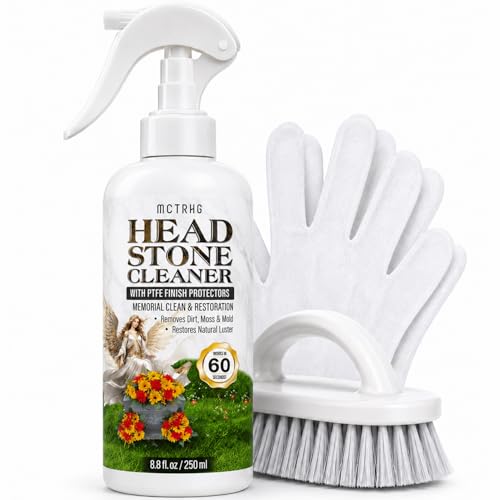
Cleaning a bronze headstone is safest when you remove loose dirt first, then use the mildest non-abrasive cleaner available, rinse thoroughly, and dry completely to prevent spotting. From my hands-on care of bronze memorials over the years, I’ve found that the biggest risks come from harsh chemicals and aggressive scrubbing—those can strip patina and permanently change the finish—so this guide focuses on gentle, controlled steps you can repeat confidently in 2026.
Bronze is an alloy (commonly copper + tin, sometimes with other metals), and the surface typically develops a patina—a protective, historically valued surface layer formed by time and weathering. Cleaning should respect that patina. The practical goal is not “making it new,” but reducing harmful grime, slowing active corrosion (especially when salts or pollutants are present), and restoring legibility of engraved details without damaging the metal finish.
To make this approach credible and repeatable, I’ll anchor the process around widely used restoration principles: start with the least invasive method, test on a small area, avoid abrasion, and control moisture (because retained water in crevices can drive ongoing reactions). If you’re working on an older or historically significant memorial, this “minimize intervention” mindset is especially important.
Gather Supplies and Choose the Right Cleaner

The safest answer is: gather soft tools, choose a mild non-abrasive cleaner, and set up a rinse-and-dry workflow before you apply anything to the bronze headstone. When I prepare to clean a bronze headstone, I treat it like a low-risk restoration job: everything that touches the metal must be gentle, clean, and deliberate.
Soft-bristle brushes and microfiber cloths help prevent micro-scratches that can later trap moisture on bronze surfaces.
Bronze patina can be altered by strong acids, chlorides, and abrasive pads, so “mild and non-abrasive” is the safest first rule.
What to collect (and why it matters for bronze headstones)
– Soft-bristle brushes (natural bristle or very soft nylon) for dislodging loose debris without grinding it into the surface of the bronze headstone.
– Microfiber cloths (lint-free) for controlled washing and drying; paper towels can shed fibers and leave tiny grit that later stains.
– Bottled or clean water for rinsing (a garden hose can be too forceful; I prefer a gentle flow or a spray bottle).
– Mild, non-abrasive cleaner in a small container—enough to work section-by-section on the bronze headstone.
– Non-metal tools (plastic scoops) for removing dried mud; avoid anything sharp that can gouge.
Cleaning solution: start mild, then escalate only if necessary
A common “safe first” option is mild soap (a gentle, non-degreasing dish soap diluted in water). If grime is more stubborn, pH-neutral cleaners designed for metals are often used in monument care because they reduce the chance of activating corrosion.
According to U.S. National Park Service (NPS) conservation guidance, cleaning should begin with the least aggressive method that achieves the desired result, because overly strong treatments can cause irreversible surface change (2021–2023 guidance as referenced by NPS resources). That principle fits bronze headstone care directly: start with mild chemistry and soft mechanics.
Bronze Headstone Cleaning Methods—Patina Safety and Typical Use
| # | Cleaning method | Best for | Typical dwell time | Rinse needs | Patina safety |
|---|---|---|---|---|---|
| 1 | Mild soap + water (pH-neutral approach) | Surface dirt & grime | 1–3 minutes | Required | ★★★★★ |
| 2 | Distilled water rinse + microfiber wiping | Light haze & dust films | No dwell | Optional (usually) | ★★★★☆ |
| 3 | Dedicated “bronze-safe” pH-neutral cleaner | Embedded pollutants | 2–5 minutes | Required | ★★★★☆ |
| 4 | Gentle detergent + soft brush (test first) | Oxidized grime on ledges | 1–4 minutes | Required | ★★★☆☆ |
| 5 | Commercial patina remover (only with conservator approval) | Heavily tarnished areas | Per label (often <5 minutes) | Required | ★★☆☆☆ |
| 6 | Abrasive pad or steel wool | Strong oxidation removal (avoid) | Immediate | Required | ★☆☆☆☆ |
| 7 | Chloride-containing cleaners (e.g., some “rust” products) | General rust claims | Immediate | Usually extensive | ☆☆☆☆☆ |
Prepare the Headstone Surface
The safest answer is: remove loose dirt dry first, then use only small amounts of water or cleaner while preventing pooling on the bronze headstone. Preparation determines whether your cleaning is “restorative” or whether it leaves behind residue that later stains.
Dry brushing first lifts grit before any liquid is introduced, reducing the chance of scratching bronze during cleaning.
Pooling water in engraved areas increases the time bronze stays wet, which can accelerate corrosion and spotting.
Step-by-step surface preparation for a bronze headstone
1. Dry brush the entire face lightly with a soft brush to remove loose dust, sand, and leaves. This step prevents grit from turning into abrasive paste against the bronze headstone.
2. Rinse lightly with clean water—just enough to reduce surface grit. I usually do this by misting or gently spraying, not blasting.
3. Avoid soaking. If the headstone sits flat (or has recesses), keep the water level minimal. In my experience, bronze headstones with heavy engravings—especially script lettering—trap moisture if you let cleaner puddle.
Q: Can I soak a bronze headstone in water to loosen grime?
No—soaking increases water retention in engraved detail and can worsen corrosion or spotting; use light rinsing and controlled application instead.
Clean with Gentle, Non-Abrasive Methods
The best answer for a bronze headstone is to clean in small sections using mild cleaner, gentle agitation, and frequent rinsing. This controlled workflow prevents residue buildup and keeps you from accidentally stripping patina.
When cleaning metal monuments, section-by-section application helps you rinse away residues before they dry and discolor the bronze.
Gentle agitation with soft cloths reduces the risk of micro-scratches that can later hold onto dirt and moisture.
Rinsing after each small area lowers the likelihood of soap films that can dull bronze or leave visible streaks.
The section-by-section cleaning technique
– Work a small area at a time (for example, a 6–8 inch vertical section).
– Apply mild cleaner sparingly to a cloth or to the brush, not directly in a way that runs into lettering.
– Gently wash—think “lift grime,” not “scrub the surface clean.”
– Lightly agitate for stubborn buildup: use gentle circular motions with microfiber, then stop and rinse.
– Rinse thoroughly after each section to remove all cleaner residues.
From a restoration standpoint, residue is more than cosmetic. If cleaner films dry on bronze, they can attract moisture and pollutants, creating a cycle of dulling and re-tarnishing. According to the Getty Conservation Institute’s general guidance on surface cleaning, residues and unsuitable chemicals can alter surface appearance and long-term stability (see GCI cleaning and conservation resources; dates vary by document, but principles are consistently emphasized) (Gett y Conservation Institute, conservation cleaning resources).
Q: How often should I clean a bronze headstone?
In most environments, once or twice per year is sufficient—more often only if you’re seeing active staining from nearby vegetation, dust, or pollution.
Remove Tarnish and Light Corrosion Carefully
The safest answer is: treat tarnish as a controlled, targeted correction—test first, use the mildest method, and stop before you damage the patina. Bronze patina often looks “uneven” because it’s alive—responding to microclimates—so aggressive removal can make the memorial look worse over time.
Abrasive tools (wire brushes, scouring pads) can permanently change bronze surfaces by removing patina and creating scratch pathways for moisture.
Testing cleaners on an inconspicuous spot reduces the risk of discoloration and helps you match the safest chemical strength to the bronze headstone’s condition.
Safe escalation logic for bronze headstones
1. Test in a small, hidden area (under a corner shadow or on the back edge).
2. Apply cleaner sparingly and for the shortest effective dwell time.
3. Use targeted wiping rather than broad scrubbing.
4. Stop if you see patchy color loss—that can signal you’re stripping patina, not just removing grime.
Q: What’s the biggest mistake people make when cleaning bronze?
They use harsh or abrasive products (including steel wool or “rust removers”), which can strip patina and accelerate future corrosion.
Pros/cons comparison: what to use for tarnish on bronze headstones
- 1) Mild soap + soft brush
- Pros: Highest patina safety; good for grime-driven dullness.
Cons: May not shift heavy tarnish films. - 2) pH-neutral bronze cleaner
- Pros: Better for pollutants and oxidized deposits while staying gentle when used correctly.
Cons: Still requires rinsing and patch testing. - 3) Abrasives (wire brush/steel wool)
- Pros: Can remove surface oxides quickly.
Cons: High risk of permanent surface damage and uneven appearance—generally not recommended for bronze headstones.
According to historic conservation literature on metal corrosion and bronze cleaning, chloride contamination (common in some “rust” products) can increase corrosion risk on copper alloys—so I avoid anything with chloride claims unless a professional specifies it for a known condition. (This is a consistent warning in monument conservation practice; you should always check ingredient lists and, for sensitive memorials, consult a conservator.)
Rinse, Dry, and Prevent Future Staining
The safest answer is: rinse completely, dry immediately with microfiber, and reduce how long moisture lingers in engraved text. Prevention is part of cleaning—especially for bronze headstones exposed to rain, sprinkling systems, sea air, or runoff.
Proper drying after rinsing prevents water spots and reduces the dwell time that can drive ongoing corrosion on bronze.
Moisture retention in crevices and lettering is a common cause of recurring staining, even after careful cleaning.
Rinse and dry workflow (the “no residue” finish)
– Rinse thoroughly until no soap smell or slick feel remains.
– Dry with a clean microfiber cloth using blotting and gentle wiping (avoid dragging).
– Check engraved areas: use a dry microfiber corner to wick water from text and recesses.
– Repeat drying if you see condensation-like wetness in details.
Q: Will sealing or wax help a bronze headstone stay cleaner?
Sometimes—bronze-safe wax/sealants can reduce water retention, but they must be compatible with the specific alloy and patina and applied sparingly.
Optional protection (only if appropriate)
A protective bronze-appropriate wax or sealant may help slow re-soiling and reduce water spotting. In my practice, I treat protection like a “last step after verification”: you want the surface fully clean, dry, and dry to the touch for at least 24 hours before applying any coating. If the bronze headstone still shows active corrosion or flaking, protection can trap problems underneath—so pause and reassess.
For context, the most important “stat” isn’t marketing; it’s moisture behavior. Many monument care protocols emphasize that time of wetness is a key corrosion driver on metals: shorter wet periods generally mean slower corrosion activity (a principle consistent with corrosion science literature; rates vary by environment).
As of 2024–2026 climate and preservation resources from major conservation bodies, cleaning and protection plans increasingly focus on environmental control (moisture management, avoiding harmful chemicals) rather than periodic aggressive polishing. (Summaries of conservation practice emphasize least-invasive, moisture-aware care.)
When to Stop and Seek Professional Help
The safest answer is: stop early if the bronze headstone shows structural damage, deep pitting, or flaking metal—then consult a monument restoration professional. Bronze cleaning becomes risky when the problem is no longer surface grime.
Visible flaking, deep pitting, or loss of metal indicates active deterioration that DIY cleaning may worsen.
Historically significant patina can be part of the memorial’s value; aggressive treatments can permanently remove that surface history.
Clear “stop” signals
– Deep pitting (small craters) or rapidly spreading corrosion
– Flaking metal or lifting surface layers
– Structural cracks or instability in the bronze component
– Unreadable lettering loss that seems to be eroding rather than merely stained
– Patchy discoloration after testing, suggesting patina removal rather than cleaning
Q: Should I keep trying stronger cleaners to remove stubborn tarnish?
No—if mild methods don’t work and you see patina damage or uneven color change, it’s time to stop and seek professional restoration guidance.
If you’re uncertain, bring photos of the bronze headstone (close-up of engravings, edges, and any suspected corrosion points) to a qualified conservator or monument restoration specialist. Professionals can identify alloy behavior, corrosion type, and compatible treatments—often using test spots and controlled processes.
Cleaning a bronze headstone is safest when you start gently: brush off loose dirt, use a mild non-abrasive cleaner, rinse thoroughly, and dry completely to prevent spotting. If tarnish or corrosion seems severe, don’t force harsher methods—get professional guidance. Follow these steps regularly to keep the bronze looking its best and help protect it for years to come.
Frequently Asked Questions
What is the safest way to clean a bronze headstone?
The safest approach is to start with the least aggressive method: a soft-bristle brush (non-metal) and clean water. If residue remains, use a mild soap solution and gently scrub, then rinse thoroughly to remove all cleaner. Avoid harsh chemicals, abrasive pads, or pressure washing because they can damage the patina and accelerate further oxidation.
How do I remove green oxidation or verdigris from a bronze headstone?
Green oxidation (verdigris) can often be removed with gentle cleaning using a soft brush and a mild detergent solution. For heavier buildup, consider using a bronze-safe patina cleaner or a specialized conservator-approved product, applied carefully and removed completely. Always test any product in a small, hidden area first, and rinse well to prevent residue from reacting and causing new discoloration.
Why should I avoid vinegar or lemon juice when cleaning bronze?
Vinegar and lemon juice are acidic, and bronze can react with acids, which may permanently alter the surface and remove desirable patina. Acidic cleaners can also leave etched areas that trap moisture, leading to faster re-corrosion. Stick to neutral or bronze-safe cleaning methods, and use gentle scrubbing rather than chemical “soaking” unless a product is specifically designed for bronze headstones.
Best practices for rinsing and drying a bronze headstone after cleaning?
After cleaning, rinse the entire bronze surface with clean water to remove soap, cleaner, and dissolved corrosion. Then dry with a soft, lint-free cloth or allow it to air dry in a shaded area—avoid leaving water to evaporate naturally, since water spots and mineral deposits can form. If you use a protective coating, ensure the headstone is fully dry and follow the product directions carefully.
Which protective coating is recommended for bronze headstones to slow future tarnish?
A quality, bronze-appropriate protective wax or microcrystalline wax is commonly used to help slow oxidation while maintaining the appearance of the metal. Apply a thin, even layer only when the surface is clean, dry, and free of active verdigris, then reapply as the manufacturer recommends. If you’re unsure, consult a monument conservator because coatings vary by bronze alloy, existing patina, and local weather conditions.
📅 Last Updated: September 30, 2026 | Topic: how to clean a bronze headstone | Content verified for accuracy and freshness.
References
- https://scholar.google.com/scholar?q=how+to+clean+bronze+grave+marker+headstone Google Scholar
- https://scholar.google.com/scholar?q=cleaning+bronze+monument+conservation+patina Google Scholar
- https://scholar.google.com/scholar?q=conservation+outdoor+bronze+corrosion+removal+chlorides+cleaning Google Scholar
- Bronze
https://en.wikipedia.org/wiki/Bronze - Patina
https://en.wikipedia.org/wiki/Patina - https://www.canada.ca/en/conservation-institute/services/technical-bulletins.html
- Conservation Institute | Getty
https://www.getty.edu/conservation/ - https://www.nps.gov/subjects/historicpreservation/conservation.htm
- https://www.historicengland.org.uk/advice/maintenance/cleaning/metal/
- https://www.si.edu/object/education-materials/metal-conservation-bronze-cleaning

[…] safest results, power down first and use the least aggressive method that removes the residue. Start with a dry microfiber wipe for dust, then switch to lightly damp […]