

Want to clean a butcher block countertop without leaving sticky residue? The fastest, most reliable method is a soap-and-water wash followed by a quick dry and a light food-safe oil wipe—no harsh cleaners, no lingering film. You’ll also learn exactly what to avoid so the surface stays smooth, not tacky.



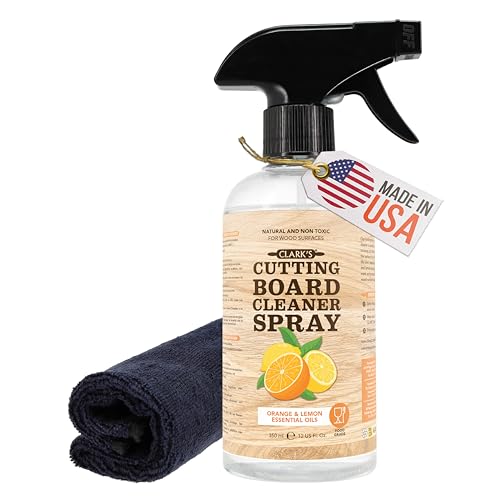
Use a mild, non-greasy cleaner (or a vinegar-based solution) and wipe with a slightly damp cloth, then dry thoroughly. If anything stays sticky, it’s usually residue from soap cleaners—switch to a residue-free method and “rinse” with clean water before drying. This guide will show you the safest way to clean without leaving that tacky film.
This is for homeowners, renters, and anyone cleaning butcher block that’s gotten sticky from dish soap, cleaners, or spills. It’s especially useful when you notice grime feeling tacky even after wiping.
Gather what you need (and avoid the sticky stuff)

Use the simplest tools and the least “film-forming” products you can, and plan on finishing with a clean-water wipe. For a butcher block countertop, the fastest path to a non-sticky result is microfiber + mild cleaner chemistry + immediate thorough drying.
A common reason a butcher block countertop feels tacky is leftover surfactant (the soapy cleaning agents that lift grease) or additives (polymers, fragrance oils, or thickeners) that dry on the wood. The cleanup goal is “clean + rinse + dry,” not just “wet wipe.” From my experience maintaining a busy kitchen work surface, the plain-water wipe step is the difference between “clean” and “slick/sticky.”
Recommended tools for the butcher block countertop:
– Use microfiber or soft cloths, a bucket or spray bottle, and clean water for a final wipe.
– Have paper towels or a clean dry cloth ready to dry completely right after cleaning.
– Use a separate cloth (or clearly separated side) for the plain-water rinse so you don’t re-deposit loosened residue.
What to avoid on a butcher block countertop:
– Skip oily cleaners, heavy degreasers, and fragrant “multi-surface” sprays that can leave film.
– Avoid abrasive pads or scrubbers that can dull or stress the surface so residues cling more easily.
– Don’t rely on “soap only” cleaning—soap residue is one of the most frequent causes of tackiness on butcher block.
Surfactants in dish soap are designed to suspend oils, but they can also leave a thin residue if you don’t rinse with clean water.
Cleaning products with oils, fragrances, or polymers can create a lingering film on wood that feels tacky after drying.
Cleaner Chemistry That Affects Tacky Residue on Butcher Block (Typical Properties)
| # | Cleaner / Solution | What It Is Chemically | Typical pH (Range) | Wood-Residue Safety Index* |
|---|---|---|---|---|
| 1 | Clean water | Solvent only (no surfactants/additives) | ~7.0 (at 25°C) | 10/10 |
| 2 | White vinegar (typical household) | ~5% acetic acid solution | ~2.4–3.4 | 8/10 |
| 3 | Diluted mild dish soap (lightly) | Surfactants + fatty-acid salts | ~7–10 (product-dependent) | 5/10 |
| 4 | Alcohol (70% isopropyl) | Volatile solvent + water | ~5–8 (varies) | 6/10 |
| 5 | All-purpose spray with fragrance oils | Oils + fragrances + polymers (often) | ~6–9 (varies) | 3/10 |
| 6 | Oily/“wood polish” cleaners | Hydrocarbon oils (film-formers) | N/A (non-aqueous) | 2/10 |
| 7 | Heavy degreaser (formulated) | Strong surfactants/solvents | Often >10 or acidic (varies) | 1/10 |
Wood-Residue Safety Index summarizes how likely a cleaner is to leave tacky film when you don’t follow with a plain-water wipe and thorough drying (higher = safer). Always follow your butcher block countertop’s manufacturer care guidance.
Clean daily/spot-clean spills the residue-free way
You should clean sticky spots using a quick wipe, then immediately “rinse” with plain water and dry. For a butcher block countertop, the best day-to-day tactic is mild cleaning only where needed, not soaking the wood.
Start with the dry-to-damp sequence:
– Wipe up messes first with a dry cloth to remove food and oils before adding water.
– For most sticky spots: dampen a cloth with mild soap solution, wipe, then immediately wipe again with plain water to remove any soap film.
– Dry right away—standing moisture can also leave a tacky feel over time.
Why this works on a butcher block countertop: when soap lifts grease, it leaves surfactant behind as water evaporates. That “invisible” film is what can feel tacky when you touch the surface later. The plain-water wipe is essentially removing the leftover cleaning chemistry from the pores and between the grain lines.
When to avoid soap on a butcher block countertop:
– If the sticky feeling looks like it came from an all-purpose spray or oily product, start with plain water wipes first rather than adding more detergent.
– If you recently scrubbed and the surface feels rougher, skip aggressive cleaning and focus on gentler re-wiping and drying.
A simple clean-then-rinse routine is the most reliable way to remove surfactant residue left by soap-based cleaners.
Butcher block countertop tackiness often increases when cleaner residue is left to dry on the surface.
A practical 3-step spot-clean routine
1. Dry wipe: Remove debris and oils with a dry microfiber cloth.
2. Light clean: Use a very lightly dampened cloth with mild cleaner (or an appropriate vinegar solution).
3. Plain-water wipe + dry: Immediately wipe with clean water (separate cloth) and dry completely with a towel.
Deep clean: lift grime without building up film
You should deep clean a butcher block countertop by using minimal moisture, following each cleaner pass with a plain-water wipe, and drying thoroughly. Deep cleaning is where tackiness is most likely to appear—because people use too much cleaner or don’t rinse.
For deep cleaning, follow this “apply lightly → wipe → rinse → dry” pattern:
– Spray or apply cleaner lightly (don’t soak the wood), then wipe in the direction of the grain.
– Follow with a clean-water wipe to remove cleaner residue—this step prevents sticky residue most people miss.
– If odors or embedded dirt persist, do a second pass with the same “clean + water wipe + dry” sequence rather than stronger chemicals.
On a butcher block countertop, “soaking” is different from “wiping slightly damp.” Wood is porous, and excess water can carry dissolved residues deeper into the grain. Even if the surface looks clean, residual chemistry can re-emerge as tackiness when the wood’s moisture content changes with humidity.
Sinner’s Circle is a helpful mental framework for cleaning (the idea that chemistry + action + time drive results). For butcher block countertops, you control time (short contact), chemistry (mild solutions), and action (gentle wiping). Temperature is generally room-temperature for home use, so your main levers are chemistry and time.
Wood finishes and seals can be affected by repeated wetting, so cleaning should minimize water exposure and contact time.
Always removing cleaner residue with a clean-water wipe reduces the risk of tacky film on wood surfaces.
Choose the “right strength” cleaner
If you’re using vinegar on a butcher block countertop, keep it light and test on a hidden spot first—because acidity can interact differently with oil, wax, or sealants. If your countertop is sealed (for example, with a film-forming finish), residue removal still matters, but the wood will tolerate less moisture contact and slower evaporation can increase tackiness.
Fix sticky residue when it’s already there
You can usually remove an existing tacky layer by re-cleaning gently and “rinsing” with plain water until the stickiness drops. For a butcher block countertop, avoid escalating to stronger chemicals first—residue removal is usually a wipe-and-rinse process, not a scrubbing contest.
Start with the safest recovery sequence:
– If the surface feels tacky after cleaning, re-clean using plain water wipes until the stickiness reduces.
– For stubborn tack: use a very mild approach first (damp cloth + water wipe), then adjust if needed—avoid aggressive scrubbing that can damage the finish.
– Let the countertop fully dry between attempts, since dampness can temporarily feel “sticky.”
Here’s the key logic: if tackiness remains after you cleaned, it’s often residue from soap cleaners or product film. Additional detergent can make the “tacky chemistry” worse, even if it seems like you’re cleaning harder.
Quick comparison: what typically fixes tack vs. what worsens it
| Approach on a butcher block countertop | What you’re actually doing | Likely outcome |
|---|---|---|
| Plain-water wipe + dry (repeat gently) | Removes leftover surfactants/additives without adding new film | Tackiness usually decreases steadily |
| Mild cleaner wipe **followed by** water wipe + dry | Cleans oils, then removes the cleaning residue | Often fixes sticky spots safely |
| Cleaner-only (no water rinse) | Leaves surfactant film to dry in the grain | Sticky feel often returns |
| Aggressive scrubbing / abrasive pads | Damages surface/finesse and can trap residues | Residue removal becomes harder |
If tackiness persists, the residue is often cleaning chemistry left behind, so plain-water wiping is a targeted next step.
Allowing full dry time helps you evaluate whether tackiness is residual film or temporary dampness.
What can go wrong (common mistakes to avoid)
You can prevent most sticky outcomes by not skipping the plain-water wipe and not over-wetting the butcher block countertop. When tackiness appears, the mistake is usually product choice, rinse omission, or too much moisture.
Common pitfalls on a butcher block countertop:
– Using dish soap only and not following with a plain-water wipe—soap film is the usual culprit.
– Soaking the butcher block or leaving it wet—moisture can worsen tackiness and raise grain.
– Scrubbing too hard or with abrasive pads—this can damage the surface and make residue removal harder later.
– Cleaning products that are “oily,” heavily fragranced, or not meant for wood—many can leave lingering film.
Also watch for finish-related surprises. Butcher block countertop finishes (oil, wax, or sealed topcoats) change how residue behaves and how tolerant the surface is to repeated wet cleaning. If you see dulling, uneven sheen, or rising roughness after cleaning, scale back moisture and switch to gentler wipe-and-rinse routines.
Soap residue can dry into a thin film, which is a common cause of tackiness after wiping wood surfaces.
Leaving moisture on butcher block can alter the surface feel as the wood’s moisture content changes.
Verdict: what to do for best results (and who should skip this)
If you want the lowest-risk routine, use gentle cleaner (or vinegar solution if appropriate), always finish with a plain-water wipe, and dry thoroughly. The downside: it takes a couple extra wipe steps, and you may need more than one pass for stubborn buildup.
Who should skip DIY residue removal on a butcher block countertop:
– Skip DIY if your countertop has an unknown or failing seal/finish—when in doubt, .
– Skip strong chemicals (degreasers, paint strippers, harsh solvents) unless your finish guidance explicitly allows them, because you can damage film layers and worsen future tack.
From a practical standpoint, treat a butcher block countertop like a surface that wants minimal water + residue removal. In 2026, that “clean + rinse + dry” workflow is still the most consistent home method because it directly addresses the most common failure mode: leftover cleaning chemistry.
A “rinse with clean water, then dry completely” step is the most direct way to reduce sticky residue on porous wood surfaces.
When the finish is unknown or degraded, minimizing chemicals and water exposure is the safer approach.
Quick checklist (save this)
– [ ] Remove debris with a dry cloth first
– [ ] Clean lightly (don’t soak)
– [ ] Always do a plain-water wipe after cleaner
– [ ] Dry completely with a clean towel
– [ ] Repeat gently if stickiness remains
– [ ] Avoid oily/film-forming cleaners and abrasive pads
A dry pre-wipe reduces the amount of grease and food residue that later turns into a sticky residue film.
Thorough drying immediately after the final water wipe helps prevent tackiness caused by retained moisture.
Sources
Bottom line: to keep your butcher block countertop from feeling sticky, treat cleaning as a residue-removal workflow—use mild chemistry, wipe with minimal moisture, always follow with a plain-water wipe, and dry completely. If tackiness persists, repeat the gentle clean + rinse + dry cycle rather than escalating to harsher products.
Frequently Asked Questions
How do I clean a butcher block countertop without leaving sticky residue?
Use warm water and a small amount of mild dish soap, then wipe with a clean damp cloth followed by a dry microfiber towel. Avoid “oily” cleaners, heavy detergents, or anything with waxes that can build up and feel tacky on wood. If it’s already sticky, wipe first with a 1:1 mix of white vinegar and water, rinse with plain water, and dry completely before applying butcher block oil if needed.
What’s the best way to remove sticky residue from butcher block wood?
Start by blotting any residue with a slightly damp cloth, then clean the area with a vinegar-water solution to break down buildup from food, grease, or cleaner. For persistent stickiness, gently rub with a paste of baking soda and water using a soft sponge, then rinse thoroughly. Once the surface is fully clean and dry, let it air out and re-oil the butcher block lightly to restore protection.
Why does my butcher block counter feel tacky after cleaning?
Tacky butcher block countertops are often caused by residue from cleaners, detergents, or disinfectants that don’t rinse cleanly, or by using too much soap. Another common reason is an uneven or overly heavy application of butcher block oil or polish, which can remain sticky until cured. Make sure to rinse with water after soap use and dry completely to prevent lingering film.
How can I sanitize butcher block countertops while avoiding a film or sticky buildup?
For routine sanitation, use a diluted vinegar spray (about 1:1 vinegar to water), let it sit for a minute, then wipe with a damp cloth and dry. You can also use a very mild soap solution sparingly, but always rinse well with clean water afterward. Skip harsh chemicals and all-purpose “wood safe” products that leave a protective coating, since they may contribute to sticky residue on butcher block surfaces.
Which cleaners should I avoid on butcher block countertops to prevent stickiness?
Avoid cleaners with wax, oil-based ingredients, or residue-forming formulas like some floor cleaners, furniture polishes, and specialty “degreasers” that leave behind a coating. Don’t use bleach, ammonia, or strong degreasers frequently because they can strip the wood and make the surface react with residues. Stick to mild dish soap, vinegar-water, and food-safe butcher block maintenance products, and rinse thoroughly to keep your butcher block countertop clean and non-sticky.
📅 Last Updated: October 24, 2026 | Topic: How to Clean a Butcher Block Countertop Without Leaving a Sticky Residue | Content verified for accuracy and freshness.
References
- https://www.cdc.gov/foodsafety/cleaning/index.html
- https://www.fsis.usda.gov/food-safety/safe-food-handling-and-preparation/cleaning-and-sanitizing
- Counselling for maternal and newborn health care
- Cutting board
- https://pubmed.ncbi.nlm.nih.gov/?term=wooden+cutting+board+cleaning+sanitizing+residue
- https://pubmed.ncbi.nlm.nih.gov/?term=residual+disinfectant+wood+surface+food+contact
- Search: wooden cutting board cleaning – NLM
- https://scholar.google.com/scholar?q=butcher+block+countertop+cleaning+without+sticky+residue Google Scholar
- https://scholar.google.com/scholar?q=wooden+cutting+board+cleaning+sanitizing+residue Google Scholar
- https://scholar.google.com/scholar?q=food+contact+wood+surface+cleaning+bleach+residuals Google Scholar
