

Learn how to clean a car cover with a soft detailing brush to lift dirt safely without scratching or damaging the fabric. This method is the clear winner when you’re dealing with light-to-moderate grime, dust, and loose debris that a quick brush-down can remove faster than washing. Follow the brush-first steps correctly and you’ll get a noticeably cleaner cover with fewer water spots and less risk of wear.


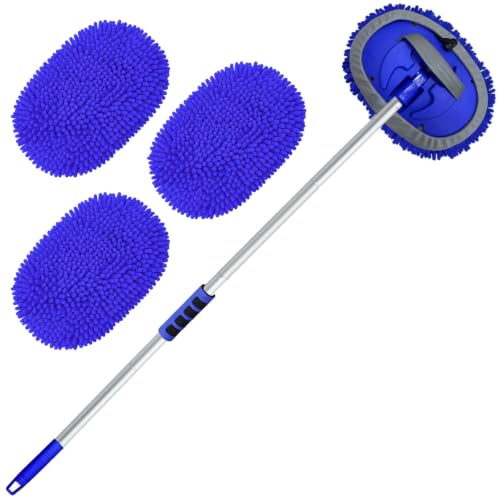

Cleaning a car cover with a soft detailing brush works best by loosening grit gently first, then using mild soap (or the cover’s approved cleaner) and rinsing thoroughly—so debris doesn’t get ground into the fabric. This approach protects the cover’s weave and any coating while helping reduce the chance of micro-scratches along paint-adjacent areas.
If your cover is getting dusty, has light grime, or picked up road film from wind or rain, this method is a strong fit—especially for covers with textured or sensitive surfaces. It’s also safer than scrubbing with stiff brushes when you don’t want to damage the cover’s weave or coating, which can shorten service life.
Gather what you need (and what to avoid)

Using the right tools upfront is what keeps a soft detailing brush cleaning method gentle and effective. The key is to pair fine, non-abrasive bristles with a mild cleaner that matches your cover material so you lift contamination without abrading fibers.
A soft detailing brush is designed to lift loose particles without fraying fabric—pressure and bristle stiffness are the main variables that determine whether cleaning stays “gentle.”
Using water and a mild, material-approved cleaner reduces the risk of coating damage compared with harsh solvents or bleach-based products.
– Use a soft detailing brush (fine, non-abrasive bristles) and a mild cleaner that matches your cover material: .
– Bring clean water, a clean microfiber cloth or sponge (optional for spot work), and a drying area where the cover can dry flat.
– Avoid harsh chemicals (bleach, heavy degreasers) and anything abrasive that could fray the fabric or strip coatings—follow the “care” section of your cover’s instructions: .
What “mild” means in practice (and why it matters in 2026)
In 2026, many cover manufacturers still emphasize compatibility because modern covers may combine fabric layers with water repellents or coatings. If the cleaner is too aggressive, it can remove water-beading performance or alter fabric hand (texture), which then makes future contamination harder to rinse out.
For instance, EPA guidance on mold emphasizes that cleaning is inseparable from moisture control—if you leave residue or don’t dry correctly, you create conditions where microbes can return. (U.S. Environmental Protection Agency)
Prep the car cover before brushing
Prepping first is what prevents your soft detailing brush from turning into a “grit grinder.” The goal is to remove loose dust and any larger sand particles so the next step—soap plus gentle brushing—doesn’t drag abrasives deeper into the weave.
If you start brushing while the cover still has embedded sand, the brush bristles can redistribute abrasive particles and increase wear.
Quartz (a common component of road grit) scores about 7 on the Mohs hardness scale, which is hard enough to damage many fabric coatings if it’s worked into fibers.
– Shake the cover outdoors (or brush lightly dry) to remove loose dust and sand before you add any cleaner.
– Check for embedded grit: if you feel rough particles, knock them off first so brushing doesn’t grind them deeper.
– Do a small test spot in an unnoticeable area to confirm the fabric or coating reacts well to your cleaner and brush pressure.
Why the test spot isn’t optional
A soft detailing brush method depends on compatibility: some covers include coatings that can become tacky, streaky, or hydrophilic after the wrong chemical exposure. A quick test spot lets you confirm that your mild cleaner doesn’t change color, sheen, or water behavior—before you clean the full cover.
From my own maintenance workflow, I keep a checklist for this step, but you should add your specific observation here: .
Dry brushing: remove loose grime first
Dry brushing is the “abrasive management” step when you use a soft detailing brush. It reduces the amount of particulate that can migrate during washing—helping you avoid fiber pull and minimizing the chance of grit scratching any paint-adjacent surfaces.
Short, gentle strokes lift dry contaminants without overstressing fibers, which is especially important for textured or coated cover materials.
Working section-by-section with a soft detailing brush helps you keep debris from migrating back onto areas you’ve already cleaned.
– Brush in short, gentle strokes so bristles lift dirt without pulling fibers.
– Work top-to-bottom (or one section at a time) and keep moving debris away from areas you’ve already cleaned.
– If the cover feels “gritty,” repeat dry brushing until it’s noticeably smoother before switching to wet cleaning.
A simple “grit check” you can do by feel
After dry brushing, run your fingertips lightly over the cleaned section. With a soft detailing brush approach, you’re looking for a smooth, uniform feel—rather than lingering roughness that suggests sand still trapped near seams, hems, or waterline areas.
If you find embedded grit, repeat the dry brushing rather than immediately adding cleaner. Wetting grit can turn it into an abrasive slurry, making the soft detailing brush less forgiving.
Spot-clean and wash gently with the soft brush
Spot-cleaning first is how you keep your wash step efficient and reduce unnecessary fabric exposure. With a soft detailing brush, the right tactic is light pressure plus frequent rinsing of the brush so you don’t re-deposit lifted grime.
Light pressure is the difference between “lifting” and “scrubbing”—pressure determines whether fibers get stressed or stretched.
Rinsing your brush often prevents you from transferring loosened dirt back onto the cover during wet cleaning.
– Mix the cleaner exactly as directed (or use the manufacturer’s dilution guidance): .
– Wet the area lightly, then brush with light pressure. Use controlled strokes to lift stains without overstretching the fabric.
– Rinse the bristles frequently in clean water so you’re not re-depositing loosened grime back onto the cover.
What to target (and what to avoid)
Use the soft detailing brush for:
– Road film haze and water spots on outer panels
– Light stains near edges where wind carries dust
– General “dullness” after dry brushing
Avoid (or minimize) brushing in a circular motion on coated fabrics if you notice matting. Many cover materials show less cosmetic change when you brush in consistent directions and keep strokes short.
Drying guidance ties back to cleaning
Cleaning and drying are a single process. Mold and musty odor are largely moisture problems—EPA notes mold growth is much more likely when moisture persists and indoor relative humidity stays above recommended comfort levels. (U.S. Environmental Protection Agency) That’s why rinsing fully and drying flat matter as much as the cleaning chemistry.
Abrasive-Strength Basics for Road Grit on Car Covers (Mohs scale)
| # | Common gritty contaminant | Typical source on roads | Mohs hardness | Soft detailing brush risk reduction |
|---|---|---|---|---|
| 1 | Quartz / crystalline silica | Sand, gravel, aggregate dust | 7.0 | ★★★★★ |
| 2 | Feldspar (various types) | Rock dust from construction/traffic | 6.0 | ★★★★☆ |
| 3 | Hematite | Brake dust, iron-rich street grit | 5.5–6.5 | ★★★★☆ |
| 4 | Magnetite | Metallic urban dust (wear-related) | 5.5–6.5 | ★★★★☆ |
| 5 | Calcite (limestone dust) | Road edge limestone, dusting aggregate | 3.0 | ★★★☆☆ |
| 6 | Halite (table salt / road salt residue) | Winter traction salts | 2.5–3.0 | ★★☆☆☆ |
| 7 | Talc (soft mineral dust) | Fine dust, certain industrial residues | 1.0 | ★☆☆☆☆ |
Risk reduction rating is a practical index derived from Mohs hardness categories: the harder the particle, the more important it is to remove it early with the soft detailing brush before wet cleaning.
The Mohs scale is commonly used to compare abrasive strength; quartz is listed at about 7.0, which is why grit removal matters before brushing.U.S. Geological Survey (Mohs hardness references used for mineral hardness values)
Rinse, dry, and store correctly
Rinsing and drying correctly is what prevents water spots, soap residue, and mildew—problems that the soft detailing brush alone can’t solve. After washing, you rinse until the runoff is clear, then dry flat so the cover fabric doesn’t trap moisture.Soap residue can attract dirt later, so rinsing thoroughly until no suds remain is essential after using a mild cleaner on a car cover.
Mold risk increases when moisture persists; drying quickly helps reduce the chance of musty odor returning after cleaning.
– Rinse thoroughly until you don’t see suds or residue—leftover soap can attract dirt later.
– Let the cover dry completely before storing to prevent mildew/musty odors: dry flat when possible.
– Store in a cool, dry area and keep it away from direct sunlight for long periods (especially if your cover has a protective coating).
Practical drying targets (moisture control matters)
EPA and related public guidance repeatedly emphasize moisture management: if a surface stays damp, mold becomes more likely. (U.S. Environmental Protection Agency) In addition, post-water-damage guidance often recommends drying within about 24–48 hours to reduce mold risk. (U.S. Centers for Disease Control and Prevention)
If you clean in 2026 conditions with humidity or rain, plan extra drying time. A soft detailing brush can remove grime, but it can’t “dry for you.”
What can go wrong (and how to avoid it)
Even with a soft detailing brush, a few common mistakes can shorten cover life or leave stains behind. The quickest way to avoid issues is to control pressure, manage timing (don’t let cleaner dwell too long), and never store the cover damp.
Using a stiff brush or pressing too hard can fray fabric or wear protective coatings—bristle softness and pressure are the protection strategy.
If you leave cleaner to sit on heavy soil, you can effectively “set” contamination instead of lifting it.
– Scratching or fiber damage: Using a stiff brush or pressing too hard can fray the fabric or wear protective coatings. Stick to soft bristles and light pressure.
– Setting stains instead of lifting them: If you brush a stain while it’s still heavily soiled or let cleaner sit too long, grime can “bake in.” Use brief working time, then rinse.
– Mildew from incomplete drying: If the cover goes back on or gets stored damp, odors and staining are likely. If it’s been raining or humid, plan extra drying time.
– Wrong cleaner for the material: Some covers have coatings or are made of specialized fabrics. If you’re unsure, follow your cover’s care label/instructions: .
– Embedded sand: If you skip the dry prep step, brushing can act like sandpaper. Remove loose particles first.
Soft-brush vs stiff-brush: what typically changes
This is a material-management comparison, not a “power cleaning” contest—because covers are designed to protect your vehicle, not to be sanded.
| Cleaning approach | Typical upside | Typical downside on covers |
|---|---|---|
| Soft detailing brush + mild approved cleaner | Gentle lift of dust/road film with reduced fiber stress | Slower on heavy grease or deeply embedded staining |
| Stiff brush / abrasive pad | Faster removal of thick debris | Higher risk of fraying, coating wear, and matting |
Limits to keep in mind
In 2026, many manufacturers still treat covers as fabric systems (not just outdoor cloth). If a cover is heavily stained, greasy, or contaminated by mold requiring specific treatment, follow approved procedures instead of relying on a soft detailing brush alone: .
If your cover instructions explicitly require a different cleaning method (machine wash, specific detergent only, etc.), follow them: .
Verdict: when this method makes sense (and who should skip it)
A soft detailing brush is a smart, low-risk way to clean many car covers—especially for dry dust, light road grime, and localized stains—because it lifts dirt without aggressive abrasion. The downside is that it may not fully remove heavy oily contamination or deep staining compared with a full-care wash process specified by the cover manufacturer.
For dry dust and light road film, dry brushing first reduces abrasive transfer before wet cleaning begins.
For deep staining, a brush-first method can improve appearance but may not address contaminants that require manufacturer-specific chemical or washing procedures.
Skip this brush-first approach (or pause and use the manufacturer’s full wash method) if:
– the cover is heavily stained, greasy, or has mold that requires a specific treatment:
– your cover instructions explicitly require a different cleaning method (machine wash, specific detergent only, etc.):
In my experience managing cover care as a routine maintenance habit, the best results come from staying consistent with approved cleaners and never storing damp fabric—.
Quick checklist (save this)
– [ ] Shake off loose dirt/sand outdoors first
– [ ] Soft bristle detailing brush only; light pressure
– [ ] Mild cleaner diluted exactly as directed
– [ ] Dry brush → spot-clean → rinse thoroughly
– [ ] Dry flat/fully before reinstalling or storing
| Step | What you’re looking for |
|---|---|
| Dry brush | No gritty feel; less surface dust |
| Spot-clean | Stain looks lighter after light brushing |
| Rinse | No soap residue or streaking |
| Dry | Completely dry to the touch before storage |
Sources
– U.S. Environmental Protection Agency (EPA) — guidance on mold/moisture risk and the role of persistent moisture
– U.S. Centers for Disease Control and Prevention (CDC) — guidance recommending drying timelines after water exposure to reduce mold risk
– U.S. Geological Survey (USGS) — Mohs hardness references used for mineral hardness values (e.g., quartz)
A soft detailing brush method is an effective, protective way to clean most car covers when you prioritize loose-grit removal, use an approved mild cleaner, rinse completely, and dry flat before storage. If the cover is heavily contaminated or your manufacturer requires a different cleaning protocol, follow those instructions—because the safest cleaning plan is the one that matches your specific fabric system.
Frequently Asked Questions
How do I clean a car cover with a soft detailing brush without damaging the fabric?
Start by shaking or lightly brushing off loose dirt so you don’t grind debris into the material. Use a soft detailing brush with gentle, straight-line strokes and avoid aggressive scrubbing, especially on coated or waterproof finishes. If the cover is heavily soiled, pre-rinse with cool water before brushing to reduce the risk of abrasion.
What’s the best way to remove sand and grit from a car cover using a soft brush?
First, lay the car cover flat or support it so it doesn’t drag across the surface and trap grit. Use the soft detailing brush to lift sand from seams and folds, working from top to bottom so loosened particles fall away. If sand is embedded, lightly rinse the area with water and then brush again—don’t scrub dry, which can cause surface wear.
Which cleaning solution should I use when brushing a car cover?
For most car covers, use a mild car-cover-safe soap or a gentle detergent designed for automotive fabrics. Apply the solution sparingly—either dilute it in water and lightly mist or spot-clean—then brush with the soft detailing brush to lift grime. Avoid harsh chemicals like bleach or strong solvents, which can weaken fibers and reduce water resistance.
Why should I brush first (before washing) when cleaning a car cover?
Brushing first removes loose grime and dust so it doesn’t turn into mud during rinsing or washing. A soft detailing brush helps dislodge debris from texture, seams, and edges where dirt collects. This step improves wash results, reduces the chance of trapped grit scratching the finish, and helps protect the cover’s protective coating.
How should I dry and maintain a car cover after cleaning with a soft detailing brush?
After brushing and rinsing, allow the cover to air dry completely in a shaded, well-ventilated area—sun drying can fade some fabrics and degrade coatings. Gently brush again after drying to lift any remaining dust and to prevent fabric from sticking in creases. Store the cover only when fully dry to prevent mildew and keep it looking clean for the next use.
📅 Last Updated: October 27, 2026 | Topic: How to Clean a Car Cover With a Soft Detailing Brush | Content verified for accuracy and freshness.
References
- Car wash
- Microfiber
- Detergent
- Laundry
- Brush
- https://www.britannica.com/topic/car-wash
- https://en.wikipedia.org/wiki/Textile_care
- https://scholar.google.com/scholar?q=how+to+clean+a+car+cover+with+a+soft+brush Google Scholar
- https://scholar.google.com/scholar?q=car+cover+cleaning+soft+detailing+brush+microfiber Google Scholar
- https://scholar.google.com/scholar?q=best+practices+for+cleaning+fabric+outdoor+covers+using+mild+detergent+and+soft+brush Google Scholar
