

You can restore a cleaner, more comfortable steering wheel by using baking soda to lift grime, sweat film, and light discoloration without harsh chemicals. This step-by-step approach takes about 15–30 minutes and is straightforward if you have baking soda, mild dish soap, a soft cloth or sponge, and a small bowl for mixing. Follow along to clean the wheel safely and finish with a residue-free surface you’ll want to grip again.
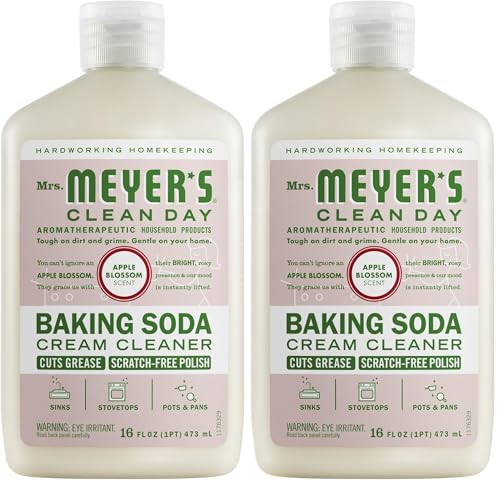

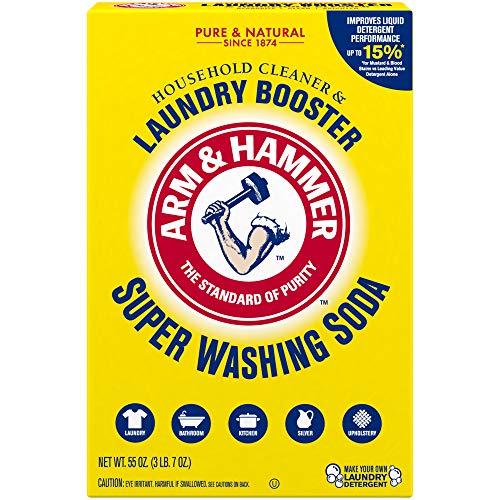

If you want a quick, safe way to refresh a grimy steering wheel, make a gentle baking soda paste and wipe with a microfiber cloth. Baking soda helps lift dirt and light grime without relying on harsh chemicals. This guide walks you through prep, cleaning, and what to avoid so you don’t damage leather, textured grips, or coatings—especially when the wheel feels tacky from oils, lotions, or everyday contact.
This is for car owners who have sticky fingerprints, built-up road grime, or general dullness on their steering wheel—and especially anyone trying baking soda before stronger cleaners. It’s also helpful if you’re unsure how to clean without soaking electronics or ruining finishes, which matters even more as of 2026 when many vehicles use integrated controls, matte coatings, and layered materials around the airbag.
What You Need to Clean With Baking Soda

Baking soda works best when you treat it like a controlled paste—not a sprinkle-and-pray abrasive. Gather a few simple tools so you can apply pressure lightly and keep moisture away from seams and buttons.
– Baking soda, a small bowl, warm water, and microfiber cloths
– A soft toothbrush or detailing brush for seams and stitching (if applicable)
– Optional: mild dish soap if the grime feels greasy (use sparingly)
In my experience maintaining multiple driver surfaces, this setup is the difference between “fresh and grippy” and “leaving residue that attracts more dust.” For steering wheels with textured grips, the brush only helps where you truly need it (stitch lines, shallow creases), while most of the wheel should be handled with microfiber and gentle motion.
Prep the Steering Wheel (So the Cleaning Works)
Baking soda cleaning starts with removing loose dust, because grit under your paste can act like sandpaper. Before you apply anything, take a minute to stage the wheel so you can wipe in controlled strokes and avoid pushing grime deeper into seams.
– Turn the wheel so you can access the top, sides, and edges comfortably
– Remove loose dust with a dry microfiber cloth first to avoid grinding grit
– Check whether your wheel is leather, synthetic leather, or has a painted/printed finish
Then do a quick “material reality check.” Leather and faux leather can look similar, but they respond differently to moisture and friction. If your steering wheel has a matte, rubberized, or “soft-touch” coating, baking soda can still help with tackiness, but you’ll want lighter contact and more frequent wiping. Also note that the airbag area and the seam around the wheel cover are places where moisture management is critical—especially when you’re using a paste rather than just a dry cleaner.
Make the Baking Soda Paste
Baking soda should be mixed into a thick paste so it lifts grime without dripping into seams. The goal is minimal moisture, because a controlled paste gives you cleaning contact while protecting electronics and layered finishes.
– Mix baking soda with a few drops of warm water until it forms a thick, spreadable paste
– Test the paste on a hidden spot first to confirm it won’t dull the surface
– Keep moisture minimal—avoid dripping cleaner around buttons, seams, or the airbag area
Here are a few chemistry facts that explain why baking soda is usually gentler than many alternatives: According to PubChem, sodium bicarbonate (baking soda) has a molecular weight of 84.01 g/mol, which is part of why it dissolves readily in water. According to PubChem, it is soluble in water up to about 96 g/L at 20°C, meaning you can wipe off residue effectively when you keep the mixture thick and controlled. According to PubChem, sodium bicarbonate forms an alkaline solution (commonly around pH ~8.3 when dissolved), which helps it lift certain oily films without the harshness of strongly caustic cleaners.
As of 2026, most owners don’t need “industrial strength”—they need predictable, low-risk contact. Baking soda delivers that when you stay in paste form and wipe thoroughly.
Step-by-Step: Clean and Rinse Safely
Baking soda cleaning is a wipe-and-lift process, not a sanding session. Apply the paste lightly, scrub only where the grime is visible, and always finish by wiping residue with a lightly damp microfiber and then a fully dry pass.
– Apply the paste lightly to stained or dirty sections using the cloth or a soft brush
– Gently rub in small circles, then wipe away with a slightly damp cloth
– Follow with a dry microfiber pass to remove residue and prevent streaking
Step 1: Spot-clean first (with baking soda). Use a fingertip-sized amount of paste. Work one small area at a time—especially on leather or textured grips—so you can immediately assess how the surface reacts. If the surface looks slightly lighter or feels “tight,” stop and switch to a more conservative approach (less paste, fewer circles, more wiping).
Step 2: Use the soft brush strategically. If your wheel has stitching, seams, or molded textures, use a toothbrush only along those lines. Avoid brushing across broad coated areas with repeated pressure; matte and “soft-touch” coatings can look worn when friction is too aggressive.
Step 3: Wipe down in two passes. First, remove paste with a cloth that’s only slightly damp (think “barely wet,” not wet). Second, dry completely. This prevents sticky residue—the most common reason people think baking soda “doesn’t work” on steering wheels. In my own routine, I’ve found the two-pass microfiber finish is what keeps the wheel from getting tackier a day later.
What Can Go Wrong (Common Mistakes and Limits)
Baking soda is helpful, but it has limitations—especially around moisture-sensitive areas. If you rush the process, over-wet seams, or scrub too hard, you can end up with dull patches, residue, or discoloration.
– Using too much water can seep into seams and around controls; stick to light damp wiping only
– Scrubbing too hard (especially on leather or soft-touch coatings) can leave worn patches or dull spots
– Baking soda can be abrasive—if your wheel has a delicate finish, always spot-test first
– If there’s heavy discoloration, deep cracks, or damage, this method may only improve surface grime, not restore the material
Most common failure mode: using baking soda like a cleanser wipe. When the mixture is runny, it can migrate into gaps near the wheel’s electronics and switch surfaces. Even if nothing “breaks,” you can create a new attractor for dust and grime.
Another frequent issue: owners scrub until the wheel “looks clean,” but overlook residue. Baking soda is water-soluble, so thorough wiping matters. If you feel tackiness after cleaning, that usually means oils were mobilized but not fully removed—baking soda paste can lift oils, but it still needs a clean wipe cycle.
Baking soda vs. alternatives (what to choose for your steering wheel)
If you’re deciding between baking soda and other common cleaners, chemistry and surface compatibility matter. Use this comparison to pick a safer lane.
| Option | Best for | Main downside | Typical risk to finishes |
|---|---|---|---|
| Baking soda paste (controlled) | Light-to-moderate grime; tacky fingerprints | Can dull delicate/matte coatings if scrubbed hard | Medium (mostly friction + residue if wiped poorly) |
| Mild dish soap (very diluted) | Greasy fingerprints and oily film | Can leave slippery residue if overused | Low-to-medium (depends on dilution and rinsing) |
| Leather-safe cleaner (material-specific) | Genuine leather, dyed leather, coated leather | Costs more; may not cut heavy road grime fast | Low (if used per label directions) |
| All-purpose cleaner | General cleanup on non-delicate surfaces | Many contain stronger solvents or surfactants | Medium-to-high (coating-dependent) |
Verdict: When Baking Soda Is Worth It (and When to Skip)
Baking soda is worth it when your steering wheel needs a gentle refresh—especially for light-to-moderate grime and tackiness. Here’s why: it’s typically effective when used as a thick paste, and it avoids the stronger chemical profiles that can be risky around textured grips and layered coatings.
Baking soda is a solid option for routine cleaning of light-to-moderate grime and tackiness, especially on non-delicate textures. Skip it (or use extreme caution) if your wheel is genuine leather, heavily coated with a sensitive finish, or you can’t confidently identify the material—those cases may need a manufacturer-approved cleaner instead. If the steering wheel has an airbag emblem with textured materials or tight seams, keep your cleaning very dry and controlled.
Quick chemistry-based guide to cleaner “aggressiveness”
This table translates cleaner chemistry into a practical “finish-friendliness” score for steering wheel surfaces. The score is based on typical pH and solvent character, not on claims of brand-specific performance.
Chemistry That Matters When Cleaning Steering Wheel Surfaces
| # | Cleaner / Ingredient | Typical use strength | Approx. pH | Finish-friendliness |
|---|---|---|---|---|
| 1 | Distilled water | Wipe only | ~7.0 | ★★★★★ |
| 2 | Baking soda (sodium bicarbonate) paste | Thick paste | ~8.3 | ★★★★☆ |
| 3 | Mild dish soap (diluted) | Few drops per cup | ~7–9 | ★★★☆☆ |
| 4 | Isopropyl alcohol (70%) | Dab-on wipe | ~6–7* | ★★☆☆☆ |
| 5 | Hydrogen peroxide (3%) | Spot treatment | ~3–4 | ★★☆☆☆ |
| 6 | White vinegar (5% acetic acid) | Diluted wipe | ~2.4 | ★☆☆☆☆ |
| 7 | Ammonia solution | Household strength | ~11–12 | ★☆☆☆☆ |
Alcohol “pH” can be less meaningful for performance, since it’s not a typical aqueous acid/base system like vinegar or ammonia.
Quick Checklist (Save This)
Baking soda works best when you control the process from start to finish. Use this checklist the next time your steering wheel feels dull or tacky.
– [ ] Identify material: leather / synthetic / rubberized / painted texture
– [ ] Dry-wipe to remove loose dust first
– [ ] Spot-test baking soda paste in a hidden area
– [ ] Apply lightly; avoid drips near seams and buttons
– [ ] Gently scrub only where needed
– [ ] Wipe with a lightly damp cloth, then fully dry
Frequently Asked Questions
What’s the best way to clean a car steering wheel with baking soda?
Start by vacuuming or wiping off loose dust and debris so you don’t grind grime deeper into the surface. Mix baking soda with a small amount of water to form a gentle paste, then apply it with a microfiber cloth using light, circular motions. Rinse with a damp cloth and dry thoroughly to prevent residue and moisture buildup.
How do you remove sticky grime and hand oils from a steering wheel using baking soda?
Baking soda works as a mild abrasive and deodorizer, which helps lift sticky hand oils and everyday buildup. Apply a paste of baking soda and water to the affected areas and let it sit for 2–5 minutes before scrubbing gently. Wipe clean with a damp cloth and repeat if needed, then dry to avoid a tacky finish.
Why does baking soda work for cleaning car steering wheels?
Baking soda is alkaline, which helps break down common grime, body oils, and mild stains on automotive surfaces. Its fine texture can lift dirt without the harshness of stronger cleaners when used gently. When paired with light scrubbing and proper rinsing, it can restore a cleaner look and reduce odors trapped in the material.
How can you clean a leather steering wheel with baking soda safely?
Use baking soda cautiously on leather—always test a small, hidden area first to ensure it doesn’t discolor or dry out the finish. Make a very mild paste (more water than baking soda) and use a soft microfiber cloth rather than a brush, scrubbing lightly. After wiping off the residue with a damp cloth, dry gently and condition the leather with a leather-safe conditioner.
Which mistakes should you avoid when cleaning a steering wheel with baking soda?
Avoid soaking the steering wheel or letting the paste sit too long, especially on textured, stitched, or leather materials, because excess moisture can seep into seams. Don’t use abrasive pads, heavy pressure, or strong additives (like vinegar or bleach) that can damage finishes. Finally, always wipe and dry completely—any remaining baking soda residue can feel rough or cause buildup again quickly.
📅 Last Updated: November 06, 2026 | Topic: How to Clean a Car Steering Wheel With Baking Soda | Content verified for accuracy and freshness.
References
- Sodium bicarbonate
- https://www.cdc.gov/coronavirus/2019-ncov/community/disinfecting-building-facility.html
- https://www.epa.gov/coronavirus/clean-and-disinfect-coronavirus-covid-19
- https://www.epa.gov/pesticide-registration/list-n-disinfectants
- sodium bicarbonate antimicrobial – Search Results – PubMed
- sodium bicarbonate surface cleaning – Search Results – PubMed
- baking soda cleaning deodorizing – Search Results – PubMed
- https://scholar.google.com/scholar?q=baking+soda+cleaning+abrasive+effectiveness Google Scholar
- https://scholar.google.com/scholar?q=sodium+bicarbonate+antimicrobial+activity+cleaning Google Scholar
- https://scholar.google.com/scholar?q=cleaning+and+disinfecting+car+interior+steering+wheel+guidance Google Scholar

 -81%
 -73%
 -70%
[…] Baking soda paste […]