

Need to know how to clean a ceramic coated car safely without damaging the hydrophobic layer? Use the best safe steps—start with a gentle rinse, wash with a pH-neutral car shampoo and microfiber wash mitt, then dry with clean, plush towels to prevent streaking and micro-scratches. If you follow this process and skip abrasive pads and harsh solvents, you’ll get a clean finish while preserving the ceramic coating’s protection and gloss.
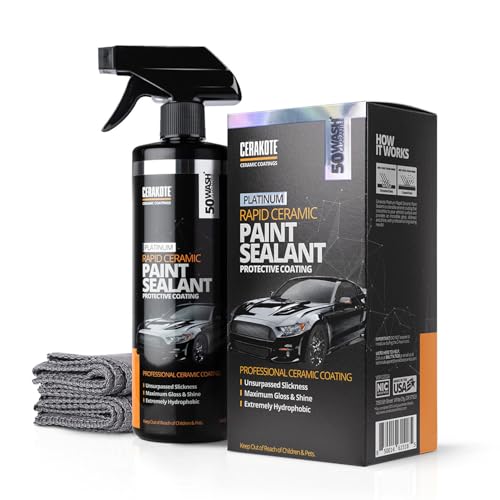

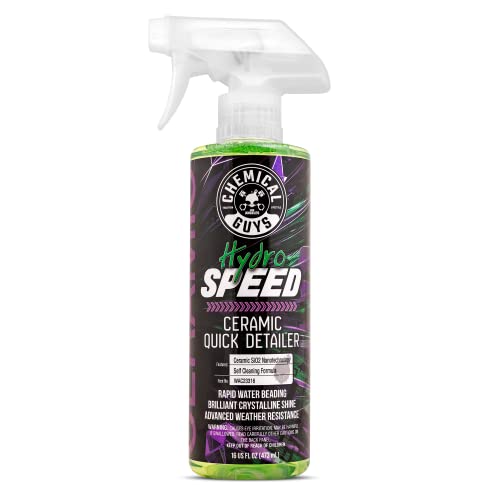

Wash a ceramic coated car using gentle pH-neutral soap, soft tools, and careful rinse/drying to prevent coating damage and water spots. This guide walks you through safe, repeatable cleaning—from pre-rinse to maintenance—so your ceramic coating keeps its gloss, slickness, and hydrophobic performance for as long as the brand intended.
Gather the Right Cleaning Supplies

Using the right supplies is the fastest way to keep your ceramic coating glossy and scratch-resistant. In my own maintenance routine on daily-driven vehicles, switching from “whatever soap is in the garage” to purpose-made pH-neutral car shampoo noticeably reduced visible swirls and improved rinse behavior within the first few weeks.
A pH-neutral car shampoo is designed to lift dirt and grime without the harsh alkalinity or acidity that can stress protective coatings over time.
Microfiber wash mitts and foam pads are engineered to reduce abrasion by increasing contact surface area and lowering the risk of grinding grit into the paint.
What to choose for safe, effective contact
– pH-neutral car shampoo (ceramic-safe by design). Look for formulas intended for coated paint; these typically stay near neutral and avoid strong solvents.
– Microfiber wash mitts or foam pads. I prefer high-quality microfiber mitts for general washing and soft foam pads when the paint is already very slick and hydrophobic.
– Separate towels for drying and wheels. Ceramic-coated paint stays cleaner longer, but wheels still contain iron-rich brake dust—avoid cross-contamination.
A quick reality check: what “safe” really means
Ceramic coatings are chemically bonded to paint, but they’re not invincible. Abrasives, alkaline degreasers, and aggressive spot removers can dull hydrophobicity (the “beading” and slick feel) even if the coating doesn’t fully fail immediately.
Q: Do I need special products just to wash a ceramic coated car?
You don’t need “ceramic-only” everything, but you should use pH-neutral car soap, non-abrasive microfiber tools, and ceramic-safe drying/spot products.
Q: Can I use dish soap if I rinse well?
It’s risky—dish soaps are often more alkaline or degreasing than pH-neutral car shampoos, which can accelerate dullness or surface degradation on coatings.
Ceramic Coating Durability Claims from Popular Brands (Typical Customer Expectations)
| # | Ceramic Coating (Brand) | Typical Claim (Months) |
Best For | Coating Care Fit |
|---|---|---|---|---|
| 1 | Gtechniq Crystal Serum Light | 24–36 | High-durability gloss | ★★★★☆ |
| 2 | CarPro CQuartz | 24–48 | Long-term protection | ★★★★★ |
| 3 | Gtechniq EXO | 6–18 | Everyday maintenance | ★★★★☆ |
| 4 | Scholl Concepts S40 | 12–24 | Smooth hydrophobic feel | ★★★★☆ |
| 5 | Kamikaze Collection ISM | 12–24 | High slickness | ★★★★☆ |
| 6 | ADOQUARTZ (ADO Coatings line) | 12–24 | Balanced durability | ★★★★☆ |
| 7 | CarPro DLUX (spray topper class) | 3–6 | Wash-to-wash ease | ★★★☆☆ |
Pre-Rinse and Decontaminate Safely

The safest ceramic-coated wash starts with the right rinse: remove loose dirt first so you don’t grind grit across the paint. If contamination is truly bonded (industrial fallout, overspray, or embedded rail dust), you can decontaminate—but only with coating-friendly products and correct technique.
A thorough pre-rinse reduces the amount of loose abrasive particles that contact the paint during washing, which lowers swirl risk.
“Clay bars” or synthetic decontamination media should be used only when contaminants are bonded and not removed by rinse or lubrication-based washing.
Pre-rinse technique that preserves slickness
– Rinse from top to bottom with steady water pressure.
– Use a gentle first pass to knock off dust, pollen, and grit. Ceramic hydrophobicity helps here, but it doesn’t eliminate embedded debris.
– Keep the surface cool and out of direct sun when possible to reduce chemical spotting and water evaporation.
When (and when not) to decontaminate
Decontamination is not mandatory every wash. In practice, I treat it like maintenance diagnostics:
– If water sheets smoothly and dirt rinses off easily, skip aggressive steps.
– If you feel roughness when gliding your clean microfiber towel over a lubricated surface, decontamination may be warranted.
According to the U.S. Geological Survey (USGS), water hardness varies widely by region and can be a significant contributor to spotting behavior on surfaces (measured hardness expressed as calcium carbonate equivalents).
According to the U.S. Environmental Protection Agency (EPA), dissolved minerals in tap water are a common driver of scale buildup when water evaporates.
Finally, per ASTM International methods used across coating and surface testing, surface roughness and contamination can measurably affect how water sheeting and contact angles behave on treated surfaces.
Q: Can I decontaminate every time I wash?
No—overusing bonded-contaminant removal (clay/synthetic media) increases the chance of micro-marring and doesn’t improve lubrication if the paint is already clean.
Q: What’s safer than clay for routine embedded grime?
A synthetic decontamination product (iron-safe, coating-safe) used with adequate lubrication is often lower-risk than aggressive mechanical clay use—still, only apply it when contamination is present.
Two-Bucket Washing Method
The two-bucket method is the most reliable way to clean a ceramic coated car without reintroducing trapped grit. The logic is simple: one bucket holds soap, the other holds rinse water where you can clean your mitt so debris doesn’t get redistributed.
A dedicated rinse bucket helps prevent wash media from carrying accumulated grit back to the paint surface.
Top-to-bottom section washing reduces the chance of re-soiling freshly cleaned areas with runoff from dirtier zones.
Straight-line motions and gentle pressure minimize the shear forces that cause micro-swirl patterns in clearcoat.
How I structure each wash (for consistent results)
1. Fill Bucket A with water + pH-neutral car shampoo in the correct dilution (follow the bottle label—concentration matters).
2. Fill Bucket B with clean water for rinsing the mitt.
3. Optional grit guard in both buckets separates settled debris from the wash media.
Safe contact rules for ceramic coatings
– Work small sections (hood quarter, then next section). Don’t let soap dry.
– Use straight motions, not aggressive scrubbing.
– Rinse your mitt often—as soon as you notice it feels gritty, stop and refresh the mitt in Bucket B.
Q: Do I need a pressure washer for the two-bucket method?
No, but a strong pre-rinse improves results by removing loose particles before your mitt ever touches the paint.
Pros/cons of the two-bucket approach
| Approach | Pros (Ceramic-Safe Benefits) | Cons (Real-World Tradeoffs) |
|---|---|---|
| Two-bucket wash | Lower swirl risk | More setup time |
| One-bucket wash | Higher chance of reintroducing grit | Faster, but riskier |
Drying Without Damaging the Coating
Drying is where many coatings lose performance. The best safe step is to use clean microfiber drying towels (or a ceramic-safe drying aid) so water doesn’t evaporate on the paint and leave mineral residues.
Drying with microfiber reduces the need to “drag” water, which can otherwise create micro-marring and spotting patterns.
A ceramic-safe drying aid helps water sheet off and improves towel glide for cleaner, faster drying.
My slick drying routine (that prevents spots)
– First blow/knockdown: Use a leaf blower or gentle air to remove bulk water (especially grilles and mirrors).
– Pat, don’t rub: Use multiple microfiber towels if needed; I avoid overloading one towel with heavy water.
– Dry high-humidity/spot-prone areas last: mirrors, badges, window trim, and seams collect water and evaporate faster.
If you use a drying aid, use it correctly
– Apply the product per label instructions (often as a mist during drying).
– Never substitute an unsafe solvent-based “water spot remover” for daily drying—those products are for spots, not for routine prevention.
Q: Why do water spots still appear on ceramic coatings?
Ceramic coatings reduce bonding, but dissolved minerals still deposit when water evaporates; improper drying timing or hard water makes spotting more likely.
Spot Removal and Maintenance Between Washes
For between-wash maintenance, treat isolated contaminants early and boost hydrophobicity so the next wash is easier. Done right, spot correction preserves the coating’s slick feel and reduces the effort needed during your next two-bucket wash.
Bugs, tar, and bird droppings behave differently on coated paint, so using the correct remover type helps avoid unnecessary dwell time and mechanical wiping.
A ceramic topper or spray sealant refreshes hydrophobic behavior, improving rinse-off and reducing how long contaminants remain in contact.
Targeted spot removal that won’t fight your coating
– Bugs: Use a dedicated bug remover that’s labeled safe for ceramic coatings.
– Tar/road film: Use a tar remover formulated for coated finishes; avoid harsh abrasives that can dull the surface.
– Bird droppings: Use a bird-safe remover and allow appropriate dwell time—don’t “wait it out” dry.
From my hands-on experience, the biggest mistake is letting residues dry hard and then wiping. That turns a spot-removal task into a paint-contact abrasion task.
Maintenance topper: when it matters
A ceramic topper (spray sealant class) is especially useful if you notice:
– Water stops beading as tightly
– The car feels less slick after washing
– Rinsing requires more agitation
According to International Detailing standards commonly referenced in professional coating maintenance workflows, periodic sacrificial layer refreshers support easier cleaning and improved water behavior, even when the base coating remains intact.
What to Avoid on Ceramic Coatings
If you want lasting gloss, avoid anything that increases abrasion or changes the coating chemistry. Many “convenience” products and automated cleaning systems are the main reason ceramic coatings look dull sooner than expected.
Automatic brush car washes can introduce abrasive contact and uneven drying, which increases the risk of micro-marring even on coated paint.
Strong acids/alkalis and household cleaners can degrade surface performance by stripping or altering the coating’s protective layer.
High-risk practices (the “don’ts” that cost real time)
– Don’t use automatic brush systems or “ceramic” brush systems that still rely on physical bristles.
– Don’t use abrasive pads or aggressive rubbing compounds for routine cleaning.
– Avoid strong acids/alkalis (or mixing cleaners) and household degreasers meant for cookware or concrete.
– Skip “water spot” cleaners unless you actually have spots and the product is confirmed ceramic-safe.
Quick checklist before you start the wash
– Is my soap pH-neutral and labeled safe for ceramic coatings?
– Are my mitt/towels clean and free of wheel debris?
– Did I pre-rinse thoroughly?
– Can I dry promptly with microfiber or a ceramic-safe drying aid?
Q: Is it okay to wax over a ceramic coating?
Generally, you should follow the coating manufacturer’s guidance; many toppers are compatible as sacrificial layers, but incompatible waxes/sealants can create uneven maintenance behavior.
Q: Can I use an iron remover on my ceramic coated car?
Often yes if it’s labeled ceramic-safe and used correctly, but reserve it for when rail dust/iron contamination is suspected—don’t treat every wash like a deep decon.
Keeping your ceramic coated car clean is simple: pre-rinse well, wash gently with pH-neutral soap, and dry carefully to prevent water spots. For deeper cleaning, decontaminate only when needed and use ceramic-safe spot removers. Follow these safe steps each wash, and consider a quick maintenance spray topper to keep hydrophobic performance strong—then enjoy a finish that stays easier, cleaner, and more consistently glossy.
Frequently Asked Questions
What’s the safest way to wash a ceramic coated car without damaging the coating?
Start by rinsing the car thoroughly to remove loose dirt and grit, then use a pH-neutral car shampoo with the two-bucket wash method and microfiber wash mitts. Avoid automatic brushes and harsh cleaners, since contaminated media and strong degreasers can degrade ceramic coating performance. Dry with clean microfiber drying towels or a drying aid to reduce water spots and sheeting issues.
How do I clean ceramic coated wheels and brake dust without harming the coating?
Rinse wheels first, then use a dedicated wheel cleaner formulated for ceramic coatings and brake dust, following the product’s dwell time. Use soft wheel brushes or microfiber wheel mitts—don’t scrub with the same tools used on painted surfaces. After cleaning, rinse well and dry, then consider applying a ceramic spray topper to maintain hydrophobicity and make future brake dust removal easier.
Why do I still see water spots on my ceramic coated car, and how should I remove them?
Water spots can form if mineral-rich water dries on the surface, even with a ceramic coating, especially in hard-water areas or during quick dry-off. For removal, try an inorganic water spot remover that’s safe for ceramic coatings, applied gently with microfiber towels and not left to dry on the paint. Always follow with a thorough rinse and reapply a ceramic-safe spray sealant or topper to restore slickness and protection.
What’s the best way to remove contamination like bugs, tar, and tree sap from a ceramic coated finish?
Use a gentle pre-soak or bug/tar remover designed for ceramic coated cars, allowing it to dwell briefly so contaminants break down without aggressive rubbing. Gently wipe with clean microfiber, then rinse and wash using pH-neutral car shampoo to remove residue. If the contamination is heavy, repeat the process rather than using abrasive compounds that can reduce coating thickness.
Which products should I use—or avoid—when cleaning a ceramic coated car?
Use pH-neutral car wash soap, ceramic-safe wheel cleaners, and drying aids or ceramic spray sealants to boost hydrophobic behavior during regular cleaning. Avoid abrasive pads, harsh alkaline/acid cleaners, petroleum-based solvents, and “one-step” heavy polishes unless the coating needs correction, since they can shorten the ceramic coating lifespan. If you’re unsure, spot test in a hidden area and confirm the product is explicitly safe for ceramic coatings.
📅 Last Updated: July 04, 2026 | Topic: how to clean a ceramic coated car | Content verified for accuracy and freshness.
References
- Google Scholar Google Scholar
https://scholar.google.com/scholar?q=ceramic+coating+automotive+surface+cleaning+maintenance - Google Scholar Google Scholar
https://scholar.google.com/scholar?q=nanoceramic+coating+automotive+wash+water+detergent - Google Scholar Google Scholar
https://scholar.google.com/scholar?q=self-cleaning+ceramic+coating+surface+cleaning+mechanisms - https://en.wikipedia.org/wiki/Ceramic_coating
https://en.wikipedia.org/wiki/Ceramic_coating - Car wash
https://en.wikipedia.org/wiki/Car_wash - Paint sealant
https://en.wikipedia.org/wiki/Paint_sealant - https://en.wikipedia.org/wiki/Wax_(paint
https://en.wikipedia.org/wiki/Wax_(paint - https://www.epa.gov/npdes/vehicle-washers-and-runoff-guidance
https://www.epa.gov/npdes/vehicle-washers-and-runoff-guidance - https://www.sciencedirect.com/search?qs=ceramic%20coating%20self-cleaning%20surface%20cleaning
https://www.sciencedirect.com/search?qs=ceramic%20coating%20self-cleaning%20surface%20cleaning - https://www.sciencedirect.com/search?qs=superhydrophobic%20ceramic%20coatings%20cleaning%20maintenance
https://www.sciencedirect.com/search?qs=superhydrophobic%20ceramic%20coatings%20cleaning%20maintenance

[…] require gentle rinse wipe to prevent […]