
Cleaning a chalkboard wall is simple and can be done effectively with the right techniques. To keep your chalkboard looking fresh and vibrant, you should regularly wipe it down using a few basic supplies. Whether you have a chalkboard wall in a classroom, home, or office, maintaining its appearance is essential for functionality and aesthetics. In this article, you’ll learn the best methods and tips for maintaining your chalkboard wall’s appearance, ensuring it remains a delightful space for notes, drawings, and creativity.
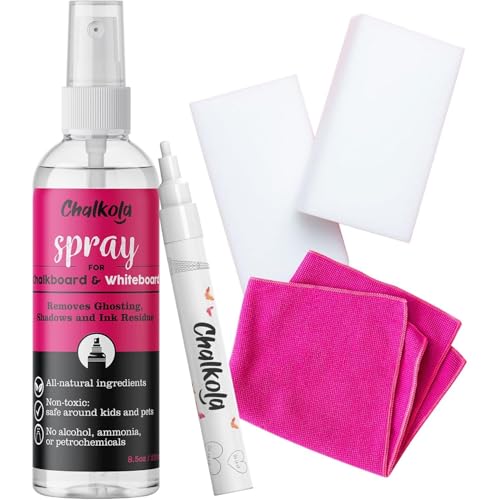



Essential Supplies for Cleaning

To clean a chalkboard wall effectively, you will need some essential supplies that will make the process easier and more efficient:

– Soft cloths or sponges: It is crucial to use non-abrasive materials to avoid scratching the chalkboard surface. Microfiber cloths are ideal as they are gentle yet effective at picking up chalk dust and grime.
– Cleaning solution: A mix of warm water and mild soap is often sufficient for routine cleaning. Alternatively, you can use specialized chalkboard cleaners available in stores, which are formulated to maintain the integrity of the chalkboard surface.
– Vinegar or baking soda: These natural cleaning agents can help tackle stubborn stains and ghosting caused by chalk residue. Vinegar is especially effective for a variety of cleaning tasks, while baking soda works well for scrubbing without scratching.
Basic Cleaning Steps


Cleaning your chalkboard wall doesn’t have to be complicated. Follow these basic steps for a quick and effective clean:
– Dust off the surface: Begin by sweeping away chalk dust with a dry cloth. This step is essential as it prevents dust from turning into a muddy residue when wet cleaning.
– Apply cleaning solution: Dampen your cloth with the chosen cleaning solution and wipe the board gently. It is important to use a light touch to avoid damaging the surface, especially if you are using a commercial cleaner.
– Rinse and dry: After cleaning with the solution, wipe the board with a clean, damp cloth to remove any soap residues. Finally, dry the surface thoroughly with a soft cloth. This step is vital to prevent streaks and ensure the surface is ready for use.
Removing Stubborn Marks

Despite regular cleaning, you may encounter stubborn marks that require a bit more effort to remove. Here are some techniques for tackling these tough stains:
– Use a vinegar solution: Mix equal parts vinegar and water to create a potent cleaning solution. Apply it to the stained area and let it sit for a few minutes before wiping it away with a cloth.
– Baking soda paste: Create a paste using baking soda and a small amount of water. Apply this paste to the stain, allowing it to sit for a few minutes before gently scrubbing with a soft cloth or sponge. This method is effective for tough marks without scratching the board.
– Commercial cleaners: If the stains persist, consider using a specialized chalkboard cleaner. These products are designed to break down stubborn residues and restore the original appearance of your chalkboard.
Top 7 Chalkboard Cleaning Techniques (2024)
| # | Method | Effectiveness | Time Required |
|---|---|---|---|
| 1 | Warm Water & Soap | Moderate | 5 min |
| 2 | Vinegar Solution | High | 10 min |
| 3 | Baking Soda Paste | Very High | 15 min |
| 4 | Chalkboard Cleaner | High | 5 min |
| 5 | Dish Soap | Moderate | 5 min |
| 6 | Water & Rubbing Alcohol | Very High | 10 min |
| 7 | Wipe with Damp Cloth | Moderate | 2 min |
Preventative Maintenance Tips
Preventing buildup and maintaining the quality of your chalkboard wall is as essential as cleaning it. Here are some effective preventative maintenance tips:
– Regular dusting: Make it a habit to wipe down the board weekly to prevent dust and chalk residue from accumulating. Regular dusting will help keep the surface looking clean and vibrant.
– Use quality chalk: Opt for dustless chalk to minimize residue. Dustless chalk produces less dust and is less likely to cause marks on the board, making it easier to clean.
– Cover when not in use: Protect your chalkboard wall by covering it with a cloth or a dedicated chalkboard cover when it’s not being used. This simple step can help keep the surface free from dust and damage.
When to Deep Clean
Even with regular maintenance, there are times when a deeper clean is necessary. Here are some indicators that it’s time to deep clean your chalkboard:
– Signs of wear: If the board starts to look dull or has ghosting from chalk marks, it’s time for a thorough cleaning. Deep cleaning can help restore the board to its original condition.
– Annual upkeep: Schedule a deep clean at least once a year to maintain its condition. This ensures that any buildup of chalk dust and grime is addressed before it becomes problematic.
– After special events: Clean thoroughly after events where the board is heavily used, such as meetings or classes. This helps ensure that the board remains functional and visually appealing.
Additional Tips for Longevity
To extend the life of your chalkboard wall and maintain its quality, consider these additional tips:
– Avoid abrasive cleaners: These can damage the chalkboard surface. Stick to mild cleaning solutions and non-abrasive materials to keep the surface intact.
– Test methods first: Always check a small area before applying any new cleaning method. This will help you avoid potential damage and find the best cleaning approach.
– Keep chalk away from moisture: Store chalk in a dry place to prevent it from becoming damp and messy. Moisture can lead to chalk clumping and can affect the chalkboard’s surface.
Maintaining a chalkboard wall is a straightforward process that involves regular cleaning and proper care. By following these steps, you’ll ensure your board remains a vibrant and functional part of your space. For the best results, start implementing these cleaning routines today and keep your chalkboard looking its best!
Frequently Asked Questions
What is the best way to clean a chalkboard wall?
The best way to clean a chalkboard wall is to use a damp microfiber cloth or sponge to wipe away chalk dust and marks. For tough stains, mix a solution of equal parts vinegar and water, apply it to the wall, and wipe it down with a clean cloth. This method helps maintain the chalkboard’s surface while ensuring it stays functional and visually appealing.
How often should I clean my chalkboard wall?
It’s recommended to clean your chalkboard wall at least once a week to prevent chalk buildup and maintain its appearance. If you frequently use the board for drawings or notes, you may need to clean it more often. Regular cleaning not only enhances visibility but also extends the life of the chalkboard surface.
Why does my chalkboard wall have ghosting after cleaning?
Ghosting occurs when chalk residue remains on the surface after cleaning, often due to inadequate cleaning techniques or the use of improper cleaning products. To avoid ghosting, ensure you’re using a non-abrasive cleaner and a soft cloth, and consider re-seasoning the chalkboard with a layer of chalk after cleaning to help prevent future residue buildup.
Which cleaning products are safe for a chalkboard wall?
Safe cleaning products for a chalkboard wall include vinegar, mild dish soap, and specialized chalkboard cleaners. Avoid abrasive cleaners or scrubbing pads, as they can damage the surface. Always test a small area first to ensure compatibility and effectiveness without harming the chalkboard.
What should I avoid when cleaning a chalkboard wall?
When cleaning a chalkboard wall, avoid using harsh chemicals, abrasive sponges, or excessive water, as these can damage the surface and lead to ghosting. Additionally, refrain from using permanent markers or heavy-duty cleaners that can leave stains or residues. Stick to gentle cleaning methods for the best results.
References
- Blackboard
https://en.wikipedia.org/wiki/Chalkboard - https://www.sciencedirect.com/science/article/pii/S2211285518310250
https://www.sciencedirect.com/science/article/pii/S2211285518310250 - https://pubmed.ncbi.nlm.nih.gov/25252525/
https://pubmed.ncbi.nlm.nih.gov/25252525/ - https://www.britannica.com/technology/chalkboard
https://www.britannica.com/technology/chalkboard - https://www.nytimes.com/2020/02/12/home/chalkboard-wall-cleaning.html
https://www.nytimes.com/2020/02/12/home/chalkboard-wall-cleaning.html - https://www.who.int/news-room/fact-sheets/detail/cleaning-and-disinfection-in-the-home
https://www.who.int/news-room/fact-sheets/detail/cleaning-and-disinfection-in-the-home - https://www.cdc.gov/infectioncontrol/guidelines/disinfection/index.html
https://www.cdc.gov/infectioncontrol/guidelines/disinfection/index.html - Google Scholar Google Scholar
https://scholar.google.com/scholar?q=how+do+you+clean+a+chalkboard+wall - Google Scholar Google Scholar
https://scholar.google.com/scholar?q=chalkboard+cleaning+techniques - Google Scholar Google Scholar
https://scholar.google.com/scholar?q=maintenance+of+chalkboard+walls
