
Cleaning a clarinet mouthpiece is essential for maintaining good hygiene and ensuring optimal sound quality. To clean your mouthpiece effectively, you should use warm water and mild soap, followed by thorough rinsing and drying. This guide will walk you through the best practices for cleaning your mouthpiece to enhance your playing experience.
Understanding the Importance of Cleaning
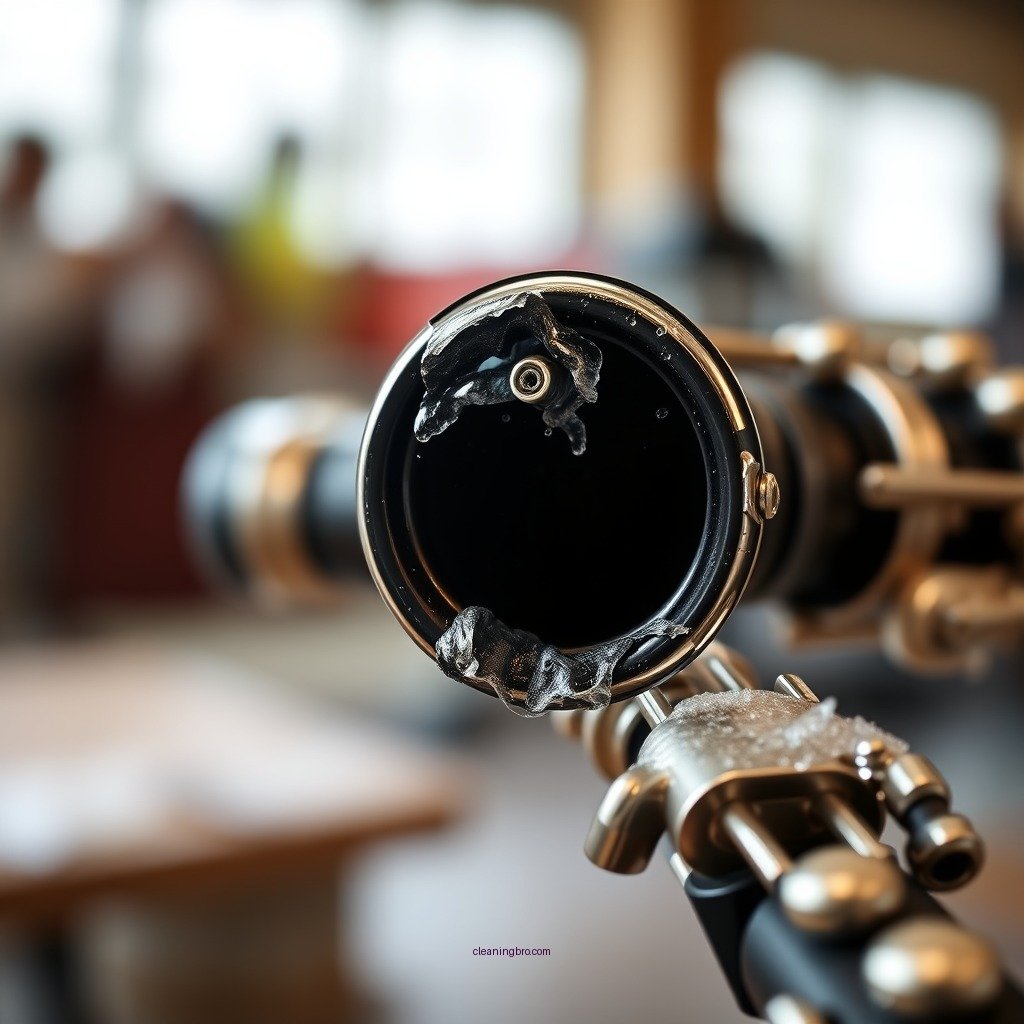
Cleaning your clarinet mouthpiece is not just a matter of personal hygiene; it significantly impacts the quality of sound produced by your instrument. Over time, saliva and moisture can accumulate in the mouthpiece, leading to the growth of bacteria and mold. These contaminants can cause health issues and negatively affect your playing. Proper cleaning helps prevent the buildup of bacteria and mold, ensuring that you maintain a healthy playing environment.
In addition to hygiene, a clean mouthpiece improves sound quality and overall instrument performance. Impurities can alter the acoustics of the mouthpiece, leading to a dull or muffled sound. Regular cleaning ensures that your mouthpiece remains in optimal condition, allowing for a clear and vibrant tone. This is particularly important for professional musicians who rely on their instruments to deliver consistent performances.
Materials Needed for Cleaning


Before you start the cleaning process, gather the following materials:
– Mild soap or dish detergent: Look for a gentle soap that will effectively clean without damaging the surface of the mouthpiece.
– Warm water: Ensure the water is not too hot, as excessive heat can warp certain materials used in mouthpieces.
– A soft cloth or microfiber towel: This will be used for drying and polishing the mouthpiece after cleaning.
– A mouthpiece brush (optional): If your mouthpiece has intricate designs or hard-to-reach areas, a brush can help ensure thorough cleaning.
These materials are easy to obtain and are crucial for maintaining the hygiene and performance of your clarinet mouthpiece.
Step-by-Step Cleaning Process
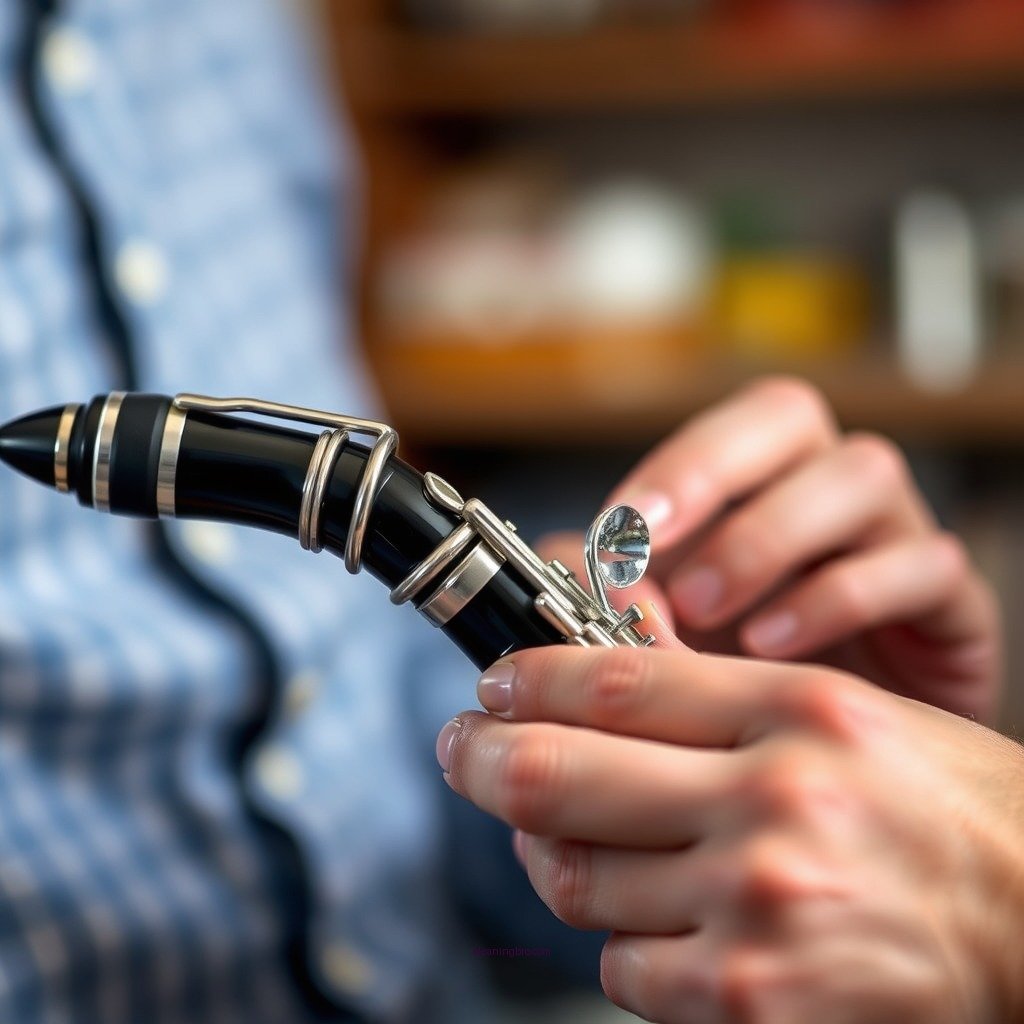
1. Disassemble your clarinet and remove the mouthpiece carefully: Start by detaching the mouthpiece from the clarinet, ensuring that you do not damage any parts during the process.
2. Soak the mouthpiece in warm, soapy water for 5-10 minutes: Fill a bowl with warm water and add a few drops of mild soap. Place the mouthpiece in the soapy water, allowing it to soak. This step helps loosen any residue accumulated inside and outside the mouthpiece.
3. Use a mouthpiece brush or a soft cloth to gently scrub the inside and outside: After soaking, take a mouthpiece brush or a soft cloth and gently scrub the mouthpiece. Pay special attention to the inside, where bacteria can thrive. Be careful not to apply too much pressure, especially if the mouthpiece is made of delicate materials.
Rinsing and Drying
– Rinse the mouthpiece thoroughly under warm running water to remove soap residue: After scrubbing, it is crucial to rinse the mouthpiece thoroughly. Any soap residue can impact the taste and overall hygiene of your mouthpiece, so make sure to use warm water for this step.
– Dry the mouthpiece with a soft cloth, ensuring no water is left inside to prevent mold: Once rinsed, gently dry the mouthpiece with a soft cloth. Ensure that no moisture remains inside, as this can lead to mold growth over time.
Regular Maintenance Tips
To keep your clarinet mouthpiece in the best condition, consider the following maintenance tips:
– Clean your mouthpiece after every use to maintain hygiene: Developing a routine to clean your mouthpiece after each session will help prevent the buildup of bacteria and mold. This is a simple yet effective way to ensure your instrument stays in top shape.
– Inspect for any signs of wear or damage during cleaning: Regular cleaning sessions provide an excellent opportunity to check for any cracks, chips, or other damage. If you notice any issues, consider replacing the mouthpiece to maintain optimal sound quality.
Storing Your Mouthpiece Properly
Proper storage of your mouthpiece is essential for long-term maintenance.
– Store the mouthpiece in a clean, dry case to protect it from dust and damage: After cleaning and drying, place the mouthpiece in a protective case. This will help keep it free from dust and dirt.
– Consider using a mouthpiece cap to keep it safe when not in use: A mouthpiece cap can provide an additional layer of protection, preventing any accidental damage while stored.
Top 7 Mouthpiece Cleaning Techniques and Their Benefits
| # | Technique | Benefit | Frequency |
|---|---|---|---|
| 1 | Soaking | Loosens residue | After each use |
| 2 | Scrubbing | Removes bacteria | Weekly |
| 3 | Rinsing | Eliminates soap | After every cleaning |
| 4 | Drying | Prevents mold | After rinsing |
| 5 | Inspecting | Identifies damage | Monthly |
| 6 | Storage | Protects from dust | After each use |
| 7 | Cap use | Prevents damage | Whenever stored |
Mouthpiece Brushes vs. Soaking vs. Rinsing: Which Technique is Best?
| Feature | ⭐ Mouthpiece Brush | Soaking | Rinsing |
|---|---|---|---|
| Effectiveness | ✅ Excellent | ✅ Good | ✅ Fair |
| Time Required | Quick | Moderate | Long |
| Hygiene Improvement | ✅ Best | ✅ Good | ✅ Fair |
| Ease of Use | ✅ Simple | ✅ Moderate | ✅ Complicated |
| Cost | Low | Moderate | Free |
| Availability | Widely available | Widely available | N/A |
| Effect on Sound Quality | ✅ Excellent | ✅ Good | ✅ Fair |
| Recommended Frequency | After each use | Weekly | Occasional |
| 🏆 Best For | Detailed cleaning | Quick maintenance | Basic hygiene |
Regularly cleaning your clarinet mouthpiece is essential for both hygiene and performance. By following these steps, you can keep your mouthpiece in top shape and enjoy better sound quality. Remember to incorporate this routine into your practice sessions for the best results. Whether you are a beginner or a seasoned player, maintaining a clean mouthpiece will enhance your overall playing experience and ensure longevity for your instrument.
Frequently Asked Questions
How do you properly clean a clarinet mouthpiece?
To clean a clarinet mouthpiece, first remove it from the instrument and rinse it under warm water to remove debris. Use a soft cloth or a mouthpiece brush with mild soap to gently scrub the inside and outside, ensuring you avoid abrasive materials that could scratch the surface. Rinse thoroughly and let it air dry completely before reattaching it to your clarinet.
What is the best way to disinfect a clarinet mouthpiece?
The best way to disinfect a clarinet mouthpiece is to soak it in a solution of warm water and mild dish soap, followed by a rinse with a mixture of water and white vinegar or rubbing alcohol. This method effectively kills bacteria and removes any residue without damaging the mouthpiece material. Always ensure the mouthpiece is rinsed well and dried completely after disinfection.
Why is it important to clean your clarinet mouthpiece regularly?
Cleaning your clarinet mouthpiece regularly is crucial to maintain hygiene and ensure optimal sound quality. Bacteria and residue can accumulate, affecting your health and the mouthpiece’s performance. Regular cleaning prevents buildup that can lead to unpleasant odors and compromised tonal quality during play.
Which tools are best for cleaning a clarinet mouthpiece?
The best tools for cleaning a clarinet mouthpiece include a mouthpiece brush, a soft cloth, and a cleaning solution like mild soap or a vinegar-water mix. A mouthpiece brush helps reach areas that are difficult to clean, while a soft cloth can be used for polishing the exterior. These tools ensure effective cleaning without damaging the mouthpiece.
How often should you clean your clarinet mouthpiece?
You should clean your clarinet mouthpiece after every use to prevent moisture buildup and bacteria growth. Additionally, a more thorough cleaning should be performed weekly or whenever you notice a change in taste or smell. Regular maintenance not only promotes better hygiene but also enhances your clarinet’s overall performance.
References
- Clarinet
https://en.wikipedia.org/wiki/Clarinet - https://www.uwm.edu/singingsociety/cleaning-brass-and-woodwind-instruments/
https://www.uwm.edu/singingsociety/cleaning-brass-and-woodwind-instruments/ - Shop Band & Orchestra Instruments from Woodwind & Brasswind | Music & Arts
https://www.wwbw.com/brands/cleaning-your-clarinet - https://www.ncbi.nlm.nih.gov/pmc/articles/PMC6740382/
https://www.ncbi.nlm.nih.gov/pmc/articles/PMC6740382/ - Google Scholar Google Scholar
https://scholar.google.com/scholar?q=cleaning+a+clarinet+mouthpiece - https://www.oberlin.edu/conservatory/woodwinds/clarinet-care
https://www.oberlin.edu/conservatory/woodwinds/clarinet-care - https://www.sciencedirect.com/topics/engineering/clarinet
https://www.sciencedirect.com/topics/engineering/clarinet - Google Scholar Google Scholar
https://scholar.google.com/scholar?q=clarinet+mouthpiece+maintenance - Google Scholar Google Scholar
https://scholar.google.com/scholar?q=how+do+you+clean+a+clarinet+mouthpiece - how do you clean a clarinet mouthpiece – Search results
https://en.wikipedia.org/wiki/Special:Search?search=how+do+you+clean+a+clarinet+mouthpiece
