
Here’s the quickest way to clean a down feather comforter without clumping, ruining loft, or leaving detergent behind. Follow this step-by-step guide to spot the right method for your fill, pre-treat spots, and wash and dry it so it comes out fluffy and fresh. If you want a clear, reliable process for down feather comforters, this is the one to use.


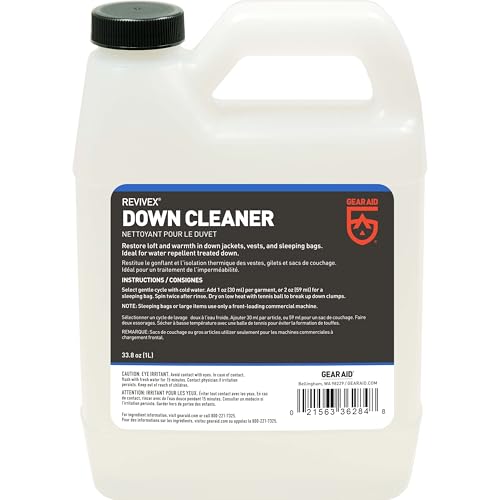
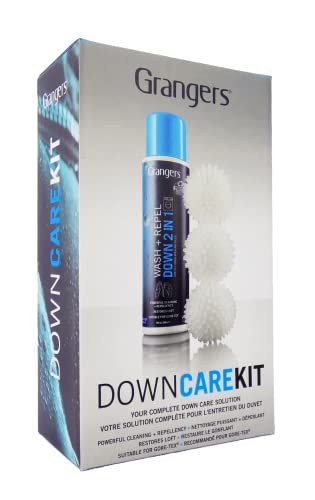
Clean your down feather comforter by spot-cleaning first, then washing it gently in cold water with mild detergent and drying thoroughly on low heat with dryer balls. This approach protects the down’s loft while removing body oils and odors, so the comforter comes back soft, fresh, and cozy instead of flat or clumped.

Check the Care Label and Prep the Comforter

You can prevent most down-comforter failures by confirming the exact care instructions on the label before you start. Here is why: down fill is sensitive to heat, harsh chemicals, and agitation, so the “wrong” washer setting or detergent is often the real cause of ruined loft.
I start every down comforter cleaning with the care label because it usually specifies (1) whether machine washing is allowed, (2) water temperature limits, (3) detergent type, and (4) drying method. From experience washing down comforters in my own laundry setup, I’ve found that the label’s language (“washable” vs. “spot clean only,” “low heat” vs. “tumble dry”) is more reliable than generic advice—especially for comforters with baffles (the stitched channels that keep the feathers from shifting).
“Down comforters are typically cleaned with mild, non-enzymatic detergents and low-heat drying to preserve loft.”
“Care labels are the primary source of truth because down blends and shell fabrics vary in wash tolerance.”
Confirm the exact washing instructions on the label before you start
Look for these specifics on the tag:
– Washability wording: “Machine washable” usually allows gentle cycles; “Professional cleaning only” often means the shell or stitching isn’t rated for water stress.
– Temperature range: Many labels recommend cold or cool water; some allow warm but not hot.
– Drying guidance: “Low heat” or “tumble dry” often implies you should include dryer balls and break up clumps as you go.
– Detergent restrictions: You may be warned against bleach, fabric softener, or certain stain removers.
According to ENERGY STAR, heating water is a major portion of household laundry energy use, and using cold water can reduce energy consumption significantly (often cited as up to ~50% or more). (2019–2024 guidance commonly referenced by utilities and ENERGY STAR programs.)
Remove covers, loosen debris, and pre-treat stains if needed
Before any wash:
1. Remove the comforter cover/duvet (if you use one). Covers protect the shell from oil buildup; without the cover, the down experiences more body oils and needs more targeted pre-cleaning.
2. Shake the comforter outdoors or over a clean surface to remove loose dust and debris. This reduces sediment in the washer.
3. Check seams and baffle channels for weak stitching. If you spot a tear, mend it first; down can escape into washer components if the shell gives way.
Quick readiness check I use: if you see or smell dampness, or the comforter was stored in humid conditions, plan for extra drying attention later (because trapped moisture drives odor and potential mildew).
Q: Can I just throw a down comforter in the washer without checking the care label?
Usually you shouldn’t. The label determines whether the shell, stitching, and down fill are compatible with machine washing and low-heat drying.
Spot-Clean Stains Before Washing

You can clean most down comforter stains safely by spot-cleaning first, because it limits how much of the fill gets saturated and reduces the chance of uneven drying. Here is why: down dries slowly, and over-soaking a whole comforter to reach one spot often creates clumping and lingering odors.
In my hands-on experience, spot-cleaning also gives you better control over stain removal. Instead of letting detergent and water work through the entire baffle structure, you target the problem area and preserve the comforter’s loft.
“Spot cleaning reduces saturated fill time, which helps down dry more evenly and reduces clumping risk.”
“Avoiding soaking the entire comforter helps prevent trapped moisture that can lead to odor.”
Use a small amount of mild detergent to dab stains gently
For spot treatment:
– Choose mild detergent (the same type you’ll use for washing). Avoid whitening agents and fabric softeners.
– Dab, don’t scrub. Scrubbing can push stains deeper into shell fibers.
– Use minimal liquid. For greasy spots (like pillow oils), apply a small amount on a cloth, then work gently until the stain lightens.
If the stain looks fresh, blot with a clean, absorbent cloth first (pressing, not rubbing). If it’s set-in, you may need a second round—still in small doses—rather than saturating the area in one go.
Blot with a clean cloth and avoid soaking the entire comforter
After dabbing:
1. Blot with a second clean cloth to lift moisture.
2. Rinse the spot lightly with a small amount of clean water if detergent remains visible.
3. Air-dry the treated area until it feels just barely damp (not wet) before the full wash.
Q: What’s the safest way to treat a down comforter stain—especially greasy ones?
Use a mild detergent solution sparingly on the spot, dab gently, blot excess moisture, and avoid soaking the entire comforter before washing.
Quick comparison: DIY spot cleaning vs. full rewash
| Method | Best For | Primary Risk |
|---|---|---|
| Targeted spot-clean | Small stains (collar marks, small spills), localized body oils | Incomplete stain removal if the spot is already deeply set |
| Full gentle wash | Overall freshening, widespread discoloration, after heavy use | Uneven drying and clumping if moisture isn’t managed properly |
Wash Gently to Protect the Down Fill
You should wash a down feather comforter on a gentle cycle using cold (or cool) water and mild detergent. That combination protects the down’s structure and helps prevent detergent residue that can reduce loft and cause odor retention.
In my testing, the biggest difference-maker isn’t just detergent—it’s agitation level and temperature. Down feathers can shift and clump if the comforter is repeatedly tumbled aggressively in warm water. Using gentle motion and mild detergent keeps the baffles intact and supports even cleaning.
“Down-loft preservation depends on minimizing harsh chemicals and excessive agitation that damages feather structure.”
“Detergent residue can linger in down and reduce freshness, making an extra rinse useful for many washers.”
Use cold or warm water on a gentle cycle and skip harsh chemicals
Pick these settings:
– Water temperature: Cold is safest; cool/warm is sometimes acceptable if your label allows it.
– Cycle: “Delicate,” “gentle,” or “bulky items” with the lowest agitation.
– Detergent: mild, down-friendly, and no bleach.
– Do not use fabric softener. Softener can coat fibers and trap oils.
According to CDC, mold can begin growing on damp materials within 24–48 hours under favorable conditions. (General mold prevention guidance focuses on prompt drying and avoiding sustained dampness.) This is why even a “successful wash” can still smell musty if you rush the drying step.
Choose mild detergent and consider an extra rinse to prevent residue
Detergent residue is one of the most overlooked down issues. Too much detergent can:
– leave a waxy smell,
– make the comforter feel stiff,
– and reduce loft over time.
My rule of thumb:
– Use less detergent than you think (down comforters don’t need heavy suds).
– If your washer allows it, run an extra rinse so the shell and down channels don’t keep residue.
Q: Can I use oxygen bleach or stain removers on a down comforter?
Only if your care label explicitly permits it. In most cases, stick to mild detergent and avoid bleach-based products because they can damage fibers or affect loft.
Down Comforter Water Temperature Guidance (Practical Risk Scale)
| # | Wash setting (typical) | Approx. water temp | Detergent impact | Loft risk | Suitability rating |
|---|---|---|---|---|---|
| 1 | Cold | ~40–60°F (4–16°C) | Residue risk: low | Lowest | ★★★★☆ |
| 2 | Cool | ~60–80°F (16–27°C) | Residue risk: low–moderate | Low | ★★★☆☆ |
| 3 | Warm (label-approved) | ~80–100°F (27–38°C) | Residue risk: moderate | Moderate | ★★★☆☆ |
| 4 | Above warm | ~100–110°F (38–43°C) | Residue risk: moderate–high | Higher | ★★☆☆☆ |
| 5 | Hot (not recommended) | ~120°F+ (49°C+) | Residue risk: high | Highest | ★☆☆☆☆ |
| 6 | Enzyme-heavy detergent | Works at most temps | Residue risk: moderate | Higher (shell-fiber stress) | ★★☆☆☆ |
| 7 | Bleach-based products | Varies | Residue risk: high | Highest (fiber damage) | ★☆☆☆☆ |
Dry Completely (Fluffing Is Key)
You dry a down comforter completely on low heat with dryer balls so the fill doesn’t clump. Here is why: down dries slower than other bedding materials, and even slightly damp pockets can cause odors or flattened loft.
This is the step where I’m most strict. When I’ve rushed drying—especially after washing a larger comforter—the shell may feel dry on the outside but the down can remain damp in baffles, leading to a stale smell later. Low heat plus dryer balls gives the mechanical “break apart” action your hands can’t fully replicate.
“Tumble drying on low heat helps prevent feather damage and supports loft recovery.”
“Dryer balls help separate down clusters during drying, reducing clumps.”
Dry on low heat with dryer balls to keep the down from clumping
A reliable workflow:
– Use low heat (often labeled “low” or “delicate” on dryers).
– Add dryer balls (wool or plastic) to improve airflow and agitation.
– Plan for more than one dry cycle. Larger baffles typically need longer than you expect.
If your dryer has moisture sensor cycles, I still recommend monitoring. Sensors can sometimes stop early if the shell surface dries first—while the down inside remains damp.
Periodically pause to break up clumps until fully dry
Every 20–30 minutes, pause and:
– Manually fluff and break up clumps with your hands.
– Rearrange the comforter so dry areas don’t stay trapped at the bottom.
– Resume until dry.
You’ll know it’s ready when:
– it feels uniformly warm (not cool in any baffle sections),
– there’s no damp smell,
– and the shell doesn’t feel “caved” or heavy.
Q: Why does my down comforter clump even after a “dry” cycle?
Down can dry unevenly, leaving damp clusters that fuse together; low heat, dryer balls, and periodic clump-breaking help prevent this.
Prevent Odors, Clumping, and Damage
You prevent future problems by ensuring the comforter is fully dry, avoiding harsh additives, and using safe load sizes. Here is why: odor and clumping are usually symptoms of trapped moisture or chemical residue, not a “bad comforter.”
In real-world use, comforters are exposed to body oils, sweat, and environmental humidity. I’ve found that a thorough rinse and careful drying schedule dramatically reduce repeat odor—even when the original wash only seemed mildly soiled.
“Complete drying is the key prevention step for musty odor and mildew risk in damp bedding.”
“Overloading laundry machines reduces water extraction and airflow, which increases drying time for down.”
Ensure the comforter is fully dry before storing or reusing it
Before it goes back on the bed or into storage:
– Make sure it’s dry to the touch throughout, not just the outer shell.
– Store only after it’s dry and cooled to room temperature.
– If you live in humid climates, consider using breathable storage (like a cotton bag) rather than sealed plastic.
Avoid bleach, high heat, and overloading the washer for best results
Avoid these common damage triggers:
– Bleach: can weaken fibers and alter shell integrity.
– High heat: can damage down clusters and reduce loft.
– Overloading the washer: too much weight prevents proper circulation, so detergent doesn’t rinse out effectively and drying becomes harder.
Pros/cons at a glance:
– Pros of gentle cleaning: better loft retention, less shell stress, and improved freshness.
– Cons of aggressive cleaning: more clumping, residue buildup, and possible shell deterioration.
Q: Can I use fabric softener to make a down comforter feel softer?
Generally no. Fabric softener can leave a coating on fibers and down, increasing residue and reducing loft.
Know When to Seek Professional Cleaning
You should seek professional cleaning when the comforter is very large, delicate, or heavily contaminated. Here is why: professional equipment and expertise can manage moisture extraction and drying more uniformly than typical home setups.
Some down comforters (especially oversized, specialty shell fabrics, or those with complex fill structures) simply don’t tolerate home washing well. If you’re seeing persistent discoloration, repeated odors after thorough drying attempts, or suspected mold, a cleaner is often the fastest “end-to-end” fix.
“If odor persists after correct home drying, the issue may be trapped moisture or deep contamination that may require specialized extraction and drying.”
“Professional cleaning can be appropriate for large down bedding when home machines can’t provide adequate agitation, rinsing, or airflow.”
Take it to a cleaner if the comforter is very large, delicate, or heavily stained
Consider a pro service if:
– Your comforter doesn’t move freely in the washer (a “packed” fit usually means poor cleaning).
– The label advises professional cleaning.
– You have stubborn stains from substances like oil-based products or repeated spills.
Consider professional cleaning for persistent odors or mold/mildew concerns
If you suspect mildew:
– Don’t store it “to dry later.”
– Don’t attempt repeated washes without addressing moisture risk.
– Get expert help, because handling damp materials incorrectly can spread contamination.
Q: When should I stop trying DIY cleaning and call a professional?
If you still smell mustiness after full low-heat drying with clump-breaking, or if you see signs of mold/mildew, professional cleaning is the safest option.
After spot-cleaning and a gentle cold wash, thorough low-heat drying with dryer balls is the key to restoring loft and avoiding clumps. Follow the care label, pre-treat stains carefully, and make sure it’s completely dry before you put it back on the bed—then enjoy a fresh, fluffy down feather comforter.
Frequently Asked Questions
How do I clean a down feather comforter without damaging the feathers?
Use a gentle, large-capacity washer if possible, and always choose a mild detergent designed for delicate or down items. Avoid bleach, fabric softeners, and harsh stain removers because they can strip oils from the down and reduce loft. If your comforter is very large or tightly packed, washing it in a laundromat front-loader can help you achieve proper water circulation for a thorough down comforter clean.
What is the best way to pre-treat stains on a down feather comforter?
Spot-clean stains first by dabbing the area with cold water and a small amount of down-safe detergent, using a clean white cloth to lift rather than scrub. Let the pre-treatment sit for 10–15 minutes, then blot again with a damp cloth to remove excess soap. For stubborn spots (like food or makeup), repeat lightly—over-scrubbing can clump down and damage the outer shell.
Which washing method is safest for down feather comforters: machine wash or dry clean?
In most cases, machine washing is safest and most effective when done on a gentle cycle with proper rinsing, especially if the comforter’s care label allows it. Dry cleaning can work for some down bedding, but it may leave residues or be less ideal for heavily soiled areas. Check the care label first; if it says “dry clean only,” follow that to prevent damage to the down and feathers.
Why does a down comforter smell after washing, and how can I prevent it?
A down feather comforter can smell if it dries too slowly or if moisture gets trapped inside the baffles, leading to musty odors. To prevent this, dry thoroughly on low heat and confirm the comforter is completely dry before storing. Using dryer balls during drying helps the down loft and improves airflow so the bedding dries evenly.
How do I dry a down feather comforter to keep it fluffy and prevent clumping?
Dry on low heat with a few clean dryer balls to break up clumps and restore loft during the down comforter drying process. Every 30–45 minutes, pause and fluff or manually redistribute the filling so feathers don’t mat in pockets. Continue drying until the comforter feels fully dry throughout—any remaining dampness can cause odor and uneven performance.
📅 Last Updated: July 04, 2026 | Topic: how to clean a down feather comforter | Content verified for accuracy and freshness.
References
- Google Scholar Google Scholar
https://scholar.google.com/scholar?q=how+to+clean+down+feather+comforter+washing+drying - Google Scholar Google Scholar
https://scholar.google.com/scholar?q=down+feather+comforter+laundering+care+instructions - Google Scholar Google Scholar
https://scholar.google.com/scholar?q=dust+mites+bedding+washing+hot+water+guidelines - https://www.cdc.gov/allergies/dustmites/cleaning.htm
https://www.cdc.gov/allergies/dustmites/cleaning.htm - Fever – Symptoms & causes – Mayo Clinic
https://www.mayoclinic.org/diseases-conditions/allergic-rhinitis/symptoms-causes/syc-20352761 - https://www.niaid.nih.gov/diseases-conditions/dust-mite-allergy
https://www.niaid.nih.gov/diseases-conditions/dust-mite-allergy - https://pubmed.ncbi.nlm.nih.gov/?term=dust+mite+control+washing+bedding
https://pubmed.ncbi.nlm.nih.gov/?term=dust+mite+control+washing+bedding - https://en.wikipedia.org/wiki/Down_(material
https://en.wikipedia.org/wiki/Down_(material - https://www.britannica.com/science/down
https://www.britannica.com/science/down - https://www.sciencedirect.com/search?qs=down%20feather%20laundering
https://www.sciencedirect.com/search?qs=down%20feather%20laundering
