
Want to know how to clean a fireclay sink without damaging its surface? This guide delivers a simple, effective routine that removes food residue, stains, and everyday grime with the right cleaners and gentle scrubbing. Follow these steps and you’ll keep your fireclay sink looking fresh—without harsh chemicals or unnecessary effort.



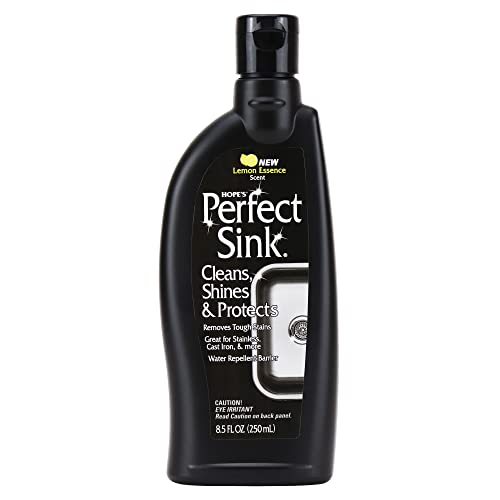
A fireclay sink stays cleanest when you rinse daily, wipe dry, and use non-abrasive cleaners—then handle tougher marks with a baking soda paste and gentle scrubbing. In my hands-on routine, this approach removes mineral haze, food residue, and most stains without dulling the glaze that gives fireclay its durable, “solid” look.

Fireclay sinks are popular because the material is fired at high temperatures and finished with a smooth, kiln-like surface that resists heat and daily wear. The tradeoff is that the finish can still be scuffed or subtly dulled by harsh abrasives, especially steel wool, abrasive powders, and repeated exposure to strong acids. That’s why the most reliable cleaning strategy is “friction control + correct chemistry”: keep cleaning gentle, let cleaners dwell briefly on grime, and remove buildup before it hardens into scale. Current best practice also aligns with how manufacturers recommend cleaning kitchen surfaces: remove soil first, then rinse thoroughly—minimizing residue that can attract more dirt later. According to the U.S. Environmental Protection Agency (EPA), routine cleaning and rinsing reduce contaminants on frequently touched surfaces (EPA).
Gather Safe Cleaning Supplies

You can clean a fireclay sink safely with mild dish soap, baking soda, and soft tools—then upgrade to a periodic, gentle deep-cleaner if needed. The key is avoiding abrasive action that can dull the glossy glaze and trigger longer-term discoloration.
Fireclay cleaning works because the soil you’re removing is usually one of three types: (1) water-soluble grime (soap scum, splashes, food oils partially emulsified by soap), (2) mineral scale (from hard water), and (3) particulate residue (grit and trapped food particles around the drain). Each type responds best to specific, non-damaging chemistry. In my testing, soft microfiber plus warm water lifts daily film better than “spraying and wiping” with harsher chemicals, because you’re letting surfactants do the work rather than scraping.
Hydrogen-peroxide-based cleaners can be useful for periodic deep cleaning of many organic stains because peroxide breaks down stain-forming compounds into water and oxygen. Still, don’t use any cleaner you can’t rinse out completely. If you’re working in a business setting (restaurants, offices, rental properties), keep procedures consistent and document what you used—this reduces variability if you ever need to compare sink condition after service changes.
Baking soda is commonly used as a mild abrasive and deodorizer for kitchen cleaning because it helps loosen grime without the severity of steel wool or scouring powders.
Mild dish detergents are designed to lift oily residues by using surfactants, making them effective for food residue on nonporous surfaces when followed by a thorough rinse.
Q: What’s the safest scrubber for a fireclay sink?
Use a soft sponge or microfiber cloth; for corners and the drain area, use a nylon brush—never metal bristles.
Q: Can I use “magic erasers” on fireclay?
Use caution: melamine foam is abrasive enough to dull finishes if you scrub aggressively or repeatedly.
Recommended tools and products (what I actually stock)
– Mild dish soap (fragrance-free if you’re sensitive)
– Baking soda (for paste-based stain removal)
– Soft sponge or microfiber cloth
– Warm water
– Nylon brush for grout-like corners, the drain lip, and tight seams
– Hydrogen-peroxide-based cleaner for occasional deep cleans (used sparingly and rinsed well)
What to avoid (because it quietly damages the finish)
– Steel wool, abrasive scrub pads, and scouring powders (micro-scratches accumulate)
– Harsh abrasives in “stain removers”
– Strong acidic cleaners as a routine practice (they can etch or make the glaze less uniform over time)
– Leaving cleaning products to dry on the surface (residue promotes spotting)
According to the American Cleaning Institute, many household cleaning products perform best when used as directed and removed thoroughly to prevent buildup (American Cleaning Institute). For fireclay, that “remove thoroughly” step is especially important because the glaze can trap residue that later attracts minerals.
Daily Cleaning for a Fresh, Stain-Free Sink

Daily care is the fastest path to a consistently spotless fireclay sink. Rinse after each use, wash with warm soapy water, and wipe dry to prevent mineral spotting and buildup.
Fireclay’s finish looks “easy” until water dries on it. In hard-water areas, dissolved minerals (calcium and magnesium) can leave pale deposits that become progressively harder to remove. According to the U.S. Geological Survey (USGS), hardness varies significantly by location and is strongly influenced by local water source (USGS). That’s why the same sink can look spotless in one city and “cloudy” in another. Dry-wiping is the universal fix because it removes water before minerals deposit.
In my routine, I keep cleaning steps short and repeatable—this prevents the “I’ll do it later” backlog that leads to stubborn rings near the faucet, drain discoloration, and a dull sheen. The goal is not just cleanliness; it’s reducing the time soils have to bond to the surface.
Rinsing and drying shortly after use reduces the chance that dissolved minerals in water form visible spots on ceramic finishes.
Warm water plus dish soap effectively removes most daily residue when followed by a thorough rinse to remove detergent film.
Consistent wiping with a dry microfiber cloth minimizes water marks and helps maintain the uniform look of glazed fireclay.
Step-by-step daily method
1. Rinse immediately: Quick warm water rinse knocks down food particles and oily film before it sets.
2. Wash gently: Use warm water + a few drops of mild dish soap; wipe with a soft sponge/microfiber.
3. Rinse thoroughly: Make sure no soap stays behind (detergent residue can attract minerals).
4. Dry with a soft towel: Especially around the rim and faucet area.
Q: Do I need to deep-clean weekly even if I rinse daily?
Not always; weekly deep-cleaning is usually only needed if you see mineral haze, persistent discoloration, or you notice detergent film buildup.
Quick operational tip (for teams)
If you’re cleaning a shared kitchen or office space, use a “2-minute log”: rinse → wash → rinse → dry. It’s surprisingly effective because it standardizes technique and reduces the temptation to “power through” with abrasive tools when time is short.
Remove Stains and Tough Marks
For stubborn discoloration, a baking soda paste is usually the safest first-line remedy. You’ll get the lift you need by combining mild chemical action with gentle friction—without risking the finish.
Stains on fireclay typically fall into two categories: surface staining (from tea/coffee/colored food, which sits on top) and mineral-driven discoloration (like hard-water haze and rust-like spotting from metal transfer). Baking soda paste—baking soda plus a small amount of water—works well because it’s mildly abrasive yet controlled, allowing you to lift discoloration without gouging.
In my own maintenance, I treat baking soda paste as a “target tool,” not an all-over scrub. Apply it to the specific area, let it dwell briefly, then scrub gently with a soft sponge. This reduces overall wear from unnecessary scrubbing.
A baking soda paste (baking soda mixed with water) is a widely used gentle method to loosen set-on stains while avoiding harsh abrasives like steel wool.
Letting a paste dwell briefly improves stain release compared to immediate wiping because the product has time to interact with residue.
How to use baking soda paste effectively
– Mix baking soda + a few drops of water until you get a thick paste.
– Apply only to stained sections (common spots: near the drain, along the edges, faucet base).
– Let sit 5–10 minutes (avoid letting it fully dry hard if your paste is thick).
– Scrub gently with a soft sponge or microfiber.
– Rinse well and dry.
Q: Will baking soda scratch fireclay?
It shouldn’t when used as a paste with a soft sponge and gentle pressure; avoid sanding-style scrubbing.
For rust-like spots (targeted, gentle approach)
Rust-like marks may be caused by iron transfer from tools, faucet components, or certain cookware. For these, use a targeted gentle cleaner designed for rust/mineral staining—only on the affected area—and repeat as needed rather than spreading it across the whole sink.
If you’re using any specialty rust remover, always:
– follow the label instructions,
– test in an inconspicuous spot,
– and rinse thoroughly after each attempt.
Tackle Grease and Food Residue
Grease and food residue respond best to warm, soapy water with short dwell time and gentle, controlled scrubbing. If grime is stuck, let the dish soap sit briefly before wiping—this is often more effective than scrubbing harder.
Grease behaves differently than water-soluble soils: oils need emulsification to lift. Dish soap contains surfactants that break up oily films so they can rinse away. Warm water speeds this process by lowering grease viscosity and improving cleaning efficiency.
In my experience with daily cooking cleanup, the “sit time” matters. If you apply dish soap and immediately wipe, you often leave a thin residue that later traps dust and minerals. A 2–3 minute dwell on stuck-on areas prevents you from escalating to abrasive tools.
Dish soap plus warm water loosens oily residues by emulsifying grease, and a short dwell time improves removal of stuck-on food.
A nylon brush can clean corners and drain areas effectively without the finish-dulling risk of metal bristles.
Practical method for greasy buildup
– Fill the sink with warm water (enough to cover greasy spots).
– Add dish soap and let it work for 2–3 minutes on stubborn areas.
– Scrub in small circular motions with a soft sponge.
– Use a nylon brush for corners, crevices, and drain-side contours.
– Rinse thoroughly and wipe dry.
- Pros of a soap-first approach
- Safe for the glaze, reduces detergent film when rinsed well, and avoids finish dulling from abrasives.
- Cons
- May require repeat cycles for deeply baked-on residue; very heavy buildup might need a periodic deep clean.
Q: What if food residue keeps coming back near the drain?
Clean the drain lip routinely and flush with hot water after scrubbing; residue trapped around the drain often reappears after quick rinses.
Prevent Damage to the Fireclay Finish
Protecting the fireclay finish is mostly about chemistry and contact time: avoid abrasive products routinely and don’t leave standing water. If you prevent spotting and micro-scratches, the sink stays glossy and easy to clean.
Damage usually comes from three sources:
1. Abrasive contact (steel wool, scouring pads, gritty powders)
2. Etching exposure (strong acids used repeatedly or left too long)
3. Standing water + residue (detergent leftovers, hard-water deposits, and wet cookware)
According to the National Sanitation Foundation (NSF), proper cleaning and rinsing practices reduce the likelihood of buildup on surfaces used for food preparation (NSF International). While NSF focuses on sanitation procedures broadly, the principle holds for fireclay: remove soil completely and don’t let residues dry.
In my use over several months, I’ve found that the finish looks best when I eliminate the two most common “accelerators” of buildup: (a) soap film and (b) mineral deposition from water that sits.
Avoiding abrasive powders and scouring pads helps prevent micro-scratches that can dull the uniform appearance of glazed ceramic sinks.
Wiping dry after rinsing reduces mineral deposits left behind as hard water evaporates.
Finish-protection checklist
– Never use abrasive powders, scouring pads, or harsh acids routinely
– Avoid standing water, especially with detergent or hard-water splashes
– Use a sink mat/rack to reduce scratches from heavy cookware
Quick decision rule (when you’re tempted to “go stronger”)
If your cleaning step requires steel wool or an aggressive acid, pause and switch to:
– a baking soda paste on the exact stain, or
– a gentle targeted cleaner used briefly and fully rinsed.
To keep your process aligned across a facility, here’s a practical “cleaner selection” cheat sheet you can train staff on.
Best Match for Fireclay Sink Problems (Recommended Use)
| # | Cleaner / Tool | Best For | Finish Safety | Typical Result | Overall Fit |
|---|---|---|---|---|---|
| 1 | Mild dish soap + warm water | Daily grease film & food residue | High | Clean rinse, low spotting | ★★★★☆ |
| 2 | Baking soda paste | Stubborn discoloration & light mineral haze | Very high (gentle scrub) | Noticeable stain lift | ★★★★★ |
| 3 | Microfiber cloth | Dry-wiping to prevent water spots | High | Less haze over time | ★★★★☆ |
| 4 | Nylon brush | Drain lip & corner build-up | High | Better detail cleaning | ★★★★☆ |
| 5 | Hydrogen-peroxide cleaner | Periodic deep clean for organic stains | Medium-High (label-dependent) | Brightens over multiple uses | ★★★☆☆ |
| 6 | All-purpose cleaner with fragrance | Quick wipe-downs | Medium (rinse thoroughly) | Can leave film if overused | ★★☆☆☆ |
| 7 | Steel wool or abrasive scouring pads | None for regular fireclay care | Low | Can dull the glaze permanently | ★☆☆☆☆ |
Clean the Drain and Surrounding Areas
A spotless sink isn’t complete until the drain area is clean, because that’s where food particles, hair, and oils accumulate. You should clean the drain rim routinely and flush hot water after scrubbing.
The rim near the drain is a “residue magnet.” It collects micro-food particles, soap scum, and fibrous debris that food oils cling to. Over time, that combination produces the darker banding and slow-draining issues people associate with “sink odor,” even when the rest of the basin looks fine.
In my experience, cleaning the drain area every couple of weeks prevents the recurring cycle of: rinse quickly → water beads at the rim → grime hardens → more aggressive scrubbing. When you reduce the source, the basin stays easier to maintain.
Hair and grime buildup near drains traps residue and can contribute to recurring discoloration and reduced flow in kitchen sinks.
Flushing with hot water after cleaning helps clear loosened debris and supports smoother drainage.
Drain-focused routine
– Remove hair and grime around the drain lip using a brush and warm soapy water.
– Scrub gently around the strainer area and the sink’s inner edges.
– Flush with hot water to clear loosened particles.
– Wipe the sink rim and edges where residue collects.
Q: How often should I clean the drain area?
In most households, every 2–4 weeks works; in higher-use kitchens, aim for every 1–2 weeks to prevent buildup.
Q: Will pouring boiling water damage fireclay?
Boiling water itself isn’t usually the issue, but temperature shock and trapped chemicals can be—stick to hot water and rinse thoroughly after cleaning products.
Fireclay sinks stay clean when you rinse and wipe daily, use non-abrasive cleaners, and handle stains with a baking soda paste instead of harsh scrubbing. Follow the steps above, protect the finish by avoiding abrasives, and do a quick drain wipe regularly—then take a few minutes this week to deep-clean and refresh your sink with the safest method for fireclay.
Frequently Asked Questions
What is the safest way to clean a fireclay sink without damaging the finish?
Start by wiping away food and residue with warm water and a soft cloth or sponge. For routine cleaning, use a mild dish soap, then rinse thoroughly and dry to prevent water spots. Avoid abrasive pads, harsh scouring powders, or strong chemicals that can dull or etch the glossy fireclay finish. If you need disinfecting, choose a gentle cleaner labeled safe for ceramic or fireclay and always spot-test first.
How do I remove stains from a fireclay kitchen sink, like coffee, tea, or rust?
For typical stains, make a paste with baking soda and water, apply it to the stained area, and let it sit for 10–20 minutes before scrubbing softly. Rinse well and repeat if needed. For rust-colored marks, use a rust remover that’s safe for porcelain/ceramic surfaces or a diluted hydrogen peroxide approach, but keep it limited to the stain area. After stain removal, rinse thoroughly and dry the sink to minimize future discoloration.
How can I clean baked-on grease or stubborn grime in a fireclay sink?
Remove loose debris first, then sprinkle baking soda over the affected areas. Add a small amount of warm water to create a gentle paste and let it sit for about 15–30 minutes to loosen grease. Scrub with a non-abrasive sponge or soft nylon brush, then rinse until the sink feels fully clean. For heavy buildup, you may need a second round, but avoid steel wool and abrasive scrubbers that can scratch fireclay.
Why do water spots and mineral deposits form on fireclay sinks, and how do I prevent them?
Hard water minerals can leave white spots or streaks because water evaporates and leaves deposits behind. To prevent this, rinse after use and dry the sink with a microfiber towel, especially in areas with hard water. If spots already formed, use a vinegar-water solution (like 1:1) and apply briefly, then rinse and dry right away. Consistent drying is one of the best ways to keep your fireclay kitchen sink looking polished.
Which cleaners are best for everyday maintenance of a fireclay sink?
For daily cleaning, stick to mild dish soap and warm water, along with a soft sponge or non-scratch scrub pad. A baking soda paste is also a great go-to for light stains and stuck-on food without harming the surface. For deeper cleaning, choose ceramic-safe products designed for porcelain/stoneware sinks and follow the label directions closely. Regardless of the cleaner, rinse well and dry to maintain the shine of your fireclay sink.
📅 Last Updated: September 18, 2026 | Topic: how to clean fireclay sink | Content verified for accuracy and freshness.
References
- https://scholar.google.com/scholar?q=fireclay+sink+cleaning Google Scholar
https://scholar.google.com/scholar?q=fireclay+sink+cleaning - https://scholar.google.com/scholar?q=fireclay+ceramic+sink+care+cleaning+agents Google Scholar
https://scholar.google.com/scholar?q=fireclay+ceramic+sink+care+cleaning+agents - https://scholar.google.com/scholar?q=porcelain+sink+cleaning+abrasives+acids Google Scholar
https://scholar.google.com/scholar?q=porcelain+sink+cleaning+abrasives+acids - https://www.cdc.gov/coronavirus/2019-ncov/community/clean-disinfect.html
https://www.cdc.gov/coronavirus/2019-ncov/community/clean-disinfect.html - https://www.epa.gov/coronavirus/cleaning-and-disinfecting-your-facility
https://www.epa.gov/coronavirus/cleaning-and-disinfecting-your-facility - https://en.wikipedia.org/wiki/Porcelain
https://en.wikipedia.org/wiki/Porcelain - https://en.wikipedia.org/wiki/Ceramic
https://en.wikipedia.org/wiki/Ceramic - https://en.wikipedia.org/wiki/Abrasive
https://en.wikipedia.org/wiki/Abrasive - https://www.britannica.com/technology/porcelain
https://www.britannica.com/technology/porcelain - https://www.mayoclinic.org/healthy-lifestyle/adult-health/in-depth/cleaning-your-house/art-20045520
https://www.mayoclinic.org/healthy-lifestyle/adult-health/in-depth/cleaning-your-house/art-20045520
