How to Clean a Fish Tank After a Fish Dies
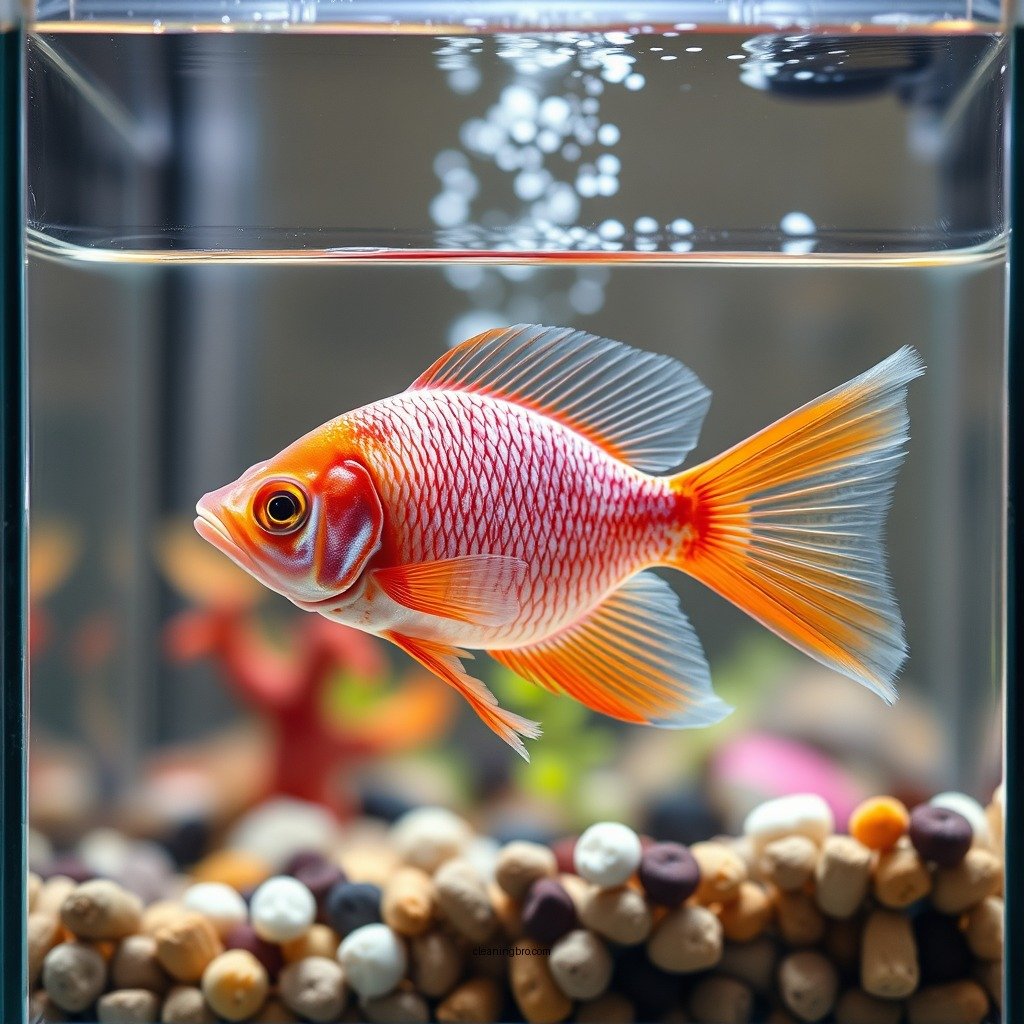
Cleaning a fish tank after a fish has died is crucial for maintaining the health of any remaining aquatic life and ensuring a pleasant environment. The death of a fish can indicate underlying issues in the tank, such as poor water quality or disease, making prompt and thorough cleaning essential. In this article, you’ll learn the step-by-step process to effectively clean your fish tank while preventing any further issues.
Safe Removal of the Deceased Fish
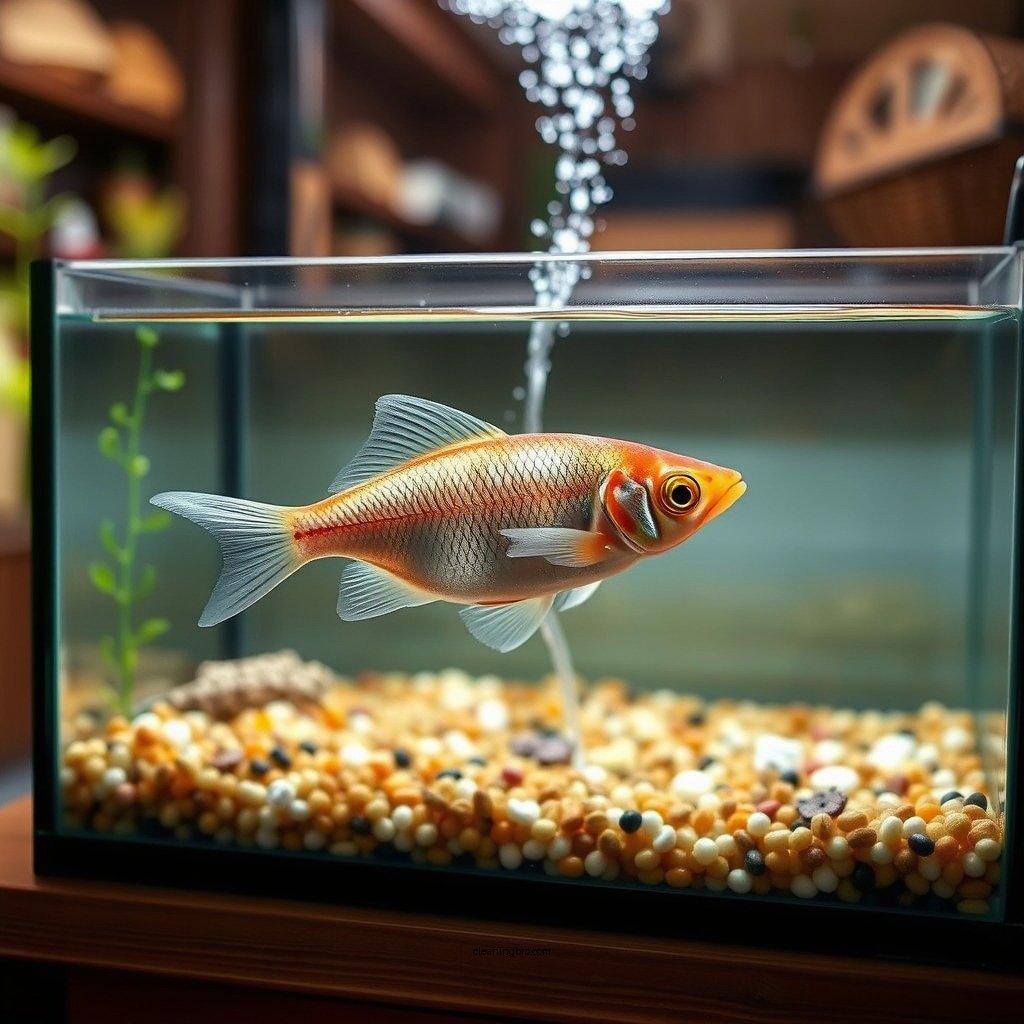
The first step after discovering a deceased fish is to remove it from the tank to prevent contamination and maintain the health of the other fish. You should use a net or gloves to gently scoop up the fish, ensuring minimal disturbance to the tank’s environment. Avoid using your hands directly, as this can introduce bacteria and other pathogens into the tank.
Once you have safely removed the fish, place it in a sealable plastic bag to dispose of it properly. This prevents any potential spread of disease or decay that could affect the water quality. Dispose of the bag outside in the trash rather than down the sink or toilet, as this can lead to contamination of water systems.
Assessing Water Quality
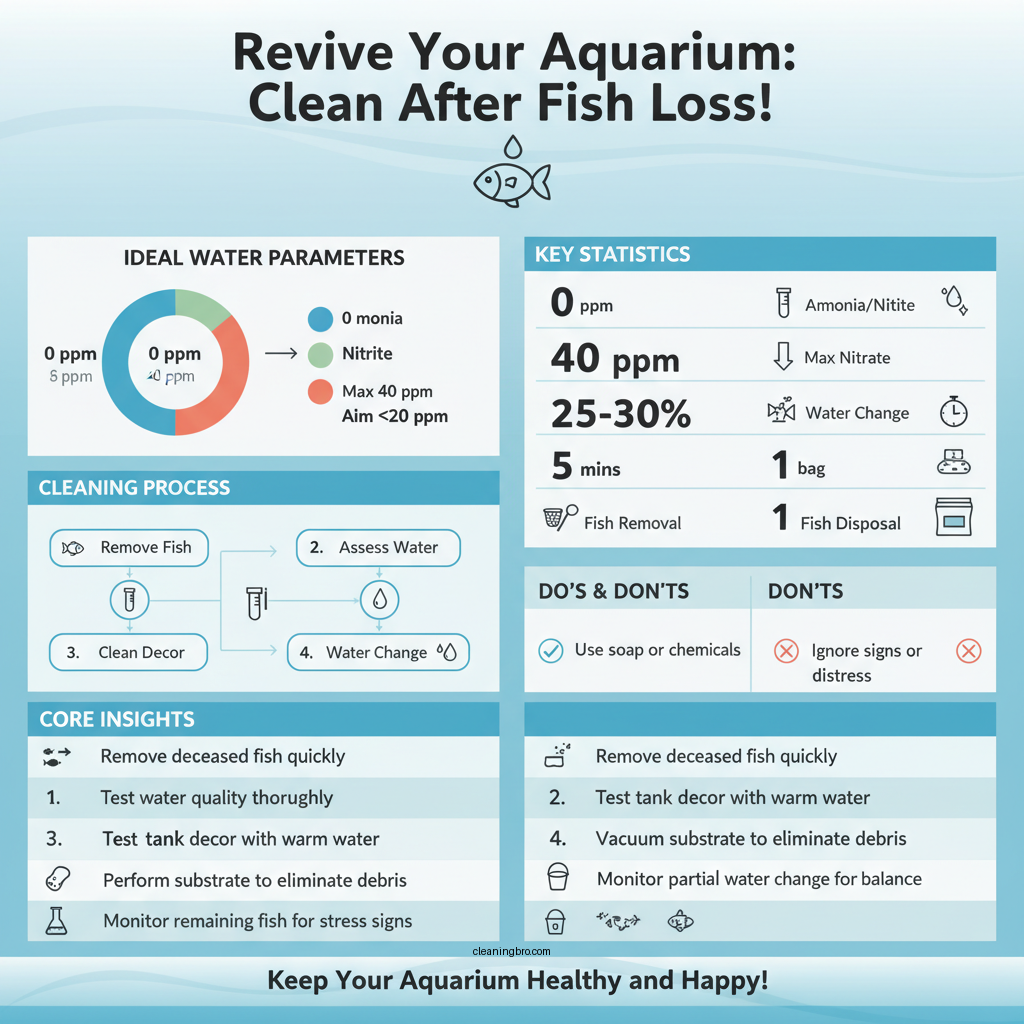
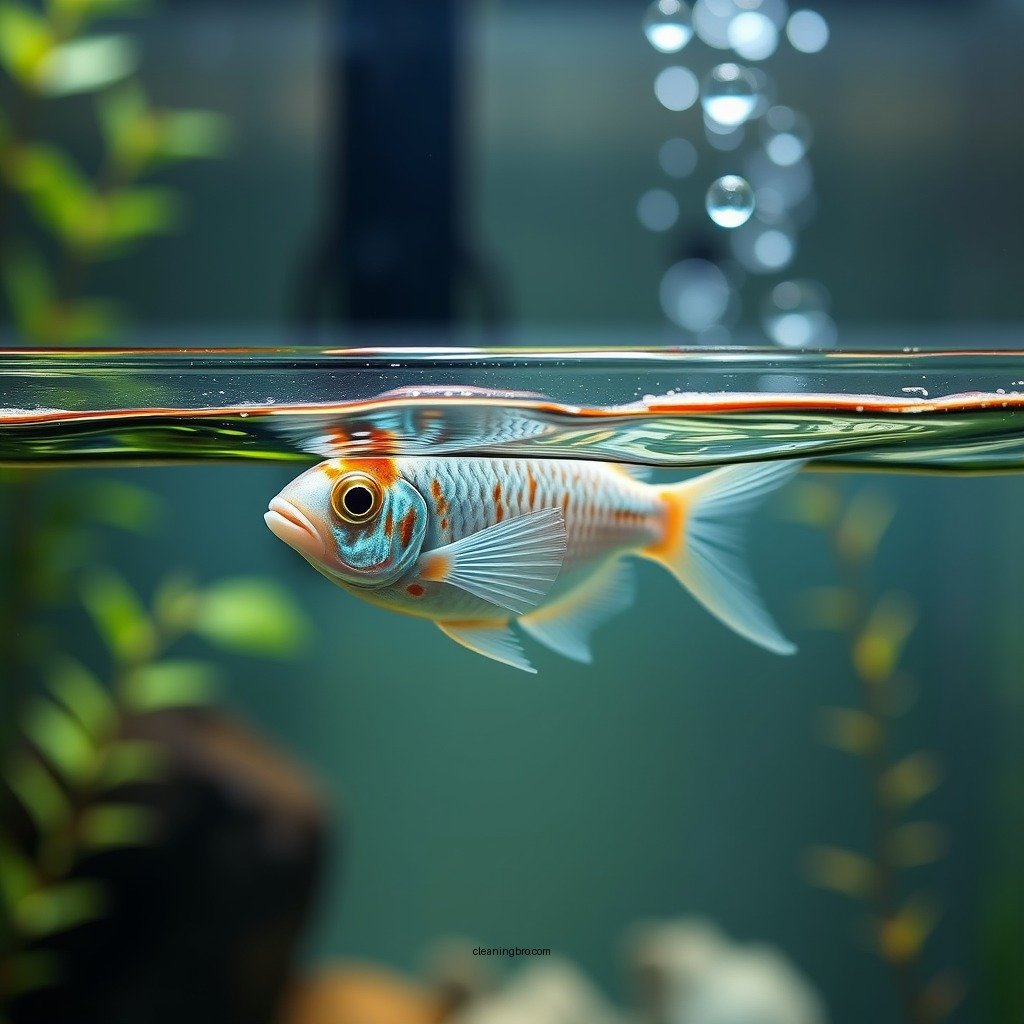
After removing the deceased fish, it’s essential to assess the water quality in your tank. Testing the water parameters is critical for understanding the current condition of the aquarium. You should measure the pH, ammonia, nitrite, and nitrate levels using a reliable aquarium testing kit.
– pH: Optimal levels vary by species, but most freshwater fish thrive at a pH between 6.5 and 7.5.
– Ammonia: Should be at 0 ppm (parts per million). Elevated levels can be toxic.
– Nitrite: Also should be at 0 ppm, as nitrite can harm fish.
– Nitrate: Should be kept below 40 ppm, with levels ideally under 20 ppm for optimal health.
If any of these parameters are off, consider performing a partial water change. Replacing about 25-30% of the water can help dilute harmful substances and restore balance. This change can also improve the overall water quality, making it more hospitable for the remaining fish.
Cleaning the Tank Decor and Substrate
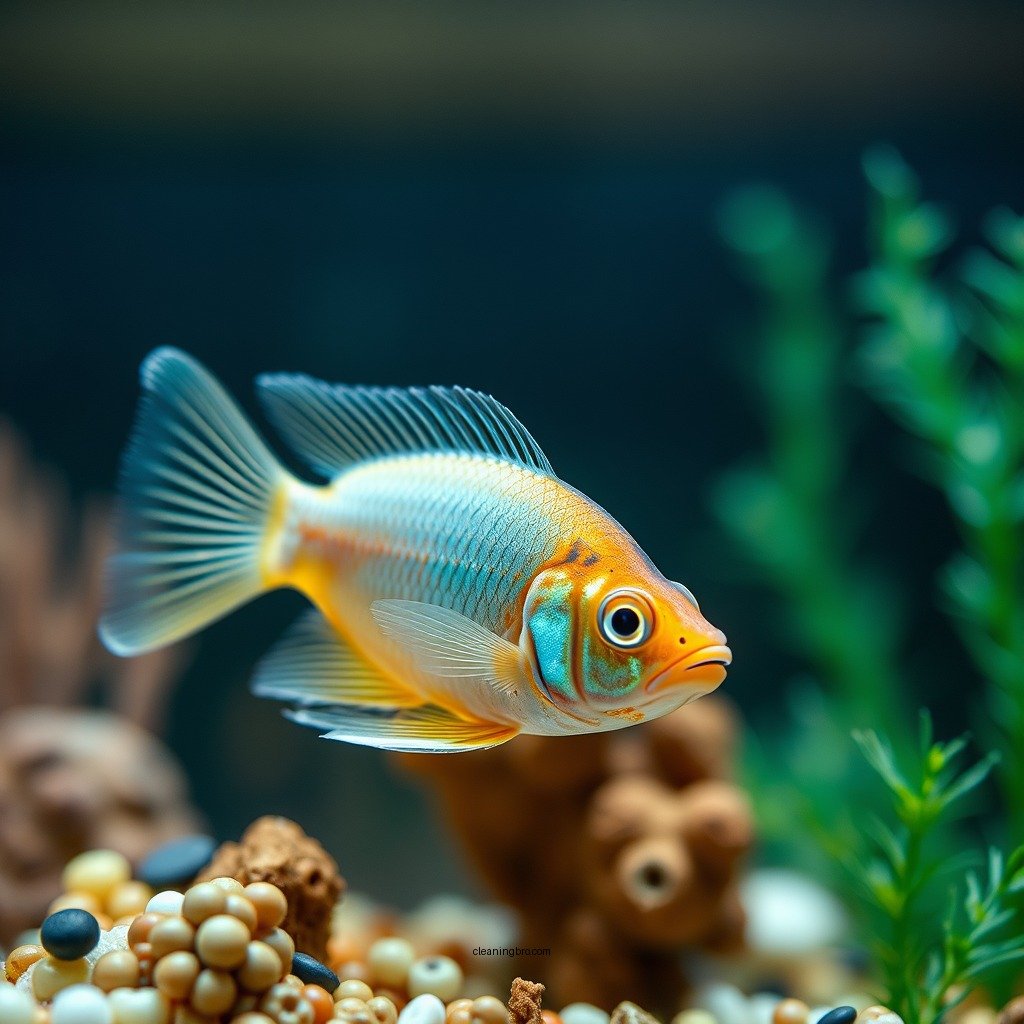
Once you have assessed the water quality, the next step is to clean the tank decor and substrate. Start by removing any decorations, rocks, or plants that can be cleaned without disrupting the tank’s ecosystem significantly.
– Cleaning Decor: Use warm water to rinse the decorations thoroughly. Avoid using soap or any chemical cleaners, as residues can be harmful to fish. If any algae or debris are stubborn, a soft brush can be used to remove it gently.
– Vacuuming the Substrate: The substrate or gravel at the bottom of the tank can accumulate waste and uneaten food. Using a gravel vacuum, gently siphon off the top layer of substrate to remove debris while ensuring not to disturb the beneficial bacteria that reside in the substrate. This process not only cleans but also helps maintain the nitrogen cycle.
Top 7 Causes of Fish Death in Aquariums (2023)
| # | Cause | Percentage of Incidents | Prevention Tips |
|---|---|---|---|
| 1 | Poor Water Quality | 30% | Regular testing and water changes |
| 2 | Overfeeding | 25% | Feed small amounts, once or twice daily |
| 3 | Incompatible Species | 20% | Research species compatibility |
| 4 | Disease | 15% | Quarantine new fish |
| 5 | Stress | 10% | Provide hiding spots |
| 6 | Old Age | 5% | N/A |
| 7 | Water Temperature | 5% | Keep within species range |
Cleaning the Filter and Equipment
The filter and other equipment play a vital role in maintaining a healthy aquarium environment, so cleaning them is crucial. Here’s how to do it effectively:
– Cleaning the Filter: Rinse the filter media in tank water rather than tap water. Tap water can kill beneficial bacteria essential for biological filtration. Remove the filter media and gently swish it in a bucket of tank water to remove debris. Depending on the type of filter, you may also want to clean the filter housing.
– Checking Equipment: Inspect other equipment such as pumps, heaters, and lighting. Ensure they are functioning correctly. If you notice any issues, such as weak water flow from the filter or inconsistent heating, it may be time to replace parts or even the entire unit.
Refilling and Treating the Water
After cleaning the tank and equipment, it’s time to refill the tank. Use dechlorinated water to replace what was removed during your cleaning process. Chlorine and chloramines found in tap water can be harmful to fish, so it’s essential to use a water conditioner to neutralize these substances.
Additionally, consider adding beneficial bacteria to help stabilize the tank environment. Products like “bacterial starters” can jumpstart the nitrogen cycle if any beneficial bacteria were lost during cleaning. This step is particularly important if the tank is newly established or has had a significant disruption.
Monitoring Remaining Fish
Once you’ve completed the cleaning process, closely monitor the remaining fish for signs of stress or illness. Look for behaviors such as excessive hiding, decreased appetite, or unusual swimming patterns. Regular water testing and tank maintenance should be scheduled to ensure ongoing health.
– Regular Testing: Continue to check water parameters weekly, especially after significant changes like a fish death or major cleaning event. This diligence will help catch any potential issues early.
– Behavioral Observation: Spend time observing your fish. Familiarize yourself with their normal behaviors and look out for any deviations that could indicate stress or health problems.
After cleaning your fish tank, it’s essential to keep a close watch on the remaining fish and regularly test the water to prevent further issues. By following these steps, you can create a safe and healthy environment for your aquatic pets. If you’re unsure about any cleaning procedures or water treatments, don’t hesitate to consult with an aquatic specialist or local pet store for further guidance.
Frequently Asked Questions
What should I do immediately after my fish dies in the tank?
Immediately remove the deceased fish from the tank using a net or your hands (preferably wearing gloves). This helps prevent water quality issues and protects the health of any remaining fish. Dispose of the dead fish properly and monitor the water parameters to ensure they are stable.
How do I clean my fish tank after a fish has died?
To clean your fish tank after a fish dies, start by removing any uneaten food and debris from the substrate. Perform a partial water change of about 25-30%, and use a gravel vacuum to clean the bottom. Lastly, check and clean the filter to maintain optimal water quality for the remaining fish.
Why is it important to clean the fish tank after a fish dies?
Cleaning the fish tank after a fish dies is crucial to prevent the buildup of harmful bacteria and toxins that can affect the health of the remaining fish. Decomposing fish can release ammonia into the water, leading to poor water quality and potential disease outbreaks. Regular maintenance ensures a safe and healthy environment for aquatic life.
What are the best practices for maintaining water quality after a fish dies?
The best practices for maintaining water quality after a fish dies include regularly testing the water for ammonia, nitrite, and nitrate levels, and performing routine water changes. Additionally, using a good water conditioner and keeping the tank clean will help stabilize the environment, making it less stressful for the remaining fish.
Which cleaning supplies do I need to clean a fish tank after a fish death?
To clean a fish tank after a fish death, you’ll need a gravel vacuum, algae scraper, water conditioner, clean nets, and possibly a bucket for water changes. It’s also helpful to have test kits for monitoring water parameters. Avoid using soap or chemicals, as they can be harmful to fish.
References
- 3 Ways to Clean a Fish Tank – wikiHow
https://www.wikihow.com/Clean-a-Fish-Tank - Aquarium | Setup, Fish & Supplies | Britannica
https://www.britannica.com/science/aquarium - https://www.ncbi.nlm.nih.gov/pmc/articles/PMC7151893/
https://www.ncbi.nlm.nih.gov/pmc/articles/PMC7151893/ - https://www.sciencedirect.com/topics/agricultural-and-biological-sciences/aquarium
https://www.sciencedirect.com/topics/agricultural-and-biological-sciences/aquarium - https://www.healthline.com/health/aquarium-cleaning
https://www.healthline.com/health/aquarium-cleaning - Google Scholar Google Scholar
https://scholar.google.com/scholar?q=how+to+clean+fish+tank+after+fish+dies - Google Scholar Google Scholar
https://scholar.google.com/scholar?q=cleaning+fish+tank+fish+death+care - Google Scholar Google Scholar
https://scholar.google.com/scholar?q=aquarium+maintenance+and+fish+health - how to clean fish tank after fish dies – Search results
https://en.wikipedia.org/wiki/Special:Search?search=how+to+clean+fish+tank+after+fish+dies - https://www.ncbi.nlm.nih.gov/search/research-articles/?term=how+to+clean+fish+tank+after+fish+dies
https://www.ncbi.nlm.nih.gov/search/research-articles/?term=how+to+clean+fish+tank+after+fish+dies