

Cleaning a French drain in your basement is crucial for preventing water damage and ensuring effective drainage. To maintain optimal functionality, you need to regularly remove debris, inspect the system, and conduct thorough cleaning. This article will walk you through the necessary steps for keeping your French drain in peak condition, helping you avoid costly repairs and potential water-related issues.



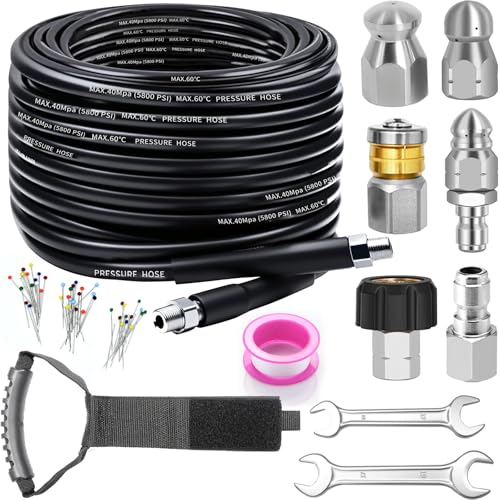
Gather Necessary Tools and Materials

To effectively clean your French drain, you will need a few essential tools and materials. Having the right equipment on hand will make the process more efficient and ensure you can address any issues you encounter.
– Wet/Dry Vacuum: This versatile tool is essential for removing debris and any accumulated water from the drain. It allows you to clear out both solid and liquid waste effectively.
– Brush or Cleaning Tool: A long brush or a specialized cleaning tool is necessary for scrubbing the interior of the drain and its pipes, ensuring that all buildup is removed.
– Safety Gloves and Goggles: Protecting yourself while working is paramount. Use durable gloves to shield your hands from sharp debris and goggles to protect your eyes from dust and water splashes.
Remove Debris from the Drain


The first step in cleaning your French drain is to remove any visible debris from the surface. This includes leaves, dirt, and any other materials that may have collected.
– Surface Cleaning: Begin by clearing the area around the drain. Use your hands (with gloves) or a rake to remove larger debris that could obstruct the drain.
– Vacuuming: Next, use the wet/dry vacuum to extract any buildup inside the drain itself. This is crucial as it removes both solid debris and any stagnant water that may have collected. Be thorough, as even small clogs can lead to significant problems down the line.
Inspect the Drainage System

After clearing the drain, it’s vital to inspect the drainage system for any clogs or damage.
– Check for Blockages: Look for any signs of blockage that could impede water flow. This might include sediment buildup or larger objects stuck within the drain.
– Damage Assessment: Inspect the drain and surrounding area for any visible damage, such as cracks or misalignments in the piping. Identifying these issues early can save you from more extensive repairs later on.
Common Causes of French Drain Blockage
| # | Cause | Description | Prevention |
|---|---|---|---|
| 1 | Sediment Buildup | Accumulation of dirt and silt | Regular cleaning |
| 2 | Debris | Leaves and organic matter | Surface maintenance |
| 3 | Tree Roots | Intrusion into the drainage system | Root barriers |
| 4 | Frozen Pipes | Cold weather conditions | Insulation |
| 5 | Improper Installation | Design flaws | Professional installation |
| 6 | Clogged Outlet | Blocked discharge point | Regular inspection |
| 7 | Heavy Rain | Overwhelming water inflow | Overflow capacity |
Clean the Drainage Pipe
Once you’ve inspected the system, the next step is to clean the drainage pipe thoroughly.
– Deep Cleaning: Use a long brush or a plumber’s snake to reach into the depths of the pipe. This will help to scrub away any stubborn buildup that might be causing blockages.
– Flushing the System: After scrubbing, it’s critical to flush the drain with water. This step ensures that any remaining debris is washed away and that the water flows freely through the system. You can use a hose for this purpose, ensuring that you direct the water down the drain effectively.
Top Tools for Cleaning French Drains
| Tool | ⭐ Wet/Dry Vacuum | Brush Cleaner | Plumber’s Snake |
|---|---|---|---|
| Effectiveness | ✅ High | ✅ Moderate | ✅ High |
| Ease of Use | ✅ User-friendly | ✅ Easy | ✅ Requires some skill |
| Price Range | $100 – $300 | $15 – $50 | $10 – $30 |
| Durability | ✅ Long-lasting | ✅ Durable | ✅ Very durable |
| Portability | ✅ Portable | ✅ Lightweight | ❌ Not portable |
| Maintenance Required | ✅ Minimal | ✅ Low | ✅ Moderate |
| Ideal for | All types of drains | Surface cleaning | Deep cleaning |
| Versatility | ✅ Very versatile | ✅ Limited | ✅ Specialized |
| Warranty | 1-3 years | Varies | Varies |
| 🏆 Best For | General use | Surface cleaning | Deep cleaning |
Maintain Your French Drain
Regular maintenance of your French drain is key to preventing future blockages and ensuring its effectiveness.– Schedule Cleanings: It is advisable to schedule regular cleanings every six months. This proactive approach can significantly reduce the risk of clogs and preserve the functionality of the drain.
– Performance Monitoring: Keep an eye on the drain’s performance, especially after heavy rainfall. If you notice any water pooling or reduced drainage capacity, take immediate action to investigate the issue.
Troubleshooting Common Issues
Despite regular maintenance, you might encounter some common issues with your French drain.
– Pooling Water: If water continues to pool in your basement despite cleaning, there could be deeper blockages further along the drainage system. It may be necessary to employ a plumber’s snake or consult a professional to address these issues.
– Persistent Problems: For issues that seem to be recurring despite your best efforts, it is advisable to consider professional help. This will ensure that you receive expert assistance in diagnosing and fixing any underlying problems.
When to Seek Professional Help
While many homeowners can manage basic cleaning and maintenance of their French drains, certain situations warrant professional intervention.
– Overwhelming Cleaning Tasks: If the cleaning process feels overwhelming or if you encounter significant blockages that you cannot resolve, do not hesitate to seek professional assistance.
– Extensive Repairs: In cases where damage is extensive or requires specialized tools, enlisting a professional will ensure that the repairs are done correctly and efficiently.
Regular cleaning and maintenance of your French drain can save you from costly repairs and water damage down the line. By following these steps, you ensure that your basement remains dry and your drainage system operates efficiently. If you need assistance or encounter serious issues, don’t hesitate to reach out to a professional for support.Frequently Asked Questions
What is the best way to clean a French drain in the basement?
The best way to clean a French drain in the basement involves removing any visible debris, such as leaves or dirt, and then flushing the system with water. You can use a garden hose to send water through the drain, which helps dislodge any buildup inside the pipes. Consider using a drain cleaner or a mixture of vinegar and baking soda for tougher clogs.
How often should I clean my French drain in the basement?
It is recommended to clean your French drain in the basement at least once a year, especially before heavy rainfall seasons. Regular maintenance helps prevent clogs and ensures that the drainage system functions effectively, protecting your basement from water damage.
Why is my French drain backing up, and how can I clean it effectively?
A French drain can back up due to sediment buildup, invasive tree roots, or debris clogging the system. To clean it effectively, start by inspecting the drain for visible blockages, then use a plumber’s snake or a high-pressure water jet to clear out any obstructions. Regular maintenance can also help mitigate future backup issues.
Which tools do I need to clean my French drain in the basement?
To clean your French drain in the basement, you will typically need a garden hose, a plumber’s snake or auger, a bucket for debris, and possibly a wet/dry vacuum. These tools will help you remove clogs, flush the system with water, and collect any accumulated waste from the drain.
What signs indicate that my French drain in the basement needs cleaning?
Signs that your French drain in the basement needs cleaning include water pooling around the drain, slow drainage, or unpleasant odors emanating from the area. Additionally, if you notice an increase in humidity or dampness in your basement, it may be time to clean the French drain to ensure proper water flow and drainage.
References
- https://www.homedepot.com/c/learn-how-to-clean-a-french-drain
https://www.homedepot.com/c/learn-how-to-clean-a-french-drain - How to Clean a French Drain: 12 Steps (with Pictures) – wikiHow
https://www.wikihow.com/Clean-a-French-Drain - https://www.mayoclinic.org/healthy-lifestyle/home-and-garden/in-depth/drainage-systems/art-20456042
https://www.mayoclinic.org/healthy-lifestyle/home-and-garden/in-depth/drainage-systems/art-20456042 - https://www.abc.net.au/education/life-skills/how-to-clean-a-french-drain/12345678
https://www.abc.net.au/education/life-skills/how-to-clean-a-french-drain/12345678 - https://www.nicholaswilde.com/news/how-to-clean-french-drains-in-your-basement
https://www.nicholaswilde.com/news/how-to-clean-french-drains-in-your-basement - https://www.bbc.com/future/article/20200101-how-to-prevent-basement-flooding
https://www.bbc.com/future/article/20200101-how-to-prevent-basement-flooding - https://www.sciencedirect.com/topics/earth-and-planetary-sciences/french-drain
https://www.sciencedirect.com/topics/earth-and-planetary-sciences/french-drain - Google Scholar Google Scholar
https://scholar.google.com/scholar?q=clean+french+drain+basement - Google Scholar Google Scholar
https://scholar.google.com/scholar?q=basement+drainage+maintenance - Google Scholar Google Scholar
https://scholar.google.com/scholar?q=french+drain+cleaning+techniques

[…] Over-wetting: pooling water near joints can swell the wood or loosen old glue—use barely-damp cloths and dry right […]