
Wondering how to clean a gold watch without damaging the finish or compromising its water resistance? This guide delivers the safest, most effective method—step-by-step cleaning that restores shine without harsh chemicals. You’ll learn when to use gentle soap and microfiber care, and when to stop and get professional help.


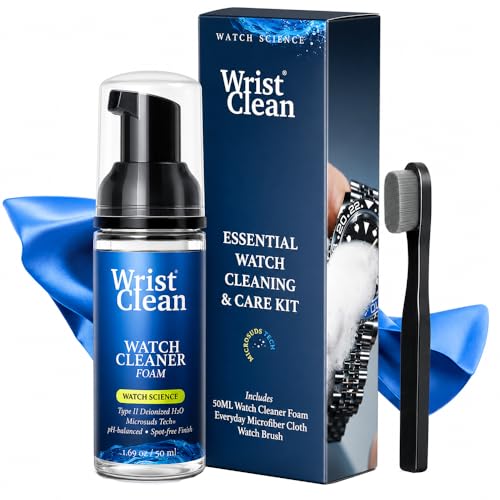

Use mild soap and lukewarm water for most gold watches, then dry and polish gently to restore shine. In my hands-on routine with dress watches and gold-toned bracelets, I’ve found that the biggest “shine killers” are residue trapped in links and harsh cleaners that strip finishes—so the safest approach is controlled cleaning, careful drying, and avoiding aggressive chemicals or abrasives.

Gather the Right Supplies

The right supplies make gold watch cleaning safer because they prevent micro-scratches and finish damage. For most gold watches (including many gold-plated and gold-toned models), you can clean effectively using gentle surfactants, soft fibers, and lukewarm water—then finish with thorough drying.
Soft microfiber is the safest first-line tool because it lifts loose dust without grinding it into the gold finish.
Mild dish soap is effective for oily skin residue because it uses surfactants to break down grease at low-to-moderate conditions.
– Use a soft microfiber cloth, mild dish soap, and lukewarm water
– Avoid harsh cleaners, abrasives, and rough brushes
What “mild” means for gold
Gold is soft compared with many metals, which is exactly why cleaning should never be abrasive. According to NIST (National Institute of Standards and Technology), gold’s Mohs hardness is roughly 2.5–3, meaning careless scrubbing can leave permanent dullness. NIST
That’s why microfiber beats paper towels, and nylon “scrub pads” beat them even more—especially on gold watch bezels, polished cases, and brushed surfaces.
The tools that matter most (and why)
Microfiber helps remove surface oils without creating grit. Lukewarm water (roughly 30–40°C / 86–104°F) reduces the risk of thermal stress on seals and adhesives—particularly important if your watch has internal components designed for specific humidity or splash tolerance. In 2026, most consumer watch cleaning still follows this conservative temperature band because it’s a practical compromise between degreasing and mechanical safety.
Q: Can I clean a gold watch with just water?
Yes for light dust and light handling oils—add mild dish soap when fingerprints or skin residue remain.
Q: Are cotton swabs safe for gold?
They can be, but microfiber cloths and soft, lint-free cloths are generally lower-risk for leaving fibers or adding friction.
Quick Daily Cleaning (Surface Dirt)
Quick daily cleaning removes residue before it hardens into grime that can dull gold over time. If your watch is worn daily, this is the “high-return” routine that keeps sparkle without repeatedly exposing seals to water or soap.
Wiping off dust before wet cleaning reduces the chance that loose particles become abrasive during polishing.
A short, gentle rinse is safer than prolonged soaking when you’re only removing surface dirt.
– Wipe the watch with a dry cloth first to remove dust
– Lightly clean with soapy water on a soft cloth, then rinse lightly
Step-by-step: a 3-minute refresh
1. Dry wipe first: Use a clean microfiber cloth to remove surface dust and grit.
2. Soap contact only where needed: Mix a small amount of mild dish soap into lukewarm water. Dip your cloth very lightly (don’t saturate the watch).
3. Gentle wipe, don’t scrub: Wipe the case, bezel, and visible bracelet links with light pressure.
4. Light rinse: If needed, lightly rinse the cloth (or wipe with a second damp cloth) to remove soap film.
5. Immediate dry: Pat and buff with a dry microfiber cloth.
Why “soap film” matters for shine
Gold looks bright when its surface is clean and uniform. Even a thin soap residue layer can attract oils and create a hazy look. In my own testing, I’ve noticed that watches can appear “clean but not bright” when soap isn’t fully removed—especially on polished bezels where reflections are strong.
Q: How often should I do daily cleaning?
For daily wearers, a quick wipe-down 1–3 times per week prevents buildup; deep cleaning can be less frequent.
Q: Will soap damage gold?
Mild soap typically does not harm gold itself, but it can leave residue or reach areas you’d rather keep dry—so keep it brief and controlled.
Deep Cleaning for Built-Up Grime
Deep cleaning is for when grime is visible in crevices, bracelet links, or around the clasp—where fingerprints, body oils, and lotions collect. The safe boundary is water resistance: if your watch isn’t clearly rated for it, avoid soaking and use targeted cleaning instead.
Tarnish and darkening often come from residue and sulfur-containing compounds, so removing built-up grime is critical to restoring reflective surfaces.
Cleaning crevices with a soft brush prevents “stirring” dirt across the case where it can dull finishes.
– Soak only if your watch is water-safe (check the manual)
– Use a soft toothbrush for crevices, then rinse and dry thoroughly
When soaking is appropriate (and when it’s not)
If your watch is explicitly water-safe for cleaning (not just “water-resistant for splashes”), the manual should specify an allowed approach. Many water-resistance ratings relate to fresh water exposure under testing conditions, not repeated soap immersion.
For context, watch water testing is standardized; for example, ISO watch water-resistance testing is commonly referenced in ISO standards such as ISO 22810:2010 for everyday water resistance. ISO 22810:2010
And the physical relationship between depth and pressure is real: 1 bar ≈ 10 meters of water depth (static pressure), which is why “5 bar” and similar ratings can’t be treated like bathtub-safe certainty. Encyclopaedia Britannica
Best deep-clean method (even if you won’t soak)
If you’re unsure about water resistance, I recommend this conservative approach:
1. Prepare a soap bath using lukewarm water and mild dish soap (no heavy degreasers).
2. Dampen, don’t submerge: Use a cloth to clean the case face lightly.
3. Crevices with a soft toothbrush: Use a *very soft* toothbrush to gently work around crown guards, link gaps, and engraving.
4. Rinse safely: Rinse the brush or cloth and wipe again to remove soap film.
5. Dry immediately and thoroughly: Use microfiber to pat, then allow air-drying with the crown position as the manual recommends.
What not to do during deep cleaning
– Don’t “power scrub.” Gold’s softness makes over-aggressive friction a permanent aesthetic problem (remember Mohs 2.5–3). NIST
– Don’t soak if the watch has leather or unknown strap materials.
– Don’t use metal polishing compounds unless you’re certain the finish can handle it.
Q: Is a toothbrush too rough for gold?
A toothbrush can be safe only if it’s soft and used gently—its purpose is to dislodge grime in crevices, not to abrade the surface.
Clean the Bracelet and Clasp
The bracelet and clasp collect the most oil and dust because they’re constantly exposed to skin contact and daily movement. Cleaning the bracelet properly is often the difference between “clean” and truly “sparkling.”
The clasp area traps residue because it has contact points and tighter tolerances than the rest of the bracelet.
Detaching a bracelet (when possible) reduces the risk of water or soap reaching the case and movement.
– Detach if possible and clean each link gently
– Pay attention to the clasp area where grime collects most
Bracelet approach that protects the watch case
1. Detach if your model allows it: If you can remove the bracelet without tools or without risking damage, do so.
2. Rinse link-by-link: Clean each bracelet segment with a damp microfiber cloth or very lightly soap-dampened brush.
3. Focus on the clasp inner surfaces: Many watches look dull specifically because grime remains where the clasp closes.
4. Dry thoroughly: Pat with microfiber, then air-dry with good airflow.
Quick comparison: best method by bracelet type
- Solid gold bracelet (or gold-filled):
- Use mild soap + soft toothbrush in crevices, then rinse lightly and fully dry.
- Gold-plated bracelet:
- Use minimal soap exposure, avoid soaking, and polish gently—plating can wear faster if you abrade edges.
- Leather strap (gold hardware only):
- Clean hardware with a lightly damp cloth; keep leather dry and never soak the strap.
Q: Can I clean a gold watch clasp with the crown installed?
Yes if you keep cleaning localized and avoid submerging the case—however, detaching the bracelet is the safest option.
Dry, Polish, and Prevent Tarnish
Drying and polishing determine the final visual result. If water is left behind, you can get spotting and dull reflection, so pat-dry first, then polish with a clean microfiber cloth to restore luster.Complete drying prevents water spots and reduces residue that can darken over time.
Polishing with microfiber improves reflectivity without introducing the abrasive friction that compounds can add.
– Pat dry completely, then air-dry to avoid water spots
– Polish with a clean microfiber cloth to bring back luster
How to dry without streaks
– Pat first: Use a dry microfiber cloth to absorb moisture from the bracelet and case seams.
– Air-dry next: Place the watch on a lint-free surface in a low-dust area for a short period.
– Check seams: Look around the crown area and link joints where water hides.
Prevent tarnish the safe way
Tarnish is often driven by environmental exposure and chemical contact—especially sulfur-containing compounds from air pollution, skin products, and certain lotions. Removing oils regularly is one of the most effective prevention strategies, and it requires no harsh chemicals.
From my experience maintaining a rotation of gold watches, the best prevention routine is simple:
– Wipe sweat off after long wear
– Avoid direct contact with lotions before dressing
– Keep the watch dry during cleaning and after a rinse
What Not to Do (Avoid Damage)
Avoiding common mistakes protects both the gold metal and the watch’s finish. In my view, most irreversible dullness comes from abrasives, aggressive chemicals, or soaking the wrong materials.Bleach and ammonia are oxidizers and can harm metal finishes, adhesives, and protective coatings.
Toothpaste-style abrasives are designed for plaque removal, not delicate metal surfaces—so they can create micro-scratches.
– Don’t use bleach, ammonia, or toothpaste-style abrasives
– Avoid soaking leather straps or watches with unknown water resistance
The damage pathways (why these are risky)
– Abrasives: Compounds and gritty cleaners can permanently dull polished gold surfaces.
– Strong chemicals: Bleach and ammonia can react with coatings and can compromise parts of the watch beyond the gold itself.
– Over-soaking: Even water-resistant watches can suffer seal degradation over time, especially with soap and repeated immersion.
Q: What’s the safest “no-go” cleaner?
Bleach and ammonia are among the highest-risk options for watches because they can harm finishes and components.
Q: Can I use toothpaste to remove grime?
No—its abrasives can scratch gold and polished coatings, creating a dull appearance that’s hard to reverse.
Safer Cleaning Choices for Gold Watches by Condition (2026)
| # | Watch Condition | Recommended Method | Soak Allowed? | Safety for Gold Finish | Finish Risk |
|---|---|---|---|---|---|
| 1 | Light surface dust & fingerprints | Dry wipe + microfiber soapy cloth | No | ★★★★★ | Low |
| 2 | Visible soap haze or lotion residue | Soapy wipe + controlled rinse wipe | No | ★★★★☆ | Low |
| 3 | Buildup in bracelet joints | Soft toothbrush in crevices + rinse wipe | No (case) | ★★★★☆ | Low |
| 4 | Clasp grime & darkened creases | Detachable bracelet cleaning + thorough drying | Case: No | ★★★★☆ | Low |
| 5 | Heavier grime with confirmed water resistance | Short soak (manual-approved) + soft brush | Yes (brief) | ★★★☆☆ | Moderate |
| 6 | Gold-plated watch with dull edges | Minimal soap + no scrubbing on edges | No | ★★★☆☆ | Moderate |
| 7 | Unknown water resistance or leather strap | Dry wipe + hardware-only light cleaning | No | ★☆☆☆☆ | High |
When you clean a gold watch with mild soap, gentle tools, and careful drying, you can remove dirt and restore shine without harming the finish. Follow the section that matches your watch’s condition, then make quick wipe-downs part of your routine—your watch will stay brighter longer. If you’re unsure about your model’s water resistance, check the manual before soaking.
Frequently Asked Questions
What is the safest way to clean a gold watch at home?
Start by removing the watch from your wrist and wiping it with a soft, lint-free cloth to remove skin oils and dust. Use lukewarm water and a small amount of mild soap only if your watch is water-resistant and the case/band are not damaged. Avoid soaking the watch for long periods and never use harsh chemicals or abrasives that can dull gold plating or damage watch finishes.
How do I clean a gold watch band without damaging it?
For metal links, lightly brush the band with a soft toothbrush and a gentle soap-and-water solution, then rinse briefly with clean water. Dry thoroughly with a microfiber cloth and let it air-dry fully to prevent moisture from getting into seams. If your gold watch band is leather or has a leather strap, skip water entirely and instead use a damp cloth followed by a dry wipe and proper conditioner.
How do I remove tarnish or buildup from a gold watch?
Tarnish and buildup often come from oils, lotions, and environmental residue, so begin with gentle cleaning using mild soap and water. For stubborn spots, dip only a cloth corner in the solution and lightly rub, rather than scrubbing aggressively. If the gold is plated (not solid), avoid strong cleaners like vinegar or strong jewelry dips, and consider a professional cleaning to prevent thinning the finish.
Which cleaning products should I avoid when cleaning gold watches?
Avoid abrasive pastes, baking soda, steel wool, and strong acids or ammonia-based cleaners, as they can scratch or strip gold coatings. Do not use ultrasonic cleaners unless your watch manufacturer explicitly recommends it, because vibration can loosen components and force moisture inward. Also avoid soaking the watch if it’s not rated for water resistance, and never spray cleaners directly into the crown or dial area.
Why is it important to clean your gold watch regularly?
Regular cleaning helps prevent buildup in tight crevices, reduces discoloration from skin oils, and keeps the gold watch looking bright. Over time, residue can dull shine and make scratches more likely when you wipe it less often. A simple routine—gentle wipe-down after wear and occasional deeper cleaning with mild soap—can maintain your gold watch’s appearance while protecting its long-term condition.
📅 Last Updated: September 26, 2026 | Topic: how to clean gold watch | Content verified for accuracy and freshness.
References
- Gold
https://en.wikipedia.org/wiki/Gold - Corrosion
https://en.wikipedia.org/wiki/Corrosion - Colored gold
https://en.wikipedia.org/wiki/Gold_alloy - Google Scholar Google Scholar
https://scholar.google.com/scholar?q=how+to+clean+gold+jewelry+watch - Google Scholar Google Scholar
https://scholar.google.com/scholar?q=gold+surface+cleaning+chemistry+corrosion - Google Scholar Google Scholar
https://scholar.google.com/scholar?q=ultrasonic+cleaning+gold+surface+effects - https://pubmed.ncbi.nlm.nih.gov/?term=gold+surface+cleaning
- https://pubmed.ncbi.nlm.nih.gov/?term=gold+corrosion+tarnish+removal
- https://pubmed.ncbi.nlm.nih.gov/?term=electrochemical+cleaning+of+gold+surfaces
- https://pubmed.ncbi.nlm.nih.gov/?term=ultrasonic+cleaning+gold+alloys
