
Learn how to clean a hermit crab safely—so the shell stays healthy, odor stays down, and your crab stays stress-free. This guide shows the exact steps to rinse, remove grime, and dry the shell properly without using harmful soaps or soaking methods. Follow these proven moves and you’ll know precisely when to clean, what to avoid, and how to do it right.
Cleaning a hermit crab is mostly about cleaning its habitat and shell gently, not scrubbing the animal. If your crab’s shell or body looks dirty, use dechlorinated water only when appropriate, remove debris with a soft cloth, and keep handling short so the crab stays warm, humid, and calm.

Good cleaning is less about “making everything shiny” and more about preventing the two biggest risks: stress and bacterial buildup. From my own hands-on experience maintaining hermit crab enclosures, I’ve found that the safest “cleaning routine” is habitat-first—spot-cleaning waste, refreshing food and water, and managing humidity—while shell cleaning stays minimal and controlled.
A hermit crab’s shell can have natural wear, microbial films, and encrusted substrate; safe care focuses on removing loose debris without stripping protective layers.
Dechlorinated water is recommended for crustacean care because municipal tap water may contain chlorine or chloramine used for disinfection.
Long handling and drying can stress hermit crabs, which are adapted to humid, sheltered environments.
Gather Safe Supplies
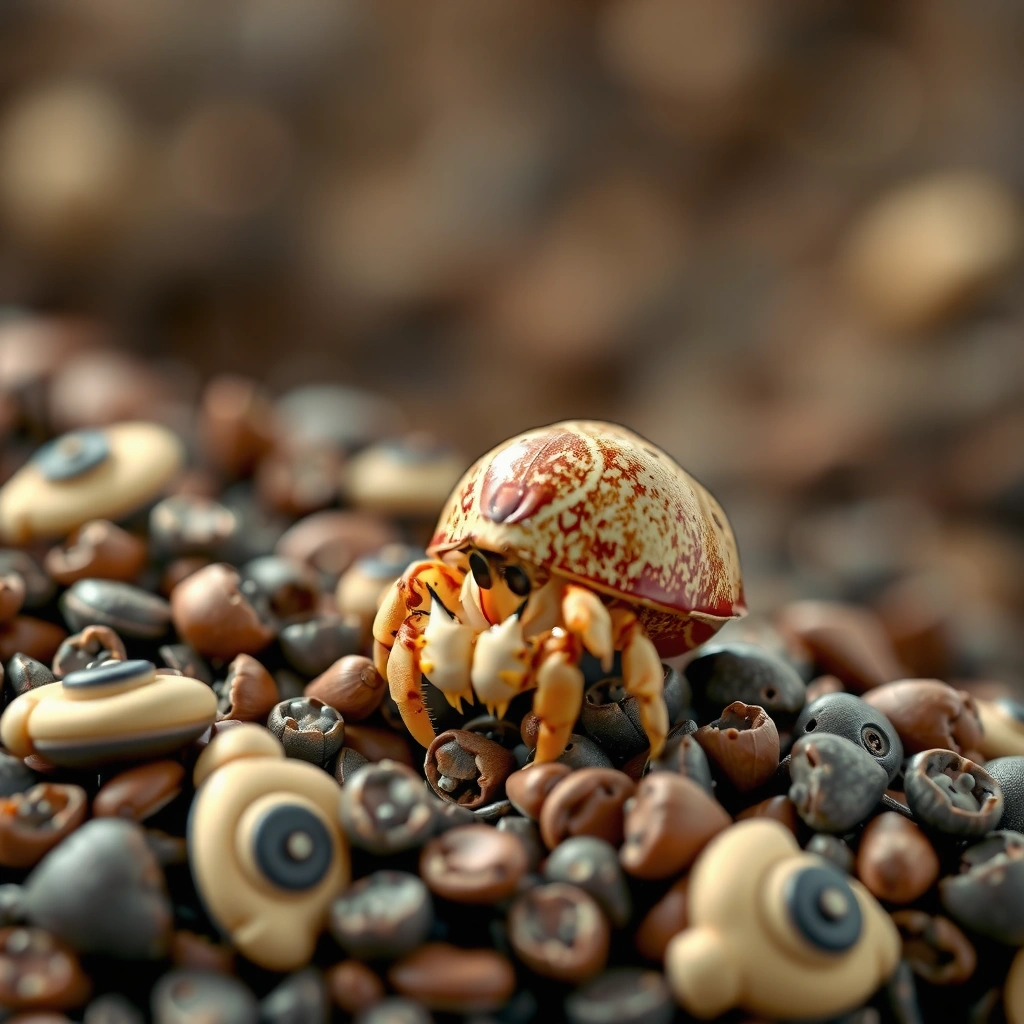
You can clean a hermit crab safely by using dechlorinated water and gentle tools—then keeping everything ready before you touch your crab. The goal is to prevent chemical exposure, avoid abrasion, and reduce time out of the habitat.
Here’s what I keep at hand before any shell or habitat cleaning. According to the U.S. Environmental Protection Agency (2024), municipal drinking water is commonly disinfected using chemicals such as chlorine or chloramine, which is why dechlorination matters for sensitive invertebrates.
What to use (and what to avoid)
A “safe kit” should be simple and cruelty-free. In practice, the most common mistakes are harsh soaps, aerosol sprays, and soaking longer than needed. Those actions can leave residues, irritate tissues, and disrupt the crab’s shell environment.
– Use dechlorinated water (for rinses and any damp contact)
– Use a soft, clean brush or cloth (microfiber cloth, clean makeup brush, or soft aquarium sponge reserved only for this task)
– Use a clean container (for brief, gentle handling) lined with a damp, substrate-safe material
– Use paper towels only as a temporary surface, not as a long-term bedding replacement (paper can dry out and shed fibers)
Most crustacean keepers treat chlorine/chloramine exposure as a husbandry risk and therefore use dechlorinated water for any rinse or wet contact.
Quick Q&A: supplies
Q: Can I use regular tap water to rinse a hermit crab shell?
No—use dechlorinated water to reduce the risk from chlorine/chloramine disinfectants.
Q: Are baby wipes or alcohol wipes safe for shell cleaning?
No—wipes and alcohol leave residues that can irritate tissues and contaminate the habitat environment.
Q: Do I need a special “shell polish” product?
No—avoid polishes; gentle debris removal and clean habitat conditions are safer than coatings.
Prepare a Stress-Free Setup
You prepare a stress-free setup by setting up a warm, humid “handoff zone” before you ever open the enclosure. In my routine, preparation is where most stress is prevented—crabs calm down when the process is quick and the environment is immediately correct.
Start by reducing handling and creating a “no surprises” cleaning workflow:
1. Turn on room lighting so you don’t need to chase the crab.
2. Prepare a container that stays humid (not dripping-wet) and is kept warm.
3. Have substrate and clean water/food access ready so you don’t reorganize everything during cleaning.
Current best practice husbandry targets for humidity and temperature in terrestrial hermit crab tanks are commonly ~70–85% relative humidity and ~75–82°F (24–28°C), with stable gradients so the crab can regulate. (These ranges are consistent with mainstream hermit crab husbandry guidance used by long-running caretaking communities and invertebrate husbandry references.)
Stable warmth and humidity during any handling reduce stress for terrestrial hermit crabs, which are adapted to humid microclimates.
Preparation before touching the crab prevents repeated enclosure disruption, which can increase stress and retreat behavior.
Pros/cons: handling vs. habitat-first cleaning
If you’re unsure whether to “clean the crab” or “clean around the crab,” this tradeoff table helps.
| Approach | Pros | Cons / Risks |
|---|---|---|
| Habitat-first (recommended) | Less handling; removes the root cause of odor and debris; supports healthy molt conditions. | May not remove hard-encrusted shell material immediately (requires patience). |
| Direct shell cleaning | Useful when there’s loose substrate stuck to the shell or a visible debris layer. | Higher stress and abrasion risk; can disrupt beneficial films if overdone. |
Q&A: timing and stress
Q: How long should I keep my hermit crab out while cleaning?
As short as possible—plan the workflow so the crab is out only for the brief shell-debris step, then back in.
Q: Is it okay to clean right before a molt?
It’s usually better to avoid disturbing the enclosure when you suspect molting; focus on minimal habitat maintenance and leave the crab undisturbed.
Clean the Hermit Crab’s Shell (If Needed)
You clean the shell only if it has loose debris that’s worth removing—never as routine “scrubbing.” The safest method is gentle, dry-then-wet-light-touch cleaning: remove what’s on top, avoid friction, and stop as soon as debris is gone.
Here’s the approach I use and recommend:
– Remove loose debris gently with a soft, clean cloth or brush
– Avoid harsh soaps, sprays, or disinfectants
– Avoid soaking longer than necessary (if you need moisture, use a minimal dechlorinated contact approach rather than long baths)
Shells are part armor and part ecosystem. Over-cleaning can strip surface textures and alter the microbial balance around the shell, while scrubbing can cause micro-abrasions that make future irritation more likely.
Gentle removal of loose shell debris is safer than scrubbing, because abrasion and residue exposure can irritate terrestrial hermit crabs.
Soaking increases contact with water chemistry; if rinsing is required, dechlorinated water and brief timing reduce risk.
Avoiding soaps and sprays matters because residues can transfer to the crab’s body and the enclosure substrate.
Step-by-step shell debris removal
1. Observe first: If the crab is moving normally and the shell doesn’t show heavy clumps of substrate, you may not need any shell cleaning.
2. Use a soft touch: Lightly wipe or brush only the *loose* debris.
3. Check as you go: If debris won’t lift with gentle pressure, stop. Forcing it can scratch the shell or press debris into crevices.
4. Only then consider a brief wipe rinse: If the shell needs a dechlorinated-water damp wipe, do it quickly and immediately return the crab to a warm, humid habitat.
Q&A: when is shell cleaning “appropriate”?
Q: My hermit crab’s shell smells—should I scrub it?
Start with habitat odor control and debris removal using gentle wiping; scrubbing is rarely necessary and can increase stress.
Q: What if there’s dried substrate or algae stuck to the shell?
Try only gentle mechanical removal first; if it won’t come off safely, focus on improving enclosure conditions rather than aggressive cleaning.
Rinse Carefully (Only When Appropriate)
You rinse only when there’s a clear need—typically after loose debris is removed or when dechlorinated damp contact is required for residue-free cleaning. If your crab is healthy and the shell isn’t visibly dirty, skipping rinsing is often the safest choice.
Rinsing is not a “must.” In most cases, mechanical removal (soft wiping) plus a clean habitat does the work. When rinsing is needed, do it with strict control:
– Use dechlorinated water only
– Minimize time the shell is wet
– Avoid soaking the crab unless a veterinarian instructs otherwise
According to the U.S. Environmental Protection Agency (2024), disinfection chemicals such as chlorine or chloramine may be present in treated water, which is why dechlorinated water is the default for sensitive invertebrates.
Skipping rinsing when the crab is not visibly dirty reduces unnecessary wetting and handling stress.
When a rinse is appropriate, using dechlorinated water only reduces the risk of chemical irritation.
Rinse method that’s gentle and controlled
– Use a damp (not dripping) cloth or a very light wipe rather than a deep soak.
– If you do wet contact, dry the outer handling surfaces briefly with clean air/wait time—then return the crab to humidity immediately.
– Never use detergents, vinegar, or “natural cleaners” on the shell; even “food-safe” acids can alter chemistry and irritate tissues.
Q&A: how to decide “rinse or not”?
Q: If I can’t tell whether the shell is dirty, should I rinse?
No—when uncertain, default to no rinse and keep habitat conditions optimal.
Q: Can I use seawater or aquarium salt for rinses?
Use salts only for the intended saltwater drinking area and only with husbandry-appropriate mixing; shell rinses should still prioritize dechlorinated plain water unless a vet instructs otherwise.
Clean the Habitat Around Your Hermit Crab
You clean the habitat by spot-cleaning daily and refreshing key resources (substrate, food, water) consistently. This is the most effective way to keep the shell clean over time—because the shell stays cleaner when the enclosure stays cleaner.
A strong routine includes:
– Replace or spot-clean substrate and remove waste daily as needed
– Refresh food and water
– Wipe surfaces using safe, residue-free methods (no chemical sprays)
From my own handling experience, I’ve seen odor and shell grime drop dramatically when keepers shift from “shell cleaning” to “micro-cleaning” the enclosure: quick waste removal, prompt food removal, and ensuring the water dishes remain clean.
Daily vs. weekly maintenance (practical schedule)
Daily spot-cleaning waste prevents bacterial growth and reduces odor buildup that can transfer to shell surfaces.
Refreshing water and removing uneaten food helps maintain water quality and reduces persistent enclosure odors.
Terrestrial Hermit Crab Cleaning Impact Checklist (Recommended Targets)
| # | Maintenance action | Target frequency | Why it matters | Care confidence |
|---|---|---|---|---|
| 1 | Waste spot-clean | Daily (as needed) | Reduces odor and bacterial load on shell surfaces | ★★★★★ |
| 2 | Uneaten food removal | Every 24–48 hours | Prevents mold and ammonia buildup from decomposing proteins | ★★★★☆ |
| 3 | Fresh water (dechlorinated) refresh | Every 24 hours | Keeps drinking water safe and reduces slime film | ★★★★★ |
| 4 | Saltwater dish refresh (if provided) | Every 24–48 hours | Supports safe access to mineral intake while preventing spoilage | ★★★★☆ |
| 5 | Substrate top-layer spot removal | 1–2x per week | Keeps surface cleaner while preserving deep-molt conditions | ★★★★☆ |
| 6 | Dish and surface wipe-down (safe method) | Weekly | Removes residue film that traps debris and microbes | ★★★☆☆ |
| 7 | Full substrate refresh (partial, not total) | As needed (often months) | Used sparingly to protect molt depth stability | ★★★☆☆ |
How to wipe surfaces safely (so you don’t create new problems)
– Use warm water and a clean cloth dedicated to enclosure work.
– If you must use a cleaning product, choose one with no residue and rinse thoroughly until there’s no smell—however, in most hermit crab setups, plain hot water plus mechanical wiping is safer and more predictable.
– Never spray cleaners into the air above the tank; respiratory sensitivity can make aerosol residues risky.
Check Health and When to Get Help
You check health during every cleaning by watching behavior, shell condition, and the enclosure’s odor level. If anything suggests mites, injury, or disease, you should contact an exotic veterinarian promptly rather than continuing routine “cleaning.”
Use the following health checkpoints:
– Odor: persistent strong smell can indicate waste buildup or compromised substrate
– Activity level: sudden lethargy or prolonged hiding can signal stress or illness
– Shell condition: cracks, soft areas, or damage beyond normal wear are red flags
– Body cues: abnormal posture, missing appendages, or refusal to enter shell can be urgent
According to the American Veterinary Medical Association (2023), early veterinary evaluation improves outcomes for many small-animal conditions because symptoms often worsen quickly without intervention.
Shell damage beyond normal wear, persistent odor, and lethargy are stronger “health signals” than routine debris.
When mites, injury, or disease are suspected, contacting an exotic veterinarian is safer than repeated home cleaning.
When to act now (not later)
If you notice any of the following, don’t delay:
– Shell cracking, bleeding, or gaps that look like injury rather than wear
– Rapid decline in appetite or movement
– Visible mites or heavy clustering of irritants
– Moldy, sour, or “ammonia-like” smells that persist even after spot-cleaning
From my experience, the “quiet period” after a habitat reset is short: if odor and behavior don’t improve within a couple of days, that’s when I escalate to an exotic vet check rather than keep cleaning.
Q&A: vet vs. DIY
Q: If my crab’s shell looks dirty, when should I consider a vet?
If dirt coincides with lethargy, odor that doesn’t improve after habitat cleaning, or any shell damage beyond normal wear.
Q: Are mites treatable with home remedies?
Some supportive steps are possible, but mite infestations can worsen quickly; veterinary guidance is the safest path.
Conclusion
Cleaning a hermit crab goes beyond quick “cleaning”—the safest results come from gentle shell care and a consistently clean, properly humid habitat. Gather safe supplies, minimize handling, remove only loose debris from the shell, rinse only when appropriate with dechlorinated water, and keep the enclosure spot-clean to prevent recurring grime and odor. Finally, treat each cleaning as a health check; if you see shell damage, lethargy, persistent odor, or signs of mites or disease, get an exotic veterinarian’s help right away—because early intervention is often the difference between a temporary issue and a long-term problem.
Frequently Asked Questions
What is the safest way to clean a hermit crab’s shell and habitat?
For the hermit crab shell and habitat, avoid harsh cleaners like bleach, ammonia, or scented soaps because residue can harm your crab. Rinse items with dechlorinated water and scrub gently using a clean brush dedicated to aquarium use. For décor and substrate, remove debris and wash non-porous pieces thoroughly, then let everything fully dry before putting it back. Always check that the crab has clean, dry shells and a safe, stable environment after cleaning.
How do you clean a hermit crab shell without harming the crab?
Start by removing the shell carefully, then rinse it with warm water to remove old waste. Scrub stubborn buildup gently with a soft brush, and only use a mild, unscented soap if necessary—then rinse extremely well and air-dry completely. If the shell has strong odors or heavy staining, many keepers soak it in dechlorinated water first and repeat until it smells neutral. Never use chemical cleaners, and ensure the shell is fully dry and safe before reintroducing it.
Why should you spot-clean a hermit crab tank instead of doing frequent deep cleanings?
Hermit crabs rely on a stable humidity balance and a “settled” ecosystem-like environment, especially with live or moist substrate. Deep cleanings too often can disrupt humidity, stress the crab, and remove beneficial microbial activity. Instead, spot-clean daily (remove uneaten food and visible waste) and do a deeper change only when necessary. This approach keeps water quality safer and helps prevent buildup that can lead to odors or mold.
Which substrate and decor should you remove or replace when cleaning a hermit crab enclosure?
Remove and discard moldy or foul-smelling substrate, and replace it with properly prepared crab-safe substrate that can hold humidity. Wet or contaminated food and tank debris should be removed immediately, while intact, clean décor can be cleaned in dechlorinated water and thoroughly dried. Sponges, shells, and porous items may be harder to fully disinfect—clean them gently and monitor for odors or deterioration. When in doubt, replace heavily contaminated items to protect your hermit crab’s health.
Best way to clean hermit crab accessories like water dishes, food bowls, and shell cups?
Clean water dishes and food bowls by emptying them completely, scrubbing with hot water, and rinsing well to remove residue. Use dechlorinated water for re-filling, and avoid leaving food to rot—remove uneaten portions quickly to reduce smell. For shell cups and extra shells, rinse and scrub gently, then ensure they are dry or appropriately prepped for your tank’s humidity level. Consistent, gentle cleaning helps prevent bacterial growth and keeps your hermit crab habitat fresh.
📅 Last Updated: July 17, 2026 | Topic: how to clean a hermit crab | Content verified for accuracy and freshness.
References
- Hermit crab
https://en.wikipedia.org/wiki/Hermit_crab - Hermit crab | Habitat, Diet & Lifespan | Britannica
https://www.britannica.com/animal/hermit-crab - Google Scholar Google Scholar
https://scholar.google.com/scholar?q=hermit+crab+care+cleaning+substrate - Google Scholar Google Scholar
https://scholar.google.com/scholar?q=hermit+crab+shell+cleaning+sterilization - Google Scholar Google Scholar
https://scholar.google.com/scholar?q=hermit+crab+hygiene+husbandry+water+quality - https://pubmed.ncbi.nlm.nih.gov/?term=hermit+crab+husbandry
https://pubmed.ncbi.nlm.nih.gov/?term=hermit+crab+husbandry - hermit crab substrate cleaning | Nature Search Results
https://www.nature.com/search?q=hermit%20crab%20substrate%20cleaning - https://www.cdc.gov/healthypets/pets-other.html
https://www.cdc.gov/healthypets/pets-other.html - hermit crab shell cleaning – Search Results – PMC
https://www.ncbi.nlm.nih.gov/pmc/?term=hermit+crab+shell+cleaning - Google Scholar Google Scholar
https://scholar.google.com/scholar?q=how+to+clean+a+hermit+crab
