

Want the exact way to clean a John Boos butcher block countertop without damaging the finish? This care guide shows the fastest, safest routine for daily messes and spills, plus what to do when stains or odors linger. Follow it correctly, and you’ll keep your John Boos surface clean, sanitary, and looking like new.


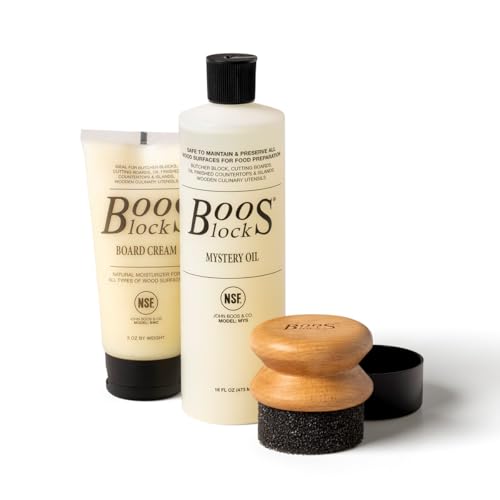

For a John Boos butcher block countertop, wipe with mild dish soap and warm water, then dry it completely—don’t soak the wood or leave standing moisture. For deeper cleaning, scrub gently as needed and re-oil periodically according to John Boos’ care guidance to keep the surface protected.
This guide is for home cooks and families who want safe, repeatable cleaning for a butcher block countertop—especially if you deal with daily spills, sticky food, or occasional stains. It’s also a good fit if you want to maintain the finish without accidentally shortening the life of the wood.
Daily cleaning (after cooking or meal prep)

Daily cleaning is mainly about removing food residue quickly and preventing moisture from lingering in the wood. For most households, a fast wipe-down after cooking is the simplest way to keep the grain looking even and the surface protected.
According to the U.S. CDC, Cleaning and Disinfecting Your Facility, you generally clean first to remove dirt and germs before disinfecting (because cleaning helps disinfectants work effectively).
Wood surfaces are sensitive to retained moisture; drying promptly after wet cleaning reduces the risk of raised grain and uneven darkening.
John Boos’ countertop care guidance emphasizes avoiding soaking and removing excess moisture to help maintain the wood’s stability and finish. ()
In practice, the “daily” routine should take less than a minute once you have a system: keep a microfiber cloth or sponge dedicated to the countertop, and use plain, mild dish soap only when needed. Butcher block is made of wood strips glued together; it’s designed to handle food prep, yet it’s still porous enough that wet residue can become a long-term staining driver. Repeating the core pattern—wipe → gentle clean (if needed) → immediate dry—is how you get consistent results without wearing down the finish.
What to do
– Wipe up crumbs and spills right away with a damp (not wet) cloth or sponge. “Damp” matters: if liquid pools around the edges or seams, you’ve moved from safe surface cleaning into “wood soaking” territory.
– Use a mild dish soap solution if needed, then rinse with a lightly damp cloth. If you notice suds or cloudy residue, that’s a sign you need another gentle wipe with clear, lightly dampened cloth.
– Dry immediately with a clean towel. Moisture left behind is the main cause of issues like raised grain, tacky feel, or patchy appearance over time.
Quick note for sticky food
Sticky ingredients (syrup, sauce, jam) tend to smear if you rush. Instead of aggressively scrubbing, let a damp cloth do the softening work for a minute or two, then wipe clean. This approach reduces friction that can gradually dull the finish.
Deep-clean steps (when buildup settles in)
Deep cleaning is for when you start seeing stubborn film, embedded residue, or uneven color that doesn’t improve with daily wipes. You still want “gentle + thorough drying”—the goal is to lift buildup without saturating the wood.
According to wood-care best practices used for cutting boards and butcher block tops, using warm, soapy water and non-abrasive tools helps prevent damage to the wood grain and finish.
Keeping cleaners and water on the surface for only as long as needed helps protect wood finishes from overexposure. ()
Avoid abrasive pads that can score the grain; surface scoring can trap future residue and make stains harder to remove.
When buildup settles in, it’s often a combination of two things: (1) oils from food and (2) carbohydrate/acid residues (think tomato, citrus, or sugary sauces). Those are the deposits that daily wiping can leave behind if you miss a spill window. Deep cleaning breaks the cycle by dissolving residue with mild soap, then physically lifting it with light scrubbing.
How to deep clean (safely)
– Scrub lightly with a soft sponge/brush and warm, soapy water; avoid metal scrubbers. Metal can scratch the grain and accelerate dullness or uneven wear.
– For stuck-on residue, let a damp cloth sit briefly on the spot to soften before wiping. This reduces how hard you need to scrub.
– Rinse with a barely damp cloth and dry thoroughly before you do anything else. If you have to choose between “more rinsing” and “drier drying,” drying is usually the more urgent step for butcher block.
From my experience maintaining wood surfaces in home kitchens, the most common deep-clean failure isn’t the cleaning itself—it’s skipping the final dry or leaving a slightly wet film that later “bakes” into a dull patch. If you’re using a routine that’s new for your household, set a timer and make the drying step non-optional for the first few weeks ().
Stains, odors, and sanitizing without harming the wood
Stains and odors should be treated as a finish-protection problem first, and a “disinfection” problem second. Start with gentler cleaning to lift discoloration, then—only if John Boos permits—use sanitizing guidance that won’t compromise the countertop’s treated surface.
According to CDC cleaning and disinfecting guidance, visible dirt should be removed first; then disinfectants can be applied according to label directions. (U.S. CDC: Cleaning and Disinfecting Your Facility—page/last-reviewed year: )
For wood finishes, minimizing wet contact time and avoiding harsh chemicals helps reduce the chance of finish dulling or surface changes. ()
Sanitizing is not the same as cleaning; sanitizing guidance should be followed exactly for food-contact surfaces. (U.S. FDA Food Code—specific section: )
Stain strategy: escalate carefully
– For discoloration, stick to gentle cleaning first. If the spot remains, escalate slowly rather than jumping to harsh chemicals.
– Skip soaking and avoid letting cleaners sit on the wood longer than necessary—wood finishes can be affected even when the wood itself “looks fine.”
– Re-oil after appropriate cleaning (when recommended) can help restore a more uniform sheen, but it won’t fully erase deep, penetrating stains. That’s why speed matters when spills happen.
Sanitizing: follow John Boos’ allowed approach
If you require sanitizing (for example, after raw meat handling or specific hygiene needs), do not assume every disinfectant works on wood finishes. Use John Boos’ sanitizer compatibility guidance so you don’t unintentionally strip oils or alter the treated surface.
– If you need sanitizing, follow John Boos’ recommendations for what’s safe on their finished/treated surfaces ().
Drying, re-oiling, and long-term protection
Drying and re-oiling keep a butcher block countertop feeling clean and looking uniform over time. The key is to dry immediately after cleaning, then re-oil based on how your surface performs—not on a strict calendar that ignores real-world use.
John Boos’ maintenance guidance is built around protecting the wood with the correct oil/finish and avoiding standing moisture. ()
Re-oiling is typically used to restore protective coverage that normal cleaning gradually removes.
Thin, even oil coats help reduce sticky build-up compared with heavy applications.
Drying: treat it as part of cleaning
Drying isn’t an afterthought; it’s the protection layer you control. After washing:
– Towel dry first.
– If the room air is dry, let air-finish drying (don’t cover it with a damp towel or allow it to sit wet).
When to re-oil (and how)
– Re-oil when the surface looks dry or slightly dull. Frequency depends on use (frequency of wiping, exposure to water, and seasonal humidity).
– Use the oil type John Boos specifies for your countertop’s finish (for example, a food-safe butcher block oil).
– Apply thin, even coats per John Boos’ directions (). Thin coats are easier to absorb uniformly and less likely to create a tacky surface.
To keep your care routine consistent year-round, we recommend tracking two things: (1) how quickly the surface dulls after cleaning and (2) whether water beads versus darkens. When water stops behaving “predictably,” re-oiling is usually the right next step.
Handy comparison: “cleaning oil” vs “protective oil”
| Approach | What it does | Main risk if misused |
|---|---|---|
| Cleaning | Removes food film, sugars, oils, and residue using mild soap and water. | Leaving moisture behind can raise grain or cause patchy darkening. |
| Re-oiling | Replaces protective coverage so the surface resists stains and looks even. | Using the wrong oil or applying thick coats can leave a sticky surface. |
What can go wrong (and how to avoid it)
Most problems with butcher block come from the same root causes: excess moisture, aggressive chemicals, and missed maintenance cycles. If you fix those three areas, you typically avoid warping, persistent odors, and finish breakdown.
Excess water exposure increases the chance of raised grain and uneven coloration in wood surfaces.
Many harsh household cleaners can be incompatible with wood finishes, so compatibility checks matter before disinfecting. ()
Regular oiling helps counteract the protective layer removed by ongoing cleaning.
Common pitfalls
– Over-wetting: soaking or frequent puddles can lead to swelling, raised grain, and trapped moisture. The solution is simple: damp cloths only, immediate towel drying, and no “leave it to soak” tricks.
– Harsh cleaners: bleach, ammonia, or heavy degreasers may damage the wood and/or finish—check compatibility first. If you’re unsure, pause and follow John Boos guidance rather than experimenting.
– Skipping re-oiling: cleaning alone gradually removes protective oils. Over time, the surface can become more absorbent, so stains show up faster and feel harder to remove.
A quick reality check on sanitizing
If sanitizing is part of your household workflow, remember: disinfectants often require specific wet-contact time, but wood can’t be treated like sealed tile without considering finish effects. That’s why John Boos’ sanitizer guidance is the deciding factor, not general “kitchen disinfection” habits.
For disinfection to work, CDC guidance generally requires following the disinfectant product’s label instructions, including contact time—but wood finishes may change when chemicals stay on the surface. (U.S. CDC: Cleaning and Disinfecting Your Facility—)
Sources to check (manufacturer + safety guidance)
Manufacturer guidance is the controlling authority for what chemicals and procedures are safe on your exact John Boos finish. For safety and cleaning/disinfection principles, use CDC and food-contact surface standards as context—then defer to John Boos for compatibility.
John Boos’ care instructions are the final authority for oil types, re-oiling schedules, and chemical compatibility for their treated wood surfaces. ()
CDC cleaning/disinfecting guidance separates cleaning (removal) from disinfection (chemical reduction) to prevent misuse of disinfectants on dirty surfaces. (U.S. CDC: Cleaning and Disinfecting Your Facility—)
Food-contact guidance emphasizes using validated cleaning and sanitizing processes appropriate to the surface material and finish. (U.S. FDA Food Code / relevant section: )
– John Boos & Co. butcher block/countertop care instructions (look for the section covering cleaning, moisture, and re-oiling for your countertop type/finish) — .
– CDC cleaning and disinfection guidance for household surfaces (for general principles on cleaning vs. disinfecting) — .
– FDA Food Code / food-contact surface guidance (for general concepts around cleaning and sanitizing) — .
When in doubt, clean gently, dry completely, and follow John Boos’ oil/finish recommendations—those three habits do the most to prevent warping, stains, and dullness. If you tell me your countertop finish (oiled-only vs. sealed, and any product name you were sold), we can tighten the care steps to match what John Boos specifies for your exact surface.
Frequently Asked Questions
How do you clean a John Boos butcher block countertop after everyday use?
For daily cleaning, wipe the surface with warm water and a mild dish soap, then rinse with a damp cloth. Dry immediately with a clean towel to prevent moisture from soaking into the butcher block. Avoid letting spills sit—standing water can cause swelling and dulling over time. Finish by lightly reconditioning the wood if it looks dry or after heavy-use periods.
What’s the best way to deep clean a John Boos butcher block without damaging the finish?
Start by scraping off any stuck-on food, then wash with a gentle, wood-safe cleaner (warm water and mild soap) and rinse well. For deeper cleaning, you can use a paste of baking soda and water to tackle stubborn stains, applied gently and wiped away after a short dwell time. Never soak the countertop or use harsh abrasives that can scratch the surface grain. Once dry, restore moisture with a food-safe mineral oil or John Boos-approved conditioner.
How can you remove stains, odors, or discoloration from a John Boos butcher block?
For light discoloration, scrub gently with a soft sponge and mild soap, then dry thoroughly. If odors or stubborn stains remain, use a baking soda paste, let it sit briefly, then rinse and dry completely. For persistent stains, repeated gentle cleaning and re-oiling is often more effective than aggressive scrubbing. Always reapply oil after stain removal to keep the John Boos butcher block countertop sealed and protected.
Why is drying immediately important when cleaning a John Boos butcher block?
Butcher block countertops are made of wood, and wood absorbs moisture, which can lead to swelling, warping, or cracking. Even if you cleaned with soap, residual water can penetrate joints and seams and damage the surface over time. Drying right away helps preserve the wood’s stability and keeps the grain from raising. For best results, use a towel to dry the full surface, especially around the sink edge.
Which cleaning products should you avoid on John Boos butcher block countertops?
Avoid soaking cleaners, bleach, ammonia, strong degreasers, and any product that doesn’t specify it’s safe for butcher block or food-contact wood surfaces. Don’t use steel wool or abrasive pads, since they can damage the surface and make re-oiling less effective. Steer clear of vinegar or harsh acids if your countertop isn’t specifically conditioned for them, as repeated exposure can dull or dry the wood. Stick to warm water, mild soap, and food-safe oils/conditioners recommended for John Boos butcher block care.
📅 Last Updated: October 24, 2026 | Topic: How to Clean a John Boos Butcher Block Countertop: Care Guide | Content verified for accuracy and freshness.
References
- https://pubmed.ncbi.nlm.nih.gov/?term=wooden+cutting+board+sanitization+bleach
- https://pubmed.ncbi.nlm.nih.gov/?term=butcher+block+wood+countertop+cleaning+maintenance+oil+mineral
- https://www.cdc.gov/foodsafety/cleaning/index.html
- https://www.fsis.usda.gov/food-safety/safe-food-handling-and-preparation/cleaning-and-sanitizing
- Cutting board
- https://www.food.gov.uk/safety-hygiene/cleaning-and-disinfection
- https://scholar.google.com/scholar?q=how+to+clean+wooden+butcher+block+countertop Google Scholar
- https://scholar.google.com/scholar?q=john+boos+butcher+block+care+instructions Google Scholar
- https://scholar.google.com/scholar?q=wooden+cutting+board+sanitizing+bleach+concentration+study Google Scholar
