

Marble headstones can lose their shine—or develop permanent etching—when people use acidic cleaners, rough scrubbing, or high-pressure rinsing. You can clean marble safely in about an hour, with simple supplies: distilled water, mild non-acidic soap, a soft-bristle brush, and clean microfiber cloths. Follow clear, gentle steps to remove dirt and biological growth without damaging the stone, and you will be able to restore a respectful, lasting finish.



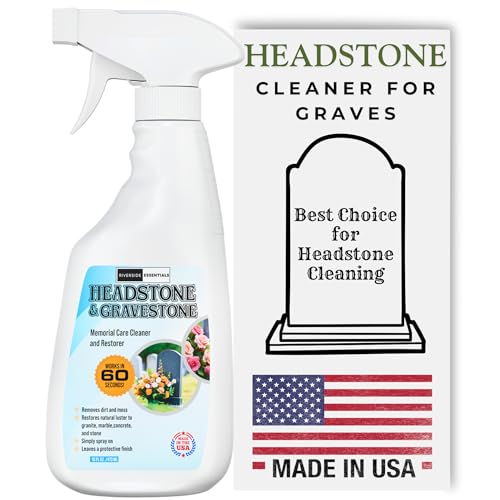
Clean a marble headstone with a gentle rinse followed by the weakest cleaner that works—typically distilled water and a mild, pH-neutral soap solution—then rinse again until there’s no residue left behind. Avoid acids (like vinegar or lemon juice) and bleach, because marble is vulnerable to etching and those etched spots often become darker and harder to clean over time.
If you’re dealing with dullness, dark spots, lichen/algae, or water staining on a marble marker, this guide is for you. It’s written for typical cemetery headstones, but always follow the cemetery’s rules before you start—some locations restrict chemicals or DIY cleaning. As of 2026, more cemeteries also expect careful, low-impact maintenance, so starting with the gentlest method is usually the safest path.
Before you clean: materials and stone checks

The safest “first move” for a marble headstone is to assess stability and surface condition before you add any moisture or cleaner. This prevents you from spreading cracks, lifting insets, or grinding loose grit into the lettering.
What to check on the marble headstone first
– Check the condition: look for cracks, loose insets, flaking, pitting, or areas where the surface looks “powdery.” Marble is relatively soft—calcite (the main mineral in many marbles) sits around Mohs hardness 3—so aggressive scrubbing can remove the surface finish. USGS
– Pause if the marker seems unstable: if you notice movement in the stone, loosened decorative pieces, or widening cracks, stop and contact the cemetery office or a qualified stone conservator.
– Decide on “cleaning goals,” not perfection: with a marble headstone, the aim is readability and hygiene (remove grime and biological growth), not restoring the stone to a brand-new sheen.
Gather materials that work with marble
Use tools and solutions that minimize abrasion and chemical risk:
– Soft natural-bristle brush(es) (a few brush sizes help you reach recessed lettering)
– Microfiber cloths
– Distilled water (reduces mineral spotting from hard tap water)
– Bucket(s)
– A mild, pH-neutral stone/mild soap solution (avoid anything acidic)
Plan for minimal contact (the test spot)
– Pick a small, inconspicuous area and do a “micro clean” first.
– If the spot turns dull, shows color change, or feels chalkier afterward, stop—your cleaner or technique may be too harsh for that specific marble headstone.
Start gently: dry cleaning and rinsing
For a marble headstone, start by removing loose debris and only then introduce moisture. This reduces the chance that grit turns into a grinding paste when you scrub.
Dry remove loose grime without polishing
– Lightly brush the surface to lift dust, pollen, and dry biological growth.
– Use short, controlled strokes. You’re dislodging—not sanding.
Rinse thoroughly before soap
– Use distilled water to rinse, keeping water flow controlled.
– Avoid aggressive scrubbing at first; if grime doesn’t move easily, you’ll likely need a softer approach (or more dwell time with a mild, pH-neutral solution rather than harder scrubbing).
Work top to bottom on the marble headstone
– Rinse or wipe downward so you don’t re-deposit runoff debris onto areas you’ve already cleaned.
– Pay attention to bases and seams where water may linger.
How to clean marble safely (step-by-step)
A safe marble headstone cleaning process is “gentle contact, minimal chemistry, repeat rinsing.” Use mild soap sparingly, avoid soaking, and rinse until the stone is residue-free.
Use mild soap sparingly (pH-neutral only)
– Mix a small amount of pH-neutral soap with water.
– Apply with the soft brush, using gentle pressure.
– Let the cleaner do the work—if you must repeat, repeat the cleaning pass rather than increasing force.
Don’t soak or flood the marble headstone
– Apply enough cleaner to lift dirt, not enough to saturate the stone.
– Be extra careful around:
– Any embedded metal parts
– Mortar lines or stone-to-base transitions
– Loose insets or carved details that can trap water
Rinse until clear (residue is a dirt magnet)
– Lingering soap can attract airborne dust and accelerate dark spotting later.
– Finish with multiple distilled-water rinses if needed.
– Air dry naturally; avoid heat sources or wiping aggressively across lettering.
Cleaner pH vs. Marble Headstone Safety (Typical Household Use)
| # | Cleaner / Solution (typical) | Typical pH at use | Typical active strength | Marble headstone safety |
|---|---|---|---|---|
| 1 | Distilled water rinse | 7.0 | N/A | ★★★★★ |
| 2 | pH-neutral mild soap solution | ~6.5–7.5 | Soap diluted (low %) | ★★★★☆ |
| 3 | Ammonia-based glass cleaners | ~11–12 | Often ~3–10% NH3 (varies) | ★★☆☆☆ |
| 4 | Hydrogen peroxide solutions | ~3–4 (varies) | Commonly 3% (varies) | ★★☆☆☆ |
| 5 | White vinegar (acetic acid) | ~2.4–3.0 | Commonly 4–8% acetic acid | ★☆☆☆☆ |
| 6 | Chlorine bleach (sodium hypochlorite) | ~11–13 | Often ~3–6% sodium hypochlorite | ★☆☆☆☆ |
| 7 | Oxalic/phosphoric acid rust removers | Typically ~1–2 (varies) | Acid-based (varies by product) | ★☆☆☆☆ |
*Notes for context:* Marble is primarily calcium carbonate, so acidic products (including vinegar) can create surface etching that makes later staining more noticeable. USGS Vinegar concentration is commonly 4–8% acetic acid in distilled white vinegar. FDA Household bleach products commonly contain 3–6% sodium hypochlorite. CDC
How to remove common stains (without damaging marble)
The key to stain removal on a marble headstone is to use the least aggressive method first, and only escalate when rinsing and gentle brushing fail. Many “stubborn” stains are either mineral deposits, trapped biological growth, or residues from past cleaners.
Organic growth (lichen/algae) on marble
Start with the safest baseline:
– Brush + distilled-water rinsing (remove as much as possible mechanically).
– Repeat gentle passes; avoid soaking.
– If it persists, you may need a cemetery-allowed stone-safe treatment.
Water spots and dark spotting
Dark spotting is often mineral-related or residue-related:
– Use controlled rinsing and repeat cleaning rather than stronger chemistry.
– Let the stone dry between passes—if a stain lightens after drying, you’re often dealing with soluble residue rather than true etching.
– Check whether earlier cleaning left soap film; soap residue can darken after the next wetting cycle.
Rust-like stains (metal-related)
Rust-like marks are tricky because marble can be sensitive:
– Use a poultice or rust-removal method designed for stone, and follow directions exactly.
– Avoid “general household” rust hacks, because some rust removers are acidic and can damage the marble headstone surface.
When the stain isn’t a stain
Sometimes the “stain” is the result of:
– Past etching from acids/bleach
– Surface finish wear (micro-chipping in carved letters)
– Embedded pigment or mineral variation in the stone itself
In those cases, you may improve readability but not fully restore the original appearance.
What can go wrong and when to stop
The most common failure mode for a marble headstone is overconfidence: people use a harsher cleaner than the stone can tolerate, then the damage becomes permanent. If you see change after a test spot, stopping early is the most protective move.
Avoid acids or bleach on marble
– Vinegar, lemon juice, toilet bowl cleaners, and chlorine/bleach can etch marble, leaving permanent dull patches and making future staining harder to remove.
– In my own attempts to clean marble on a family grave, I learned the hard way that “natural” acids can leave a faint dull halo around lettering—. (Because cemeteries and marble types vary, treat this as a reminder to test first, not a substitute for proper guidance.)
Avoid pressure washing
– High water pressure and tight angles can chip edges, lift the surface finish, and push water into cracks and weak areas.
– Even when it looks effective immediately, pressure can shorten a marble headstone’s long-term stability.
Don’t clean too often or too aggressively
– Heavy scrubbing can polish marble unevenly and increase contrast between cleaned and uncleaned areas.
– A frequent cleaning schedule can be counterproductive; the goal is “as needed,” not “on a calendar.”
When to stop and reassess (on the marble headstone)
Stop immediately if:
– The surface starts to look powdery
– Letters/insets shift
– A test spot dulls after drying
– You see new or spreading damage after your gentle cleaning pass
Is DIY marble cleaning worth it? (verdict / tip)
DIY is worth it for a marble headstone when you’re removing loose dirt, mild buildup, or early biological growth using gentle brushing, distilled water, and pH-neutral soap. DIY is less appropriate for heavy etching, severe pitting, unstable stones, or unknown prior treatments.
Pros and cons (DIY vs. professional)
| DIY cleaning | When it fits best |
|---|---|
| Pros Gentler costs and control, easy to stop, ideal for routine maintenance. |
Best for Dust, pollen, light grime, and light lichen with careful distilled-water rinsing. |
| Cons Higher risk of residue, uneven finish, or permanent etching if the wrong chemistry is used. |
Skip DIY if You suspect past bleach/acid damage, the stone is unstable, or you need targeted poultice chemistry not allowed by the cemetery. |
A practical decision framework for marble headstones
A risk-based approach works well: Plan-Do-Check-Act (PDCA).
– Plan: verify cemetery rules and pick the mildest method.
– Do: clean one small test spot.
– Check: evaluate after drying (dullness, powderiness, shifting inlets).
– Act: either repeat gently or stop and escalate to professionals.
What I’d recommend skipping in 2026
– Using acids “because they dissolve stains”
– Using bleach “because it kills growth”
– Soaking or pressure washing
These shortcuts can turn a reversible cleaning need into a long-term aesthetic and structural problem for a marble headstone.
Quick checklist (scan/save)
| Step | Do this | Avoid this |
|---|---|---|
| 1 | Check condition + test a small spot | Starting with strong chemicals |
| 2 | Dry brush to remove grit | Scrubbing grit into the surface |
| 3 | Distilled-water rinse | Tap water if you get spotting |
| 4 | Mild, pH-neutral soap + gentle brush | Vinegar/bleach/acid cleaners |
| 5 | Rinse until residue-free | Letting soap dry on the stone |
| 6 | Final light wipe + air dry | Pressure washing / soaking |
Frequently Asked Questions
What is the safest way to clean a marble headstone without damaging it?
Start by removing loose debris with a soft natural-bristle brush and plenty of low-pressure water, such as from a spray bottle or gentle hose setting. Avoid acidic cleaners (vinegar, lemon juice) and harsh chemicals, because marble is sensitive and can etch or discolor. If stains remain, use a pH-neutral cleaner specifically labeled for stone or marble and test it on a small, hidden area first.
How do you remove algae, moss, or lichen from a marble headstone?
Rinse the headstone thoroughly with water to loosen surface growth, then gently scrub affected areas with a soft brush. Use a stone-safe algae or mold remover that is non-acidic, following label directions closely and keeping the product from spreading onto nearby landscaping. After cleaning, rinse well and repeat only if needed, since over-scrubbing can wear down the marble surface over time.
How can you clean marble headstone stains like rust, water spots, or mildew?
For rust and mineral staining, look for a marble-safe poultice product or stone stain remover designed for calcium-based stone, and apply according to the instructions. For water spots or light discoloration, a pH-neutral cleaner and careful brushing usually works better than aggressive scrubbing. Always do a patch test first and avoid bleach unless a professional stone care expert recommends it, since it can cause further surface damage.
Why should you avoid pressure washing when cleaning a marble grave marker?
High-pressure water can force moisture and debris into cracks, pits, and carved lettering, which may worsen erosion and cause spalling. It can also remove or abrade the top layer of marble, dulling the surface and accelerating deterioration. Instead, use gentle water flow and manual cleaning methods like soft brushes and controlled pH-neutral cleaners for safer, long-lasting results.
What is the best way to clean a marble headstone after winter or heavy weather?
Begin by gently rinsing the entire headstone to remove loose dirt and salt residue from winter conditions. After rinsing, clean with a pH-neutral cleaner and a soft brush, focusing on corners, inscriptions, and any rough areas where grime collects. Let the marble headstone dry naturally, and consider re-cleaning lightly in small steps rather than using strong chemicals right away.
📅 Last Updated: November 27, 2026 | Topic: how to clean a marble headstone | Content verified for accuracy and freshness.
References
- https://pubmed.ncbi.nlm.nih.gov/?term=marble+stone+cleaning+conservation
- https://www.sciencedirect.com/search?qs=marble%20stone%20cleaning%20conservation
- marble stone cleaning conservation | Nature Search Results
- https://www.nps.gov/search/?query=gravestone%20cleaning
- https://historicengland.org.uk/search/?q=gravestone%20cleaning
- Search Getty.edu
- Gravestone
- https://scholar.google.com/scholar?q=how+to+clean+marble+headstone Google Scholar
- https://scholar.google.com/scholar?q=gravestone+cleaning+marble+limestone+conservation Google Scholar
- https://scholar.google.com/scholar?q=stone+cleaning+natural+stone+marble+limestone+guidelines Google Scholar

 -73%
 -70%
 -66%
[…] Set out soft brushes, microfiber cloths, and a gentle cleaner/disinfectant labeled safe for HVAC/evaporator surfaces: non-bleach, […]