
Cleaning a partial denture is essential for maintaining oral hygiene and ensuring the longevity of the appliance. To effectively clean your partial denture, you should use a soft-bristle toothbrush, mild soap or denture cleaner, and rinse it thoroughly under warm water. Regular cleaning not only removes food particles and plaque but also prevents odors and potential infections. In this article, we’ll explore the steps and tips to keep your partial denture in optimal condition.
Understanding Your Partial Denture
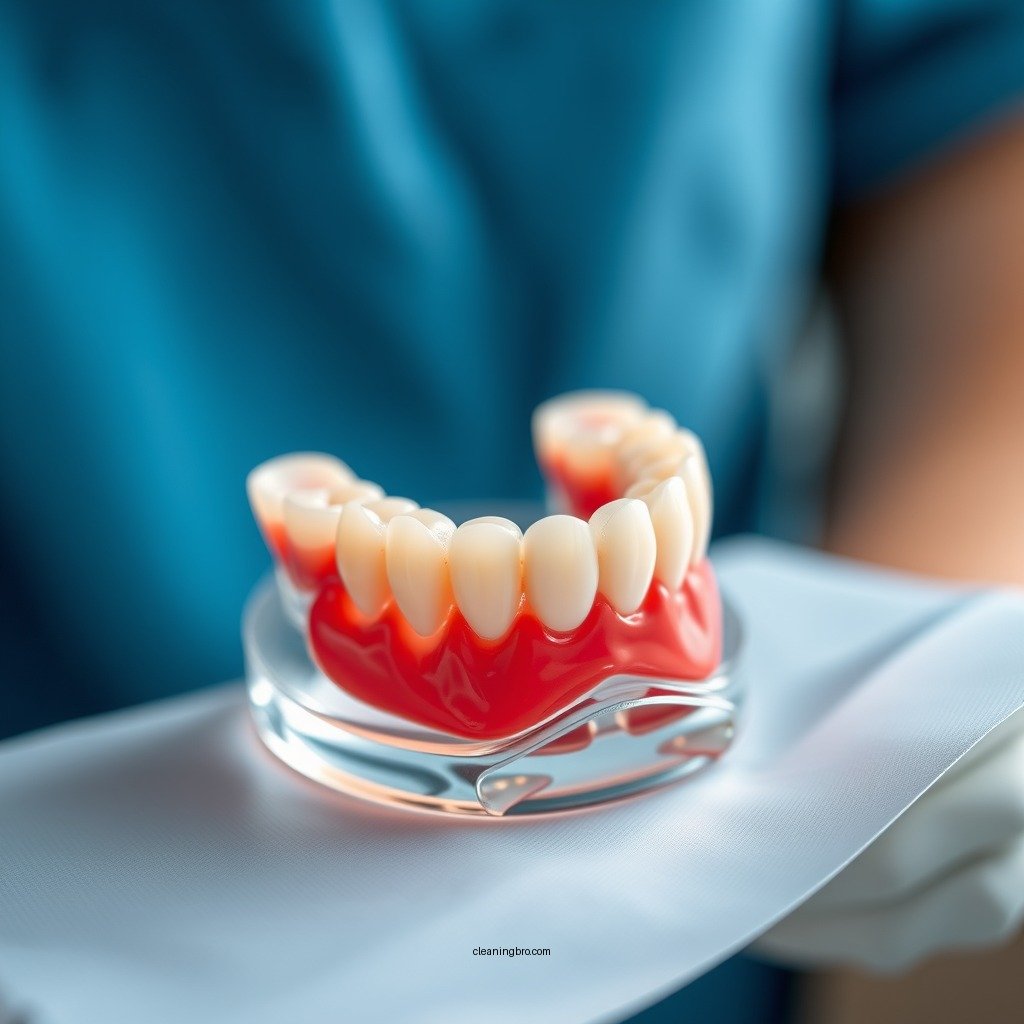
Partial dentures are typically composed of various materials, including acrylic resin, metal frameworks, and sometimes flexible polymers. Each material has unique cleaning requirements, making it imperative to understand how to care for your specific type of denture. For instance, acrylic dentures may be more prone to staining and require more frequent cleaning, while metal components may require special attention to avoid corrosion.
Daily cleaning is crucial to prevent plaque buildup, which can lead to gum disease and other oral health issues. Bacteria and food particles can accumulate on the surface of the denture, making it essential to establish a consistent cleaning routine. Moreover, maintaining cleanliness not only benefits your oral health but also enhances the aesthetic appearance of your denture, ensuring it remains clear and free from discoloration.
Daily Cleaning Routine
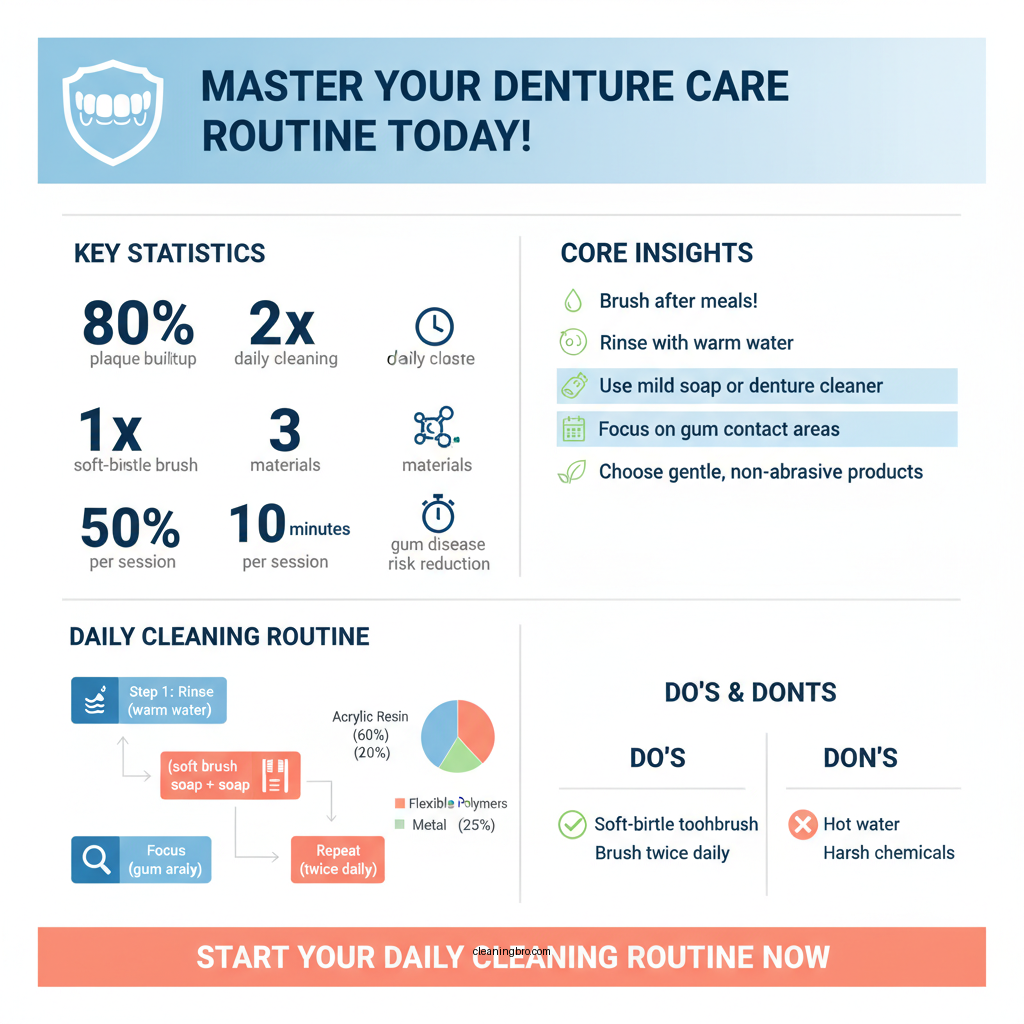
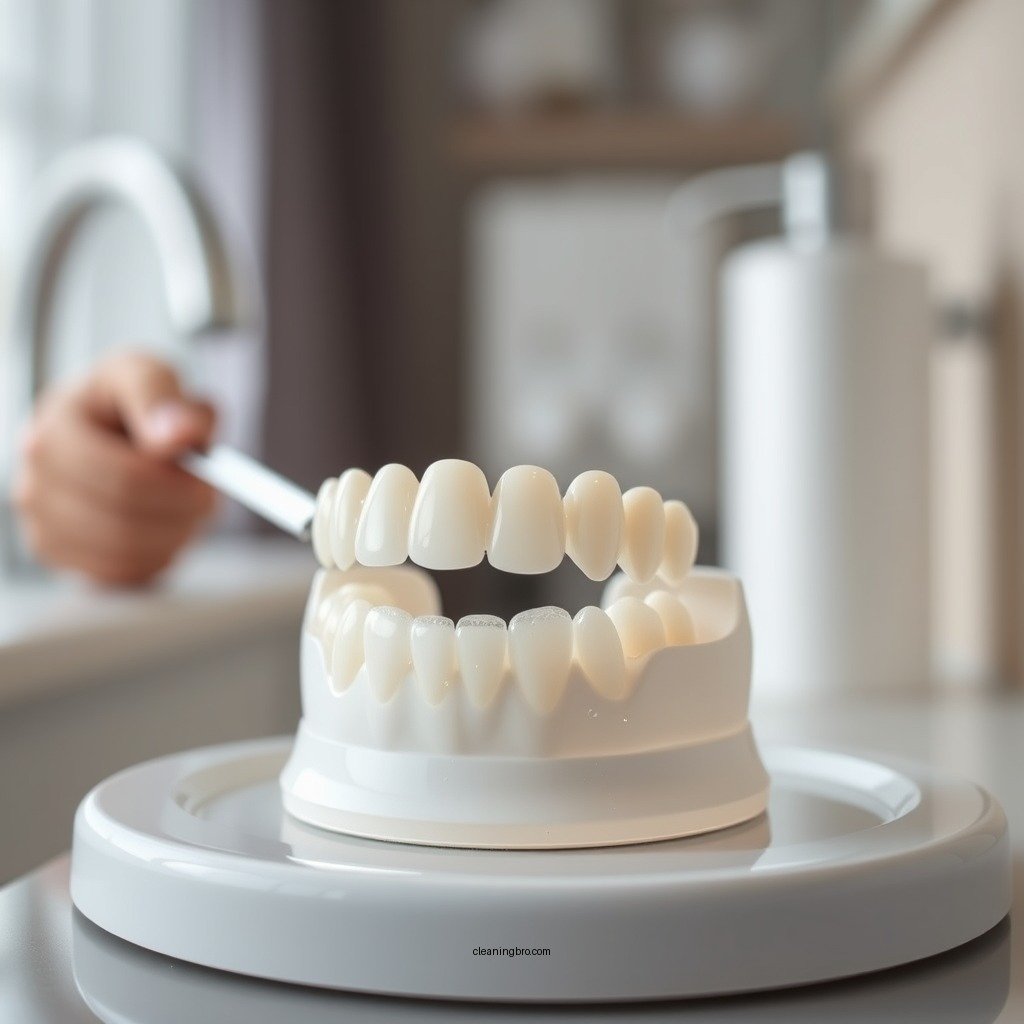
To effectively clean your partial denture, start with a soft-bristle toothbrush specifically designated for denture care. Regular toothbrushes can be too abrasive and may scratch the surface of your denture. Gently brush your denture after meals to remove any food particles. Pay special attention to the areas that come into direct contact with your gums, as these can harbor bacteria.
After brushing, rinse your denture thoroughly under warm water. Avoid using hot water, as it can warp the denture material. Rinsing helps to eliminate any remaining debris and bacteria. It is advisable to perform this cleaning routine at least twice a day, ideally in the morning and before bed, to ensure optimal hygiene.
Recommended Cleaning Products
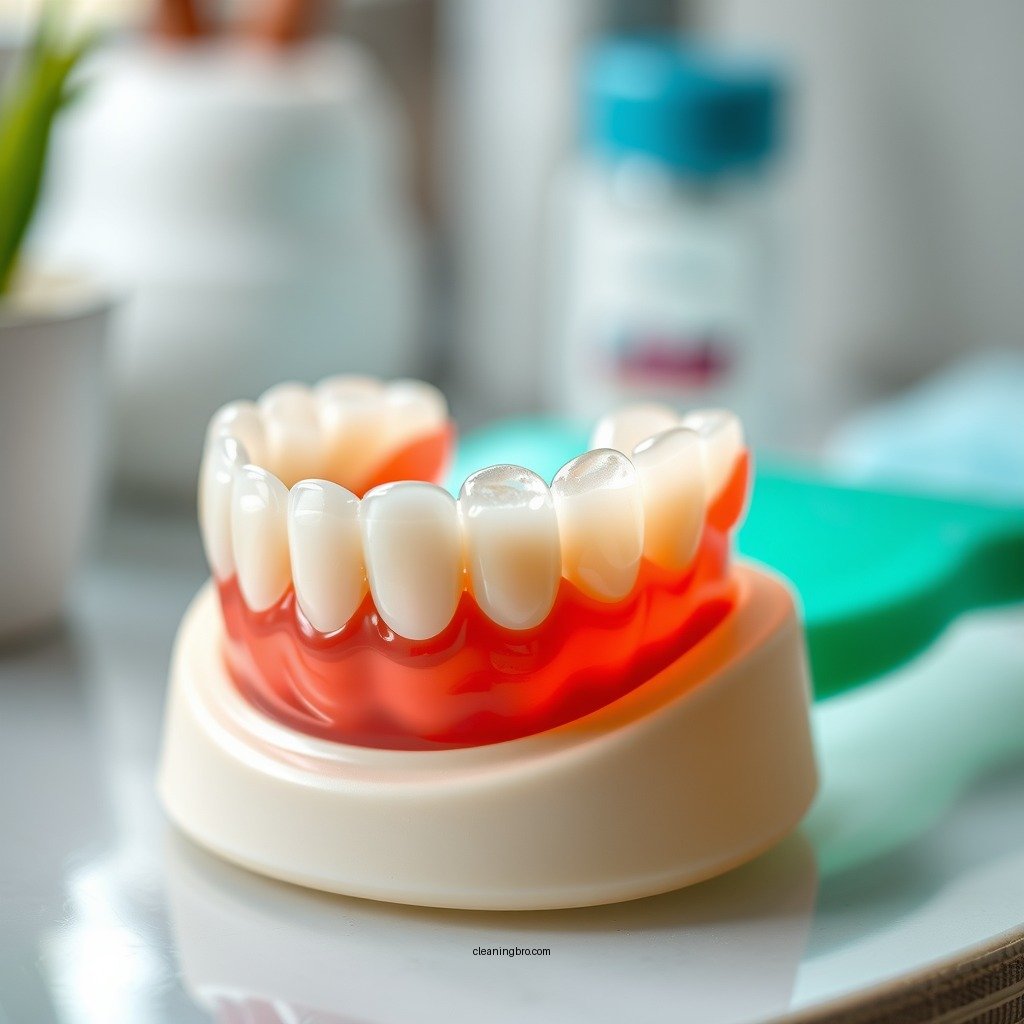
When it comes to cleaning your partial denture, several products are available on the market. Denture cleaning tablets are a popular option, as they dissolve in water and help to break down plaque and stains. Look for products that are specifically formulated for dentures and are free from harsh chemicals that could damage the material.
Mild soaps can also be effective for daily cleaning. Choose a gentle, non-abrasive soap that won’t harm the denture surface. Avoid using regular toothpaste, as it may contain abrasive ingredients that can scratch the denture. Always ensure that any cleaning product you choose is safe for dental appliances.
Top Denture Cleaning Products (2024)
| # | Product Name | Type | Effectiveness | Price |
|---|---|---|---|---|
| 1 | Polident Denture Cleaner | Tablet | High | $7.99 |
| 2 | Efferdent Cleanser | Tablet | Very High | $6.49 |
| 3 | Denture Brush | Tool | Moderate | $3.99 |
| 4 | Cleansing Wipes | Wipes | Moderate | $5.49 |
| 5 | Sodium Bicarbonate | Powder | Good | $2.49 |
| 6 | Denture Soaking Solution | Liquid | High | $8.99 |
| 7 | Denture Cleaning Gel | Gel | Very High | $9.99 |
Deep Cleaning Techniques
While daily cleaning is vital, deep cleaning your partial denture once a week is equally important to maintain its condition. Consider using a denture soaking solution designed to remove stubborn stains and bacteria. These solutions usually contain active ingredients that can break down plaque and help disinfect the denture.
To deep clean, follow the instructions on the soaking solution’s packaging. Typically, you will soak the denture in the solution for a specified time, after which you should rinse it thoroughly under lukewarm water. Avoid products containing bleach or alcohol, as these can damage the denture material.
For additional cleaning, you can create a paste using baking soda and water to gently scrub away any tough stains. This natural method is effective and safe for most denture materials.
Best Cleaning Methods for Partial Dentures
| Feature | ⭐ Soaking Solution | Toothpaste | Baking Soda |
|---|---|---|---|
| Effectiveness | Very High | Moderate | High |
| Ease of Use | Easy | Easy | Moderate |
| Cost | $8.99 | $3.99 | $0.50 |
| Safety for Material | Safe | Not Recommended | Safe |
| Odor Removal | ✅ Excellent | ❌ Limited | ✅ Good |
| Stain Removal | ✅ Effective | ❌ Can Stain | ✅ Effective |
| Time Required | Overnight | Immediate | 10-15 mins |
| Availability | Widely Available | Limited | Widely Available |
| 🏆 Best For | Effective stain and odor removal | Quick cleaning | Cost-effective |
Handling and Storing Your Denture
Proper handling and storage of your partial denture can significantly extend its lifespan. Always handle your denture over a soft surface, like a towel or a sink filled with water, to minimize the risk of damage in case it slips from your hands. Additionally, avoid using excessive force when inserting or removing the denture to prevent bending or breaking.
When not in use, store your denture in a safe, moist environment. Many denture wearers choose to keep their dentures in a soaking solution to prevent them from drying out. If you opt not to soak your denture, ensure that it is stored in a container with water to maintain its shape and prevent warping.
Regular Dental Checkups
Regular dental checkups are crucial for maintaining the comfort and hygiene of your partial denture. It is recommended to schedule professional cleanings at least once every six months. During these appointments, your dentist can provide a thorough cleaning that is not achievable at home and check for any signs of wear or fit issues.
If you experience discomfort or notice changes in how your denture fits, it’s essential to discuss these concerns with your dentist promptly. Changes in your mouth, such as bone resorption or changes in gum tissue, can affect the fit of your denture over time. Regular assessments will ensure that your denture remains comfortable and functional.
Maintaining a clean partial denture is crucial for your oral health and comfort. By following these cleaning tips and ensuring regular checkups, you can enjoy a healthier and more confident smile. Make cleaning your denture a part of your daily routine for the best results.
Frequently Asked Questions
How do I properly clean my partial denture?
To properly clean your partial denture, rinse it under warm water after each meal to remove food particles. Use a soft-bristled toothbrush and a non-abrasive denture cleaner to gently scrub the surface, focusing on any crevices. Avoid using regular toothpaste as it can be too harsh and may scratch the denture material.
What is the best way to store my partial denture overnight?
The best way to store your partial denture overnight is to place it in a container filled with a denture-soaking solution or plain water. This helps prevent the denture from drying out and maintains its shape. Make sure to clean the denture before storing it to remove any bacteria or residue.
Why is it important to clean my partial denture daily?
Cleaning your partial denture daily is crucial to prevent the buildup of plaque and bacteria, which can lead to oral infections or bad breath. Regular cleaning also helps maintain the integrity of the denture and ensures it remains comfortable and functional in your mouth. Neglecting proper hygiene can result in costly dental issues.
Which products are safe to use for cleaning partial dentures?
Safe products for cleaning partial dentures include specialized denture cleaners, mild soap, and warm water. Look for cleaners specifically designed for dentures to avoid harsh chemicals that can damage them. Avoid using bleach or any abrasive materials, as they can cause scratches and weaken the denture structure.
How often should I visit my dentist for partial denture maintenance?
It is recommended to visit your dentist for partial denture maintenance at least once every six months. Regular check-ups allow your dentist to assess the fit and condition of the denture, ensuring optimal function and comfort. Additionally, professional cleanings can help remove stubborn stains and plaque that regular cleaning may miss.
References
- https://www.mayoclinic.org/healthy-lifestyle/oral-health/in-depth/denture-care/art-20045785
https://www.mayoclinic.org/healthy-lifestyle/oral-health/in-depth/denture-care/art-20045785 - https://www.nidcr.nih.gov/health-info/dentures
https://www.nidcr.nih.gov/health-info/dentures - https://www.ncbi.nlm.nih.gov/pmc/articles/PMC5354730/
https://www.ncbi.nlm.nih.gov/pmc/articles/PMC5354730/ - https://www.cdc.gov/oralhealth/publications/factsheets/dentures.html
https://www.cdc.gov/oralhealth/publications/factsheets/dentures.html - Oral health
https://www.who.int/news-room/fact-sheets/detail/oral-health - Denture | Implant-Supported, Partial & Complete | Britannica
https://www.britannica.com/science/denture - Google Scholar Google Scholar
https://scholar.google.com/scholar?q=how+to+clean+a+partial+denture - Google Scholar Google Scholar
https://scholar.google.com/scholar?q=partial+denture+care - Google Scholar Google Scholar
https://scholar.google.com/scholar?q=denture+cleaning+techniques - how to clean a partial denture – Search results
https://en.wikipedia.org/wiki/Special:Search?search=how+to+clean+a+partial+denture
