
Cleaning oil off your engine can be straightforward if you follow the right steps. This process not only enhances the aesthetic appeal of your engine but also contributes to its overall health and performance. By removing oil and grease buildup, you reduce the risk of overheating and other engine issues while extending the lifespan of your vehicle. This guide will walk you through the cleaning process, ensuring your engine stays in top shape and free from harmful residue.



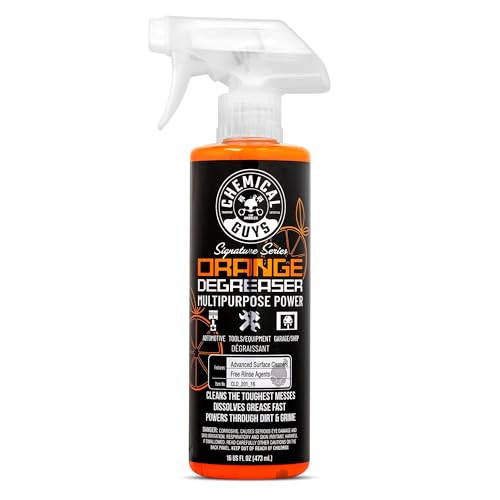
Gather Your Supplies

Before diving into the cleaning process, it’s essential to gather all necessary supplies to ensure a smooth and efficient cleaning experience. Here’s what you’ll need:

– Degreaser: Choose a degreaser specifically designed for engine cleaning. Look for products that are biodegradable and safe for the environment, such as citrus-based degreasers.
– Rags: Have multiple microfiber rags or old towels on hand to wipe away dirt and oil.
– Brushes: Soft-bristle brushes work well for scrubbing away stubborn grime without damaging engine components. A toothbrush can be handy for tight spots.
– Bucket: Use a bucket to mix water and degreaser if required.
– Personal Protective Equipment: Wearing gloves will protect your skin from harsh chemicals, and goggles will shield your eyes from splashes.
By having all these supplies ready, you can proceed with confidence and avoid unnecessary interruptions during the cleaning process.
Prepare the Engine


Proper preparation is crucial before applying any cleaning agents to your engine. Here are the steps to prepare your engine:
– Allow the Engine to Cool: Start with a cool engine to prevent burns. If you recently drove your vehicle, wait at least an hour for the engine to cool down completely.
– Disconnect the Battery: To prevent any electrical issues, disconnect the negative terminal of the battery. This step ensures safety while working around electrical components.
– Cover Sensitive Components: Protect sensitive areas of your engine, such as the air intake, electrical connections, and other vulnerable components, by covering them with plastic bags. This prevents water and degreaser from entering and causing damage.
Taking these precautions will help create a safer working environment and ensure that your cleaning efforts are effective.
Apply Degreaser

Now that you have prepared your engine, it’s time to apply the degreaser. Follow these steps for optimal results:
– Generously Spray the Degreaser: Apply the degreaser to all oily and greasy areas of the engine. Ensure that you cover every spot with a thick layer of the product.
– Allow it to Sit: Let the degreaser sit for the recommended time specified on the product label, usually between 5 to 15 minutes. This allows it to break down the oil and grime effectively.
– Agitate Thick Deposits: For areas with heavy buildup, use a brush to scrub gently. This action helps to loosen any stubborn deposits, making them easier to clean away.
Using a degreaser effectively is vital for achieving a thoroughly clean engine surface.
Top Engine Degreasers (2024)
| # | Product Name | Type | Effectiveness Rating | Price |
|---|---|---|---|---|
| 1 | Simple Green | Biodegradable | ★★★★☆ | $7.99 |
| 2 | Purple Power | Heavy Duty | ★★★★★ | $8.49 |
| 3 | Gunk Engine Degreaser | Foam | ★★★★☆ | $6.99 |
| 4 | Oil Eater | Biodegradable | ★★★★★ | $9.99 |
| 5 | Krud Kutter | Heavy Duty | ★★★★☆ | $7.49 |
| 6 | Berryman B-12 | Foam | ★★★★☆ | $5.99 |
| 7 | Lemon Scented Degreaser | Citrus | ★★★☆☆ | $4.99 |
Scrub and Rinse
After allowing the degreaser to work its magic, the next step involves scrubbing and rinsing the engine:
– Scrub Gently: Using your rags or soft brush, gently scrub the engine surfaces. Focus on areas with heavy oil buildup, scrubbing in circular motions to dislodge grime.
– Rinse Thoroughly: Use a garden hose or pressure washer set to a low setting to rinse off the degreaser. Ensure water does not enter sensitive areas; direct water away from electrical components and air intakes.
– Inspect for Residue: After rinsing, check for any remaining oil spots. If you find any, repeat the degreasing and scrubbing process in those areas.
Proper rinsing is essential to avoid any residue that could potentially harm your engine.
Effectiveness of Engine Cleaning Techniques
Dry the Engine
Once you’ve rinsed the engine, it’s important to dry it properly to prevent water spots and corrosion:
– Wipe Down with Rags: Use clean, dry rags to wipe down all visible surfaces. Pay special attention to areas where water might collect.
– Air Dry: Allow the engine to air dry completely before reassembling any parts. This could take about 30 minutes to an hour.
– Inspect for Residual Oil: After drying, check for any remaining oil spots. If you see any, repeat the degreasing and scrubbing process as necessary.
Proper drying is essential in maintaining the integrity of your engine and preventing rust.
Reconnect and Finish Up
After ensuring your engine is clean and dry, it’s time to finish up:
– Remove Protective Coverings: Take off any plastic bags used to cover sensitive components. Ensure that all parts are accessible and ready for reassembly.
– Reconnect the Battery: Reconnect the negative terminal of the battery, ensuring a secure and clean connection.
– Start the Engine: Turn on the engine to check that everything is functioning properly. Listen for any unusual sounds and observe if there are any leaks.
Your engine should now look clean and operate smoothly. Regular cleaning helps maintain engine performance and prolongs its lifespan.
Cleaning oil off your engine not only enhances its appearance but also helps maintain performance. By following these steps, you can efficiently remove oil buildup and keep your engine running smoothly. Remember to perform this maintenance regularly to avoid future buildup. Keeping your engine clean is a proactive step in ensuring its longevity and efficiency.
Frequently Asked Questions
What are the best methods to clean oil off of an engine?
The best methods to clean oil off of an engine include using a degreaser, hot soapy water, or a specialized engine cleaner. Start by applying the degreaser to the oily areas and let it sit for a few minutes. Then, scrub with a brush and rinse with water, ensuring that sensitive components are protected from excess moisture.
How do I remove oil stains from my engine block?
To remove oil stains from your engine block, first, ensure the engine is cool and then apply a degreaser directly to the stained areas. Use a stiff brush or an old toothbrush to scrub the stains, followed by rinsing with water. For stubborn stains, consider using a pressure washer while being cautious not to damage electrical parts.
Why is it important to clean oil off of an engine?
Cleaning oil off of an engine is crucial as it prevents the accumulation of dirt and grime, which can lead to overheating and reduced performance. Additionally, excessive oil buildup can make it difficult to spot leaks and could cause potential safety hazards. Regular cleaning helps maintain the engine’s longevity and efficiency.
Which products are safe for cleaning oil off of an engine?
Safe products for cleaning oil off of an engine include water-based degreasers, biodegradable engine cleaners, and citrus-based solvents. These products effectively break down oil without harming engine components or the environment. Always check the manufacturer’s recommendations to ensure compatibility with your engine type.
How often should I clean oil off my engine?
It is recommended to clean oil off your engine at least once a year or whenever you notice significant oil buildup. Regular maintenance, including checking for leaks and cleaning, can help identify potential issues early, ensuring your engine remains in optimal condition and operates efficiently.
References
- https://en.wikipedia.org/wiki/Engine_cleaning
https://en.wikipedia.org/wiki/Engine_cleaning - https://www.sciencedirect.com/topics/engineering/oil-cleaning
https://www.sciencedirect.com/topics/engineering/oil-cleaning - https://www.britannica.com/science/oil
https://www.britannica.com/science/oil - Google Scholar Google Scholar
https://scholar.google.com/scholar?q=cleaning+oil+off+engine - https://www.ncbi.nlm.nih.gov/pmc/articles/PMC6321835/
https://www.ncbi.nlm.nih.gov/pmc/articles/PMC6321835/ - https://www.nytimes.com/2020/02/14/automobiles/engine-cleaning.html
https://www.nytimes.com/2020/02/14/automobiles/engine-cleaning.html - https://www.cdc.gov/niosh/docs/2016-113/default.html
https://www.cdc.gov/niosh/docs/2016-113/default.html - Google Scholar Google Scholar
https://scholar.google.com/scholar?q=engine+cleaning+methods - https://www.reuters.com/article/us-automotive-cleaning-idUSKBN2A21L9
https://www.reuters.com/article/us-automotive-cleaning-idUSKBN2A21L9 - https://www.bbc.com/future/article/20210708-how-to-clean-an-engine-without-gunk
https://www.bbc.com/future/article/20210708-how-to-clean-an-engine-without-gunk
