

Want to know how to clean a pillow top mattress without ruining its comfort layers? Follow this step-by-step care guide to remove stains, deodorize, and freshen the fabric safely—so the mattress feels new again instead of trapped with grit and odors. You’ll get the exact process to use based on what you’re cleaning and what pillow-top materials are in play.



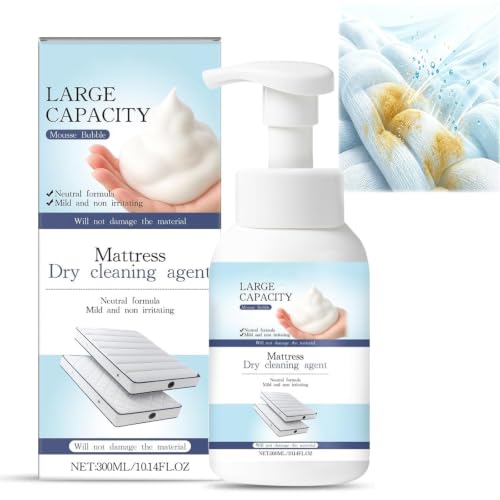
Cleaning a pillow top mattress is mainly about vacuuming thoroughly, spot-cleaning stains with minimal moisture, and fully drying before you put sheets back on. Start by following the care instructions on your mattress label, then use gentle cleaners and blot-don’t-soak methods to protect the pillow-top foam and quilting layer.
Who this is for / when it applies

This guide is for anyone trying to clean a pillow top mattress at home—especially if the top has a quilted cover, foam comfort layer, or a removable cover. It also works well when you want a fresher look and odor reduction without “deep soaking” the mattress.
If your mattress label says “do not wet,” “spot clean only,” or forbids certain chemicals, follow that first—this article matches those common constraints. In practice, that means keeping the pillow top mattress mostly dry, working stain-by-stain, and letting airflow do the heavy lifting after cleaning.
A pillow top mattress typically includes quilting and foam, so manufacturers commonly restrict moisture to spot-cleaning to avoid long dry times and trapped odors.
U.S. EPA guidance on mold prevention emphasizes fast drying after moisture exposure—commonly cited as within 24–48 hours—to reduce the risk of mold growth (EPA mold/moisture prevention guidance).
Prep your pillow top mattress (before any cleaner)
You get safer results by prepping first: remove bedding, vacuum the entire surface, and do a small blot test before using any cleaner. This step matters because pillow top mattress materials can hold dust in seams—wetting over debris can smear stains deeper.
Start with the care label because it overrides everything else. Then vacuum top, seams, edges, and any border piping so the pillow top mattress is free of grit that can turn into muddy marks when you spot-clean.
– Check the care label first: Confirm whether the manufacturer allows spot cleaning, machine washing of a cover, or any restrictions on detergents/chemicals. If the label is missing, default to the gentlest approach: vacuum + careful blotting.
– Remove bedding and loosen debris: Take off sheets, protectors, and any removable cover. Then vacuum the entire surface (top, seams, and edges) to pull out dust and grit that can smear when wet.
– Blot test in an inconspicuous spot: Try your chosen cleaner on a small hidden area to see if it causes discoloration or a texture change.
Common Care-Label Fit for Pillow-Top Cleaning Actions (General Guidance)
| # | Cleaning action | Primary goal | Moisture level | Care-label fit |
|---|---|---|---|---|
| 1 | Vacuum top + seams (before wetting) | Dust removal | None | ★★★★★ |
| 2 | Blot with a damp white cloth | Spot lifting | Low | ★★★★★ |
| 3 | Mild detergent mixed with water (cloth-applied) | Stain breakup | Low | ★★★★☆ |
| 4 | Deodorize with baking soda (if label allows) | Odor absorption | Dry | ★★★★☆ |
| 5 | Enzymatic cleaner for urine/odor (label-directed) | Odor source breakdown | Low–moderate | ★★★★☆ |
| 6 | Steam cleaning | Deep moisture injection | High | ★☆☆☆☆ |
| 7 | Pouring cleaner directly onto the pillow-top | Uncontrolled saturation | High | ☆☆☆☆☆ |
If you use a vacuum on a pillow top mattress before cleaning, you reduce loose dust that can become smear marks when moisture is applied.
HEPA filtration is designed to capture at least 99.97% of airborne particles around 0.3 microns (under the standard test definition), which supports why vacuuming helps when dust is the main issue (U.S. DOE HEPA filtration standard).
Remove stains safely (spot-clean method that won’t soak)
You remove stains from a pillow top mattress most safely by blotting with minimal moisture instead of scrubbing and soaking. This protects the foam comfort layer and quilting, which can trap liquid and keep odors longer.
The key technique is controlled transfer: dampen your cloth, blot the stain, and repeat. Avoid pressing aggressively or using too much solution—pillow top mattresses often include multiple padding layers, so liquid can migrate deeper than you expect.
– Use “blot + lift,” not “scrub + saturate”: Dampen a clean cloth, blot the stain lightly, and repeat—adding more solution only as needed. For many stains, you can lift the stain without aggressive rubbing.
– Choose a cleaner based on the stain type:
– Fresh spills: Blot, then use a small amount of mild detergent mixed with water (per label directions for your detergent), applied to the cloth—not poured onto the mattress.
– Body-oil/sweat marks: Use a gentle cleaner and keep moisture minimal; let it work, then blot again.
– Urine odors/stains: Use an enzymatic cleaner made for fabrics/urine and follow the product label exactly (these are designed to break down odor sources, but only when used as directed).
– Rinse carefully (if needed): If the cleaner leaves residue, lightly blot with a cloth dampened with plain water, then blot dry again.
To make the decision easier, here’s a quick stain-to-method comparison (for a pillow top mattress) you can follow without guessing:
| Stain type | Best first move | Cleaner type | What to avoid |
|---|---|---|---|
| Fresh drink spill | Blot immediately | Mild detergent + water (cloth-applied) | Scrubbing hard while wet |
| Sweat/skin oils | Work in small blot passes | Gentle cleaner (minimal moisture) | Soaking seams and borders |
| Urine + odor | Blot first, then treat | Enzymatic cleaner per label | Masking with fragrance sprays only |
A practical note for pillow top mattresses: residue is often the real reason a “spot” keeps looking darker later. If you used detergent and you notice tackiness or dullness, do a light water-blot rinse with a cloth (not a pour), then blot dry again.
CDC bed bug guidance treats laundering differently than routine cleaning: for bed-bug risk, bedding is washed in hot water at 130°F (54°C) and dried on high heat for 30 minutes (CDC bed bugs guidance).
Enzymatic cleaners are formulated to break down specific odor-producing compounds, so they work best when applied according to the product label rather than guessed amounts (Enzymatic cleaner product label instructions).
Deep-clean the whole top (freshening without damaging padding)
You deep-clean a pillow top mattress by freshening the surface—typically with dry deodorizing—while avoiding saturation of the foam and quilting. This is how you reduce general odors and dust without triggering long drying times.
Baking soda can be useful as a dry step, but only when the label allows it and when you’re able to vacuum it thoroughly afterward. If your pillow top mattress is already damp from spot cleaning, wait until it’s fully dry before adding any powder.
– Deodorize with baking soda (if your label allows it): Lightly sprinkle a thin, even layer over the dry mattress surface and let it sit for several hours, then vacuum it up. Don’t use excessive amounts—powder can be hard to remove from seams.
– Don’t overdo “wet cleaning”: Pillow tops often include foam and quilting that can take a long time to dry. Aim for surface cleaning and targeted spot treatment rather than soaking the comfort layers.
– Follow the “dry-first” rule: If the mattress is already damp from cleaning, wait to add any freshening step until it’s fully dry.
From my perspective as a practical, careful cleaner of home furnishings, the biggest “freshening” wins come from (1) removing dust with vacuuming and (2) fully drying afterward—more than from any aggressive chemical. For a pillow top mattress, that usually means you treat the mattress like layered upholstery: surface work plus patience, not pressure.
To help you decide when to use (or skip) dry deodorizing on a pillow top mattress:
Pros/Cons of baking soda for pillow top mattresses
– Pros: Low-moisture odor absorption; usually compatible with vacuuming when used lightly; good for “stale” smells after normal use.
– Cons: Can be tedious to remove from stitched seams if overused; may not be appropriate for every fabric cover; won’t address deep liquid contamination unless paired with proper stain/odor treatment.
EPA moisture guidance commonly recommends drying affected materials within 24–48 hours to limit mold risk, which is why “freshening” that adds moisture can backfire on a pillow top mattress (EPA mold/moisture prevention guidance).
When you add deodorizer to a damp pillow top mattress, you trap moisture inside the quilting—so the safe workflow is “dry first, then freshen.”
Drying and protecting (the step most people skip)
You protect your investment by drying the pillow top mattress completely before you remake the bed. Skipping drying is one of the most common reasons pillow-top mattresses develop lingering musty odors.
Use airflow: open windows, run a fan, and keep air moving around the mattress surface and edges. If you can, dry in a well-ventilated room and avoid putting sheets back on while any area feels even slightly damp to the touch.
– Dry thoroughly before remaking the bed: Use airflow—open windows, run a fan, and keep air circulating around the mattress. If you can, dry in a well-ventilated room and avoid putting sheets back on while any area feels even slightly damp.
– Avoid heat sources that can warp materials: Skip direct high heat (like intense hair-dryer blasting or close contact with heaters) unless your care label explicitly permits it.
– Use a mattress protector going forward: A waterproof or breathable protector can dramatically reduce future mess reaching the pillow-top layer—making future cleanups faster and less risky.
This is where the “dry-first” logic becomes non-negotiable for a pillow top mattress. Many fabrics and foams are tolerant of normal humidity, but they are not tolerant of trapped moisture. EPA’s mold-prevention messaging is built around avoiding those damp conditions long enough for growth to start (EPA mold/moisture prevention guidance).
The U.S. EPA’s mold guidance commonly stresses drying materials promptly (often cited as within 24–48 hours) to reduce mold risk after moisture exposure (EPA mold/moisture prevention guidance).
In general cleaning practice, airflow and time outperform “spot fixes” because they remove moisture that a pillow top mattress can retain inside quilting layers.
What can go wrong (common mistakes and edge cases)
You can damage a pillow top mattress most often by oversaturating the comfort layers or using harsh chemicals. The result is longer drying, lingering odor, discoloration, or texture changes in quilting.
Another common failure is skipping the final drying verification. Even if the top looks dry, moisture can remain in seams and stitching channels. If you notice a musty smell after cleaning, treat it as a drying problem first, not a “repeat stain” problem.
– Soaking the pillow-top layer: Too much liquid can seep into foam and take a long time to dry, increasing the risk of lingering odors or mildew. When in doubt, use less cleaner on the cloth and more blotting time.
– Using the wrong chemicals: Bleach, strong solvents, or heavy deodorizing sprays can discolor fabrics or damage comfort layers. Stick to what your mattress label allows; when unsure, choose mild, fabric-safe options and follow the product label.
– Rubbing stains in: Scrubbing can push the stain deeper into the quilting or damage the surface texture. Blot and lift instead.
– Skipping drying: Even “small” damp areas can smell later. If you notice a musty odor after cleaning, it usually means the mattress wasn’t fully dried.
– Non-removable stains on delicate covers: Some pillow tops use specialty fabrics that can’t handle certain cleaners. If the cover is delicate or heavily stained, consider professional cleaning.
If you’re dealing with a pest-related situation, the safest approach changes. For example, CDC bed bug guidance relies on heat and laundering rules (hot water at 130°F/54°C and dryer high heat for 30 minutes), not routine stain removal methods (CDC bed bugs guidance). A pillow top mattress can be tricky in those scenarios, so follow official guidance instead of “DIYing” with random chemicals.
For bed bug-contaminated bedding, CDC advises hot water laundering at 130°F (54°C) and drying on high heat for 30 minutes, which is different from standard stain cleaning of a pillow top mattress (CDC bed bugs guidance).
When moisture is trapped in a pillow top mattress, the risk shifts from “appearance” to “odor and mold,” so drying is a safety step—not just a comfort step.
Verdict / tip + scan-save checklist
Verdict: For most pillow top mattresses, the safest approach is vacuum first, spot-clean with minimal moisture, and fully dry—then protect with a mattress cover. The downside is that this method may take longer for older, set-in stains, and you may not fully remove every discoloration from difficult substances (especially if the stain has penetrated deep into the quilting).
Skip (or get help instead) if:
– Your mattress label warns against wet cleaning beyond spot treatment, or you can’t confirm what’s allowed.
– The mattress has deep mold-like growth or persistent odor after thorough drying (that’s a “stop and escalate” sign).
– The stain is very large and you’re tempted to pour cleaner directly onto the mattress.
Quick checklist (save this):
| Step | What to do | Goal |
|---|---|---|
| 1 | Read the mattress care label | Confirm wet-cleaning limits |
| 2 | Remove bedding/protector | Expose all surface areas |
| 3 | Vacuum top + seams | Lift dust before any moisture |
| 4 | Spot-clean by blotting | Lift stains without soaking |
| 5 | (Optional) Deodorize with baking soda (label permitting) | Reduce odors without heavy chemicals |
| 6 | Dry completely with airflow | Prevent mildew and lingering smells |
| 7 | Add a mattress protector | Reduce future mess and friction |
From a practical standpoint for a pillow top mattress, this routine is repeatable and low-risk: it respects layered materials, limits moisture, and uses the simplest tools first. If you ever feel tempted to “speed it up” by adding heat or more liquid, pause—most long-term issues come from shortcuts at the drying and saturation stage.
EPA mold prevention messaging consistently frames prompt drying as a key control for moisture-related problems, which is why the drying step is central for a pillow top mattress.
Care labels and product labels are the controlling documents for cleaning methods; when they restrict wetting, blotting and dry deodorizing are typically the compliant paths.
Frequently Asked Questions
How do you clean a pillow top mattress without damaging it?
Start by vacuuming the surface to remove dust, hair, and debris, focusing on seams and edges. Spot-clean stains using a mild upholstery cleaner or a solution of water and a small amount of gentle detergent, then blot—not scrub—to avoid pushing moisture into the pillow top. Let the mattress fully dry with airflow or a fan before remaking the bed to prevent mold or odors.
What’s the best way to remove stains from a pillow top mattress?
For fresh stains, blot with a clean cloth and cool water first, then apply a small amount of cleaner to the stained area. For tougher spots like sweat or urine, use an enzyme cleaner to break down organic matter, and follow with thorough blotting. Avoid soaking the pillow top; excess moisture can linger and cause clumping or mildew, so use minimal liquid and focus on drying afterward.
Why does pillow top mattress cleaning require special care compared to regular mattresses?
Pillow top mattresses have extra padding and fabric layers that can trap moisture and cleaning residue if you over-saturate them. Scrubbing can also flatten or shift the cushioning, reducing loft and comfort over time. Using gentle methods, blotting techniques, and proper drying helps protect the inner foam and quilting while still sanitizing the surface.
How do you deep clean a pillow top mattress and remove odors?
Sprinkle baking soda evenly across the mattress surface (after vacuuming), then let it sit for several hours or overnight to absorb odors and moisture. Vacuum thoroughly to lift the baking soda residue, and spot-treat any remaining marks with an appropriate cleaner. Finish by airing the mattress in a well-ventilated space, which helps deodorize and prevents lingering damp smells.
Which products are safe for cleaning a pillow top mattress, and what should you avoid?
Use mild, low-chemical upholstery cleaners, enzyme stain removers for biological stains, and baking soda for deodorizing—these are generally safe for most pillow top mattress covers when used sparingly. Avoid harsh bleach, excessive soaking, and steam cleaning unless the mattress manufacturer explicitly allows it, as these can damage the fabric, backing, or foam layers. Always test any cleaner on a small hidden area first and ensure the mattress is completely dry before using it.
📅 Last Updated: October 16, 2026 | Topic: how to clean pillow top mattress | Content verified for accuracy and freshness.
References
- House dust mite
- https://www.epa.gov/indoor-air-quality-iaq/dust-mites
- https://www.mayoclinic.org/diseases-conditions/allergies/in-depth/dust-mites/art-20049382
- https://www.niaid.nih.gov/diseases-conditions/dust-mites
- dust mite allergen reduction washing bedding – Search Results – PubMed
- dust mite allergen levels mattress encasings – Search Results – PubMed
- mattress cleaning hygiene microorganisms – Search Results – PubMed
- https://scholar.google.com/scholar?q=HOW+TO+CLEAN+PILLOW+TOP+MATTRESS Google Scholar
- https://scholar.google.com/scholar?q=mattress+cleaning+dust+mites+best+practices Google Scholar
- https://scholar.google.com/scholar?q=mattress+encasement+dust+mite+allergen+reduction+study Google Scholar
