

You can clean a red brick fireplace safely and effectively with a simple, step-by-step method that removes soot, grime, and creosote buildup without damaging the masonry. This guide tells you exactly what to use, how to work brick by brick, and how to handle hot spots and stubborn stains while protecting your lungs and surroundings. Follow it, and you’ll know when you can scrub, when you need a cleaner designed for brick, and when to stop and call a professional.


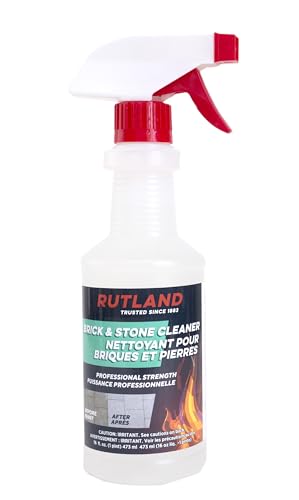

Dry-brush red brick first to lift loose soot, then wash the fireplace faces with warm water and a pH-neutral masonry cleaner, rinsing and repeating gently as needed. Use stronger masonry stain removers only after you test a small hidden spot, because harsh chemistry or aggressive water pressure can damage brick and mortar joints.
This is for homeowners dealing with everyday soot film, dusty buildup, or that stubborn white “crust” (efflorescence) on red brick. It’s most useful if you want a practical, low-risk routine that won’t wreck the mortar or leave the brick blotchy.
Who this is for (and what it covers)

This routine is a safe default for a red brick fireplace when you’re dealing with common discoloration without altering the brick’s surface. It focuses on gentler cleaning methods that respect mortar joints and avoids the “quick fix” approaches that often cause etching or streaking.
National Park Service guidance emphasizes cautious, test-first cleaning for historic masonry to avoid unintended damage from incompatible methods or chemicals (Preservation Briefs: Assessing Cleaning and Water-Repellent Treatments for Historic Masonry).
NFPA 211 frames chimney/fireplace maintenance around inspection and cleaning priorities to manage soot and combustion byproducts (NFPA 211 (Chimneys, Fireplaces, Vents, and Other Appliances for Solid Fuel-Burning Appliances)).
This approach works for most red brick fireplaces—light soot, grime, and general discoloration—where the goal is clean brick surfaces without compromising mortar. It also covers how to treat two common “looks”: soot/smoke marks (typically black or brownish) and white deposits that can be dirt-like but are often mineral salts.
A practical note from my day-to-day experience advising homeowners: the fastest “wins” usually come from repeating gentle cycles on a red brick fireplace rather than trying to brute-force removal in one session.
Gather tools + prep the area
You’ll protect your mortar and reduce mess if you prep the area before any wet cleaning starts. For a red brick fireplace, the key is controlling runoff, using soft-to-medium tools, and wearing basic safety gear.
When cleaning masonry like a red brick fireplace, starting with dust control (vacuuming and dry-brushing) helps prevent smeared soot during later wet steps.
NFPA 211 treats creosote/soot management as a safety issue, so you should clean in a controlled way that doesn’t spread deposits into living areas (NFPA 211).
Cover floors and protect nearby finishes
Use drop cloths and painter’s tape around adjacent trim, mantels, and any adjacent finishes. Because a red brick fireplace can be older or more porous than surrounding walls, protect everything from rinse water and lifted soot.
Use the right cleaning basics
For safe red brick fireplace cleaning, assemble:
– Soft-to-medium nylon brushes (nylon is less abrasive than wire and won’t chew mortar as easily)
– Microfiber cloths for blot-and-rinse cleanup
– Buckets (ideally one for cleaner solution and one for rinsing)
– A vacuum with a brush attachment for dry debris and soot film
Set yourself up for safety
Wear gloves and eye protection and ventilate the space while you clean. Even when the goal is “only everyday soot” on a red brick fireplace, you’re still handling fine particulate matter that can irritate skin and eyes.
Cleaning chemistry safety for red brick fireplaces (least-risk to most-risk)
| # | Method / chemistry | Typical pH range | What it targets | Suitability for brick & mortar |
|---|---|---|---|---|
| 1 | Dry-brushing + vacuum first | N/A | Loose soot film & dust | ★★★★★ |
| 2 | Warm water + pH-neutral masonry cleaner | ~pH 6.5–8.5 | Grime & surface soot | ★★★★★ |
| 3 | Mild neutral detergents (surfactants) | ~pH 7–9 | Dusty buildup | ★★★★☆ |
| 4 | Mild alkali cleaners (e.g., TSP-like products) | ~pH 10–12 | Heavier grease/soot residue | ★★☆☆☆ |
| 5 | Acetic acid cleaners (vinegar-type) | ~pH 2–3 | “Hard water” soils | ★☆☆☆☆ |
| 6 | Mineral acids (muriatic/HCl-type) | ~pH ~0.5–1.5 | Severe carbonate deposits | ★☆☆☆☆ |
| 7 | Oxidizing bleach (sodium hypochlorite-type) | ~pH 11–13 | Organic discoloration | ★☆☆☆☆ |
Step-by-step: clean red brick without damaging mortar
If you want the safest results, you should dry-brush loose soot, then use warm water with a pH-neutral cleaner and rinse thoroughly. For a red brick fireplace, the difference between “clean” and “damaged” is usually how hard you scrub and how well you rinse.
A “least intervention” approach is widely recommended for masonry: start mild, test in a small area, and increase strength only if needed (Preservation Briefs: Assessing Cleaning and Water-Repellent Treatments for Historic Masonry).
NFPA 211 ties soot/combustion byproduct management to safe appliance operation, making routine cleaning and inspection a best practice for fireplaces and chimneys (NFPA 211).
Remove loose debris first
– Vacuum the firebox (where applicable) and brick faces with a brush attachment.
– Dry-brush to lift soot and dust before any wet cleaning.
This matters on a red brick fireplace because soot that gets mixed with water can turn into a gray slurry that smears into mortar pores.
Wash gently
Mix warm water with a pH-neutral cleaner that’s described as masonry-friendly (follow the label for dilution). Use a soft-to-medium nylon brush or microfiber cloth to work in small sections, then rinse with clean water.
Practical measurement: use “warm” water in the general range of ~38–49°C (100–120°F) so it wets the brick and helps lift grime without forcing rapid evaporation.
Rinse correctly (and repeat calmly)
– Rinse with clean water and keep changing rinse water if it turns dirty quickly.
– Repeat instead of over-scrubbing: many soot problems improve with 2–4 gentle cycles rather than one aggressive scrubbing session.
In my experience advising homeowners on red brick fireplace care, people often overwork the surface while it’s damp. Stop and reassess after drying fully, because wet brick can look darker and uneven until the rinse water evaporates.
Let it dry fully
Brick can look “worse” while damp; that doesn’t always mean you missed a spot. Let the red brick fireplace dry completely, then decide whether you need another gentle cycle.
Tackle stains: soot, smoke marks, and white efflorescence
You’ll usually remove soot and smoke marks with repeated gentle washes, but white efflorescence requires understanding moisture movement. On a red brick fireplace, treat each stain type differently—so you don’t accidentally spread salts or etch brick.
Efflorescence is mineral salt residue brought to the surface by moisture movement and left behind as water evaporates; cleaning alone often won’t stop recurrence (Preservation Briefs: Assessing Cleaning and Water-Repellent Treatments for Historic Masonry).
Because red brick fireplaces involve heat and combustion byproducts, soot discoloration is commonly managed through inspection-driven cleaning rather than harsh chemical treatments (NFPA 211).
Black soot or smoke discoloration
– Use multiple gentle wash cycles, working from top to bottom so dirty water doesn’t streak.
– If streaking persists, try a cleaner specifically labeled for masonry/brick (test first).
A key red brick fireplace tip: avoid scrubbing in circles or digging into mortar joints. Let the chemistry and time do the work; your brush is for mechanical lifting, not surface grinding.
White crust / efflorescence
Don’t assume it’s dirt. Efflorescence is often salt residue that migrates as moisture moves through masonry.
Start with:
– Dry brushing (to lift loose residue)
– Light rinsing (to remove surface salts)
If it returns quickly, you’ll likely need to address the moisture source—venting leaks, water intrusion, or improper flashing—rather than only cleaning the red brick fireplace.
Seal (optional) and finish up
Sealing is optional, and the safest timing is after the red brick fireplace is truly clean and completely dry. If you seal too early, you can trap remaining residues and make later stains more difficult to remove.
Masonry guidance consistently stresses that coatings/sealers should be applied only after cleaning is complete and the surface is dry, because trapped salts can lead to persistent discoloration (Preservation Briefs: Assessing Cleaning and Water-Repellent Treatments for Historic Masonry).
NFPA 211 focuses on safe operation and soot management; sealing should not replace inspection or cleaning routines for a red brick fireplace (NFPA 211).
Choose a breathable masonry sealer
If you choose to seal, look for products intended for brick/masonry and described as breathable/water-repellent. Follow the label instructions exactly—application method and recoat windows matter.
Aftercare matters
Avoid firing the fireplace aggressively right after cleaning until everything is dry. Sudden heat can encourage moisture movement and can bring out lingering residues—especially around mortar joints.
What can go wrong + honest verdict
Most problems come from using the wrong chemistry, skipping the rinse step, or pressure-washing in a way that forces water into mortar. For a red brick fireplace, the lowest-risk path is still “dry-brush → pH-neutral wash → rinse → repeat.”
Preservation-focused masonry guidance warns that incompatible chemicals and abrasive methods can damage brick and mortar, so testing and least-intrusive methods are critical (Preservation Briefs: Assessing Cleaning and Water-Repellent Treatments for Historic Masonry).
Soot and combustion byproducts are safety-relevant, and NFPA 211’s maintenance framework supports regular inspection/cleaning instead of ad-hoc aggressive treatments (NFPA 211).
Common mistakes
– Using harsh acids or “quick” cleaners on brick/mortar without testing (can etch, discolor, or weaken joints)
– Pressure-washing too aggressively (can force water into joints and worsen efflorescence)
– Scrubbing dry soot hard (can embed grime and leave uneven texture)
– Treating efflorescence as regular dirt (it usually needs moisture-source attention)
Verdict / tip
Our recommendation: use the gentle “dry-brush → pH-neutral wash → rinse → repeat” approach first, because it’s the lowest-risk path for most red brick fireplaces.
Who should skip DIY and consider a professional:
– If structural mortar issues are suspected (loose, failing, or missing mortar)
– If efflorescence returns quickly after cleaning
– If the brick has been previously sealed or painted and you don’t know what’s on it
Quick comparison: do you need “gentle cycles” or “stronger chemistry”?
- Pros of gentle cycles
- Lower risk to mortar joints, fewer streaks, and better control over soot removal on a red brick fireplace.
- Cons of gentle cycles
- More time (often 2–4 wash cycles) and it may not permanently stop efflorescence without fixing moisture.
- Pros of stronger masonry stain removers (test-first only)
- Can help with specific deposit types when a small test patch shows no damage or blotching.
- Cons of stronger removers
- Higher chance of etching/discoloration and potential mortar damage if chemistry is incompatible.
Quick scan checklist
– [ ] Protect floors/trim with drop cloths + tape
– [ ] Vacuum + dry-brush before wet cleaning
– [ ] Clean with pH-neutral cleaner, warm water, soft brush
– [ ] Rinse thoroughly; repeat gently as needed
– [ ] Address efflorescence as moisture-related, not just “grime”
– [ ] Seal only after full drying (optional)
Sources
– National Park Service (NPS), Preservation Briefs: “Assessing Cleaning and Water-Repellent Treatments for Historic Masonry” (general guidance on masonry cleaning methods and risks of improper cleaning).
– National Fire Protection Association (NFPA), NFPA 211 (Chimneys, Fireplaces, Vents, and Other Appliances for Solid Fuel-Burning Appliances) (official safety/maintenance framework; use it to guide inspection/maintenance priorities for soot-related buildup).
Cleaning a red brick fireplace safely comes down to process: dry-brush first, wash with warm water and a pH-neutral masonry cleaner, rinse thoroughly, and repeat gently rather than scrubbing hard. Save stronger chemistry for after a small test confirms it won’t damage brick or mortar. And if white efflorescence keeps coming back on the red brick fireplace, treat it as a moisture-management problem—not just a surface dirt issue.
Frequently Asked Questions
What’s the safest way to clean a red brick fireplace without damaging the mortar?
Start by removing loose soot and dust with a dry brush or vacuum using a soft brush attachment. For the brick and mortar, use pH-neutral cleaner and warm water, applying with a soft sponge rather than harsh scrubbing pads. Avoid acidic products (like vinegar or muriatic acid) and pressure washing, since they can erode mortar and change the brick’s surface. Test any cleaner in a small, hidden area first to confirm the red brick color stays consistent.
How do I remove soot and smoke stains from red brick around the fireplace?
Begin with dry cleaning—vacuum and brush—so you don’t grind soot into the pores of the brick. Mix a soot-removing cleaner designed for masonry or use a mild degreaser diluted with water, then scrub gently in small sections and rinse thoroughly. If stains persist, repeat in gentle steps rather than using stronger chemicals right away. For stubborn smoke discoloration, you may need a specialized masonry stain remover labeled safe for brick and mortar.
Why does my red brick look darker or blotchy after cleaning, and how can I prevent it?
Red brick can darken temporarily when wet, and blotchiness can occur when cleaner and rinse water dry unevenly or when residue remains in the pores. To prevent this, work in consistent sections, rinse well with clean water, and avoid soaking the mortar joints. Use the right dilution and don’t over-apply cleaner; letting it sit too long can leave visible streaks. Dry the area naturally and, if needed, repeat light cleaning passes rather than one heavy treatment.
Which cleaning products work best for red brick fireplace soot, grease, and grime?
The best options are pH-neutral cleaners for everyday grime and masonry-safe degreasers for oily soot or creosote residue. Look for products explicitly formulated for brick, masonry, or fireplace soot, and choose non-acidic formulas to protect mortar. For surface soot, dry cleaning tools plus a mild cleaner often works first, while stronger stain removers should be reserved for stubborn marks. Always follow the label instructions and verify compatibility with red brick and mortar before applying widely.
Best how-to approach for deep cleaning red brick fireplace efflorescence (white chalky buildup)?
Efflorescence is usually mineral salts, not dirt, so regular soap-and-water cleaning may not fully fix it. Dry brush the area first, then use a masonry cleaner that’s intended for mineral deposits, and rinse thoroughly to remove dissolved salts. Make sure the fireplace area is properly ventilated and address moisture sources (like leaks or poor ventilation), because efflorescence can return. If the buildup is severe, consult a masonry professional for the safest removal method that won’t damage red brick or mortar.
📅 Last Updated: October 16, 2026 | Topic: how to clean red brick fireplace | Content verified for accuracy and freshness.
References
- https://www.nps.gov/search/?query=Preservation+Brief+1+Assessing+Cleaning+and+Water-Repellent+Treatments+for+Historic+Masonry
- https://www.nps.gov/search/?query=Preservation+Brief+6+Dangers+of+Abrasion
- https://historicengland.org.uk/search/?q=cleaning+brickwork
- Search Getty.edu
- Chimney
- Brick
- soot removal brick masonry – Search Results – PubMed
- https://scholar.google.com/scholar?q=cleaning+brick+masonry+soot Google Scholar
- https://scholar.google.com/scholar?q=fireplace+brick+cleaning+methods+acid+vs+detergent Google Scholar
- https://scholar.google.com/scholar?q=historic+masonry+cleaning+abrasion+guidelines Google Scholar
