

Cleaning a sea sponge is straightforward and essential to maintain its quality and lifespan. To clean your sea sponge effectively, rinse it thoroughly in fresh water and use a gentle soap if needed. This article will guide you through the detailed steps to ensure your sponge stays in top condition, enhancing its usability and durability.



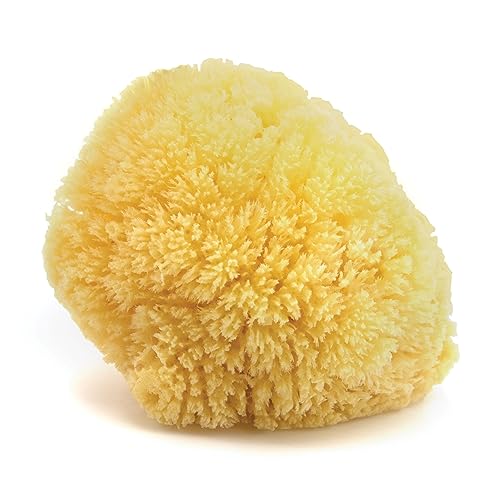
Understanding Your Sea Sponge

Sea sponges are natural, biodegradable products derived from the ocean, renowned for their unique composition and versatility. Unlike synthetic sponges, which are often made from plastics and chemicals, sea sponges offer a sustainable choice for various applications, from bathing to cleaning delicate surfaces. However, this natural origin means that they require gentle care to maintain their structure and effectiveness.
If not cleaned properly, sea sponges can harbor bacteria, fungi, and even mold, which can compromise their usability and pose health risks. Therefore, understanding how to care for your sea sponge is crucial for extending its lifespan and ensuring it remains a safe and effective tool. This knowledge not only enhances your sponge’s performance but also promotes an eco-friendly approach to cleaning and personal care.
Rinsing Your Sponge


The first step in cleaning your sea sponge is rinsing it thoroughly. Begin by holding the sponge under running fresh water. This process helps to remove any debris, dirt, or residual soap that may have accumulated during use. It is important to use cool or lukewarm water rather than hot, as excessive heat can damage the fibers of the sponge.
As you rinse, gently squeeze the sponge to expel the water. This action helps to remove trapped particles while minimizing the risk of damaging the sponge’s delicate structure. Avoid harsh wringing motions, as they can lead to breakage and a reduction in the sponge’s absorbing capabilities. Instead, think of it as coaxing the water out gently, allowing the sponge to retain its natural shape and elasticity.
Using Soap for Deeper Cleaning

If your sea sponge requires a deeper clean, especially after heavy use, incorporating a mild soap can be beneficial. Choose a gentle, biodegradable soap free from harsh chemicals that could degrade the sponge material.
To clean with soap, fill a basin or sink with lukewarm water and add a few drops of the selected soap. Submerge the sponge in this soapy solution and allow it to soak for a few minutes. This soaking will help loosen any stubborn grime or bacteria trapped within the sponge. After soaking, gently work the soap into the sponge with your fingers, being careful not to apply too much pressure.
Once you have finished cleaning, it is essential to rinse the sponge thoroughly under fresh water again. Ensure that all soap residue has been removed, as leftover soap can lead to irritation during subsequent uses, particularly in personal care applications.
Common Sea Sponge Types and Their Characteristics
| # | Type of Sponge | Texture | Usage | Durability |
|---|---|---|---|---|
| 1 | Wool Sponge | Soft | Bathing | High |
| 2 | Finger Sponge | Firm | Cosmetic | Medium |
| 3 | Sea Wool Sponge | Very Soft | Bathing | Very High |
| 4 | Silk Sponge | Ultra Soft | Facial Care | High |
| 5 | Honeycomb Sponge | Rough | Cleaning | Low |
| 6 | Natural Sponge | Medium | General Use | Medium |
| 7 | Mediterranean Sponge | Soft | Bathing | High |
Drying the Sponge
After cleaning your sea sponge, the drying process is equally important. Proper drying helps prevent mold and bacteria growth, ensuring that your sponge remains hygienic and ready for use. Start by gently squeezing the sponge to remove excess water without wringing it. Wringing can distort the sponge shape and damage its natural fibers.
Once you have expelled the excess water, lay the sponge flat on a clean towel or hang it in a well-ventilated area. Ensure that the area is dry and free from direct sunlight, as prolonged exposure can lead to deterioration of the sponge. Allow the sponge to dry completely before storing it, which may take several hours. A well-dried sponge will maintain its softness and absorbency for future uses.
Storing Your Sea Sponge
Proper storage of your sea sponge is crucial to prolong its life and maintain its quality. Store the sponge in a dry place away from moisture to prevent mold and bacterial growth. Consider using a breathable mesh bag or a wooden basket that allows air circulation while keeping the sponge protected. Avoid placing the sponge in sealed containers or damp areas, as these conditions can create a breeding ground for unwanted microorganisms.
Additionally, consider rotating between multiple sponges if you use them frequently. This practice allows each sponge adequate time to dry out completely, ensuring that they remain clean and effective. If you notice any changes in the sponge’s texture or odor, it may be time to replace it with a new one.
Tips for Maintaining Your Sponge
To ensure the longevity and effectiveness of your sea sponge, regular maintenance is essential. Clean your sponge after each use or at least once a week, depending on how frequently you use it. This routine helps prevent the buildup of bacteria and keeps the sponge fresh and ready for use.
When using your sea sponge for bathing or cleaning, avoid exposing it to harsh chemicals or high temperatures, as these can damage its fibers. Instead, opt for natural cleaning agents and lukewarm water. Additionally, if you notice that your sponge has become hard or brittle, soak it in warm water before use to restore its softness.
Lastly, consider the environmental impact of your sponge usage. A well-maintained sea sponge can last for several years, making it a sustainable choice compared to disposable synthetic sponges. By following these maintenance tips, you not only enhance your sponge’s performance but also contribute to a more eco-friendly lifestyle.
Sea Sponge Durability Comparison
Maintaining your sea sponge is essential for its longevity and effectiveness. By following these cleaning steps and care tips, you can ensure that your sponge remains a valuable tool for your cleaning or bathing needs. For best results, incorporate these practices into your routine and enjoy the benefits of a well-cared-for sea sponge!
Frequently Asked Questions
How do I properly clean my sea sponge after use?
To clean your sea sponge, rinse it thoroughly under cool running water immediately after use to remove any soap residue and dirt. Gently squeeze the sponge to expel excess water, and allow it to air dry completely in a well-ventilated area. Avoid using harsh chemicals or bleach, as these can damage the natural fibers of the sponge.
What is the best way to disinfect a sea sponge?
The best way to disinfect a sea sponge is to soak it in a solution of one part vinegar to three parts water for about 10 minutes. After soaking, rinse the sponge under cool water to remove any vinegar residue and let it air dry. This method effectively kills bacteria while being gentle on the sponge’s natural structure.
Why is it important to clean sea sponges regularly?
Regular cleaning of sea sponges is essential to prevent the buildup of bacteria, mold, and mildew, which can compromise their effectiveness and hygiene. Additionally, cleaning helps to maintain the sponge’s softness and longevity, ensuring that it remains an effective tool for various cleaning tasks.
Which cleaning products should I avoid when cleaning a sea sponge?
When cleaning a sea sponge, avoid using any harsh chemicals, bleach, or synthetic detergents, as these can break down the natural fibers and reduce the lifespan of the sponge. It’s best to stick to gentle, natural cleaners like vinegar or mild soap to preserve the sponge’s integrity.
How often should I clean my sea sponge for optimal use?
It is recommended to clean your sea sponge after each use to keep it in optimal condition. For deeper cleaning and disinfection, you should also soak it in vinegar and water once a week, especially if you use it frequently. This routine will help prevent odors and maintain the sponge’s natural qualities.
References
- Sponge
https://en.wikipedia.org/wiki/Sponge - https://www.ncbi.nlm.nih.gov/pmc/articles/PMC7132099/
https://www.ncbi.nlm.nih.gov/pmc/articles/PMC7132099/ - https://www.sciencedirect.com/topics/earth-and-planetary-sciences/sponge
https://www.sciencedirect.com/topics/earth-and-planetary-sciences/sponge - Sponge | Definition, Features, Reproduction, & Facts | Britannica
https://www.britannica.com/science/sponge-animal - https://www.mayoclinic.org/healthy-lifestyle/consumer-health/in-depth/sponge-cleaning/art-20465415
https://www.mayoclinic.org/healthy-lifestyle/consumer-health/in-depth/sponge-cleaning/art-20465415 - Dynamical coupling of wind and ocean waves through wave-induced air flow | Nature
https://www.nature.com/articles/nature01382 - https://www.cdc.gov/niosh/topics/sponges/default.html
https://www.cdc.gov/niosh/topics/sponges/default.html - https://www.who.int/news-room/questions-and-answers/item/coronavirus-disease-covid-19-cleaning-and-disinfection
https://www.who.int/news-room/questions-and-answers/item/coronavirus-disease-covid-19-cleaning-and-disinfection - Google Scholar Google Scholar
https://scholar.google.com/scholar?q=how+to+clean+sea+sponge - Google Scholar Google Scholar
https://scholar.google.com/scholar?q=cleaning+marine+sponges
