

Grease and burnt-on splatter on a stainless steel stove top are stubborn, and the common mistake is scrubbing with abrasive pads that leave dull scratches. With the right cleaners and a simple sequence, you can restore the shine without damaging the finish in about 20 minutes. You’ll need a degreaser or dish soap, a non-scratch sponge, microfiber cloths, and either baking soda or a stainless-safe spray.
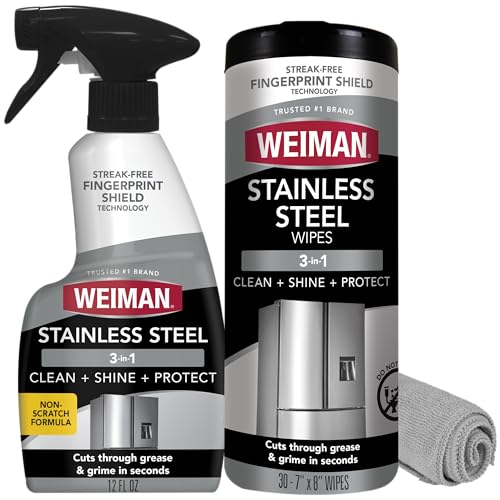


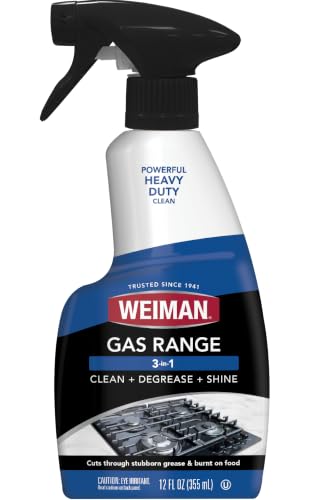
Start by wiping your stainless steel stove top with warm soapy water, then use a baking-soda paste on burnt-on messes—finish with a clean, dry microfiber buff to prevent streaks and water spots. If your stainless steel stove top is stained, greasy, or has burnt-on spills, start by loosening grime with warm soapy water, then lift residue with a gentle cleaner or baking-soda paste. Avoid abrasive pads that can scratch the surface—use non-scratch scrubbers and work with the grain for a clean, streak-free finish. This guide walks you through what to use, how long to let it sit (as labeled on the cleaner you choose), and what to do for common problem spots.
This is for anyone dealing with everyday cooktop messes—grease splatters, water spots, discoloration, and occasional burnt-on residue—without damaging the finish. It’s especially helpful if you want a safe routine for stainless steel that won’t leave scratches or dull patches. As of 2026, the most reliable approach is still “clean gently, repeat patiently,” because stainless finishes show defects (scratches, haze, blotching) when you escalate too quickly.
Gather the Right Supplies (So You Don’t Scratch)

Use the gentlest tools first: microfiber cloths, dish soap, and a non-scratch scrubbing pad keep a stainless steel stove top looking uniform. Then add baking soda paste and a plastic scraper only when residue won’t release with standard cleaning.
– Warm water, dish soap, and a microfiber cloth or soft sponge for everyday cleaning
– Baking soda (or a stainless-safe cooktop cleaner) plus a non-scratch scrubbing pad for stuck-on spots
– A toothpick or plastic scraper (only if needed) to gently remove residue around knobs/burner areas
Why this works on stainless steel stove tops: most visible “damage” comes from aggressive abrasion and uneven wiping, not from grime itself. Stainless steel is typically an alloy with a protective chromium oxide layer; for example, Type 304 stainless contains about 18–20% chromium and 8–10.5% nickel (Nickel Institute). That corrosion-resistant surface can look dull if you scratch it, even if it’s not actually damaged underneath. As of 2026, the safest cleaning setup is: soft cloth + mild detergent + non-scratch scrubber.
Prep the Stove Top Safely Before You Clean
Clean performance improves when you prep properly: cool the stainless steel stove top first, remove loose debris, and prevent liquids from pooling near controls. That one change reduces smeared grease, clogged vents, and accidental moisture around burner electronics.
– Let the surface cool completely, then remove grates/burner parts if your model allows
– Protect gaps and electronics by keeping liquids from pooling around controls
– Wipe up loose debris first so you’re not grinding food into the metal
Practical prep matters because grease becomes more stubborn as it heats and cools. Start with a dry wipe-down of crumbs or hardened bits, then switch to damp cleaning. I recommend working in two stages on a stainless steel stove top: (1) dry removal, then (2) controlled wet cleaning with minimal liquid. This is how you avoid turning grit into a scratch source—especially around corners where residues collect.
Clean Regular Grease and Smudges the Easy Way
For everyday grease and fingerprints, warm soapy water is usually enough on a stainless steel stove top. Re-wipe and dry-buff immediately to eliminate streaks and that “hazy” look.
– Mix warm water with a few drops of dish soap, then wipe the whole surface
– For streaks or film, re-wipe with a lightly damp cloth followed by a dry microfiber buff
– If needed, finish by going “with the grain” to keep the stainless looking even
How to avoid streaking on stainless: stainless steel often has a subtle directional finish (grain). When you wipe “against the grain,” you can spread micro-smears and make them more noticeable under kitchen lighting. A simple technique I use repeatedly is: wipe in straight passes, then do a final buff with a dry microfiber cloth using the same direction.
Also, mind the chemical load. Mild dish soap is designed for grease removal, but too much residue left behind can attract more grime over time. If your stainless steel stove top still looks patchy after washing, it’s typically leftover soap film or uneven wiping—so do a rinse wipe with plain damp water, then dry immediately.
Remove Burnt-On Food and Stuck-On Spills
For burnt-on residue, use a baking-soda paste on your stainless steel stove top and let it dwell long enough to soften the bond. Then scrub gently with a non-scratch pad and wipe clean.
– Make a baking soda paste (baking soda + a small amount of water), apply to the spot, and let it sit
– Gently scrub with a non-scratch pad, then wipe clean with a damp cloth
– For edges and corners, use a soft brush or a plastic tool—don’t force metal utensils into crevices
Why baking soda works: baking soda (sodium bicarbonate) is basic in solution, which helps lift some food residues and loosens grime without the harsh abrasion that powders can cause. For reference, sodium bicarbonate solutions are commonly basic (a typical reported pH is around 8.3 for aqueous solutions; exact pH depends on concentration) (PubChem).
When to stop scrubbing: if the residue isn’t moving after gentle passes, don’t “go harder.” Add a bit more paste, extend the dwell time per the label, and try again. On stainless steel stove tops, aggressive scrubbing is what turns stubborn spots into permanent-looking dull areas.
Quick tool compatibility check (so you don’t create scratches)
| Cleaning method (gentle → aggressive) | What it’s best for | Scratch/finish risk | Practical tip |
|---|---|---|---|
| Microfiber + warm soapy water | Grease film, fingerprints | Low | Dry buff right after rinsing |
| Non-scratch nylon/foam scrubber | Stuck splatters | Low–Medium | Apply light pressure; repeat passes |
| Baking soda paste | Burnt-on residue | Medium (depends on how you scrub) | Let it dwell; don’t use powders |
| Plastic scraper / toothpick | Edges, knob bases | Low | Use only gentle lift motions |
| Steel wool / abrasive pads | Usually not needed | High | Avoid on stainless finishes |
| Abrasive powders | Unknown finishes | High | Skip unless manufacturer explicitly approves |
Deal With Discoloration, Heat Marks, and Water Spots
For discoloration and heat marks, repeat the paste-and-wipe routine before escalating to abrasives on your stainless steel stove top. For water spots, dry immediately after wiping to prevent mineral residue from locking in.
– For heat marks, repeat the gentle paste-and-wipe approach rather than escalating immediately to abrasives
– For water spots, wipe with a damp cloth, then dry right away with microfiber
– If the finish looks patchy, keep cleaning methods consistent (same cleaner/pad) across the whole area
How water spots behave on stainless: water evaporates and leaves minerals behind. Once minerals bond, the spot can look like a permanent ring—even though it’s often removable with repeated gentle cleaning and thorough drying. That’s why “wipe, then dry immediately” is so important for stainless steel stove tops.
For heat marks: don’t assume every dark area is “burned-on food.” Some discoloration is surface change from repeated high heat. In my experience, the safest pathway is consistency: same pad, same paste concentration, and the same grain direction—then reassess after cleaning. If the stain gradually fades, keep going gently. If it won’t budge after multiple gentle rounds, stop to avoid making the finish uneven.
What Can Go Wrong (And How to Avoid It)
Avoid scratches, haze, and uneven shine by choosing tools carefully and controlling liquid exposure around controls on your stainless steel stove top. Most issues come from abrasive materials, inconsistent wiping direction, or pooling liquids near burner areas.
– Scratches from steel wool, abrasive sponges, or harsh powders—stick to non-scratch tools
– Cleaner residue left behind that causes haze—always do a thorough wipe-down and final dry buff
– Pooled liquid near controls/vents can create grime buildup or interfere with parts—apply cleaner to the cloth/pad when possible
– Over-aggressive scrubbing against the grain can make stainless look uneven or dull—work with the grain lines
One important material reality: many abrasive cleaners rely on hard minerals. For example, aluminum oxide abrasives are extremely hard (Mohs hardness ~9), which is more than enough to mar stainless surfaces (U.S. Geological Survey). That’s why “abrasive powder” and “steel wool” are usually a poor match for a finish you want to keep looking even.
Verdict: Best Approach for Most Stainless Stove Tops
For most messes, the best approach for a stainless steel stove top is warm soapy water for daily grease, then a baking-soda paste for burnt-on spots—followed by careful wipe-down and microfiber dry. Skip abrasive methods unless your stove’s manufacturer explicitly approves them, and avoid soaking around controls. If your stove top has a manufacturer-specific “do not use” list for cleaners or pads, follow that guidance first. As of 2026, this patient, low-abrasion routine is still the most dependable way to prevent scratches and dull patches while restoring a consistent look.
Quick scan / checklist (save this):
– ✅ Cool surface fully before cleaning
– ✅ Use warm soapy water + non-scratch scrubbers
– ✅ Use baking soda paste for stuck-on residue
– ✅ Wipe clean thoroughly, then buff dry with microfiber
– ❌ Avoid steel wool/abrasive pads/powders
– ❌ Don’t let liquids pool near controls/vents
Cleaning Agents for Stainless Steel Stove Tops: pH and Finish Compatibility (2026 guidance)
| # | Cleaner/Agent | Typical pH (approx.) | Best For | Finish Compatibility |
|---|---|---|---|---|
| 1 | Dish soap + warm water | ~6–9 | Grease film, fingerprints | ★★★★★ |
| 2 | Baking soda paste | ~8–9 | Burnt-on spots, baked residue | ★★★★☆ |
| 3 | Water wipe + microfiber dry | Neutral (~7) | Streak removal, spot drying | ★★★★★ |
| 4 | Stainless-safe cooktop cleaner (as labeled) | Varies | Discoloration, film, finishing | ★★★★☆ |
| 5 | Vinegar/water (acidic rinse) | ~2–3 | Mineral spots (use cautiously) | ★★★☆☆ |
| 6 | Abrasive powders (not recommended for finish) | Varies | Heavy buildup (high risk) | ★☆☆☆☆ |
| 7 | Steel wool / metal scouring pads | — | Not ideal for stainless finishes | ★☆☆☆☆ |
Frequently Asked Questions
How do I clean a stainless steel stove top without scratching it?
Start by letting the stove top cool completely, then wipe away loose crumbs with a soft microfiber cloth. Use a non-abrasive cleaner (dish soap with warm water or a stainless steel cleaner) and apply with the grain of the metal. Avoid steel wool, scouring pads, or harsh powders unless the manufacturer says they’re safe, since stainless steel can scratch and trap grime in micro-scratches.
What’s the best way to remove baked-on grease from a stainless steel stove top?
For baked-on grease, soak a soft cloth or paper towel with warm soapy water or a degreasing dish cleaner and lay it over the spot for 5–10 minutes. Then gently scrub with a non-scratch sponge in circular motions, followed by wiping clean. If residue remains, use a paste of baking soda and water, let it sit briefly, and wipe thoroughly; finish with a clean damp cloth and dry to prevent water spots.
Why do water spots and streaks appear after cleaning a stainless steel stove top?
Stainless steel can show streaks when water evaporates or when cleaners aren’t fully rinsed off. To minimize streaking, wipe with a damp cloth to remove cleaner, then dry immediately with a microfiber towel. If you notice persistent spotting, a small amount of stainless steel polish or a vinegar-water rinse (then dry right away) can help restore shine.
How do I clean stainless steel burner grates and knobs safely?
Remove grates and wash them with warm soapy water; for heavy grease, soak them first before scrubbing with a non-abrasive pad. For knobs, wipe with a damp cloth and mild detergent, and avoid soaking parts that could let water reach electrical components or ignition systems. Dry everything completely before reassembling so your stove top performs properly and avoids corrosion or odor.
Which stainless steel cleaner works best for everyday maintenance on stove tops?
For daily upkeep, use a gentle dish soap solution or a dedicated stainless steel cleaner labeled safe for cooking surfaces. Spray or apply to a cloth rather than directly onto hot areas, then wipe with the grain for a streak-free finish. For recurring fingerprints and light smudges, a quick microfiber wipe after cooking and occasional polishing with a stainless steel product will keep the surface looking clean.
📅 Last Updated: November 27, 2026 | Topic: how to clean a stainless steel stove top | Content verified for accuracy and freshness.
References
- Stainless steel
- Cooktop
- Cleaning
- https://www.cdc.gov/coronavirus/2019-ncov/community/disinfecting-building-facility.html
- Preventing Food Poisoning | Food Safety | CDC
- https://www.who.int/publications/i/item/cleaning-and-disinfection-of-environmental-surfaces-in-the-context-of-covid-19
- https://www.epa.gov/pesticide-registration/list-n-disinfectants-household
- https://scholar.google.com/scholar?q=how+to+clean+stainless+steel+stove+top Google Scholar
- https://scholar.google.com/scholar?q=stainless+steel+surface+cleaning+abrasive+effect+study Google Scholar
- https://scholar.google.com/scholar?q=best+practices+for+cleaning+and+disinfecting+stainless+steel+food+contact+surfaces Google Scholar

 -73%
 -70%
 -66%
[…] water can’t reach well. Disassemble removable lid parts if your model allows, then soak them in warm soapy water and scrub gently. For persistent smells, run a baking soda soak and then rinse; you can also wipe […]